

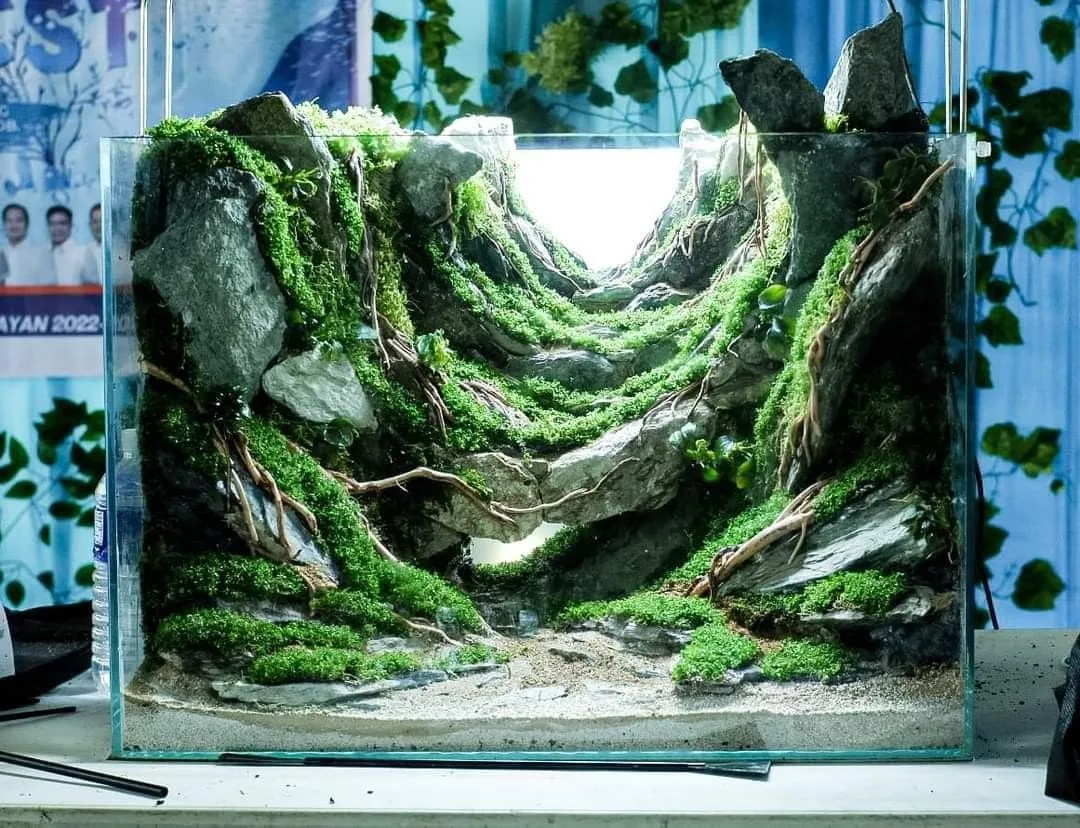
If you look at a modern glass garden, you will notice it no longer looks like a simple science project. Contemporary Terrarium Design Trends (2020s) have shifted toward creating highly realistic, miniature natural landscapes. Hobbyists are moving away from randomly clustering houseplant cuttings in plain dirt.
Instead, they build scaled-down models of misty forests and steep cliffs.
In our research, we found that professional aquascaping principles now dictate how these indoor ecosystems are styled. For instance, the use of specific high-density rock and wood elements has grown by over 40% among hobbyist builds as of 2026. Let’s look at the key elements that define this new visual era.
Quick Answer
Contemporary Terrarium Design Trends (2020s) focus on miniature natural realism. Hobbyists build structured layouts with weathered wood and stone. They slope the soil to build depth.
Sleek low-iron glassware provides excellent optical clarity. Rare tropical micro-plants populate these bioactive systems.
The Visual Shift: What Sets a 2020s Terrarium Apart?
If you compare a classic glass enclosure to a modern setup, the visual difference is striking. Older designs often resembled simple potted plants placed inside glass. Today, the focus is on recreating a tiny slice of an actual habitat.
This shift draws heavy inspiration from Nature Aquarium techniques pioneered in Japan. Designers now treat the glass vessel as a window into a wild forest, prioritizing depth, scale, and mature growth.
Instead of using random houseplant cuttings, builders select plants that remain naturally small. This keeps the landscape proportional and prevents fast-growing species from overtaking the display. To understand the baseline of this hobby, you can read our guide on classic glass enclosures.
Negative space is another critical concept. Instead of packing every square inch with greenery, modern layouts leave empty areas. These open zones are often covered in fine cosmetic sand or low-growing moss.
This creates the illusion of a pathway or a dry riverbed winding through the landscape.
By creating these visual breaks, the viewer’s eye is drawn to the main focal points. It makes the entire miniature world feel more balanced and less cluttered.
The Hardscape-First Method: Building the Structural Skeleton
The defining rule of modern design is that plants come last. You do not just fill a jar with dirt and push stems into it. Instead, you build a rigid structural skeleton out of rocks and wood first.
This skeleton, known as the hardscape, establishes the composition before any soil is added. A strong hardscape keeps the design stable and prevents shifting over time. It also provides physical support for climbing mosses and delicate plants in these delicate closed habitats.
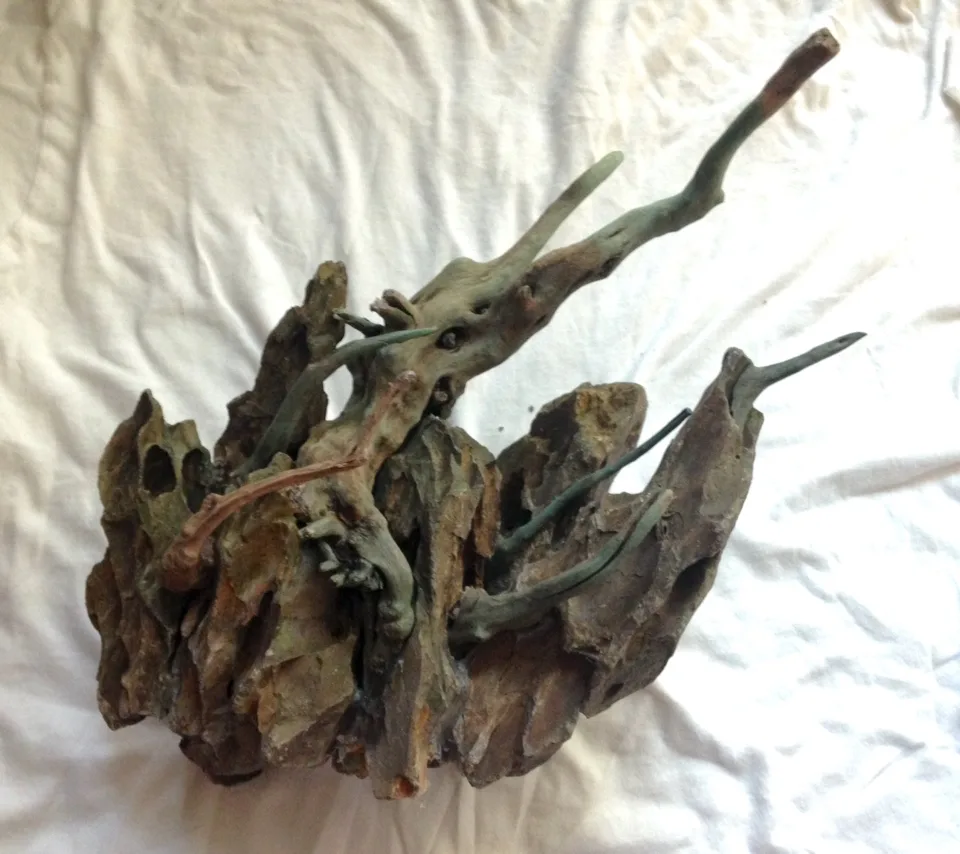
Choosing Dynamic Hardscape Elements (Dragon Stone, Seiryu, Spider Wood)
Modern designers select hardscape materials that mimic natural geographical formations. The goal is to make a five-inch rock look like a massive cliff face.
- Dragon Stone: A textured rock with deep, clay-like pockets that are perfect for holding moss.
- Seiryu Stone: A grey, jagged stone with distinct white veins that mimic high-altitude alpine peaks.
- Spider Wood: A branchy, twisted wood that looks like ancient tree roots spreading through the soil.
Using these materials creates instant age and character. You can stack them to form arches, caves, or vertical cliffs.
When planning the hardscape, designers rely heavily on the rule of thirds. They place the main structural elements off-center to create a dynamic, natural look. A perfectly centered rock structure often feels artificial and static.
Instead, placing a prominent piece of wood or stone slightly to the left or right creates visual tension. This tension mimics the unpredictable, organic growth patterns found in real wilderness areas.
Anchoring and Gluing the Layout
In the past, builders simply placed rocks on top of the soil. Today, we use cyanoacrylate glue and cotton cosmetic pads to bond hardscape elements together.
By packing cotton into the gaps between rocks and soaking it with liquid glue, you create a rock-hard weld. This technique allows for gravity-defying cliffs and complex root structures. The entire hardscape becomes a single, solid piece that will not collapse during planting or watering.
This bonding process is essential when building tall structures. It ensures that the heavy rocks cannot slip and crack the glass. It also allows you to attach wood pieces to stones, preventing the wood from shifting or floating if the container accumulates water.
Mastering Forced Perspective with Substrate Sloping
Flat soil is the enemy of depth. When the substrate is level, the display looks flat and two-dimensional. The 2020s design style relies heavily on forced perspective to make small spaces look vast.
To achieve this, you must slope the soil sharply from the front to the back of the vessel. The front edge should be very thin, sometimes only a quarter of an inch deep. The back wall can rise up to four or five inches, climbing up the rear glass.
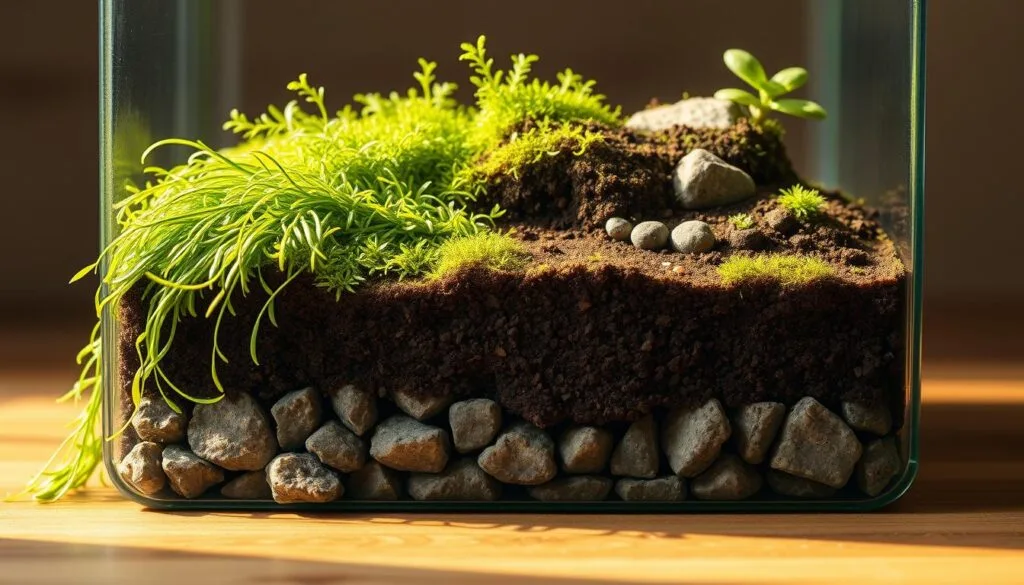
This slope lifts the background plants higher, making them visible behind the hardscape. It also creates a natural ramp for the eye to follow. When layering these slopes, you will need to use specialized soil mixtures that hold their shape when wet.
Without a proper slope, the background elements disappear behind the midground rocks. Sloping also creates more surface area for planting, allowing you to build richer, denser scenes.
To maintain a steep slope over time, you will need to build retaining walls. Without support, gravity and watering will slowly flatten the soil. You can wedge small pieces of slate or plastic barriers behind your hardscape to hold the soil in place.
These hidden walls act like terraced steps on a hillside. They lock the substrate in position, keeping your steep slopes looking sharp for years.
Modern Glassware: Rimless and Low-Iron Glass Enclosures
The jar you choose plays a massive role in how the final design looks. Traditional mason jars and cheap fishbowls often have thick, green-tinted glass. This tint distorts colors and reduces the amount of light reaching your plants.
Modern designs favor low-iron glass vessels. Low-iron glass is manufactured with reduced iron content, which eliminates the green edge tint common in standard glass. This results in ultra-clear panels that make the container look almost invisible.
When choosing a display tank, rimless options are highly preferred. These vessels feature thin, transparent silicone joints instead of bulky plastic frames. This clean look removes any visual barriers between you and the miniature landscape inside.
According to university extension guidelines on indoor horticulture from the University of New Hampshire Extension, high light transmission is crucial for closed systems. Selecting clearer materials directly influences how light passes through the walls to support delicate plant species.
Rimless glass enclosures also eliminate the distracting plastic frames found on old fish tanks. This seamless look is highly valued in the contemporary aesthetic. It allows the viewer to focus entirely on the miniature world inside.
Many of these modern tanks also come with fitted glass lids. These lids slide neatly onto clear clips, maintaining a uniform look while trapping high humidity.
Layering the Substrate for a Clean Profile
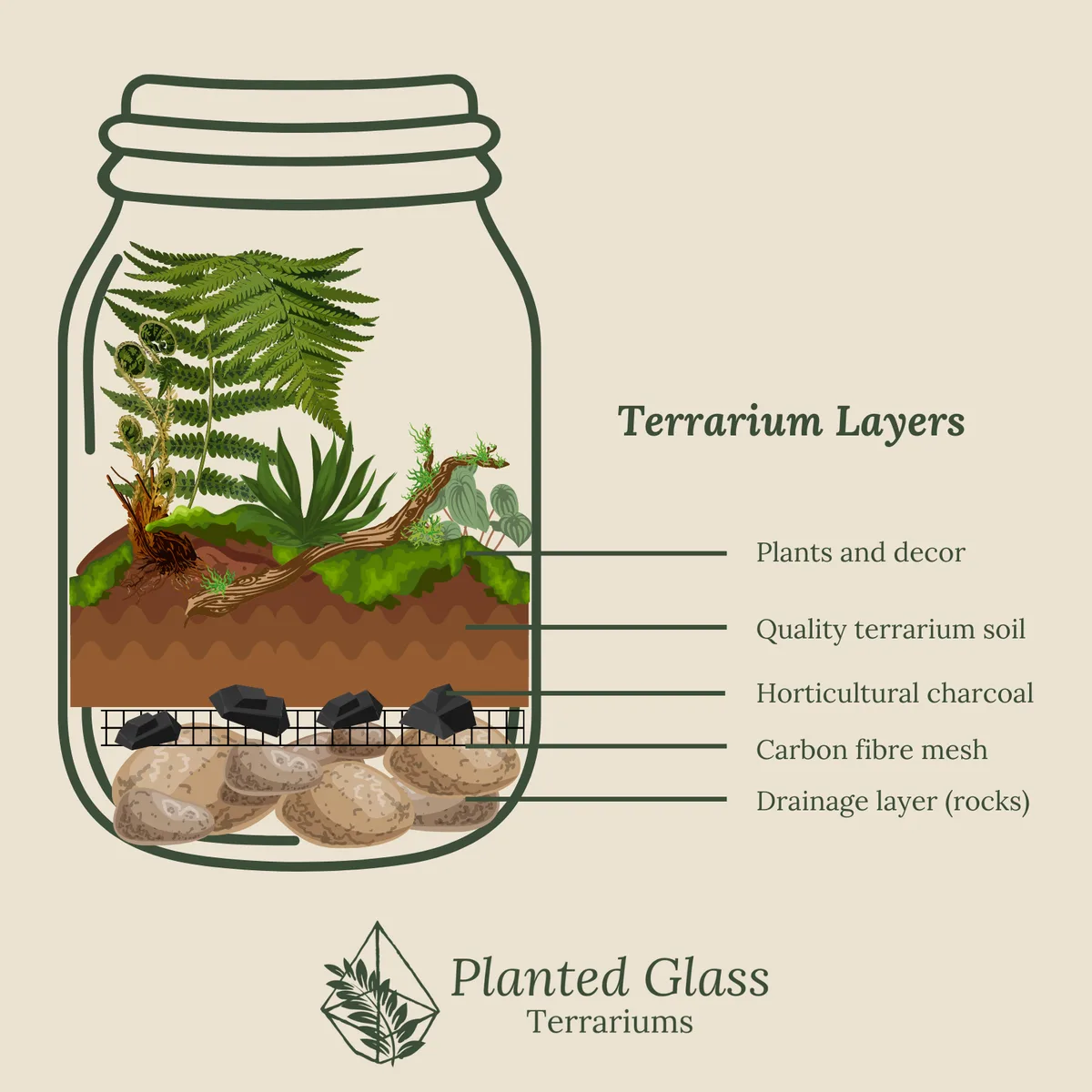
A messy, mixed-up substrate layer ruins the clean lines of a contemporary build. In the past, soil, charcoal, and pebbles would eventually mix together into a muddy paste. Modern designs use a strict layering system to keep the profile looking sharp.
This system relies on three distinct layers. First is the drainage layer at the bottom, followed by a separator, and finally the planting substrate on top. Keeping these layers clean ensures proper water drainage and prevents anaerobic bacteria from forming.
The Hidden Barrier Layer
To keep the soil from falling into the drainage gravel, you must install a physical mesh screen between the two layers. This barrier is a crucial component of modern builds.
Fiberglass window screening or fine plastic mesh works best for this purpose. Cut the mesh slightly larger than the vessel footprint and tuck the edges down. This prevents soil particles from washing down and clouding the water reservoir when watering your setup.
For the drainage layer, lightweight expanded clay aggregates (commonly called LECA) are highly popular. You can also use crushed volcanic rock. Both materials are highly porous and provide excellent surface area for beneficial bacteria.
This bottom layer acts as a safety valve. If you accidentally add too much water, the excess pools in the drainage layer instead of soaking the plant roots. This prevents root rot and keeps the ecosystem balanced.
ABG Mix and Charcoal Placements
The planting medium itself has evolved beyond basic potting soil. Most modern builds utilize a variation of the classic Atlanta Botanical Garden (ABG) mix.
This mix typically contains tree fern fiber, peat moss, orchid bark, charcoal, and sphagnum moss. This combination resists compaction, drains quickly, and retains the perfect amount of moisture. Activated charcoal is distributed throughout the mix to absorb organic impurities and keep the air smelling fresh.
Some builders also place a thin layer of cosmetic sand along the front glass. This hides the dark soil layers from view, creating a clean, professional finish. It mimics the clean substrate lines seen in high-end show aquariums.
Plant Selection: Scale, Micro-Species, and Moss Textures
Choosing the right flora is crucial for maintaining the illusion of a miniature landscape. Classic terrariums often featured fast-growing houseplants that quickly outgrew their containers. Modern design relies on slow-growing micro-species that preserve the scale of the hardscape.
You want to avoid fast-growing species that trigger rot or crowd out the scenery. Instead, focus on miniature tropical species that thrive in high humidity.
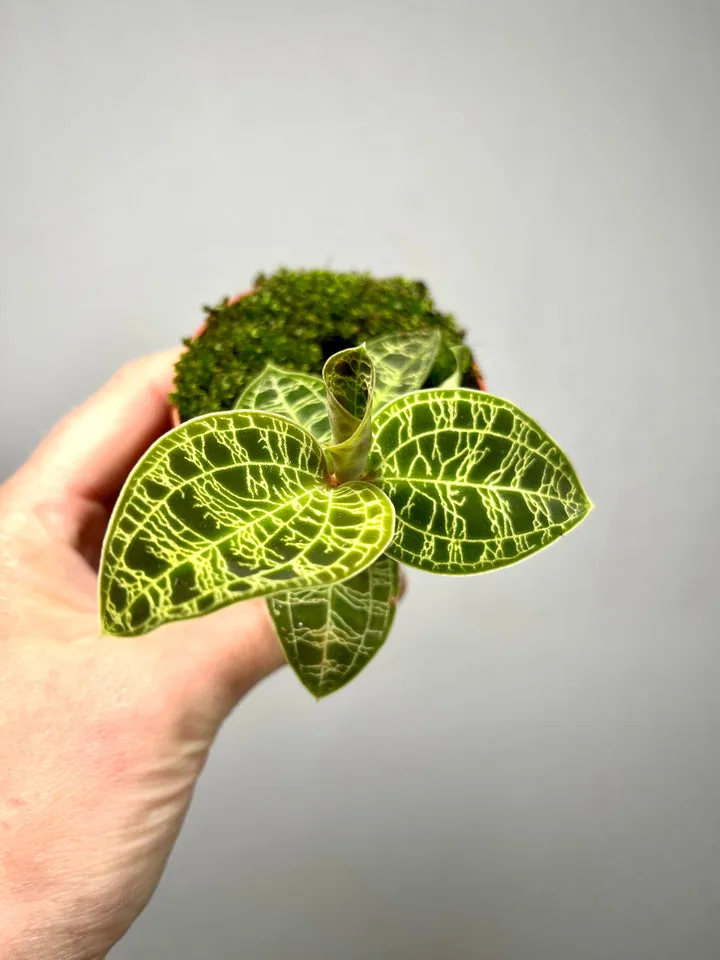
Our research indicates that the most successful modern builds use a combination of mosses, shingling vines, and tiny accent plants. This variety creates layers of texture that mimic a real forest floor. For details on sourcing these, see our guide on selecting appropriate flora for sealed environments.
- Miniature Ferns: Species like Biophytum sensitivum look like tiny palm trees, adding instant scale to the midground.
- Shingling Vines: Plants like Marcgravia syntenisii press flat against wood and stone, mimicking wild ivy.
- Jewel Orchids: Species such as Macodes petola provide striking leaf patterns without growing too large.
- Premium Mosses: Cushion moss and mini Christmas moss are preferred over standard sheet moss because they maintain tight, compact mounds.
Tech Integration: Full-Spectrum LEDs and Foggers as Design Assets
In the 2020s, terrarium technology is no longer hidden away in a closet. Modern lighting and humidity tools are designed to look as sleek as the glass vessels themselves.
Instead of relying on window light, which fluctuates throughout the year, designers use specialized fixtures. This shift has made relying on custom lighting systems the standard for maintaining vibrant plant health.
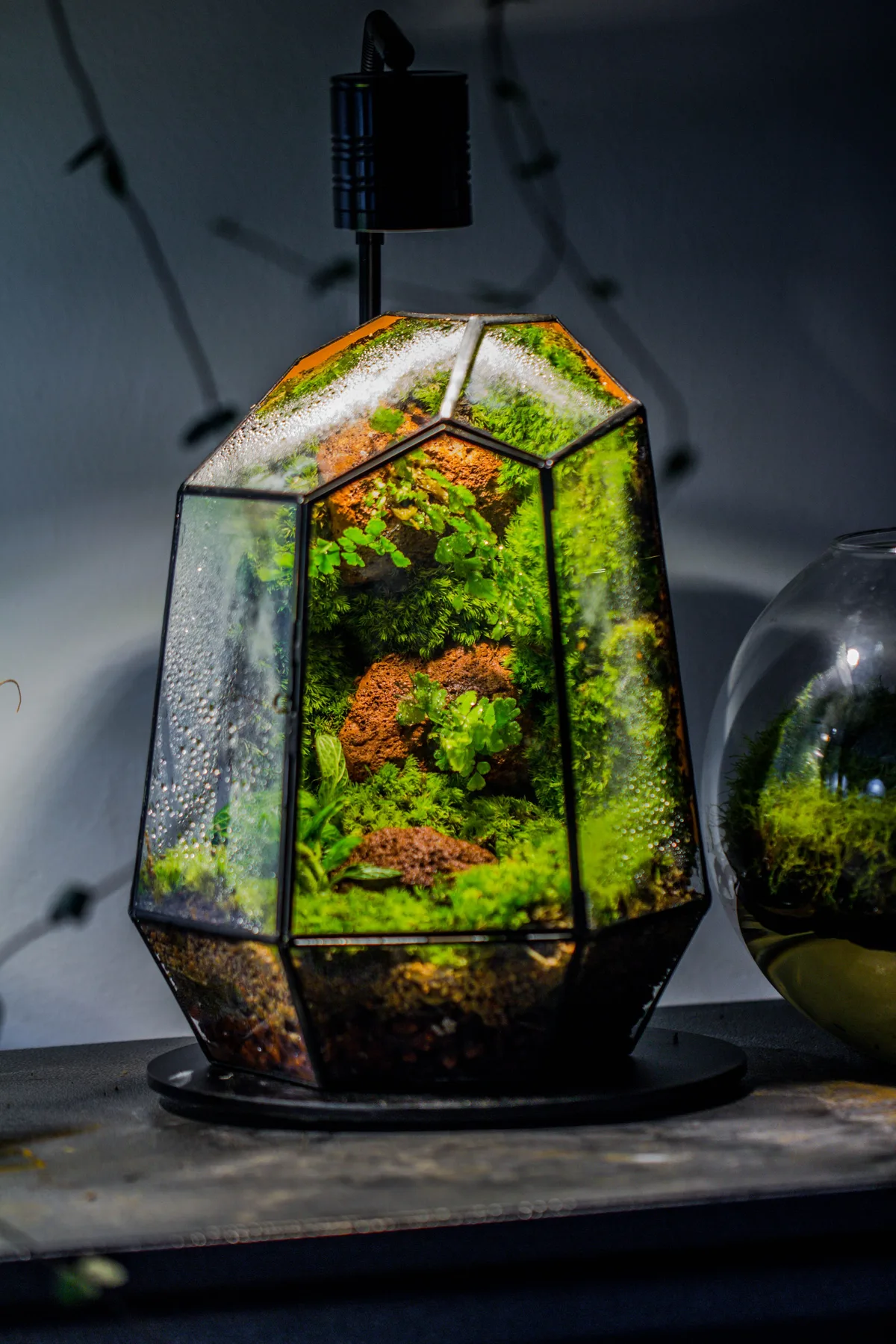
Full-spectrum LED fixtures are now built directly into the lids of high-end containers. These lights emit a crisp, white light that brings out the true colors of the plants and stones. They also provide the specific wavelengths needed to keep mosses from growing leggy.
Ultrasonic foggers are another popular addition to larger setups. These compact devices generate a cool mist that cascades over the rock cliffs.
This fog is not just for visual drama. It also maintains the high humidity levels required by sensitive epiphytes and mosses. Timer-controlled misting nozzles ensure the environment remains wet without oversaturating the soil.
Bioactive Visual Balance: Keeping the Cleanup Crew Hidden
A bioactive terrarium utilizes tiny invertebrates to process decaying matter. While these organisms are essential for long-term health, they can disrupt the clean visual lines of a display if left unchecked.
Modern builders design the habitat to keep these helpers out of direct sight. This involves creating underground nesting zones and hiding their food sources.
Using a layer of organic debris for the soil is standard practice to sustain your cleanup crew. Instead of scattering whole leaves across the display, designers shred them into tiny pieces. They tuck this leaf litter behind large stones or under moss carpets.
This provides food for the springtails and isopods while keeping the foreground clean. You get all the benefits of a self-cleaning system without the messy look of decaying leaves.
Choosing the right species also helps maintain visual balance. Dwarf white isopods are highly popular because they spend their lives burrowed in the substrate. They clean the roots out of sight, unlike larger, brightly colored species that crawl on the glass.
Visual Pitfalls That Ruin a Modern Terrarium Aesthetic
Creating a beautiful miniature landscape requires restraint. Many beginners make the mistake of adding too many elements, which ruins the sense of scale.
One common mistake is using oversized rocks or thick branches that crowd the glass. This makes the space feel cramped rather than vast.
Another frequent issue is failing to manage condensation inside the container. If the glass is constantly covered in droplets, you cannot see your design. You can resolve this issue by clearing up heavy internal fogging through gradual venting.
- Plastic Ornaments: Artificial castles or colorful gravel instantly break the natural illusion.
- Visible Substrate Layers: Letting messy dirt layers show at the front of the glass looks unpolished.
- Overplanting: Packing the jar too tightly blocks light and leads to rot.
- Lack of Pruning: Neglecting growth leads to overgrown plants that block the hardscape.
If you let fast-growing plants take over, they will smother the slower-growing mosses. This leads to sudden system crashes as trapped moisture creates mold pockets. Regular maintenance is necessary to keep the visual design intact.
Quick Reference Guide: Classic vs. 2020s Terrarium Aesthetics
This table highlights the design shifts that have occurred over the last decade. Modern builds prioritize clean lines, structural depth, and long-term biological balance.
| Design Element | Classic Style (Pre-2020) | Contemporary Style (2020s) |
|---|---|---|
| Glass Choice | Mason jars, recycled fishbowls | Rimless low-iron glass, custom cylinders |
| Main Focus | Plant variety | Hardscape composition and depth |
| Soil Line | Flat and level | Steeply sloped for forced perspective |
| Lighting | Windowsills, desk lamps | Integrated full-spectrum LEDs |
| Cleanliness | Manual cleaning, mold treatments | Bioactive cleanup crews |
| Decorations | Figurines, colored glass | Natural weathered stones, river sand |
Troubleshooting Visual and Biological Imbalances
When a miniature landscape starts to fail, it usually shows in the moss or the glass clarity first. Biological issues quickly turn into visual problems if you do not catch them early.
If you notice your moss turning yellow or brown, it is often a sign of light starvation or chemical burn. Tap water contains chlorine and heavy minerals that build up in the substrate over time. Using distilled water or reverse osmosis water is required to keep sensitive moss species green and thriving.
Mold outbreaks are another common issue in new setups. A small amount of mold is normal during the first month, but a massive outbreak indicates poor airflow or overwatering.
If mold begins to cover your hardscape, you should manually remove the worst spots with a clean brush. Then, let the enclosure air out for a few hours. Introducing more springtails during this phase will help control the spread before it leads to system-wide issues.
Sudden temperature swings can also destabilize the microclimate. Glass containers trap heat easily, and placing them in direct sunlight can cook the plants within hours. You can learn more about internal heat retention to avoid thermal shock.
For long-term success, follow a structured schedule. Trimming overgrown vines and cleaning the glass panels should be part of your regular maintenance routine. If you want to share your designs or troubleshoot specific issues with other builders, you can connect with active terrarium groups online.
Frequently Asked Questions
What is the best moss for modern terrarium designs?
Cushion moss and mini Christmas moss are the best choices for contemporary designs. They grow slowly and maintain tight, compact mounds that preserve the miniature scale of the landscape. Avoid standard outdoor sheet moss, which tends to grow too tall and looks messy.
How do you prevent mold in a closed glass garden?
You prevent mold by establishing a bioactive cleanup crew and controlling moisture levels. Springtails eat mold spores before they can spread across the wood or soil. Keeping the soil damp but never soggy also prevents fungal outbreaks from starting.
Why do modern terrariums use sloped soil?
Modern terrariums use sloped soil to create forced perspective and add visual depth. By building the substrate higher in the back, you make the container look much deeper than it actually is. This technique also ensures that background plants are not hidden behind foreground stones.
How often should you trim a contemporary terrarium?
You should trim your plants every four to six weeks depending on growth rates. Fast-growing vines like Marcgravia should be cut back before they cover the main hardscape rocks. Regular trimming keeps the plants looking proportional and allows light to reach lower moss layers.
Is low-iron glass necessary for building a terrarium?
Low-iron glass is not strictly necessary, but it is highly recommended for high-end setups. Standard glass has a green tint that distorts the natural colors of your plants and rocks. Low-iron glass provides absolute clarity, making the enclosure look virtually invisible.








