

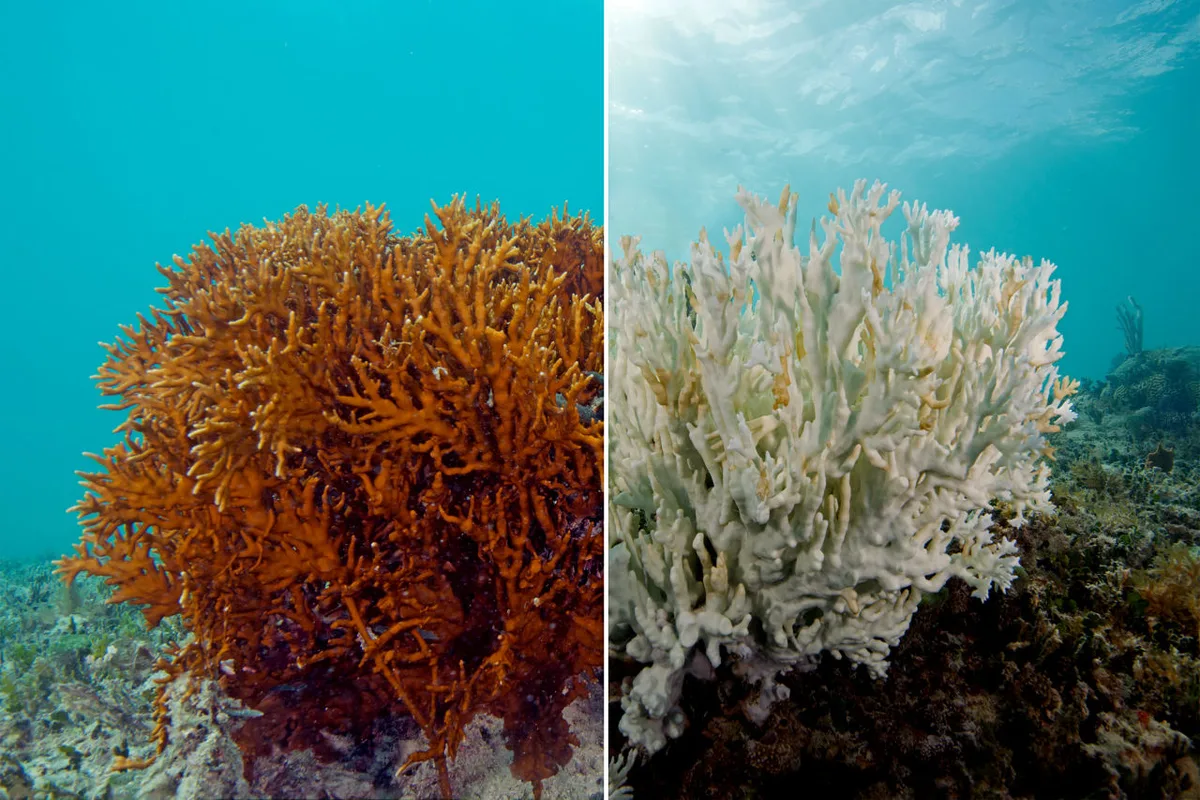
Small ecosystems don’t just fade away, they can flip from healthy to broken almost overnight. Tipping Points: When Small Ecosystems Collapse explains how these sudden shifts happen, often with little warning. One day a pond thrives with fish and plants, the next it’s a murky, lifeless pool.
Research shows that over 40% of assessed small wetlands have already crossed critical thresholds due to pollution and climate stress. Recognizing the signs early can mean the difference between recovery and permanent loss.
Quick Answer
Tipping points mark the moment a small ecosystem can’t bounce back. A single stressor like pollution or warming pushes it past a threshold. Once crossed, the system shifts to a new, often barren state.
Recovery is slow, expensive, or impossible.
What Exactly Is an Ecological Tipping Point?
An ecological tipping point is the threshold where a small change in conditions causes a rapid, often irreversible shift in an ecosystem. Think of it like a glass filling with water, add one more drop, and it overflows.
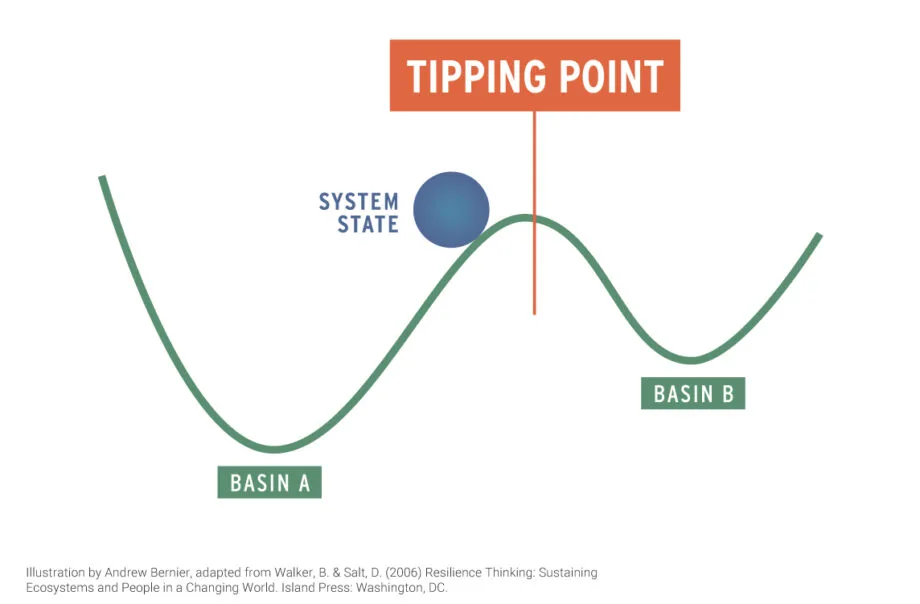
These shifts aren’t gradual. A coral reef might tolerate warming up to a certain temperature, but push it just a degree further, and the coral bleaches and dies. The system doesn’t just struggle, it collapses into a new state, like a forest turning into a grassland after a fire.
Scientists use the term regime shift to describe this permanent change. As of 2026, the IPCC warns that many small ecosystems are nearing these thresholds faster than previously predicted.
The Small Ecosystems Most at Risk (And Why They Collapse First)
Small ecosystems, ponds, wetlands, coral reefs, and grasslands, are particularly vulnerable. Their limited size means they have less buffer against stressors like pollution or temperature swings.
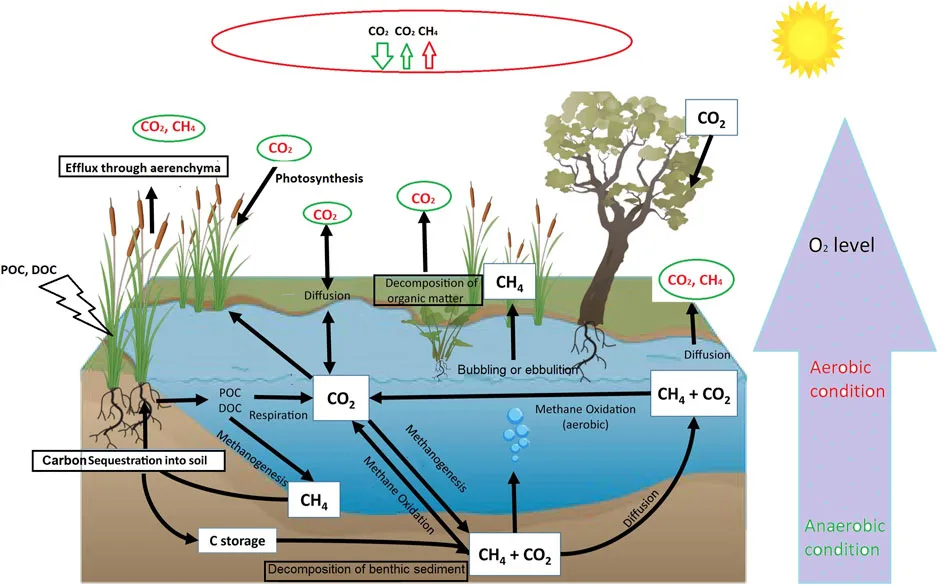
Wetlands, for example, act as natural filters, but nutrient runoff from farms can trigger algal blooms that choke out life. Coral reefs, already stressed by warming oceans, can bleach and die within weeks if temperatures rise just 1-2°C above their norm.
These ecosystems often collapse first because they’re tightly interconnected. Lose one keystone species, and the whole system can unravel.
How to Spot a Tipping Point Before It’s Too Late
Early warning signs are subtle but detectable. Look for increased variability in species populations, slower recovery after disturbances, or sudden spatial patterns like patchy die-offs.
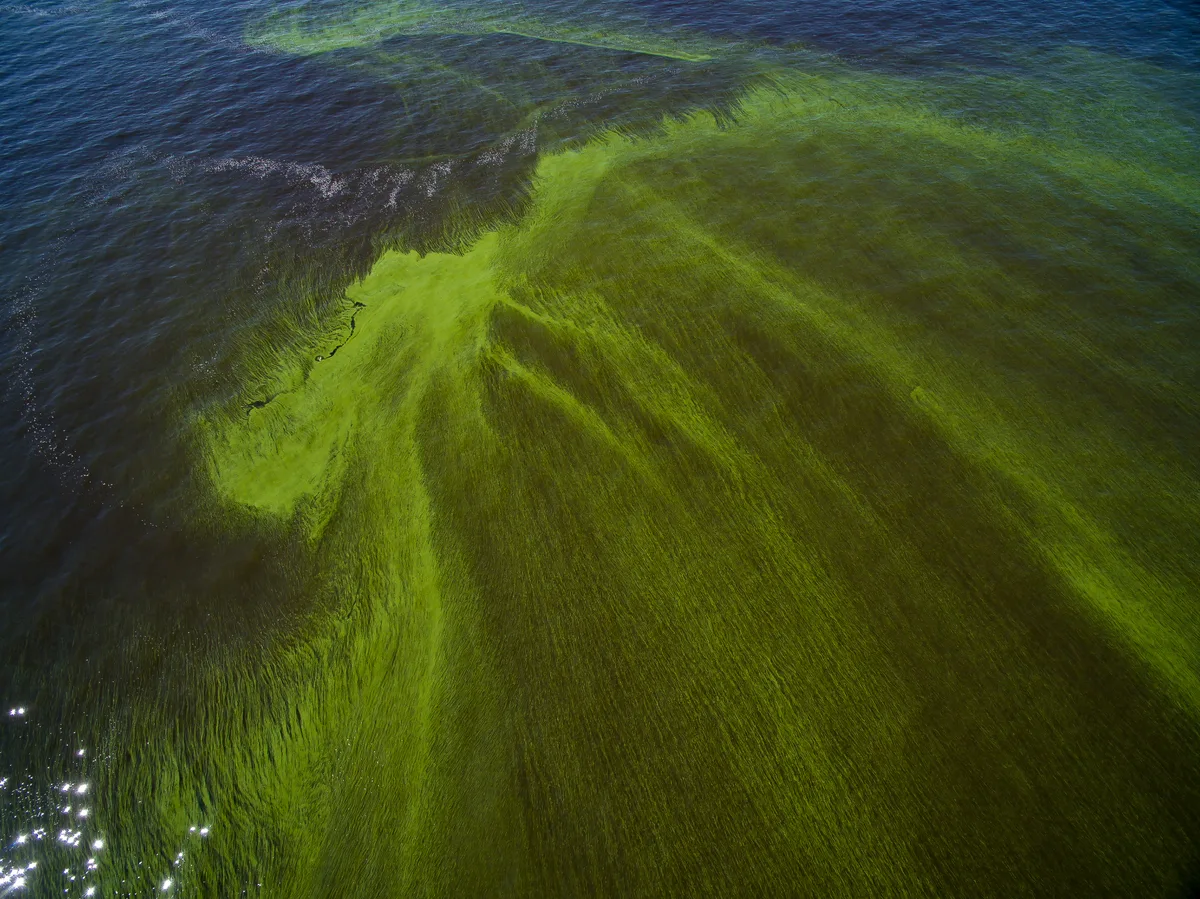
In lakes, a sudden spike in algae is a red flag. In forests, a rise in pest outbreaks or tree die-offs can signal stress. Scientists also monitor flickering, when a system oscillates between states before settling into a new, often less desirable one.
The key is consistent monitoring. Without baseline data, it’s hard to know what’s normal.
The 5 Most Common Triggers of Small Ecosystem Collapse
Several stressors push ecosystems to their breaking point:
- Pollution: Nutrient runoff causes algal blooms that deplete oxygen, killing fish and plants.
- Climate Change: Rising temperatures, droughts, or extreme weather disrupt delicate balances.
- Habitat Fragmentation: Roads, agriculture, and urban sprawl break ecosystems into isolated patches.
- Invasive Species: Non-native plants or animals outcompete locals, altering food webs.
- Overharvesting: Fishing, logging, or hunting beyond sustainable limits depletes key species.
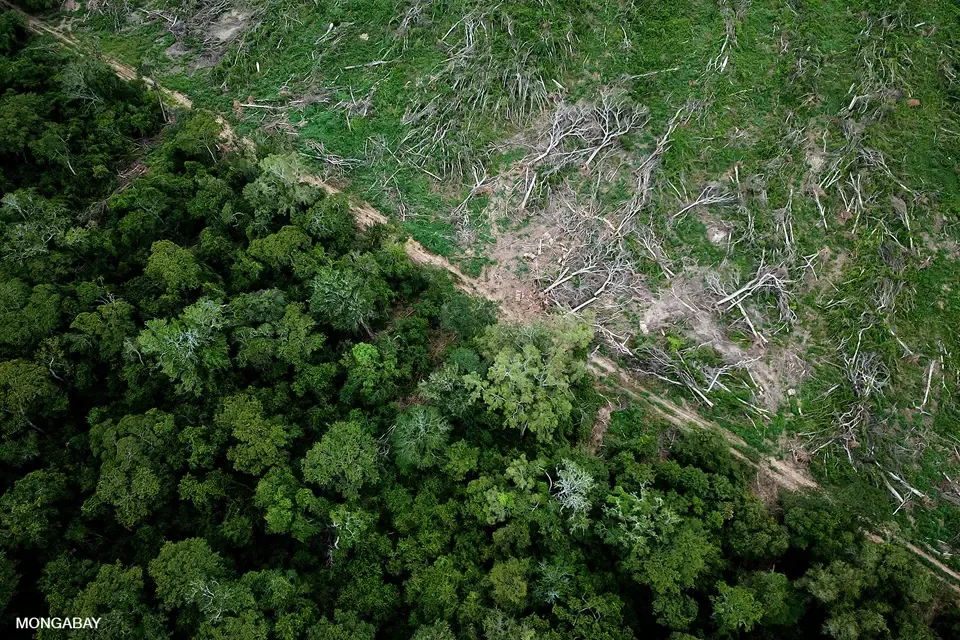
Each trigger can act alone or in combination. The USDA provides guidelines on managing these risks in agricultural and natural landscapes.
Real-World Examples: When Ecosystems Crossed the Line
The collapse of the Aral Sea is one of the most dramatic examples. Once the world’s fourth-largest lake, it shrank to 10% of its original size due to Soviet irrigation projects. By the 1990s, the ecosystem had passed its tipping point.
In Florida, the Everglades have lost over half their original area to drainage and development. Phosphorus pollution from sugar cane farms triggered catastrophic algal blooms. Restoration efforts now focus on rewetting the landscape, but full recovery remains uncertain.
Coral reefs in the Caribbean offer another stark case. A 2005 heatwave pushed many past their thermal threshold, causing widespread bleaching. Some reefs never recovered, shifting to algae-dominated systems.
Can a Collapsed Ecosystem Recover? The Hard Truth
Recovery is possible, but it’s slow, expensive, and not guaranteed.
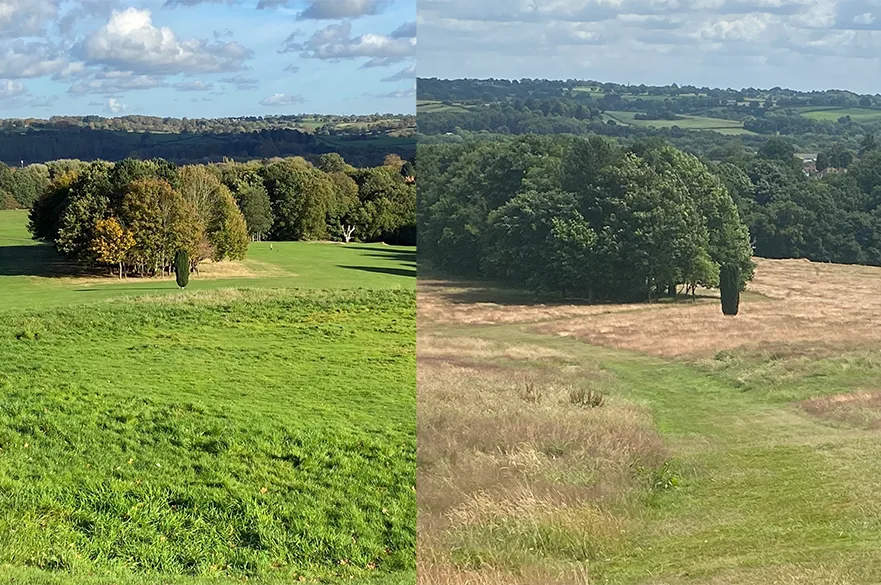
The key factors are time, resources, and removing the original stressors. For example, rewilding projects in Europe have successfully restored some grasslands by reintroducing keystone species like bison. But in cases where the soil or water chemistry has fundamentally changed, recovery becomes far more difficult.
Scientists emphasize that prevention is always better than cure. Once an ecosystem crosses its tipping point, the cost of restoration can be 10 to 100 times higher than the cost of protection.
How Scientists Predict and Prevent Tipping Points
Early detection relies on tracking key indicators. Researchers monitor species populations, water quality, and temperature trends to spot anomalies. Satellite imagery helps track large-scale changes like deforestation or algal blooms.
Prevention focuses on reducing stressors. This means limiting pollution, protecting keystone species, and restoring degraded habitats. The IPBES provides global assessments of biodiversity and ecosystem services to guide these efforts.
The most effective strategies combine science with policy. Marine protected areas have helped some coral reefs recover by limiting fishing and tourism.
What You Can Do (Even If You’re Not a Scientist)
Small actions add up. Reducing your carbon footprint, supporting sustainable products, and advocating for local conservation efforts all help. Even planting native species in your garden can provide habitat for pollinators.
Citizen science programs let you contribute directly. Apps like iNaturalist allow you to report observations that help researchers track ecosystem health.
Educate others about the importance of small ecosystems. Many people don’t realize how much we depend on wetlands for flood control or peatlands for carbon storage.
The Biggest Mistakes in Ecosystem Management
One common error is focusing on symptoms rather than root causes. Clearing algae from a lake won’t help if nutrient runoff continues.
Another mistake is assuming ecosystems can always bounce back. Some systems, like ancient forests or peatlands, take centuries to recover. Waiting too long to act can mean permanent loss.
Short-term economic gains often take priority over long-term sustainability. Logging a forest for profit might provide immediate benefits, but the long-term costs to biodiversity and climate regulation are far higher.
When to Sound the Alarm: Red Flags vs. False Alarms
Not every change signals a tipping point. Natural ecosystems fluctuate seasonally and annually. The key is looking for patterns that deviate from historical norms.
Red flags include rapid species declines, sudden shifts in vegetation, or water quality changes that persist over time. These often indicate a system under stress.
False alarms can occur when temporary conditions mimic collapse. A single hot summer might bleach some coral, but the reef may recover if temperatures return to normal.
The Role of Policy and Why It Often Fails
Policy can be a powerful tool for protection. Laws like the Clean Water Act have significantly reduced pollution in many areas.
Political short-termism is a major obstacle. Elected officials may prioritize immediate economic benefits over long-term environmental health. This can lead to underfunding of conservation programs.
International cooperation is essential but difficult. Ecosystems don’t respect borders, yet policies are often national or local. The UN Convention on Biological Diversity works to bridge these gaps.
When policies do succeed, it’s usually because they involve local communities in decision-making. Top-down approaches often fail because they don’t account for local knowledge and needs.
Why Ecosystem Tipping Points Matter (And What Happens When We Ignore Them)
Ignoring tipping points leads to irreversible damage. Once an ecosystem collapses, the services it provides, clean water, air, soil fertility, disappear.
The economic costs are staggering. The World Economic Forum estimates that biodiversity loss could cost the global economy $10 trillion by 2050. Prevention is far cheaper than trying to restore what’s already been lost.
Key Data: Thresholds You Should Know
Some ecosystems have well-documented thresholds. Coral reefs bleach when water temperatures rise just 1-2°C above their normal summer maximum. Wetlands can collapse when phosphorus levels exceed 0.5 mg/L.
Forests show stress when canopy loss exceeds 30%. Peatlands begin releasing stored carbon if water tables drop below 40 cm. Monitoring these thresholds allows for early intervention.
When to Seek Help
If you notice rapid changes in a local ecosystem, contact environmental agencies. Signs like sudden fish kills, algal blooms, or tree die-offs warrant immediate attention.
For professional assessments, reach out to organizations like the Nature Conservancy or local university ecology departments.
Frequently Asked Questions
Can a single species cause an ecosystem to collapse?
Yes. Keystone species like wolves or beavers play outsized roles. Remove them, and the entire food web can unravel.
How fast can an ecosystem collapse?
Some shifts happen within months. Coral bleaching events can kill reefs in weeks. Others, like forest die-offs, may take years.
Are all tipping points irreversible?
Not always, but recovery is difficult. Some systems can rebound with active restoration. Others, like drained peatlands, may never fully recover.
What’s the most effective way to prevent collapse?
Reduce stressors. Limit pollution, protect habitats, and manage resources sustainably. Prevention is always easier than restoration.








