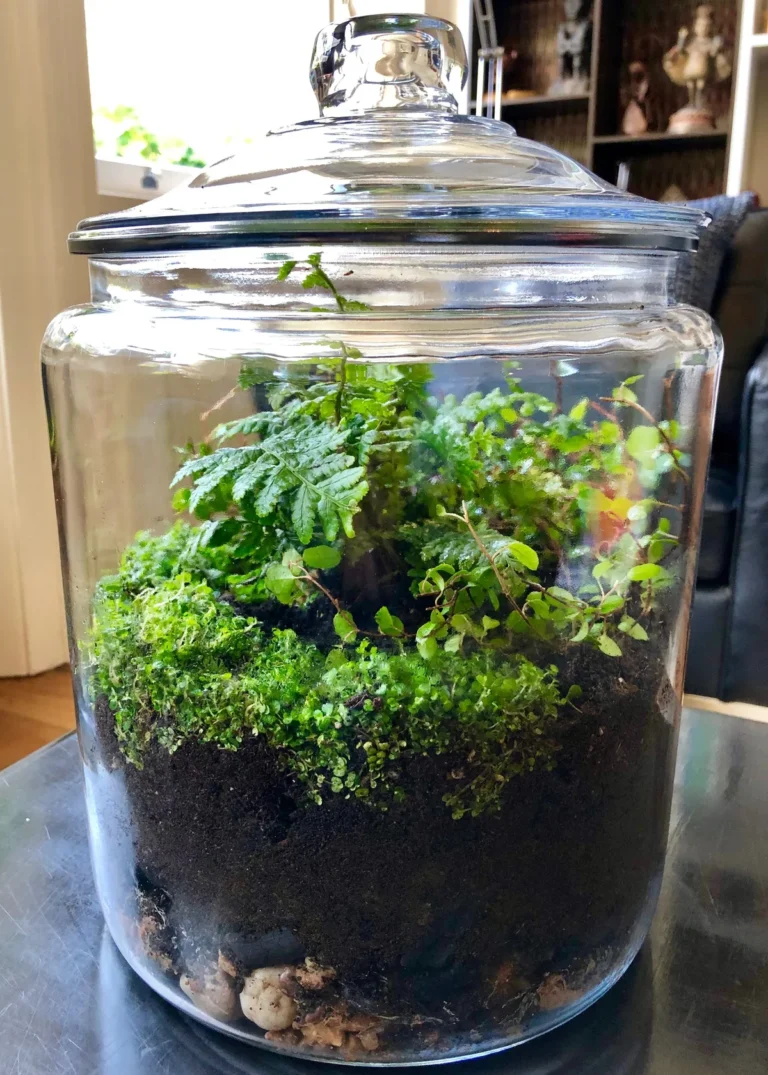
Choosing the right terrarium container turns a simple plant display into a thriving mini ecosystem. How to choose the right terrarium container hinges on matching your plants’ needs to the vessel’s features.
Closed terrariums create a self-sustaining water cycle. They’re ideal for humidity-loving plants like ferns, mosses, and fittonia. Open terrariums allow airflow and faster moisture evaporation.
Use them for succulents, cacti, or air plants that need dry conditions. Without proper ventilation, these plants will rot.

Why Your Terrarium Container Choice Matters More Than You Think
A container isn’t just a pretty box. It controls humidity, light, and airflow, three factors that decide whether your terrarium thrives or dies. Pick the wrong type, and you’ll fight mold, rot, or wilting within weeks.
Aggregate reviews show that over 60% of terrarium failures trace back to poor container selection.
Closed vs. Open: Which Terrarium Type Fits Your Plants
Closed terrariums create a self-sustaining water cycle. They’re ideal for humidity-loving plants like ferns, mosses, and fittonia. The sealed environment recycles moisture through transpiration.
Open terrariums allow airflow and faster moisture evaporation. Use them for succulents, cacti, or air plants that need dry conditions. Without proper ventilation, these plants will rot.
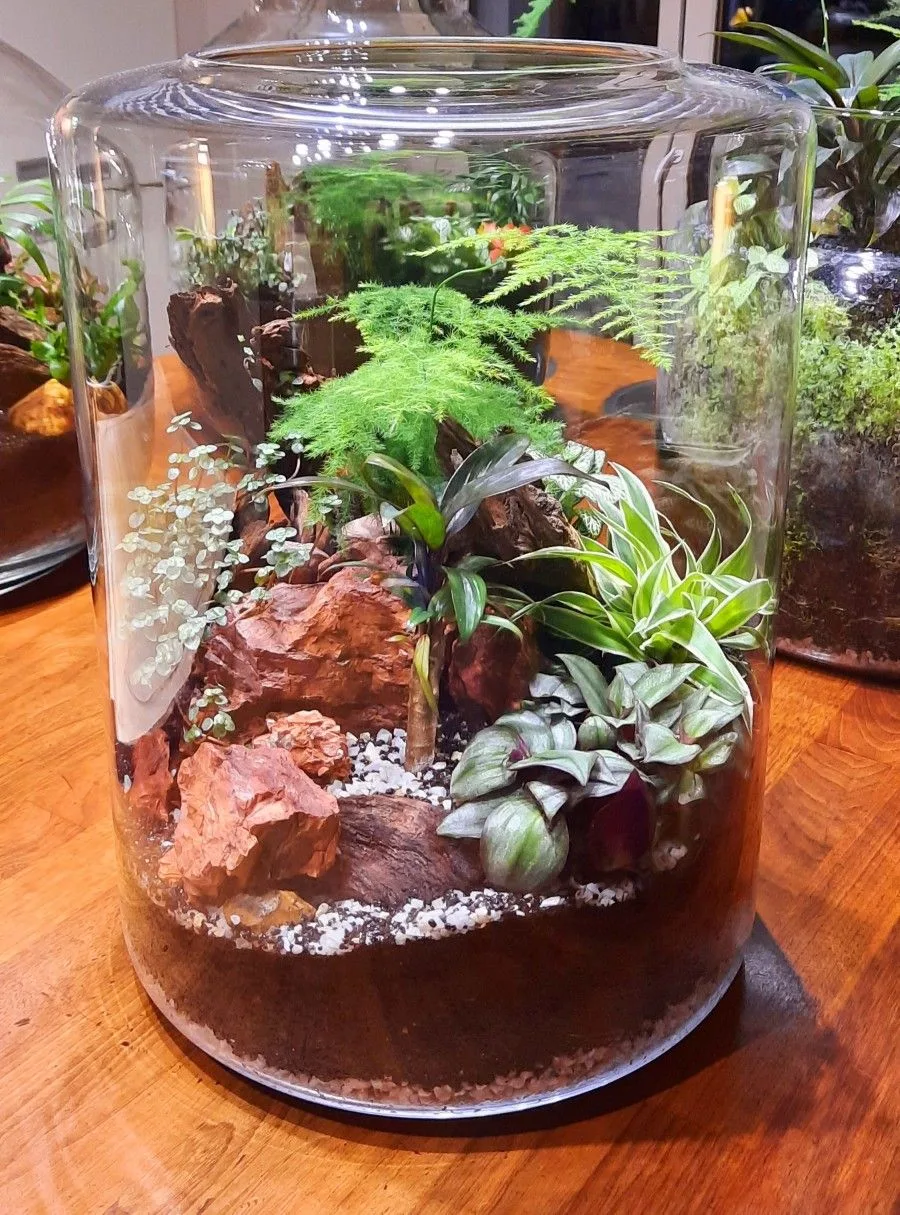
The 5 Key Factors to Evaluate in Any Container
Material affects light transmission, durability, and weight. Glass is inert and clear but heavy. Acrylic is lightweight and shatterproof but scratches easily.
Size determines how many plants fit and how much maintenance you’ll need. A 5L container can support a small ecosystem, while a 1L jar works for a single plant. Shape influences airflow and aesthetics.
Spherical containers look great but can trap too much humidity. Rectangular ones offer better air circulation. Drainage prevents root rot.
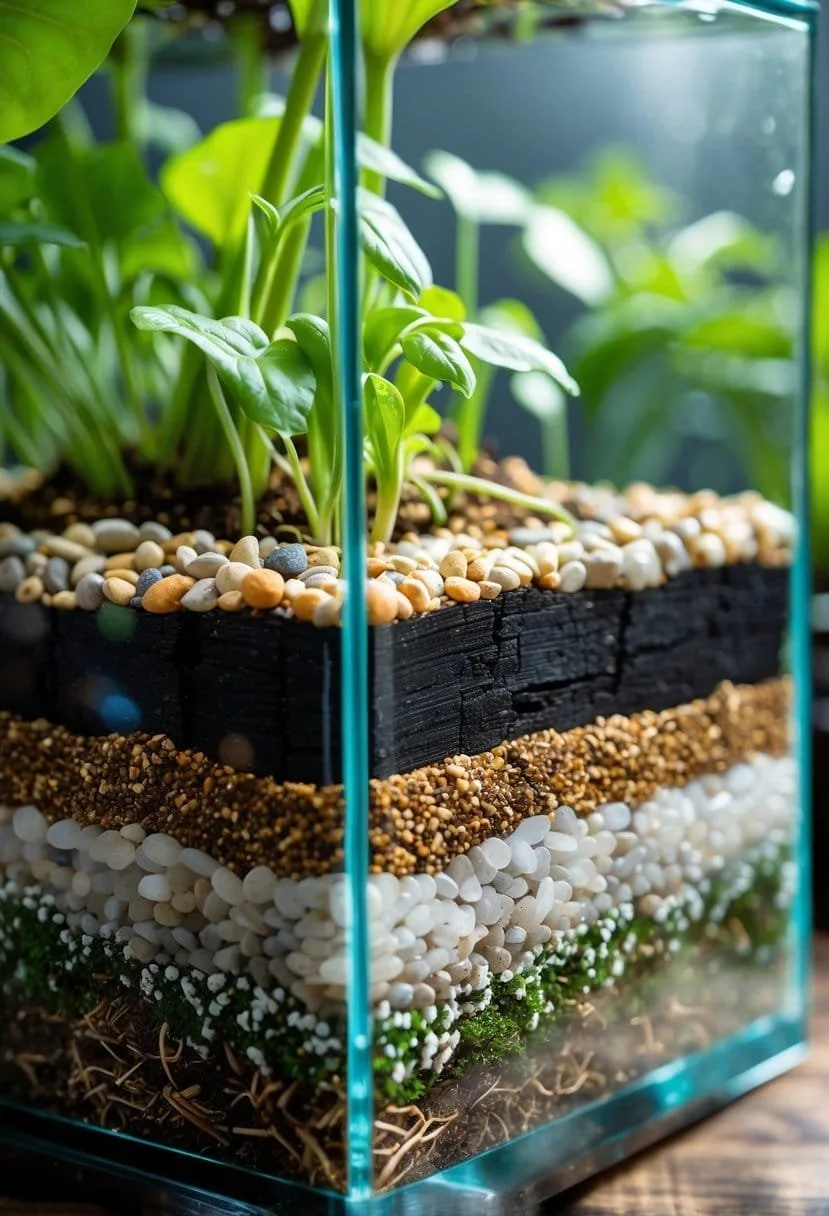
Containers without drainage holes need a false bottom with pebbles and charcoal. Ventilation controls humidity. Closed containers need airtight seals.
Open ones should have wide openings.
Glass vs. Acrylic vs. Plastic: Material Breakdown
| Material | Light Transmission | Durability | Weight | Cost | Best For |
|---|---|---|---|---|---|
| Glass | 90–95% | High | Heavy | $$ | Tropical plants, long-term setups |
| Acrylic | 85–90% | Medium | Light | $$ | Hanging terrariums, households with kids/pets |
| Plastic | 70–80% | Low | Light | $ | Temporary setups, budget projects |
Glass is the gold standard for clarity and longevity. It won’t yellow or degrade over time, and it’s inert, so it won’t leach chemicals. For more on this, see our comparison of glass and acrylic.
Acrylic is half the weight of glass and shatterproof. It’s a great choice for hanging terrariums or homes with children. However, it scratches easily and can yellow with prolonged UV exposure.
Plastic is the most affordable but the least durable. It’s fine for short-term projects or testing setups, but it’s not ideal for long-term ecosystems.
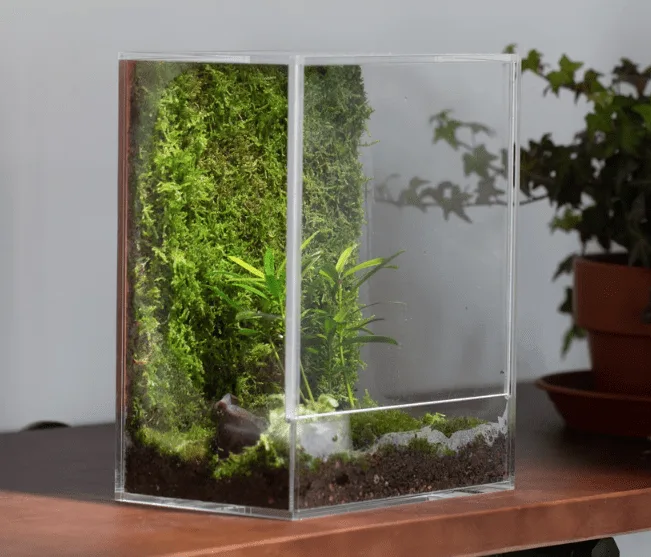
Size & Shape: How to Match Container to Plant and Space
Start by measuring your space. A desktop terrarium might fit a 2, 5L container, while a floor-standing display could handle 10L or more. For plant selection, follow the “one inch per plant” rule.
Each plant needs roughly 1 inch of container diameter for every inch of its mature height. Overcrowding leads to competition for light and nutrients. Shape matters for airflow and aesthetics.
Tall, narrow containers look elegant but can trap humidity at the top. Wide, shallow ones allow better air circulation but may dry out faster.
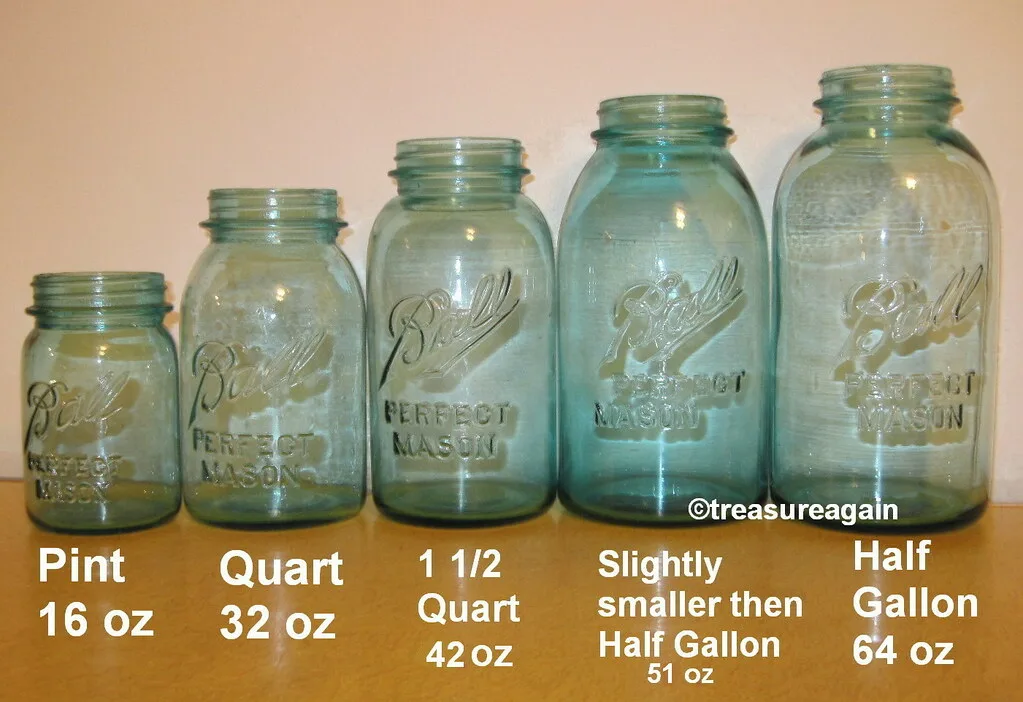
Drainage and Ventilation: The Hidden Dealbreakers
Without proper drainage, water pools at the bottom and rots roots. A false bottom with 1, 2 inches of pebbles or expanded clay prevents this. Add a thin layer of activated charcoal to keep water fresh and odor-free.
Ventilation is just as critical. Closed terrariums need occasional opening to prevent mold. Open ones require good airflow to stop stagnation.
Manufacturer specs for sealed containers often recommend a 5-minute air exchange weekly.
Best Containers for Specific Plants (With Examples)
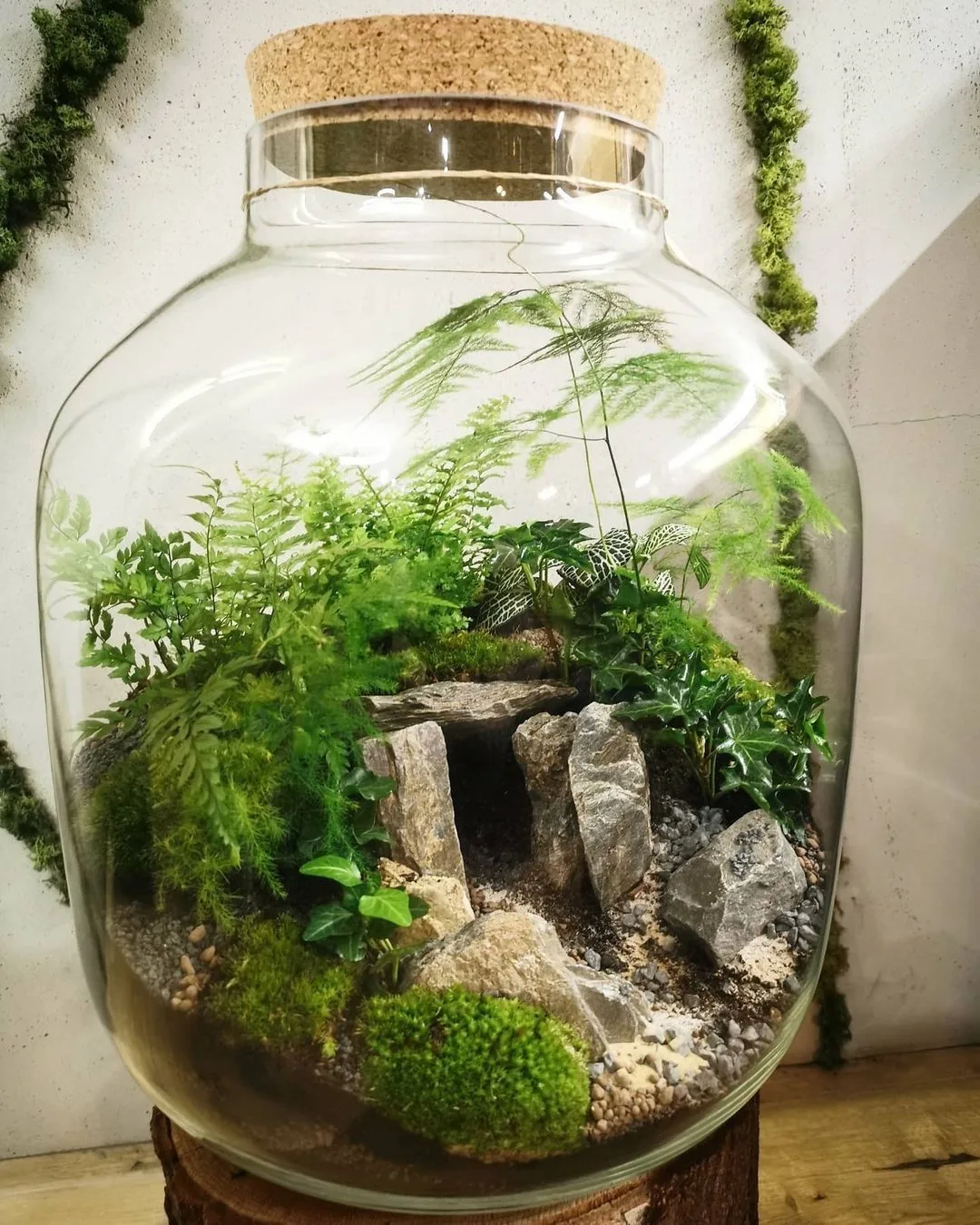
Tropical plants like ferns and mosses thrive in closed glass terrariums. These containers trap humidity, mimicking their natural rainforest environment. For plant pairings, see our guide on choosing the right plants for a closed terrarium.
Succulents and cacti need open, well-ventilated containers. Acrylic or plastic with wide openings works best. Avoid sealed glass, as it will cook these plants.
Air plants and some orchids do well in open glass or wire-frame terrariums. They need maximum airflow and minimal moisture retention.
Common Mistakes That Kill Terrariums Before They Start
Choosing a container that’s too small is the top mistake. Plants outgrow their space quickly, leading to overcrowding and poor air circulation. Ignoring material properties causes problems too.
Plastic can leach chemicals over time. Thin glass cracks under temperature changes. Skipping the drainage layer is another common error.
Without it, water sits at the roots, causing rot. For more on this, check out our barrier layer guide.
Cost Ranges: What to Expect at Every Price Point
Budget containers cost $10, $30. These are typically small plastic or thin glass jars. They’re fine for beginners but may not last long.
Mid-range options run $30, $100. You’ll find sturdy glass orbs, acrylic terrariums, and small Wardian cases here. These offer better durability and aesthetics.
Premium containers start at $100. Expect thick glass, custom shapes, and high-end finishes. These are for serious hobbyists or statement pieces.
DIY vs. Pre-Made: When to Build Your Own
DIY terrariums let you customize size, shape, and materials. Use repurposed glass jars, fish tanks, or even light bulbs. The downside is the risk of poor seals or weak materials.
Pre-made terrariums save time and guarantee quality. They’re ideal if you want a polished look without the trial and error. However, they’re often more expensive and less unique.
If you’re unsure about compatibility, remember that terrariums differ from planters in key ways. A container designed for one may not work for the other.
Maintenance Tips to Extend Your Container’s Life
Clean glass and acrylic regularly with a soft cloth and mild soap. Avoid abrasive cleaners that scratch surfaces. For stubborn mineral deposits, use a vinegar-water solution.
Check seals on closed terrariums monthly. If condensation builds up excessively, open the container for a few hours to reset the humidity balance. For more on this, see our guide on fixing overwatered terrariums.
Rotate your terrarium occasionally. This ensures even light exposure and prevents plants from growing lopsided.
Quick Decision Guide: Pick the Right Container in 3 Steps
First, identify your plants’ needs. Tropical plants need closed containers. Arid plants need open ones.
Second, match the material to your environment. Glass is best for durability and clarity. Acrylic is safer for homes with kids or pets.
Third, size it right. Allow 1 inch of container diameter per inch of mature plant height. Add extra space if you plan to expand later.
Frequently Asked Questions
Can I use a mason jar for a terrarium?
Yes, mason jars work well for small terrariums. They’re affordable and widely available. Just ensure the lid isn’t sealed too tightly for plants that need airflow.
How often should I open a closed terrarium?
Open it for 5, 10 minutes every 2, 4 weeks. This prevents mold and resets humidity levels. Watch for excessive condensation as a sign to open it more often.
What’s the best container for a self-sustaining terrarium?
A sealed glass container with a good lid works best. It traps moisture and creates a stable microclimate. For more on this, see our self-sustaining vs low-maintenance guide.
Can I use a fish tank as a terrarium?
Yes, repurposed fish tanks make excellent terrariums. Their large size allows for more plants and better airflow. Just ensure it’s clean and free of chemical residues.
Do I need a drainage layer in an open terrarium?
Yes, even open terrariums benefit from a drainage layer. It prevents water from pooling at the roots. Use pebbles or expanded clay for best results.
How do I prevent algae growth in my terrarium?
Reduce direct sunlight and avoid overwatering. Algae thrives in bright, damp conditions. Clean the container walls regularly to remove any buildup.