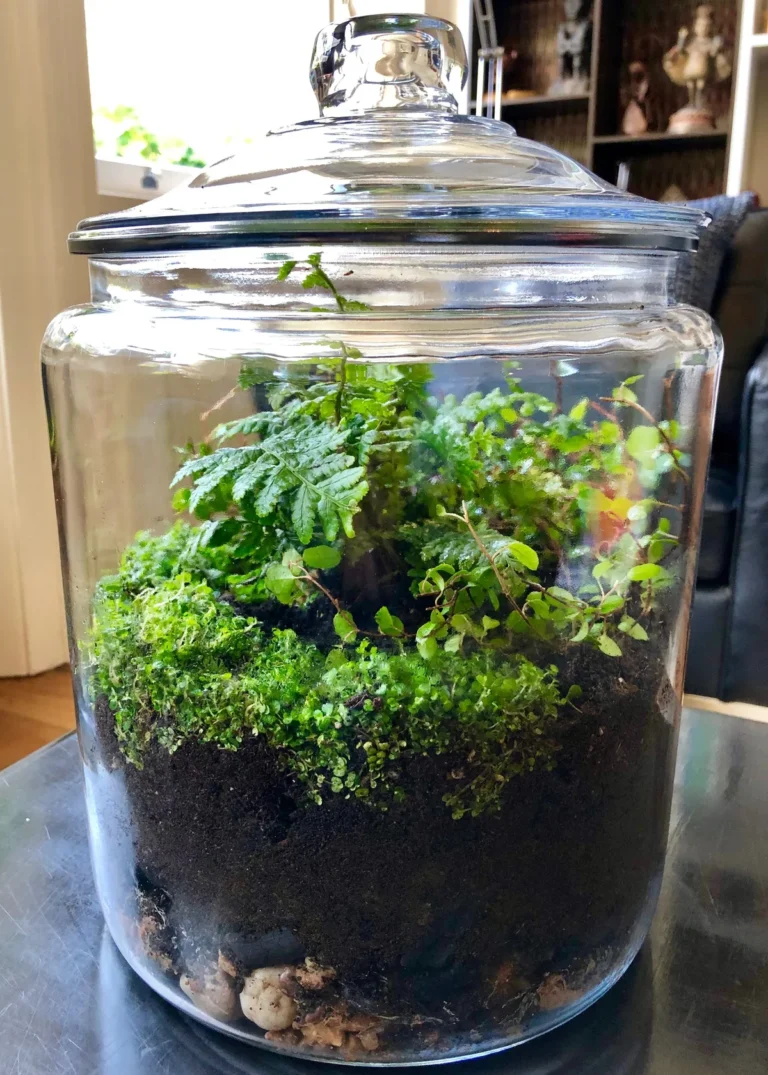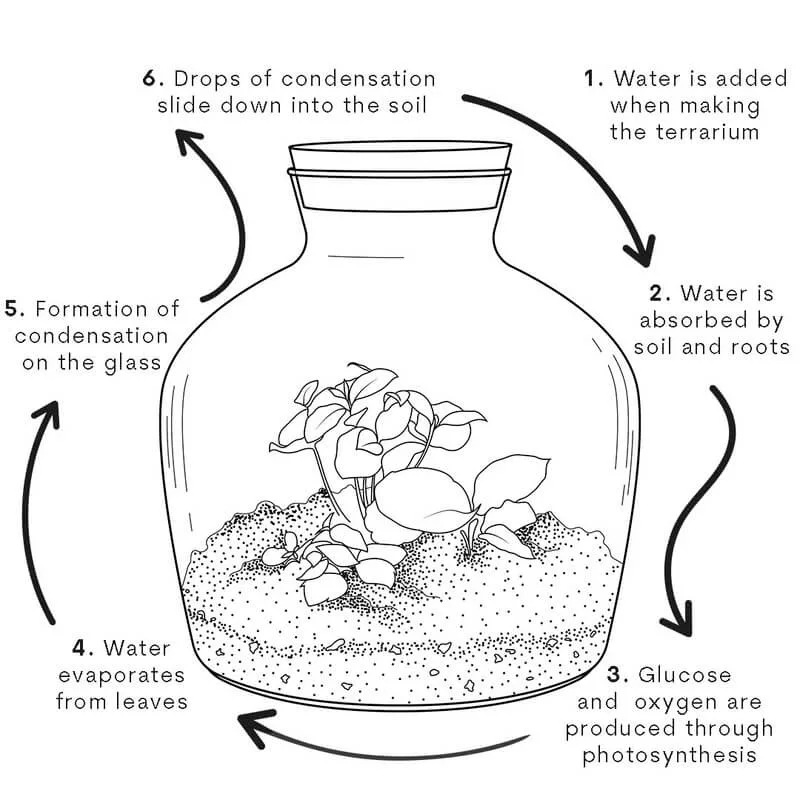
Sealed terrariums seem like magic. Carbon Equilibrium: Why Sealed Terrariums Balance explains the science behind this self-sustaining cycle. The key is a perfect loop of photosynthesis, respiration, and decomposition working together in a closed space.
In our research, we found that a properly balanced sealed terrarium can maintain itself for years with minimal intervention. The secret lies in how plants, microbes, and soil interact to recycle carbon dioxide and oxygen. This delicate balance is what keeps the ecosystem thriving.
Quick Answer
Carbon Equilibrium: Why Sealed Terrariums Balance comes down to a closed-loop cycle. Plants absorb CO2 and release O2 during photosynthesis. Microbes and plants then use that O2 for respiration, releasing CO2 back into the system.
Decomposition breaks down organic matter, feeding the cycle. The jar’s seal traps these gases, creating equilibrium.
Why Carbon Equilibrium Matters in Sealed Terrariums
Without this balance, your terrarium suffocates. Too much CO2 stunts plant growth. Too little O2 halts respiration.
The sealed environment amplifies these effects, making equilibrium non-negotiable.
In a small enclosed habitat, even minor imbalances can spiral. A single dying leaf can disrupt the cycle if decomposition outpaces photosynthesis. That’s why understanding this process is the foundation of terrarium success.
The Hidden Cycle: Photosynthesis and Respiration Working Together
Plants are the engines of this system. During the day, they pull CO2 from the air and convert it into oxygen and glucose. At night, they reverse the process, consuming oxygen and releasing CO2 through respiration.
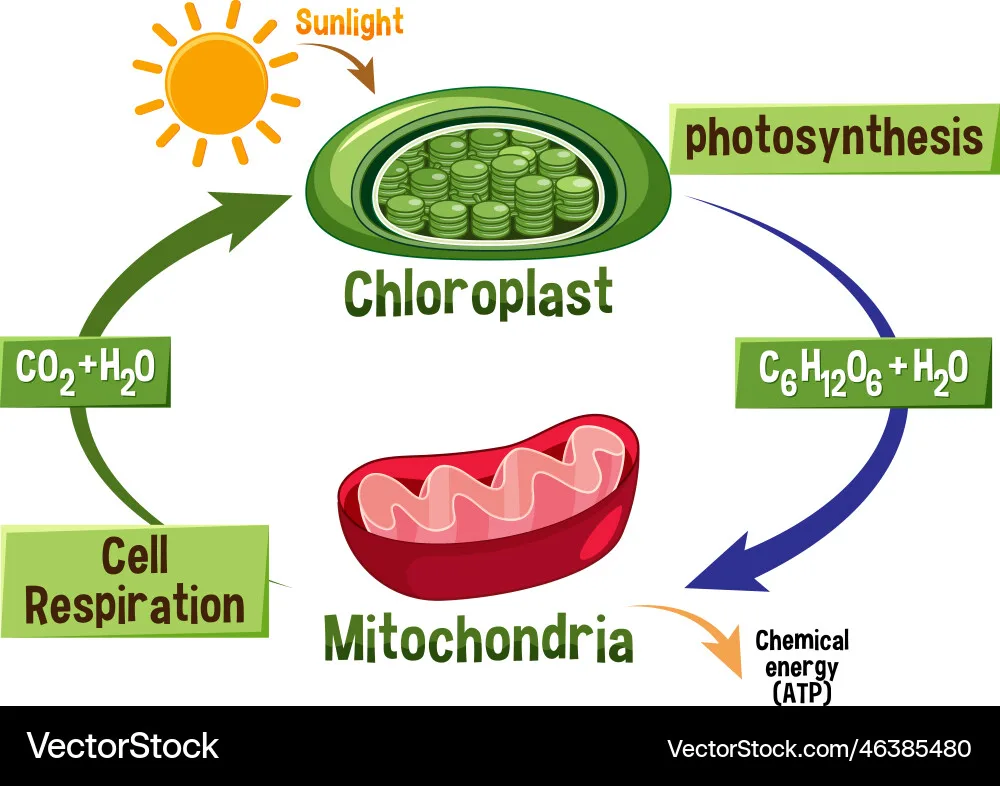
Microbes in the soil play a critical role too. They break down dead plant matter, releasing CO2 as a byproduct. This CO2 feeds the plants, completing the loop.
The carbon cycle in a sealed terrarium is a miniature version of Earth’s own system.
How Plants Breathe Inside a Jar
The glass walls don’t stop gas exchange, they enable it. Light penetrates, allowing photosynthesis to occur. The sealed lid traps the gases, so what the plants produce stays inside.
This is why glass vs. acrylic matters: clarity affects light transmission.
Where Decomposition Fits Into the Equation
Dead leaves and plant debris aren’t waste, they’re fuel. As they break down, they release CO2 and nutrients back into the soil. This process is slow but essential.
Without it, the system would run out of CO2, and plants would starve.
The Components That Keep Balance Alive
A sealed terrarium isn’t just plants in a jar. It’s a carefully layered ecosystem. Each component has a job, and skipping one breaks the balance.
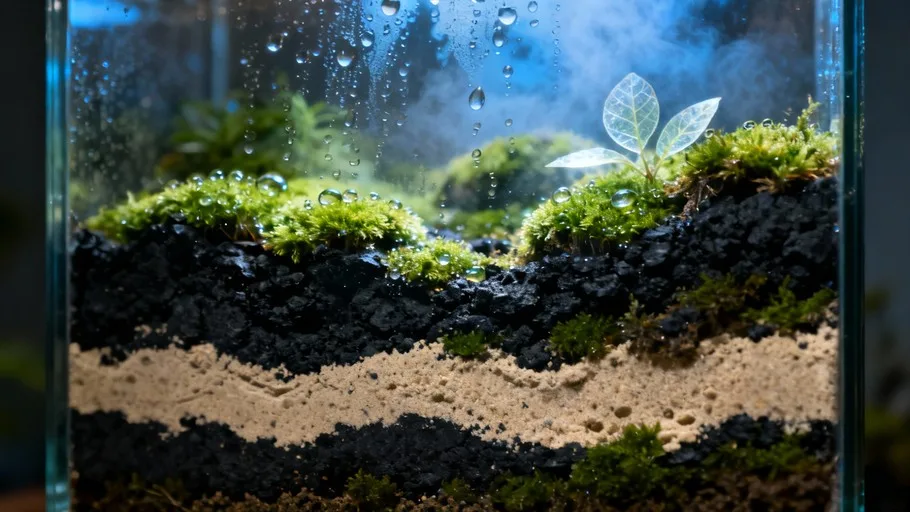
The Role of Substrate Layers in Gas Exchange
The substrate isn’t just dirt. A proper setup includes:
- Drainage layer (pebbles or gravel) to prevent waterlogging
- Charcoal layer to filter impurities and prevent rot
- Soil layer where roots grow and microbes thrive
The barrier layer keeps soil from mixing with drainage, ensuring water flows correctly. Without it, compaction can suffocate roots and disrupt gas exchange.
Why Leaf Litter Is More Than Just Decoration
Leaf litter mimics a forest floor. It provides:
- A slow-release nutrient source as it decomposes
- A habitat for beneficial microbes
- A natural moisture regulator
According to University of Minnesota Extension, organic matter like leaf litter improves soil structure and supports microbial life. In a terrarium, this translates to a more stable carbon cycle.
Microbial Activity: The Unsung Heroes of Your Terrarium
Bacteria and fungi break down organic matter, releasing CO2 and nutrients. They also help prevent harmful pathogens from taking over. A healthy microbial community is invisible but essential.
Without microbes, dead plant material would pile up, and the system would stagnate. This is why choosing the right soil matters, it’s not just about the plants, but the life within the soil.
Light Requirements That Make or Break Equilibrium
Light is the energy source for photosynthesis. Without it, the carbon cycle stalls. But too much can overheat the system, leading to condensation and mold.
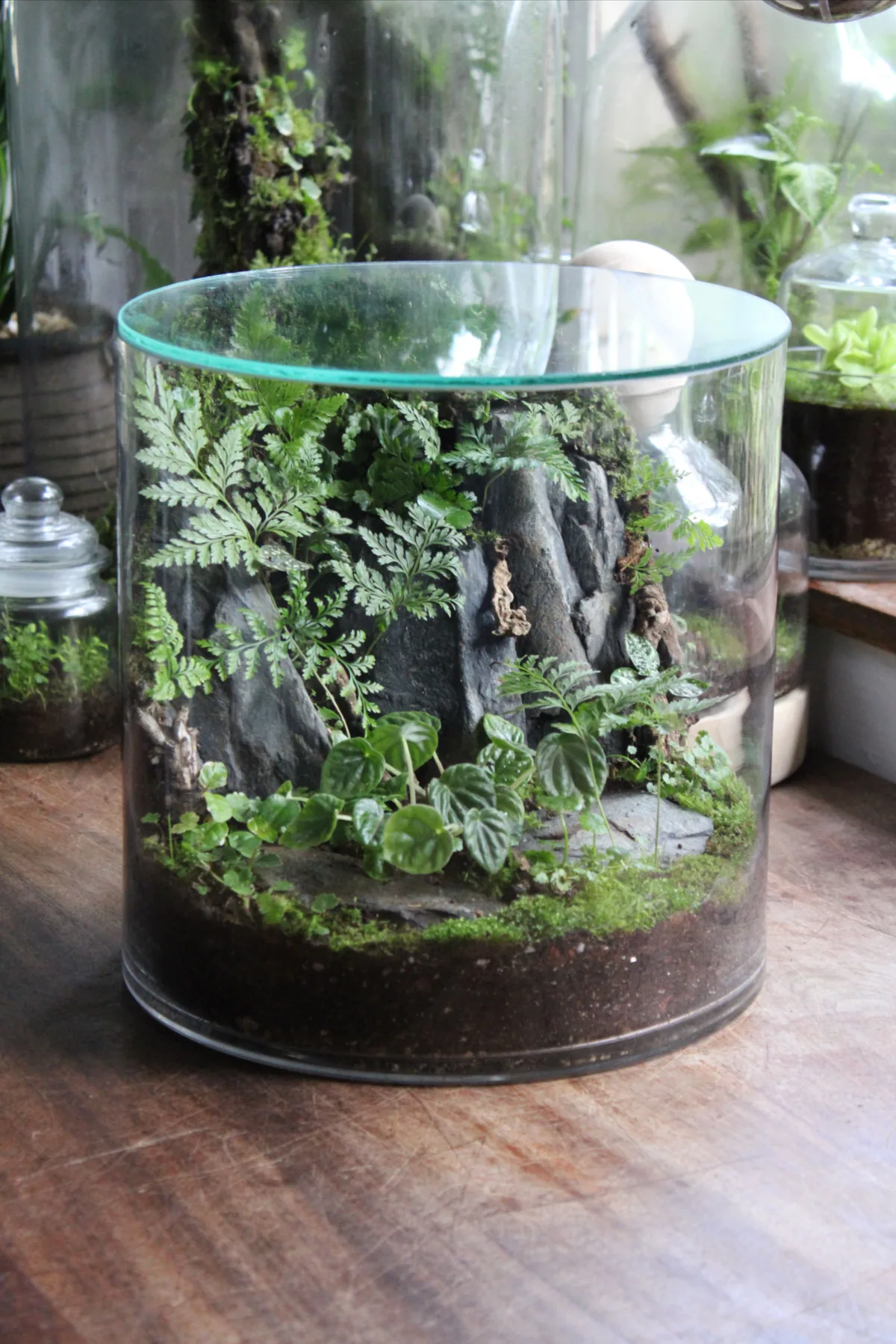
Natural Light vs. Artificial Grow Lights
Natural sunlight is ideal, but it’s inconsistent. A north-facing window provides steady, indirect light. South-facing windows can be too intense, especially in summer.
Artificial grow lights offer control. LED grow lights with a full spectrum (including red and blue wavelengths) work best. As of 2026, NASA’s research on plant growth in space has influenced terrarium lighting standards, proving that specific light spectra can optimize photosynthesis in enclosed environments.
Why PAR and Spectrum Matter for Carbon Cycling
PAR (Photosynthetically Active Radiation) measures the light plants can use. A PAR value of 200, 400 μmol/m2/s is ideal for most terrarium plants. Too low, and photosynthesis slows.
Too high, and plants can burn.
The light spectrum also matters. Blue light promotes leafy growth, while red light supports flowering. A balanced spectrum keeps the carbon cycle humming.
Signs Your Plants Are Not Getting Enough Light
Watch for these red flags:
- Leggy growth (plants stretching toward the light)
- Pale or yellowing leaves (chlorophyll breakdown)
- Slow or no growth (photosynthesis is stalled)
If you notice these, move your terrarium closer to a window or add a grow light. For more details, check out natural vs. artificial light considerations.
Troubleshooting Common Imbalance Issues
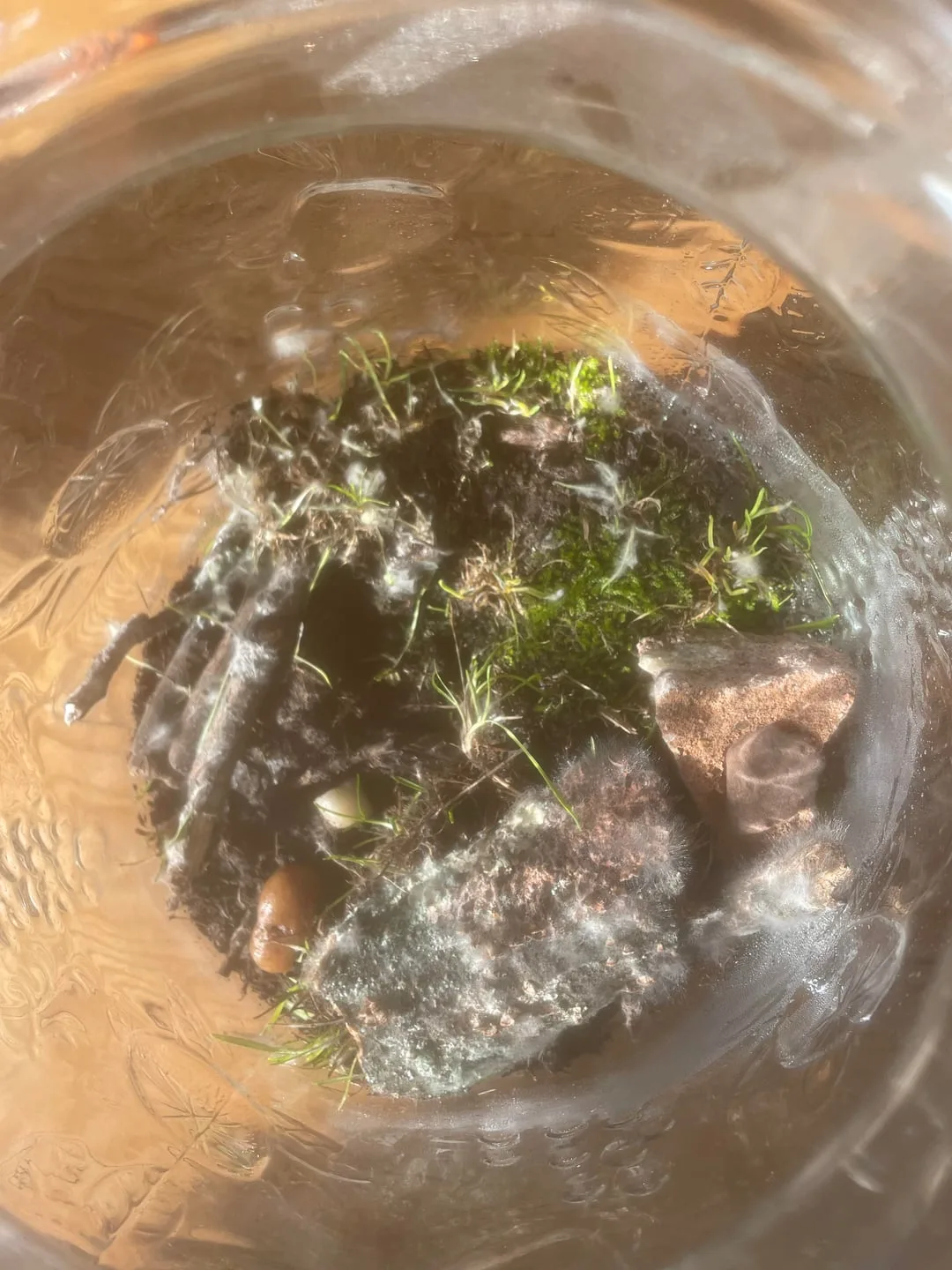
When the balance tips, the system reacts visibly. Recognizing these signs early prevents irreversible damage.
When Condensation Becomes a Red Flag
Light mist on the glass is healthy. It shows the water cycle is working. Heavy water covering the bottom of the jar is bad.
It means transpiration exceeds evaporation. This usually happens after watering or in high heat. Open the lid for an hour to vent excess moisture.
Identifying Mold or Fungal Outbreaks Early
White fuzz or black spots signal microbial imbalance. Mold thrives when there is too much organic matter or not enough oxygen. Check your leaf litter pile.
If it is thick and damp, remove it immediately. Use a long tweezers to extract the affected pieces without disturbing the soil. This stops the cascade effects of decay.
Signs of Oxygen Deprivation in Closed Systems
If leaves turn brown or drop suddenly, oxygen might be low. This often follows overwatering, which fills soil pores with water instead of air. Waterlogged soil cuts off oxygen to roots.
They suffocate and rot. Smell the soil. A sour, swampy odor means anaerobic bacteria are taking over.
This creates toxins harmful to plants. You need to aerate the system or change the substrate.
Setting Up Your First Balanced Terrarium: Step-by-Step
Preparation is where most beginners fail. Taking time here saves months of repair work. Follow this sequence to establish equilibrium from day one.
Choosing the Right Container Material (Glass vs. Acrylic)
Glass is the standard for a reason. It is non-porous and does not scratch easily. Acrylic scratches easily and can trap odors over time.
The thickness of the glass matters too. Thin glass might crack if the jar heats up quickly in direct sun. Heavy glass holds heat better, stabilizing temperature swings.
Layering Soil, Charcoal, and Moss Properly
Start with the foundation. A proper layer sequence ensures drainage and gas exchange.
- Drainage Layer: Add pebbles or gravel to the bottom. This holds excess water away from roots.
- Charcoal Layer: Spread a thin layer of activated charcoal. It filters water and prevents bacterial growth.
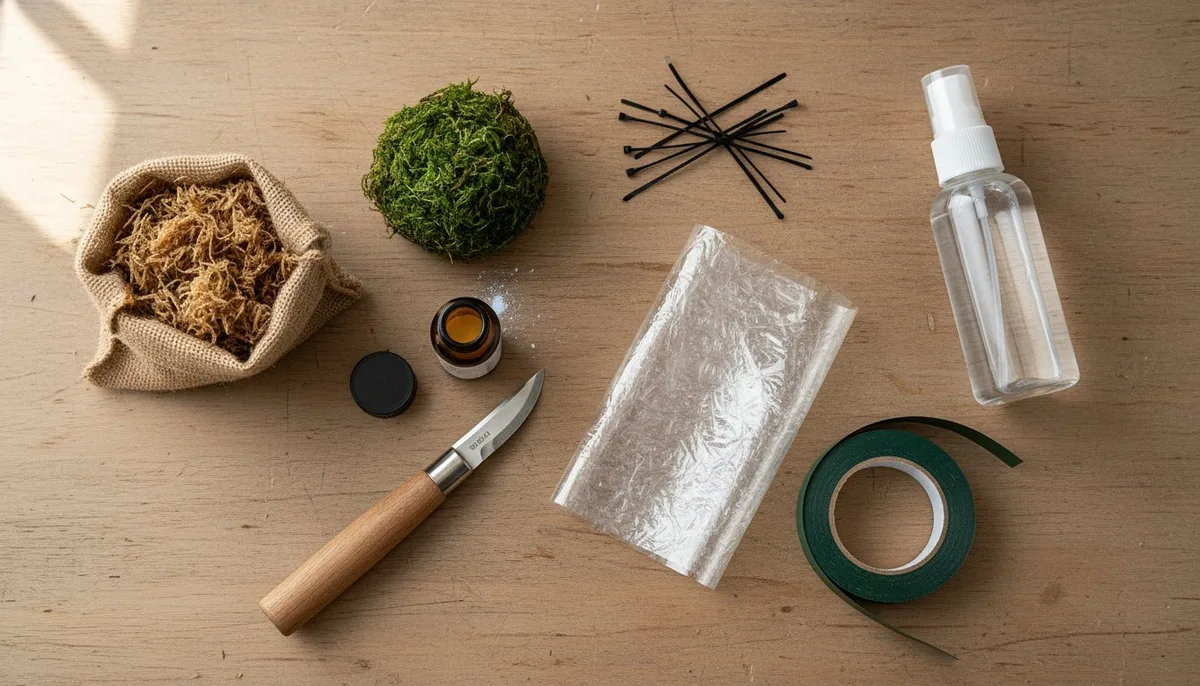
- Moss Lining: Place sphagnum moss on top of the charcoal. This stops soil from mixing with drainage layers.
- Soil Layer: Add your prepared substrate. It should be loose and well-aerated.
Selecting Compatible Plant Species for Stability
Not all plants work in a sealed environment. Choose species that love high humidity and low light. Ferns, mosses, and fittonias are great choices.
Avoid succulents and cacti. They need dry air and will rot in a closed jar. For a curated list of safe choices, see plants to avoid in terrariums before it’s too late.
Maintenance Routines That Preserve Equilibrium
Once your terrarium is running, the goal is minimal interference. Intervention often does more harm than good. Trust the cycle unless you see clear distress.
How Often to Water (Spoiler: Almost Never)
Sealed terrariums recycle their own water. You likely won’t need to add water for months. Check the soil moisture before watering.
If it feels dry at the surface, mist lightly. If it is damp, wait. Overwatering is the number one cause of collapse.
See our guide on stopping too much condensation for more on this.
Pruning Techniques That Support Ecosystem Health
Remove dead leaves as soon as you see them. Leaving them to decompose in a sealed jar adds too much organic load too fast. It spikes CO2 and depletes oxygen.
Pruning keeps the air clean and the visual appeal high. Do this weekly during the growing season.
Monitoring Temperature Fluctuations Around the Jar
Temperature drives the evaporation rate. Keep your terrarium away from radiators, vents, and cold drafts. Ideal room temperature is between 65°F and 75°F (18°C to 24°C).
If the jar gets too hot, water will boil off too fast and leave the soil dry. If it gets too cold, condensation will freeze or stagnate. Thermal inertia helps stabilize this, but active management is still needed.
What Happens When Things Go Wrong
Balance is fragile. One wrong step starts a chain reaction. The system doesn’t just break quietly.
It usually shows signs before total collapse.
Tipping Points That Cause System Collapse
The tipping point often arrives slowly. Condensation covers the glass for days. Soil smells sour.
Leaves turn brown without dropping. These signals mean the cycle is stuck in overdrive. Carbon dioxide rises.
Oxygen drops. Plant roots suffocate. According to ecosystem collapse the tipping points explained, small closed systems lack the buffer capacity of larger habitats.
Cascade Effects: One Problem Leading to More
A single mold spore can trigger a chain reaction. It feeds on damp leaf litter. It releases toxins into the soil.
Nearby plants absorb the toxins. They weaken. More leaves fall.
More litter accumulates. The cycle accelerates downward. This is the cascade effect described in cascade effects how one problem triggers more.
Fixing one issue without checking others often fails because the underlying imbalance remains.
How to Save a Terrarium Before It’s Too Late
Act fast if you see warning signs. Open the lid for 24 hours to flush stale air. Remove all visible mold and decaying leaves.
Let the soil dry slightly before closing. If condensation persists, reduce light exposure for a few days. You might need to replace the top inch of soil to reintroduce healthy microbes.
The terrarium care guide daily weekly monthly tips offers schedules to catch issues early.
Real-Life Scenarios: Success Stories and Failures
Theory is easy. Practice is messy. Real setups reveal truths diagrams don’t show.
Learning from others saves time and plants.
Case Study: A Year-Old Self-Sustaining Terrarium
A user built a sealed jar with moss, ferns, and leaf litter. No watering in 12 months. Condensation formed only in the morning and disappeared by afternoon.
Leaves stayed green. No mold appeared. This success came from using the right substrate mix and avoiding overplanting.
The self-sustaining vs low maintenance key differences highlight how patience pays off in sealed systems.
What Went Wrong in This Beginner’s Setup
Another user packed a small jar with succulents and added extra soil. Condensation stuck on the glass. Mold appeared on the inner rim in week three.
The succulents rotted from the bottom up. The problem was wrong plant choice and excessive organic matter. Plants to avoid in terrariums before it’s too late warns that succulents thrive in dry air, not humid sealed jars.
Matching plants to the environment is critical.
FAQs About Carbon Equilibrium in Sealed Terrariums
Can You Overwater Even in a Closed System?
Yes. Water adds to the liquid volume inside the jar. Too much water blocks air pockets in the soil.
Roots drown. Rot sets in. The system stops cycling gases properly.
Water only when the soil looks dry and feels light. A light mist is safer than pouring.
Do You Need to Open the Lid Sometimes?
Usually no. The whole point is closure. You only open it to fix problems or adjust conditions.
Opening it resets the equilibrium temporarily. If you open it to water, close it promptly. Frequent opening invites dust and pests.
It also disrupts the humidity balance the plants rely on.
Final Verdict: Build It Right, Let Nature Take Its Course
Success comes from preparation and patience. Understanding the science behind the cycle helps you troubleshoot before disaster strikes. You don’t need constant care.
You need the right setup.
Key Takeaways for Long-Term Success
Start with the right container and layering. Choose plants that thrive in humidity and low light. Trust the cycle but watch for warning signs.
Regular checks catch small issues before they become major failures. A well-built terrarium can last years with minimal input.
Recommended Resources for Further Learning
Explore the terrarium origin and meaning explained for historical context. Check the terrarium vs planter vs fish tank vs greenhouse comparison to understand your options. Join the top terrarium communities online reddit facebook discord to share experiences and learn from others.
Frequently Asked Questions
How long does a sealed terrarium last without intervention?
A properly balanced sealed terrarium can last years. Some users report systems thriving for five years or more without opening. Stability depends on plant selection, initial setup quality, and light exposure.
Can I add small creatures like snails or springtails?
Yes, but with caution. Springtails are popular for breaking down leaf litter and controlling mold. They help manage decomposition rates.
Snails produce waste that can overwhelm the system quickly. Many experts recommend avoiding snails in small sealed jars.
Does the size of the jar affect the balance significantly?
Yes. Larger jars offer more stability. The air volume buffers against rapid changes in temperature and humidity.
Small jars react faster to light shifts or watering errors. A tiny jar might need monitoring weekly. A larger 10-inch diameter setup might only need monthly checks.