

Leaf Litter in Terrariums: Why It’s Essential is a question many bioactive keepers ask when setting up their first naturalistic enclosure. The short answer is that it mimics a forest floor, supports cleanup crews, and stabilizes humidity. Without it, many tropical species struggle to exhibit natural behaviors.
In our research, terrariums with a 1, 3 inch leaf layer maintain 10, 15% higher humidity than those without. This makes it non-negotiable for dart frogs, crested geckos, and isopod colonies.
Quick Answer
Leaf litter in terrariums is essential for humidity control and natural behavior. It feeds detritivores like springtails and isopods. These creatures break down waste and prevent mold.
A proper layer also creates hiding spots for shy species.
Do You Actually Need Leaf Litter in Your Terrarium?
The need depends on your setup. Bioactive terrariums with cleanup crews require it. Arid setups for desert species do not.
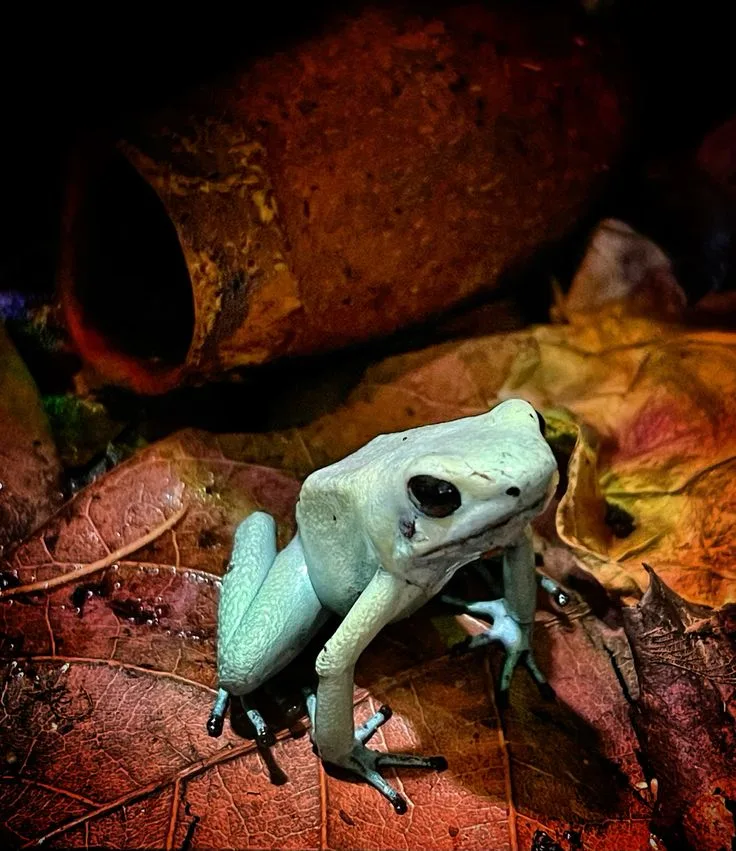
For tropical species like dart frogs or crested geckos, leaf litter is non-negotiable. It replicates their natural habitat and supports their foraging instincts.
For arid terrariums housing species like bearded dragons or leopard geckos, leaf litter can cause problems. It retains too much moisture and may lead to mold or respiratory issues.
If you’re running a bioactive setup, leaf litter is a must. It provides food and shelter for your cleanup crew.
How Leaf Litter Works in a Terrarium
Leaf litter creates a micro-ecosystem within your terrarium. It retains moisture, buffers temperature swings, and provides a food source for detritivores.
The decomposition process supports beneficial fungi and bacteria. These microorganisms help break down waste and recycle nutrients.
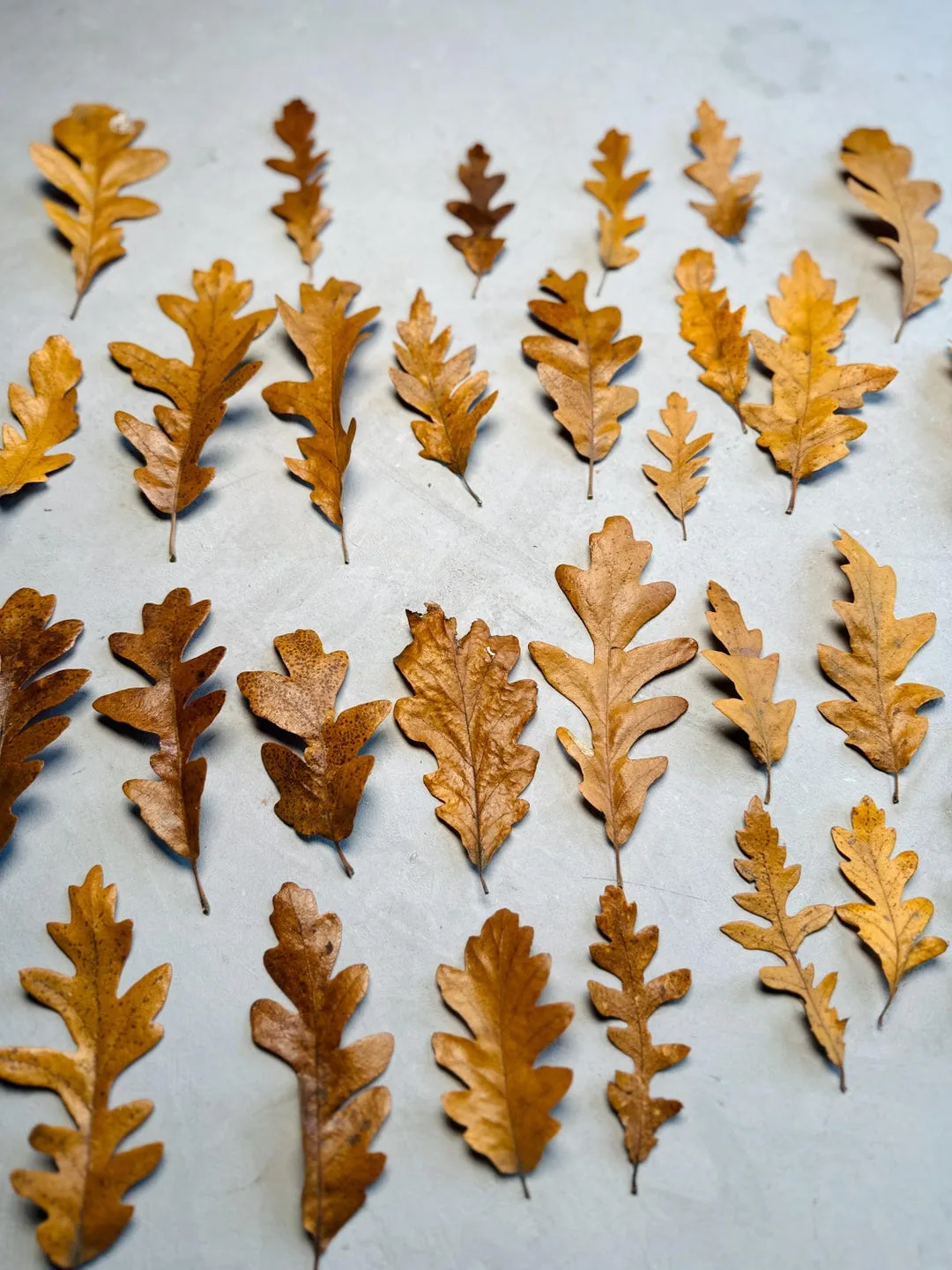
Different leaf types offer different benefits. Oak and magnolia leaves are popular for their durability and slow decomposition. Indian almond leaves release beneficial tannins that can help prevent fungal and bacterial growth.
The 3 Types of Terrariums That Require It
Bioactive terrariums need leaf litter to support their cleanup crews. Without it, springtails and isopods won’t have enough food or shelter.
Tropical species enclosures benefit greatly from leaf litter. Dart frogs, crested geckos, and other tropical species use it for hiding, foraging, and laying eggs.
Paludariums and ripariums use leaf litter in their terrestrial zones. It helps create a natural transition between land and water.
Safe Leaf Litter vs. Toxic or Risky Leaves
Not all leaves are safe for terrariums. Some can be toxic to your animals or introduce pests and diseases.
Safe options include oak, magnolia, beech, and Indian almond leaves. These are commonly used in the hobby and have a good track record.
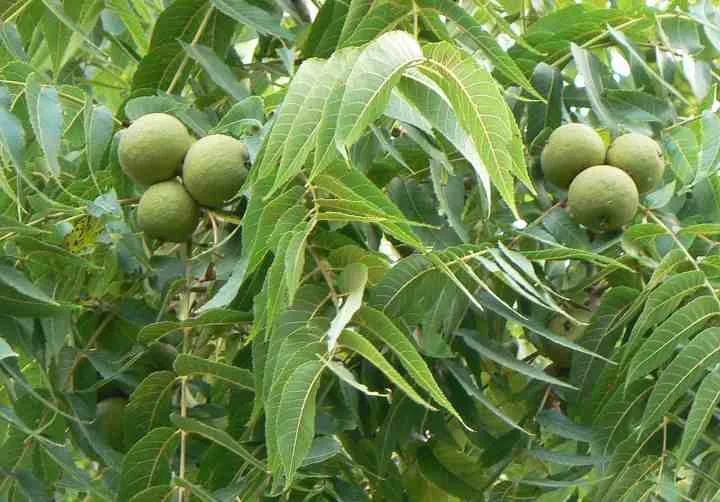
Avoid leaves from black walnut, yew, oleander, rhododendron, azalea, cherry, laurel, and eucalyptus. These can be toxic to many reptiles and amphibians.
Never collect leaves from roadside or urban areas. These may be contaminated with pollutants or road salt.
When in doubt, stick to leaves from reputable suppliers. These are typically cleaned, sterilized, and safe for terrarium use.
Step-by-Step: How to Prepare Leaf Litter the Right Way
Collect fallen leaves from pesticide-free areas. Avoid roadside or urban trees where pollutants may be present.
Rinse leaves thoroughly under running water. This removes dust, dirt, and potential contaminants.
Dry leaves completely before use. Spread them in a single layer and let them air-dry for 24-48 hours.
For extra safety, sterilize leaves by boiling for 5-10 minutes. Alternatively, bake at 200°F for 20-30 minutes.
How Much Leaf Litter to Use (And Where to Place It)
A 1-3 inch layer works for most tropical terrariums. This depth provides enough cover without smothering the substrate.
For bioactive setups, go slightly deeper at 2-4 inches. This gives your cleanup crew more space to burrow and forage.
Place leaf litter on top of your substrate mix. Avoid covering water dishes or high-traffic areas.
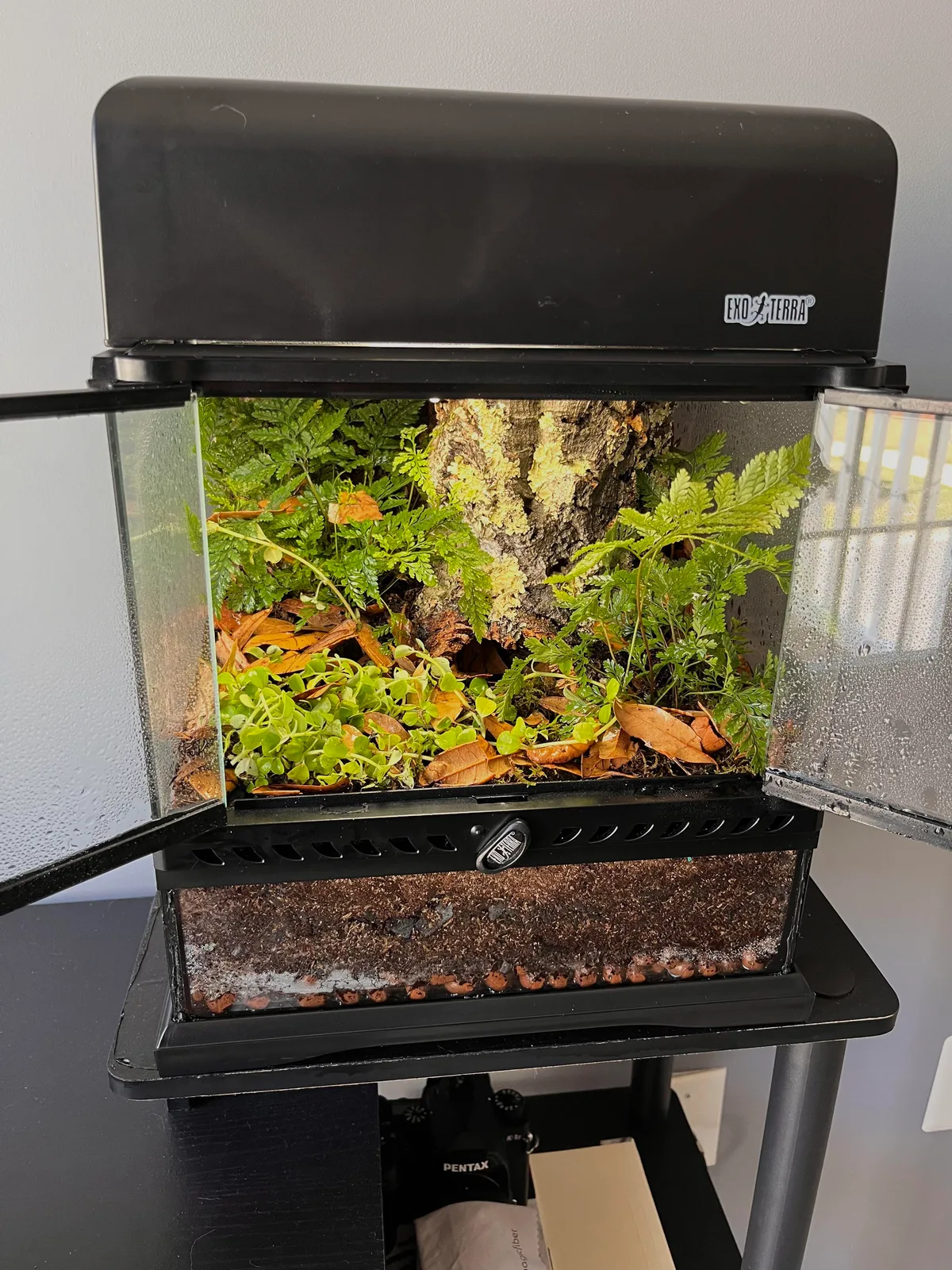
Distribute leaves evenly but naturally. Overlap some leaves and leave gaps to create varied microhabitats.
Leaf Litter Maintenance: Keeping It Clean and Effective
Spot-clean any visibly moldy leaves immediately. Use tweezers to remove them without disturbing the rest of the layer.
Stir the leaf litter gently every 2-4 weeks. This prevents compaction and promotes even decomposition.
Add fresh leaves as the old ones break down. This maintains a consistent layer depth and food source for detritivores.
Monitor humidity levels. If the leaf litter stays soggy, reduce misting or improve ventilation.
Common Mistakes That Ruin Leaf Litter (And How to Fix Them)
Using fresh green leaves causes rapid mold growth. Always use fully dried, brown leaves instead.
Overloading the terrarium with too much leaf litter smothers the substrate. Stick to the recommended 1-3 inch depth.
Ignoring leaf source can introduce pesticides or toxins. Only use leaves from safe, untreated areas.
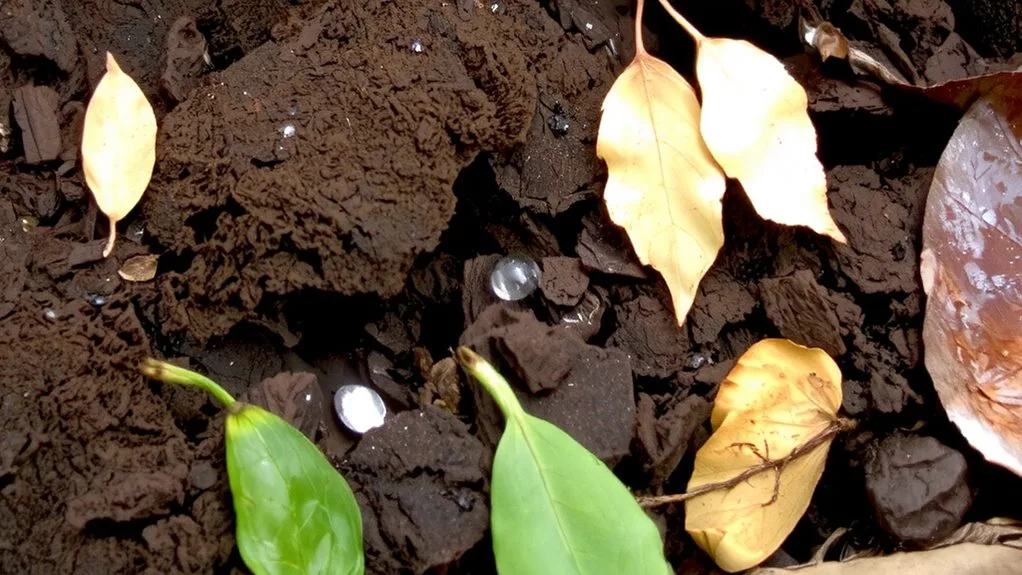
Neglecting to replace decomposed leaves reduces the layer’s effectiveness. Top up as needed to maintain coverage.
Best Leaf Litter Alternatives (And When to Use Them)
Sphagnum moss works well for humidity retention. It’s a good alternative for setups where leaf litter isn’t suitable.
Coconut fiber provides a natural look and good moisture control. It breaks down slower than leaves but lacks the same microfauna benefits.
Cypress mulch offers a long-lasting option for arid terrariums. It doesn’t retain as much moisture as leaf litter.
Orchid bark creates a naturalistic appearance. It’s often used in combination with leaf litter for added texture.
Moss-only substrates work for some species. However, they lack the detritivore support and natural foraging opportunities of leaf litter.
Cost, Sourcing, and Where to Get the Good Stuff
Commercial leaf litter blends cost between $8 and $35 per bag. These are pre-cleaned and ready to use.
Bulk options from specialty suppliers run $25 to $80. This is cost-effective for large setups or frequent top-offs.
Collecting your own leaves is free but requires proper preparation. Always verify the source is pesticide-free and non-toxic.
Online herpetology stores often carry high-quality leaf litter. They typically offer species-specific blends for different terrarium types.
Local herpetological societies can be good sources. Members often share or sell excess leaf litter they’ve collected and prepared.
FAQs About Leaf Litter in Terrariums
Is leaf litter necessary for all terrariums
No. Bioactive and tropical setups benefit most while arid terrariums typically don’t need it.
How often should I replace leaf litter
Top off as leaves decompose, usually every 2 to 8 weeks. Full replacement is rarely needed if you maintain the layer.
Can I use leaves from my backyard
Only if you’re certain they’re pesticide-free and non-toxic. Avoid roadside or treated lawn leaves.
What’s the best leaf type for dart frogs
Oak, magnolia, and Indian almond leaves are popular choices. They’re safe, durable, and release beneficial tannins.
How do I prevent mold on leaf litter
Ensure proper ventilation and avoid over-misting. Remove any visibly moldy leaves immediately.
Can leaf litter affect water quality in paludariums
Yes. Tannins from leaves can lower pH and stain water. This is normal and often beneficial for many species.
Final Decision Guide: Should You Use It or Skip It?
Use leaf litter if you have a bioactive terrarium. It’s essential for supporting cleanup crews and natural behaviors.
Use it for tropical species like dart frogs or crested geckos. They need the humidity and hiding spots it provides.
Skip it for arid terrariums. The moisture retention can be problematic for desert species.
Skip it if you can’t commit to proper preparation and maintenance. Improperly prepared leaves can introduce pests or mold.
For most hobbyists, the benefits outweigh the effort. A well-maintained leaf litter layer enhances both the health and natural appearance of your terrarium.
