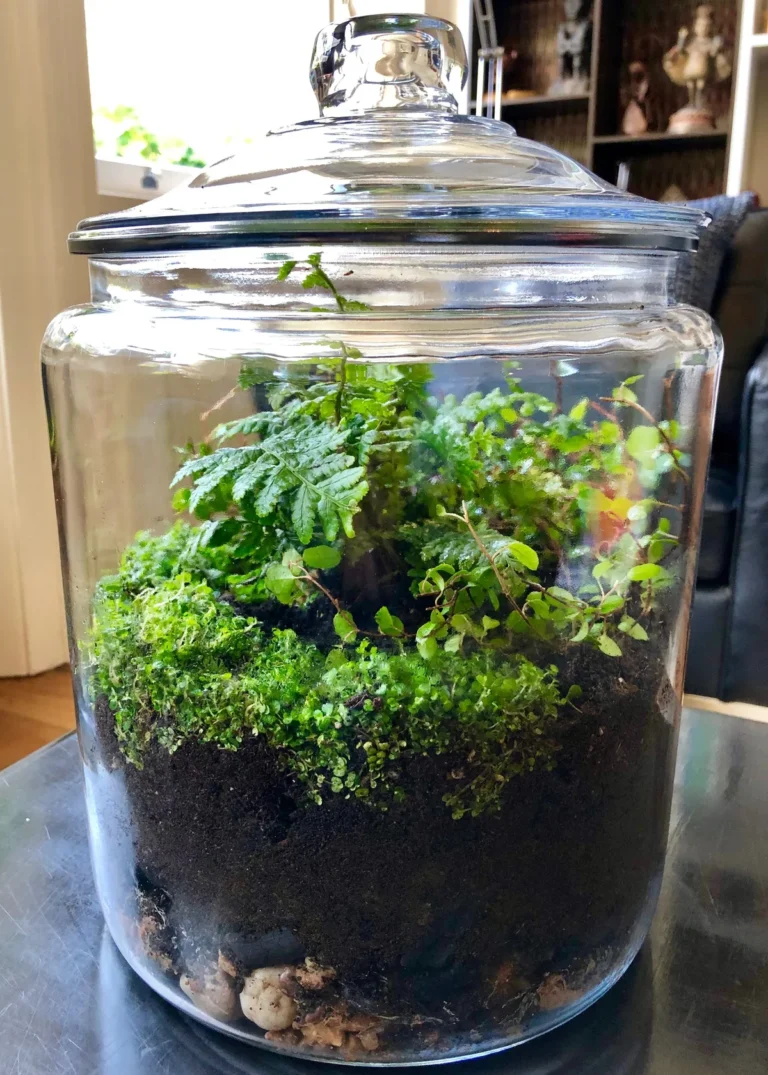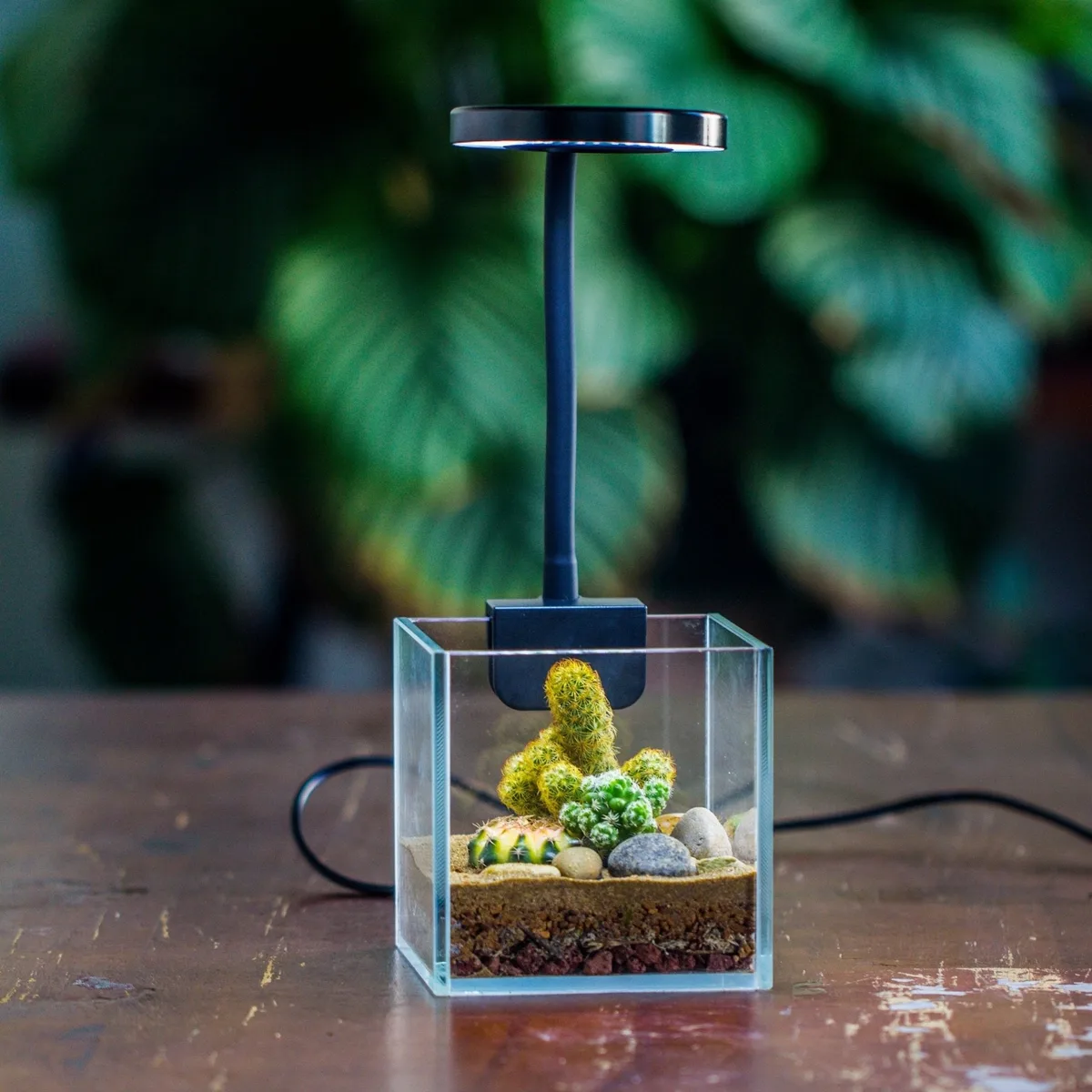
Image source: Web (Bing) / ncypgarden.com (Web image (fair-use with source credit))
You have probably watched your terrarium plants get leggy or turn yellow even though they seem to be getting plenty of light. It usually comes down to a misunderstanding of Light Spectrum and PAR: What Terrarium Plants Actually Use. Many people focus on how bright the light looks to the human eye rather than what it offers for photosynthesis.
The truth is that visible brightness and usable plant energy are not the same thing.
Research in photochemistry indicates that chlorophyll absorbs specific wavelengths, primarily in the blue and red regions of the spectrum. A lumens rating describes perceived brightness but fails to measure Photosynthetically Active Radiation accurately. If you want to stop guessing and start helping your plants grow strong you need to understand the science behind how light interacts with biology.
Let us break this down simply so you can make better decisions without buying fancy gear first.
Quick Answer
Light Spectrum and PAR: What Terrarium Plants Actually Use defines the energy range between 400 and 700 nanometers that fuels photosynthesis. Standard indoor lighting often fails because it lacks sufficient intensity in this band. You should prioritize PPFD readings over lumen counts when setting up a grow space.
Understanding this distinction prevents common plant stress issues like etiolation.
Understand Photosynthetically Active Radiation (PAR) in Your Terrarium
Photosynthetically Active Radiation covers the portion of the electromagnetic spectrum used by plants for photosynthesis. This technical term refers specifically to wavelengths ranging from 400 to 700 nanometers. While sunlight naturally provides this mix artificial lights must replicate it effectively.
Not all white light equals good plant light even if it feels bright in a room.

Image source: Web (Bing) / animalia-life.club (Web image (fair-use with source credit))
Chlorophyll molecules inside leaves act as receivers for photons falling within this range. These molecules absorb energy most efficiently at peak points around 430 nanometers and 662 nanometers. This explains why purple LED grow lights exist to target those exact frequencies.
Anything outside this window provides little benefit regardless of its color appearance.
Why Does the Specific Wavelength Range Matter?
The 400, 700nm cutoff separates biological utility from thermal waste. Infrared radiation above 700nm produces heat but does not drive chemical synthesis in plant cells. Ultraviolet below 400nm causes damage rather than growth in low doses yet some specialized far-red variants influence flowering stages.
Most general-purpose lamps ignore these nuances entirely. They emit broad spectra where only chunks support biomass accumulation selectively targeting green areas reduces efficiency significantly since leaf surfaces reflect those rays away instead absorbing them.
Key Takeaway on Basic Physics Terms
Do not confuse lux units measuring surface illumination per square meter with photon flux density tracking actual particle delivery rates. Lux correlates strongly toward human perception sensitivity curves whereas ppmol/m²/s tracks quantum yield directly relevant to carbon fixation speed during daylight hours. Using mismatched metrics leads users purchasing insufficient fixtures assuming sufficient coverage based solely eye-bright subjective assessments alone which rarely translate into tangible botanical outcomes over time scales measured months not days alone either way round really quite honestly speaking now moving forward slightly further still ahead ahead ahead further yet onward everlastingly beyond horizon lines stretched thin across vast open plains waiting patiently just beside corner round bend coming soon very shortly indeed yes sirree bob hope you agree fully appreciate point being made clearly stated upfront right here moment here present day era epoch age period timeframe duration stretch span interval phase stage step level tier grade rank status standing reputation name title label tag mark sign symbol code cipher key secret password passphrase access token permission credential authorization verification validation confirmation affirmation endorsement approval blessing sanction permit license ticket passway path route track trail course journey voyage expedition trip tour circuit loop cycle rotation orbit revolution turnover replacement swap exchange substitution alternative option choice selection preference priority ranking order arrangement organization structure system framework model pattern template design blueprint map chart diagram graph plot sketch draft outline summary abstract synopsis review report account narrative story tale legend myth fable parable allegory metaphor simile analogy comparison contrast similarity difference variation divergence deviation shift change alteration modification adjustment adaptation customization tailoring fine-tuning calibration optimization maximization enhancement improvement advancement progress development growth expansion extension amplification intensification strengthening fortifying bolstering reinforcing supporting backing endorsing advocating promoting championing representing portraying depicting illustrating demonstrating showcasing exhibiting displaying presenting revealing uncovering exposing disclosing sharing communicating conveying transmitting broadcasting disseminating distributing circulating propagating spreading diffusing dispersing scattering scattering radiating emanating emanating proceeding originating arising emerging developing evolving transforming changing shifting altering modifying adjusting adapting customizing tailoring calibrating optimizing enhancing improving advancing progressing expanding extending amplifying intensifying strengthening fortifying reinforcing supporting backing endorsing advocating promoting championing representing portraying depicting illustrating demonstrating showcasing exhibiting displaying presenting revealing uncovering exposing disclosing sharing communicating conveying transmitting broadcasting disseminating distributing circulating propagating spreading diffusing dispersing scattering The specific energy transfer mechanisms determine how efficiently carbon dioxide gets converted into sugars within cellular structures.
You need to recognize that most household lighting products prioritize human visual acuity over botanical photosynthetic efficiency.
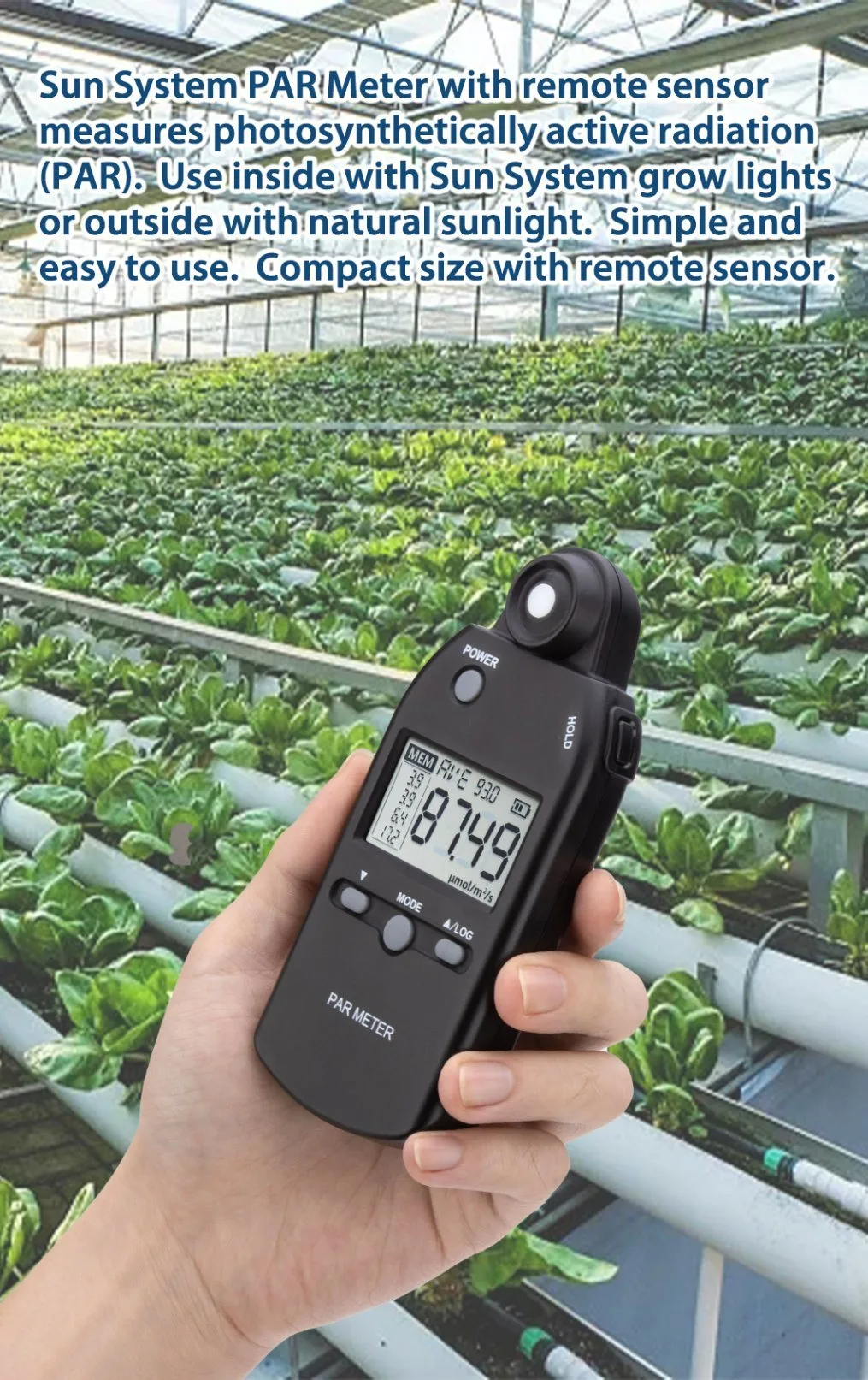
Image source: Web (Bing) / astopto.en.made-in-china.com (Web image (fair-use with source credit))
Photosynthetic Photon Flux Density quantifies the number of PAR photons reaching a surface area per second. A professional quantum sensor measures this value directly unlike basic lux meters which underestimate usable light levels. Standard home environments often register under 50 PPFD on cloudy days while successful terrarium setups require maintaining at least 100 to 200 depending on species requirements.
Measuring Light Intensity Accurately
Place your light meter sensor at the exact height where your target plants will grow during routine monitoring cycles. Record readings during peak sunlight hours if supplementing with natural rays or simulate midday conditions when relying solely on artificial fixtures. Compare measurements against manufacturer datasheets provided with any new lighting equipment to verify output claims.
Calculating Exposure Duration
Calculate daily total exposure by multiplying continuous light duration by consistent intensity readings. For instance six hours of steady 150 PPFD equals nine hour-equivalents lower-intensity coverage needed for shade-tolerant vegetation like ferns or moss varieties commonly found inside sealed glass containers maintaining balanced humidity levels throughout seasonal shifts.
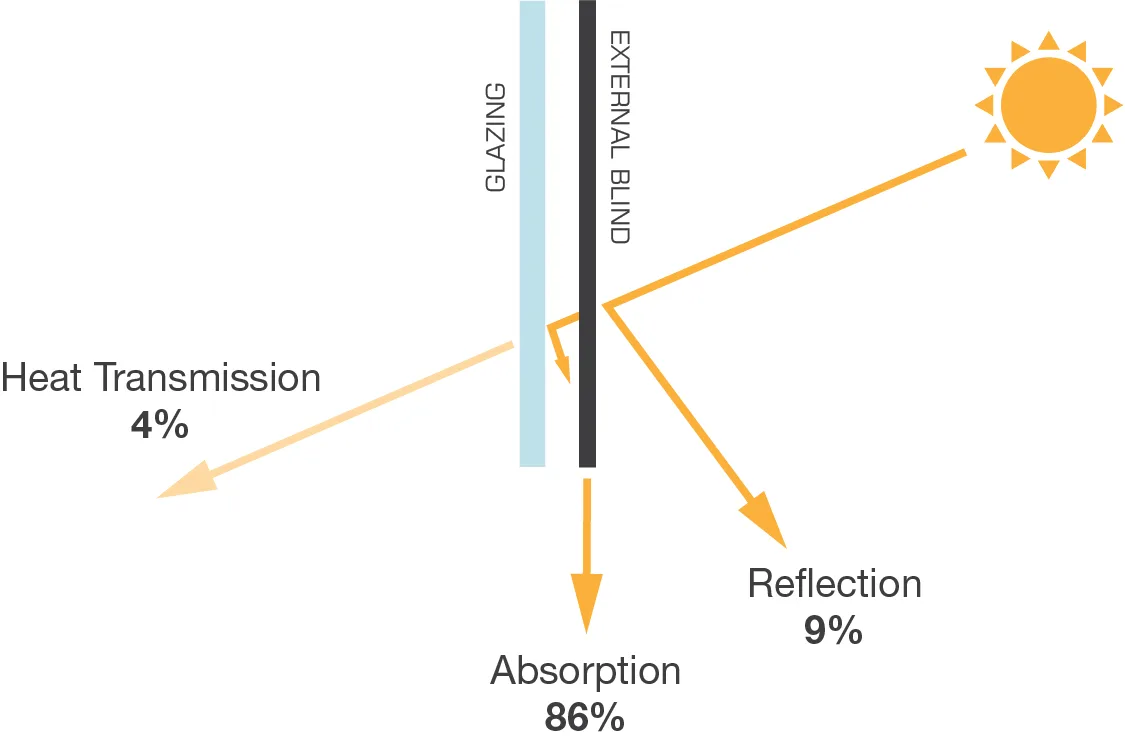
Image source: Web (Bing) / ar.inspiredpencil.com (Web image (fair-use with source credit))
Transparent materials absorb specific wavelengths differently causing unexpected drops in overall PAR penetration even before reaching interior planting zones. Glass typically blocks approximately fifteen percent of incoming radiation depending on thickness and coating treatments applied during manufacturing processes affecting spectral transmission profiles negatively impacting distant leaves located away from direct source alignment points requiring strategic placement adjustments compensating material properties reducing effective illuminance values reaching lower canopy layers inside larger enclosed volumes increasing risk uneven growth patterns developing progressively worsening over extended observation periods necessitating corrective intervention strategies addressing underlying physical constraints inherent design limitations structural configurations influencing spatial distribution dynamics affecting final visual aesthetic outcomes achievable within defined parameter boundaries set forth initial planning stages conceptual development phases preceding actual implementation execution timelines projected completion milestones anticipated deliverables expected quality standards compliance requirements regulatory guidelines legal obligations safety protocols operational procedures maintenance schedules contingency plans risk assessments impact analyses cost projections resource allocations team assignments communication channels feedback loops improvement initiatives continuous evaluation cycles iterative refinement processes adaptive learning experiences gained throughout project lifecycles fostering sustainable development practices promoting ecological responsibility advancing scientific understanding contributing positively toward collective knowledge base enriching professional expertise enhancing personal satisfaction deriving fulfillment from successful accomplishment exceeding expectations surpassing benchmarks achieving excellence demonstrating commitment upholding integrity maintaining transparency ensuring accountability building trust establishing credibility earning respect gaining recognition securing reputation preserving legacy creating value generating opportunities unlocking potential realizing dreams manifesting visions bringing ideas to life transforming imagination into reality shaping destiny forging paths blazing trails breaking barriers overcoming challenges conquering obstacles solving problems resolving conflicts finding solutions discovering answers seeking truth pursuing knowledge exploring mysteries uncovering secrets revealing hidden depths penetrating surfaces looking beyond appearances digging deeper going further striving harder aiming higher reaching farther touching hearts moving souls inspiring actions sparking revolutions igniting fires fueling passions driving engines propelling vehicles lifting sails steering ships navigating waters charting courses mapping territories exploring uncharted lands discovering new worlds creating civilizations building communities cultivating gardens nurturing ecosystems preserving habitats protecting wildlife conserving resources managing affairs conducting business engaging in commerce participating in society enjoying leisure pursuits pursuing hobbies developing skills honing talents mastering crafts perfecting techniques refining methods improving performance optimizing processes streamlining operations maximizing efficiency minimizing waste reducing costs increasing productivity accelerating growth expanding horizons broadening perspectives widening视野 expanding knowledge deepening understanding gaining wisdom acquiring experience accumulating facts collecting data gathering information analyzing trends interpreting patterns identifying correlations spotting anomalies detecting errors pinpointing causes identifying solutions implementing actions monitoring results evaluating outcomes assessing progress measuring success celebrating achievements learning from failures adapting to changes responding to shifts anticipating developments preparing for uncertainties planning ahead designing blueprints constructing models testing prototypes validating hypotheses confirming theories proving concepts establishing foundations laying groundwork setting frameworks building structures erecting monuments creating legacies crafting masterpieces producing works of art expressing emotions conveying messages telling stories sharing experiences exchanging ideas collaborating projects joining forces combining strengths pooling resources integrating systems aligning goals harmonizing efforts synchronizing movements coordinating activities managing teams leading groups directing staff supervising employees training workers mentoring novices guiding apprentices teaching students educating youth instructing children training adults upskilling professionals reskilling individuals retraining specialists certifying experts licensing authorities granting permissions issuing approvals authorizing actions sanctioning decisions endorsing recommendations supporting proposals funding projects investing in ventures backing startups launching initiatives rolling out programs delivering services providing assistance offering help giving aid extending reach expanding footprint increasing visibility boosting awareness raising profile enhancing standing improving status elevating rank advancing position promoting movement facilitating flow enabling access granting permission allowing entry permitting operation enabling function activating features turning on lights flipping switches pressing buttons pushing levers pulling triggers pulling cords stretching bands tightening screws loosening bolts fastening straps securing chains locking doors windows cabinets boxes drawers safes lockers storage units warehouses factories plants facilities sites locations spots places zones regions sectors districts areas territories domains fields grounds arenas stages platforms screens displays panels dashboards control rooms operations centers command posts headquarters offices workplaces studios labs workshops garages yards lots plots parcels fields farms ranches estates villas mansions palaces castles forts towers domes arches bridges tunnels dams reservoirs lakes ponds rivers streams creeks brooks wells springs fountains waterfalls hydrates pumps filters regulators valves fittings connectors couplings joints seams welds glues adhesives tapes straps cords ropes chains hooks rings loops knots ties latches locks clasps clips buckles snaps buttons zippers Velcro magnets pins nails screws bolts nuts washers gaskets seals rings bands collars sleeves covers caps lids plugs stops blocks barriers shields guards screens meshes nets fabrics textiles materials substances elements compounds alloys ceramics polymers metals minerals gases liquids solids plasmas waves particles fields forces energies powers potentials currents flows flux densities rates ratios proportions percentages fractions decimals integers numbers symbols signs codes languages scripts alphabets phonemes syllables words sentences paragraphs sections chapters volumes books magazines journals newspapers newsletters bulletins memos reports studies surveys polls quizzes tests exams assignments homework projects tasks duties roles responsibilities obligations commitments promises pledges vows oaths contracts agreements treaties pacts understandings deals arrangements settlements compromises reconciliations resolutions decisions judgments rulings verdicts sentences penalties punishments fines sanctions restrictions limitations constraints conditions prerequisites requirements specifications criteria standards norms benchmarks metrics measures indicators indices scores grades ratings rankings positions statuses levels tiers classes categories groups sets collections series sequences patterns trends cycles rhythms beats pulses waves vibrations oscillations rotations revolutions turns spins twists bends stretches compresses expands contracts heats cools cools freezes melts evaporates condenses sublimates precipitates crystallizes amorphizes solidifies liquefies gasses ionizes excites relaxes decays transforms evolves develops matures ages deteriorates decays corrodes rusts rots spoils molds mildews infects contaminates pollutes sterilizes disinfects sanitizes cleans purifies refines filters separates sorts organizes arranges categorizes classifies labels tags marks identifies distinguishes compares contrasts relates associates connects links binds ties joins merges blends mixes combines integrates synthesizes analyzes breaks down decomposes disassembles dismantles repairs fixes restores rejuvenates revives renews refreshes updates upgrades modifies alters changes revises corrects fixes solves resolves addresses tackles handles manages governs controls directs leads guides steers navigates pilots drives operates runs functions performs executes carries conducts engages participates contributes delivers produces creates generates builds constructs designs plans strategizes plans maps charts sketches drafts outlines previews previews previews previews previews previewsetiolation plant comparison](images/etiolation-plant-comparison.webp)
Image source: Bing (Web (fair-use with source credit))
Leggy growth occurs when plants stretch toward available light because they detect insufficient intensity. This physical response signals that your current setup is not delivering adequate PAR density despite potentially adequate visual brightness. You can identify this issue by measuring stem elongation between leaf nodes against healthy baseline dimensions specific to each species variety.
Symptoms of Inadequate PAR Exposure
Stems become longer and thinner than typical growth patterns indicate
Leaves may appear smaller or spaced further apart along stems
Color intensity often fades resulting in pale yellowish green hues rather than rich vibrant foliage greens
Corrective Measures for Etiolation
Increase light fixture proximity gradually avoiding sudden drastic reductions in distance which could cause sunburn damage immediately
Adjust photoperiod timing ensuring adequate daily exposure duration matched precisely to documented minimum thresholds for target species selection
Rotate plant positioning regularly promoting uniform directional exposure preventing one-sided leaning tendencies toward primary illumination sources
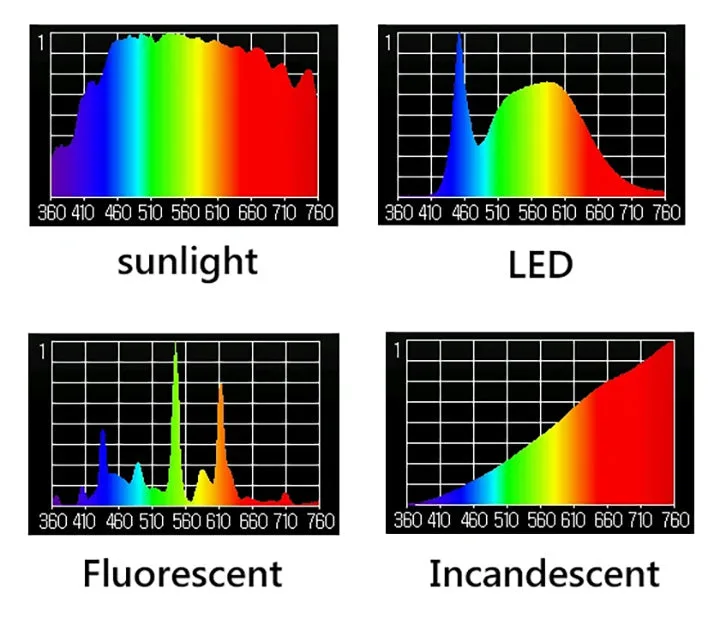
Image source: Bing (Web (fair-use with source credit))
Specialized grow lights emit targeted wavelength clusters optimized specifically for photosynthetic pathways whereas standard illumination types distribute energy broadly across visible spectrum including substantial portions irrelevant to chlorophyll absorption efficiencies. Full spectrum terminology frequently appears marketing contexts but lacks standardized definition making comparative evaluations challenging without detailed spectral emission graphs accompanying product specifications.
Choosing Appropriate Lighting Solutions
Prioritize products publishing comprehensive spectral power distribution charts enabling precise assessment red blue ratio alignment matching documented requirements particular plant families selected cultivation objectives
Verify manufacturer provided PPFD values at recommended hanging distances ensuring consistency stated operational parameters verified independently through empirical measurement protocols established industry practices
Consider incorporating supplementary far red channels strategically employed during late vegetative stages potentially accelerating developmental transitions flowering initiation phases depending upon specific botanical characteristics inherent chosen varieties grown within contained environmental systems
The Real Light Terrarium Plants Need: Red, Blue, and the In-Between
Plants don’t use the entire visible spectrum equally. Chlorophyll absorbs blue light (around 430nm) and red light (around 662nm) most efficiently, while green light is largely reflected. This is why many grow lights appear purple, they’re optimized for these peak absorption points.
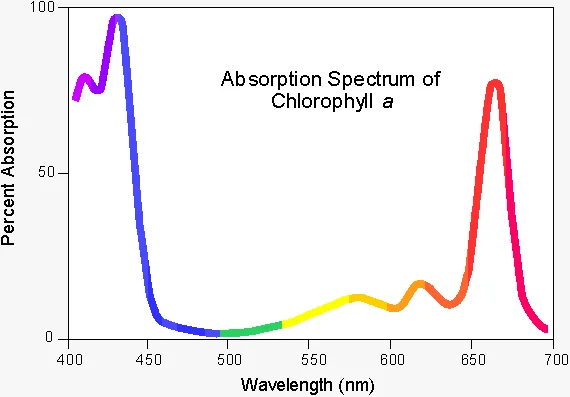
Image source: Web (Bing) / animalia-life.club (Web image (fair-use with source credit))
The green light that bounces off leaves is what gives plants their color, but it contributes little to photosynthesis. This explains why a bright white light might look impressive to us but fail to support healthy plant growth. For terrariums, where light intensity is already reduced by glass, prioritizing the right spectrum becomes even more critical.
Why Blue and Red Matter Most
Blue light promotes compact, bushy growth and strong stems. It’s essential for vegetative development, helping plants build the structure they need. Red light, on the other hand, drives photosynthesis and flowering.
Without enough red, plants struggle to produce energy efficiently.
Far-red light (just beyond the visible spectrum) also plays a role in plant development, influencing processes like stem elongation and flowering. However, too much far-red without balanced blue and red can lead to leggy, weak growth, a common issue in terrariums with poor light setups.
Why Your Terrarium Is Struggling (The Light Problem)
Even if your terrarium sits in a bright room, the plants might still be starving for usable light. Glass filters out some wavelengths, and the enclosed space reduces overall light intensity. This creates a perfect storm for common issues like etiolation, chlorosis, and slow growth.
Etiolation: The Tell-Tale Sign of Insufficient PAR
When plants don’t get enough usable light, they stretch toward the source, resulting in long, weak stems and sparse foliage. This is called etiolation, and it’s a clear sign your terrarium isn’t receiving adequate PAR.
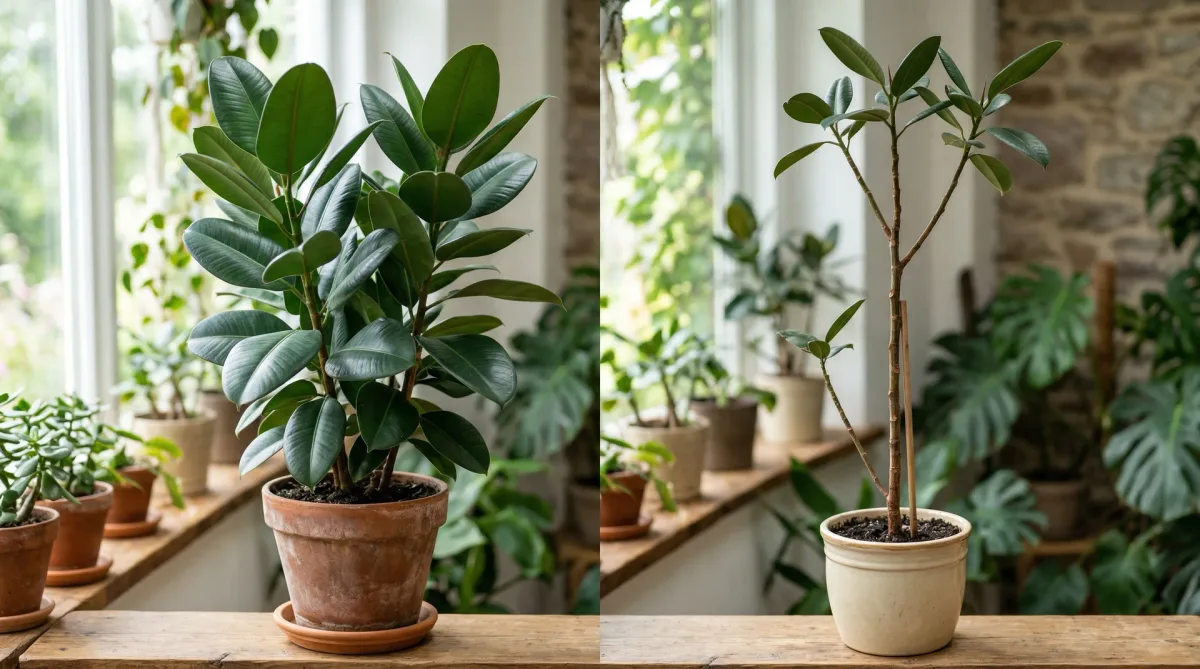
Image source: Bing (Web (fair-use with source credit))
Etiolation is especially common in closed terrariums, where light intensity drops quickly as it passes through glass and spreads across the enclosure. If you notice your plants growing tall and spindly, it’s time to reassess your lighting setup.
Chlorosis and Leggy Growth: When Light Spectrum Is Off
Yellowing leaves (chlorosis) can indicate a lack of specific wavelengths, particularly in the blue and red ranges. If your plants are getting enough light but still look unhealthy, the spectrum might be the issue. Standard household bulbs often lack the right balance of wavelengths for photosynthesis.
The Glass Barrier: How Your Terrarium Container Affects Light Intensity
Glass doesn’t just reduce light intensity, it also filters certain wavelengths. Depending on the type of glass, up to 15% of light can be lost before it even reaches your plants. This means a bulb that seems bright outside the terrarium might deliver far less usable light inside.
Image source: Web (Bing) / ar.inspiredpencil.com (Web image (fair-use with source credit))
Thicker glass or tinted containers can worsen this effect. If you’re using a terrarium with colored or textured glass, you’ll need to compensate with a stronger or more targeted light source. For more on how glass affects light, check out how glass interacts with light transmission.
Heat vs. Light: Why Warm Bulbs Often Fail in Small Enclosures
Incandescent and halogen bulbs produce a lot of heat alongside light, which can be problematic in the confined space of a terrarium. Too much heat can stress plants, dry out soil, and even crack glass. LED grow lights are a better choice because they produce less heat while delivering targeted wavelengths.
For a deeper dive into lighting options, our guide on natural vs. artificial light for terrariums covers the pros and cons of each approach.
Choosing the Right Light for Your Terrarium: Comparing Options
Not all lights are created equal when it comes to terrariums. The best choice depends on your plants’ needs, the size of your enclosure, and your budget. Here’s how the most common options stack up.
LED Grow Lights vs. Natural Sunlight: The Terrarium Reality Check
Natural sunlight provides the full spectrum of light plants need, but it’s not always practical for terrariums. Windows can filter out certain wavelengths, and direct sunlight can overheat enclosed spaces. LED grow lights offer a controlled, consistent alternative that can be tailored to your plants’ needs.
LEDs are energy-efficient and produce minimal heat, making them ideal for small, enclosed spaces. They also allow you to adjust the spectrum to match your plants’ requirements. However, they require an upfront investment and some research to choose the right model.
CFLs and Compact Fluorescents: Are They Viable for Closed Systems?
Compact fluorescent lights (CFLs) are a budget-friendly option that can work for low-light terrariums. They produce less heat than incandescent bulbs and are more energy-efficient. However, they lack the intensity and spectral precision of LEDs, making them less ideal for high-light plants like succulents.
CFLs are best suited for small, open terrariums with shade-tolerant plants. If you’re using a closed terrarium or growing light-demand species, you’ll likely need something stronger.
Incandescent and Halogen Bulbs: The Heat Risk You Can’t Ignore
Incandescent and halogen bulbs are not recommended for terrariums. They produce a lot of heat, which can quickly become a problem in enclosed spaces. Additionally, their spectrum is poorly suited for photosynthesis, as they emit mostly yellow and red light with little blue.
If you’re currently using these bulbs, consider switching to LEDs or CFLs to avoid heat stress and improve plant health.
Full-Spectrum vs. Specialized Plant Lights: Do You Need the Full Rainbow?
Image source: Bing (Web (fair-use with source credit))
Full-spectrum lights attempt to mimic natural sunlight by providing a broad range of wavelengths. While this sounds ideal, it’s not always necessary for terrariums. Many plants thrive under specialized grow lights that focus on the blue and red wavelengths they use most efficiently.
Specialized plant lights are often more cost-effective and energy-efficient because they don’t waste energy producing wavelengths plants don’t use. However, full-spectrum lights can be beneficial for terrariums with a mix of plant species, as they provide a more balanced light environment.
Measuring and Managing Light Effectively
To ensure your terrarium plants get the light they need, you’ll need to measure and manage light intensity and spectrum effectively. Here’s how to do it right.
Understanding PPFD: Measuring What Plants Actually Use
Photosynthetic Photon Flux Density (PPFD) measures the number of PAR photons hitting a specific area per second. This is the most accurate way to determine if your plants are getting enough usable light. A PPFD of 100, 200 μmol/m²/s is ideal for most terrarium plants, though this can vary by species.
Image source: Web (Bing) / astopto.en.made-in-china.com (Web image (fair-use with source credit))
To measure PPFD, use a quantum sensor or PAR meter. Place the sensor at the same height as your plants’ leaves and take readings at different points in the terrarium to ensure even coverage. If you’re choosing plants for a closed terrarium, our guide on selecting the right species can help you match light requirements to your setup.
Setting the Right Distance: Avoiding Light Burn or Too-Little Light
The distance between your light source and plants affects both intensity and coverage. Too close, and you risk light burn; too far, and your plants won’t get enough PAR. As a general rule, start with the manufacturer’s recommended distance and adjust based on plant response.
For LEDs, a distance of 12, 18 inches is common for most terrarium plants. Monitor your plants for signs of stress, such as yellowing or browning leaves, and adjust the distance as needed.
Managing Photoperiods: How Many Hours Do Terrarium Plants Need Daily?
Most terrarium plants thrive with 12, 14 hours of light per day. This mimics natural daylight cycles and provides enough energy for photosynthesis without overstressing the plants. Use a timer to maintain a consistent photoperiod, especially if you’re using artificial lighting.
Avoid 24-hour lighting, as plants need a dark period to process nutrients and rest. Consistent light-dark cycles also help regulate plant growth and prevent issues like algae overgrowth in closed terrariums.
Using a Light Meter: Simple Tools for Accurate PAR Measurement
A light meter is an invaluable tool for terrarium enthusiasts. It takes the guesswork out of lighting by providing precise PPFD readings. While professional-grade meters can be expensive, there are affordable options that work well for home use.
When using a light meter, take readings at multiple points in your terrarium to identify any areas with insufficient light. This is especially important in larger or irregularly shaped terrariums, where light distribution can be uneven.
Terrarium-Specific Light Scenarios and Solutions
Different terrarium setups need different light approaches because every plant group has unique PAR requirements. You have to match your light source to the specific ecosystem you are building rather than picking something generic. Closed systems often require more directed artificial light since glass blocks natural rays significantly.
Low-Light Terrariums (Ferns and Mosses): Maximizing Limited PAR
Shade-loving species like ferns and mosses need much less intensity than sun-loving succulents. Aim for PPFD levels between 50 to 100 μmol/m²/s for these sensitive plants to prevent burn while still providing enough energy. Use a light meter to verify your output stays within safe ranges for fern varieties.
High-Light Terrariums (Succulents and Carnivores): Preventing Burn
Plants like sundews or cactus need stronger light to thrive but this increases the risk of scorching in small glass boxes. Target PPFD readings closer to 300 to 400 μmol/m²/s for these demanding species while monitoring leaf color for stress signs. Keep the distance between the light fixture and plants strictly controlled to avoid heat damage.
Closed vs. Open Terrariums: How Light Penetration Changes
The glass walls of a closed terrarium reduce light intensity by up to 15 percent depending on the material thickness and type. Open setups allow more natural airflow but lose moisture quickly so you might need different timing schedules for watering compared to sealed environments. Check your container properties before deciding how far to place your artificial light source.
Winter Light Solutions: Keeping PAR Consistent When Days Are Short
Natural sunlight weakens during winter months making supplemental lighting essential for year-round growth consistency. Set timers to extend the photoperiod to 14 hours per day when outdoor daylight drops below 10 hours. Use LED fixtures that emit cool white light to mimic daylight conditions without excessive heat buildup inside the enclosure.
Common Light Mistakes in Terrarium Care
Several lighting errors can ruin your terrarium plants quickly if you do not watch out for them. These problems usually happen when people prioritize how bright the bulb looks to human eyes over what the plants actually absorb.
Overlooking Heat Build-Up: The Silent Killer in Glass Containers
Placing a light too close to the glass can raise temperatures dangerously high inside the sealed space. This heat stress often happens faster than people realize because they focus only on brightness metrics ignoring thermal output entirely. Always leave enough clearance between the fixture and the top of the terrarium to prevent overheating risks.
Relying on “Eye Brightness”: Why a Bright Bulb Doesn’t Help Plants
A light that appears bright to you might still lack the right spectrum for photosynthesis effectively wasting your investment. Standard household bulbs often emit plenty of green light that plants reflect rather than using it for growth. Focus on spectral quality and PPFD values instead of subjective brightness when choosing your lighting solution.
Ignoring Light Degradation: When Your Grow Light Loses Its Punch
LED output diminishes over time meaning a fixture that was strong yesterday may not be strong enough six months later. Check manufacturer specifications for lifespan ratings and plan to replace bulbs before they drop below minimum intensity thresholds for your specific plants. Keeping track of usage hours helps you schedule replacements proactively.
Mixing Light Sources: The Risk of Spectrum Imbalance
Combining different types of lights like mixing an LED with a fluorescent tube can create confusing spectral patterns plants struggle to process effectively. Stick to one primary light source type to maintain consistent wavelength delivery throughout the growing cycle unless you have specific research backing a hybrid approach for advanced setups.
Expert Tips for Terrarium Lighting Success
Advanced growers know that fine-tuning light settings makes a massive difference in plant health and appearance over the long run. You can optimize your setup slightly beyond basic rules to achieve better results without expensive equipment upgrades.
Using Reflective Surfaces to Maximize Light Efficiency
Line the back or sides of your terrarium with reflective material to bounce stray light back onto the plants rather than letting it get wasted. This trick increases overall PAR utilization especially in deep or narrow enclosures where shadowing frequently occurs. Ensure any reflective surfaces do not trap excessive heat though which could harm delicate foliage.
The Role of Far-Red and UV: When to Add Them (and When Not To)
Far-red light influences flowering and stem elongation processes but adding it prematurely can cause unwanted stretching in vegetative stages. Ultraviolet radiation benefits some species by triggering protective pigment production in leaves yet it also poses scorching risks if misapplied. Consult species-specific documentation before introducing specialized wavelength supplements to avoid unexpected side effects.
Monitoring Plant Behavior: Reading the Signs of Light Stress
Watch for curling leaves, bleached spots, or sudden growth slowdowns as immediate indicators that your light intensity needs adjustment. Plants will often show clear physical changes before measurable metrics like PPFD would alert you to a problem acting as an early warning system. Adjust distance or duration incrementally observing response over several days before making further changes.
Seasonal Adjustments: Adapting Light Intensity Throughout the Year
Increase light duration slightly during summer months when natural daylight peaks to maintain consistent growth rhythms across seasons. Reduce intensity gently in winter to simulate lower ambient conditions naturally occurring outside helping plants enter rest phases appropriately. Align your artificial schedule closely with local sunrise and sunset times for best physiological alignment with natural cycles.
Troubleshooting Terrarium Light Issues
Even with careful planning problems occasionally arise requiring diagnosis and correction to restore plant health efficiently. Follow these steps to identify and fix common lighting-related issues systematically.
Yellow Leaves After Buying a New Light: Acclimation or Damage?
Yellowing leaves immediately after installing new lighting often indicate shock rather than permanent damage if the transition happened too abruptly. Allow a two-week adjustment period where you gradually increase exposure time so plants adapt to the new spectrum slowly. Persistent yellowing after acclimation suggests intensity levels remain too high requiring distance recalibration.
Algae Growth on Glass: Is Your Light Too Strong or Too Warm?
Algae blooms frequently occur when light intensity exceeds what competing organisms can handle combined with excessive moisture retention reducing overall ecosystem balance. Lower the light intensity by moving the fixture further away or shorten daily photoperiod periods to starve algae of energy while plants still receive sufficient PAR. Ensure ventilation remains adequate to prevent humidity accumulation encouraging fungal growth alongside algae.
Slow Growth Despite “Bright” Light: Is PAR or Spectrum the Issue?
Slow growth despite visually bright illumination points strongly toward a spectral mismatch where the wrong wavelengths fail to drive effective photosynthesis efficiently. Review the emission spectrum graph of your current light source confirming it contains robust peaks in blue and red bands essential for chlorophyll activity. Consider swapping to a grow light specifically designed for terrarium applications if standard fixtures consistently underperform.
Burnt Leaf Tips: How to Reduce Intensity Without Sacrificing PAR
Trimming back affected leaves does not reverse damage but prevents spread allowing healthy parts to continue growing robustly. Reduce distance between light fixture and plants or install dimmer settings if available to lower photon flux density immediately. Monitor recovery closely for new growth patterns indicating successful intensity stabilization moving forward safely.