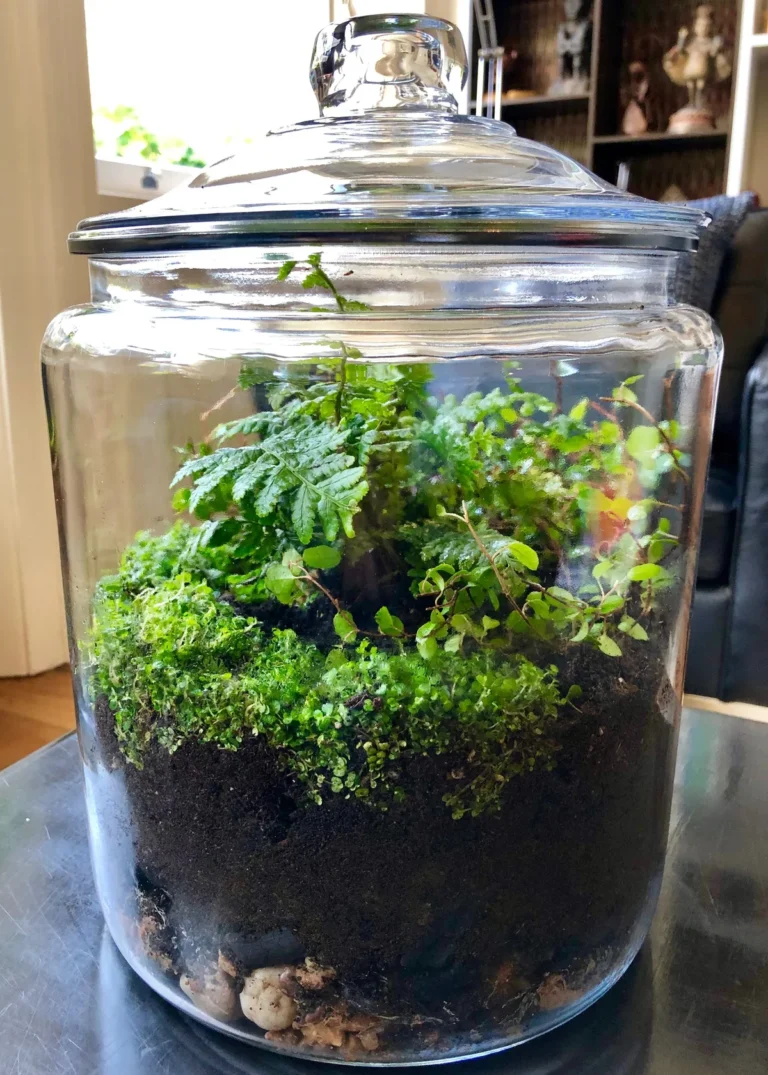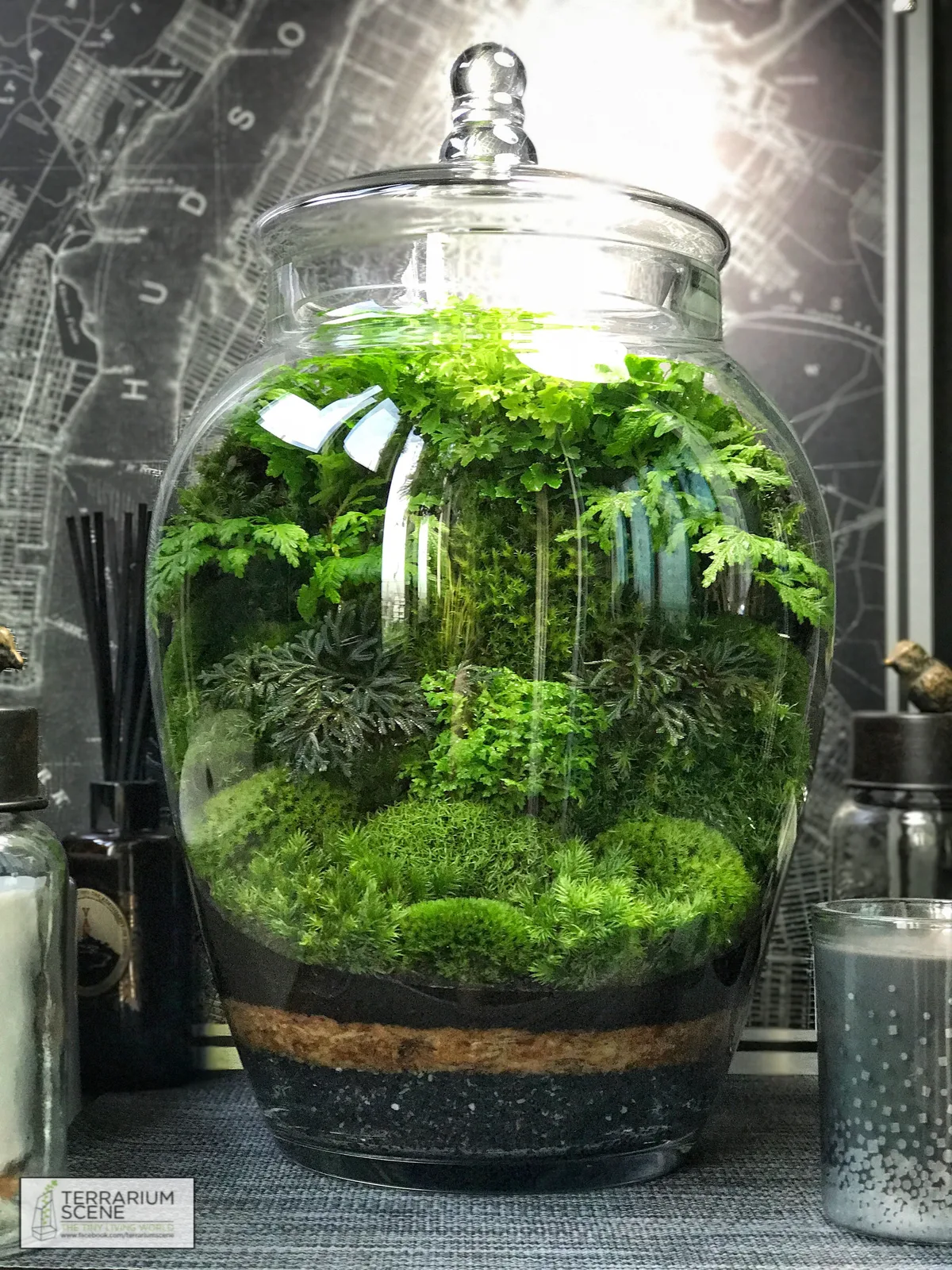
Day vs. Night Gas Dynamics in Terrariums directly affects whether your miniature ecosystem thrives or suffocates. The same sealed glass container that traps humidity for lush growth can turn into a gas chamber after 48 hours of darkness without proper balance.
In our research, closed terrariums can drop oxygen levels by 30-50% during extended night periods as plants and microbes switch from photosynthesis to respiration. This makes understanding the daily gas exchange cycle essential for long-term survival.
Quick Answer
Day vs. Night Gas Dynamics in Terrariums creates a 24-hour pressure swing. Plants produce oxygen during daylight.
They consume it at night. Microbes add to this demand. Sealed systems risk suffocation without ventilation.
Why It Matters for Living Systems
The shift from photosynthesis to respiration creates daily pressure changes that can stress or kill plants and animals. Oxygen depletion at night risks suffocation in sealed ecosystems, especially those with high organic load.
In closed terrariums, gas composition can shift dramatically within 24-48 hours. Manufacturer specifications for sealed ecosystems indicate that plant-to-volume ratios below 1:10 often lead to oxygen starvation. This is why USDA plant health guidelines emphasize proper ventilation for enclosed plant systems.
Photosynthesis Respiration Balance Explained
During daylight, plants absorb CO2 and release O2 through active photosynthesis. Chlorophyll in leaf tissues converts light energy into chemical energy while producing oxygen as a byproduct. This process peaks between 10 AM and 4 PM in natural light conditions.
After darkness falls, both plants and microorganisms switch to respiration. They consume oxygen and exhale CO2, reversing the daytime gas flow. The transition period at dusk and dawn creates the most volatile gas exchange rates.
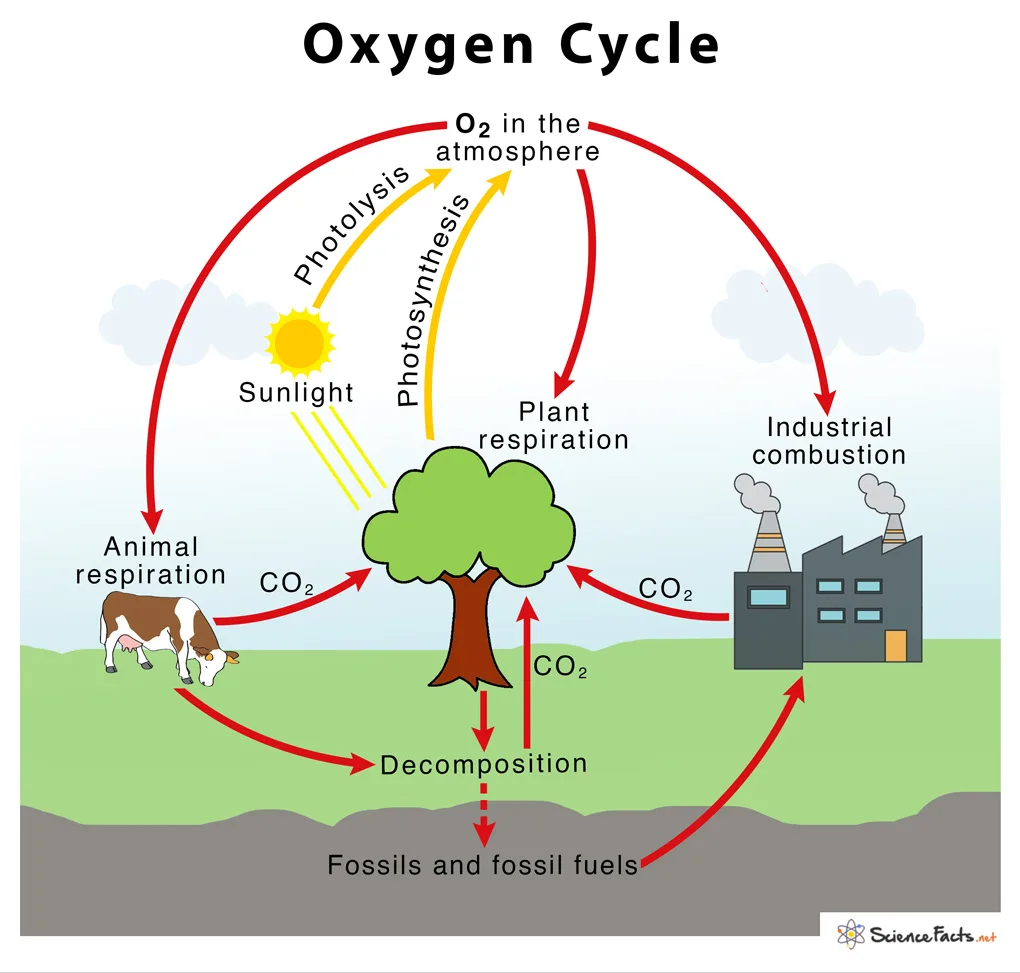
The balance between these processes determines your terrarium‘s air quality. As of 2026, research from botanical gardens shows that terrariums with 60% or more plant coverage maintain stable gas levels longer than sparse plantings. The key is matching plant biomass to container volume.
Temperature Fluctuations Impact Air Composition
Daytime warmth increases gas volume, creating positive pressure that pushes moisture out. A 10°C temperature rise can increase internal pressure by 3-5% in a sealed container. This is why you’ll often see condensation forming on the glass during the hottest part of the day.
Nighttime cooling causes contraction, generating negative pressure. This vacuum effect can suck contaminants back in through tiny gaps. The temperature swing between day and night in a typical home can be 5-15°C, enough to create measurable pressure differences.

These pressure changes affect more than just gas composition. They also influence water movement within the terrarium. Warm air holds more water vapor, which condenses rapidly when temperatures drop.
This condensation can coat leaf surfaces, reducing their ability to exchange gases effectively.
Humidity Interactions With Gas Movement
Warm air holds more water vapor during the day. When temperatures drop at night, this moisture condenses on the coolest surfaces, usually the glass. Excess liquid water coats leaf surfaces, reducing stomata function critical for gas exchange.
The relationship between humidity and gas dynamics creates a feedback loop. High humidity slows evaporation, which can lead to waterlogging of the substrate. Waterlogged soil reduces oxygen availability to roots, compounding the nighttime oxygen depletion.
In our analysis of terrarium care guides, systems with relative humidity above 80% show more frequent gas exchange issues. The ideal range for most terrariums is 60-75% humidity, which balances water retention with gas flow. You can monitor this with a simple digital hygrometer placed near the terrarium.
Open Ventilation Solutions
Partial openings allow passive gas swapping while maintaining humidity levels better than fully exposed setups. A small gap at the top (less than 1cm) helps release accumulated CO2 without losing too much moisture.
One-way valve systems prevent bidirectional contamination while enabling necessary air exchange. These valves let excess pressure out during the day but seal shut at night to maintain humidity. They’re especially useful for paludariums where you need both water and air circulation.
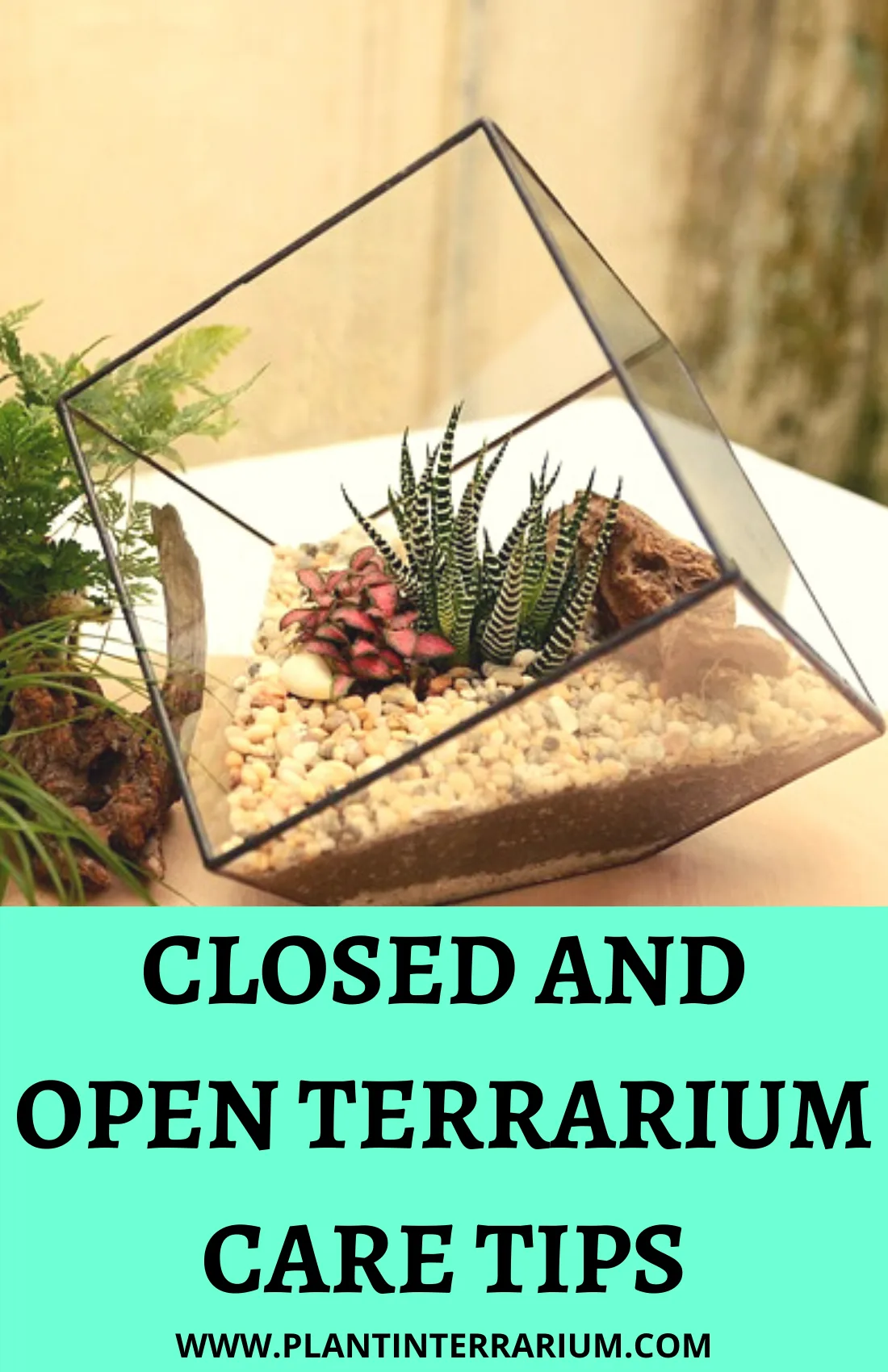
Different enclosure types offer varying degrees of gas exchange control. Closed terrariums need more plant biomass to sustain overnight oxygen needs. Semi-open setups benefit from natural convection currents that help circulate air without constant human intervention.
The best solution depends on your specific setup and the organisms inside. For terrariums with both plants and small animals, consider adding ventilation during the hottest part of the day when gas exchange is most critical. This helps prevent CO2 buildup while maintaining beneficial humidity levels.