

Sealed glass jars look quiet, but they run on hidden biological engines. Microbial CO2 production in terrarium: the hidden contributors is the process where bacteria and fungi break down organic matter, releasing carbon dioxide that your plants use for photosynthesis. Without these unseen workers, your closed ecosystem would eventually stall.
The United States Environmental Protection Agency notes that indoor carbon dioxide concentrations average around 400 parts per million outdoors but can spike rapidly in sealed environments. In a closed terrarium, this microbial gas exchange is exactly what keeps the plants alive. Let’s look at how this microscopic machinery actually works.
Quick Answer
Microbial CO2 production in terrarium: the hidden contributors refers to the bacteria and fungi breaking down organic matter inside the soil. These microbes release carbon dioxide as a byproduct of respiration. Your terrarium plants use this CO2 for photosynthesis.
This cycle keeps the sealed ecosystem alive. Without these microbes, plant growth would stall.
Closed Terrariums: When Your Microbes Are Actually Helping You Breathe
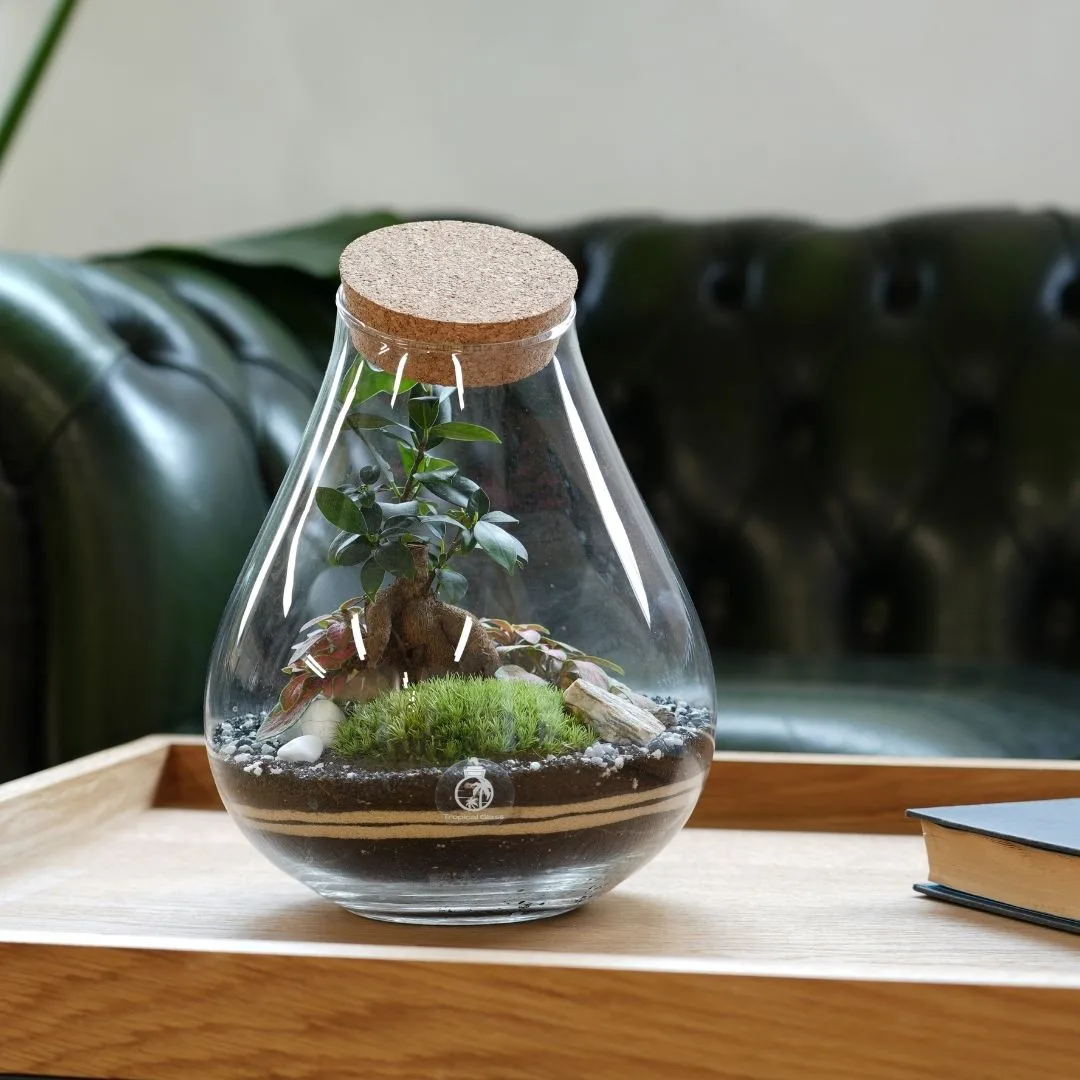
A closed terrarium is a sealed glass container housing plants and soil. Many builders worry that sealing plants inside a jar will suffocate them. The opposite is true when you have a healthy microbiome.
The microbes in the substrate generate the carbon dioxide your plants need to survive.
We often see beginners panic over condensation or a slight earthy smell. They assume the ecosystem is rotting and needs to be opened. That reaction usually kills the natural balance you are trying to build.
Understanding the differencebetween good breakdown and bad rot starts with looking deeper than the surface. A clean, aerobic system smells like damp forest soil, while a failing one turns sour. This subtle sign is critical when managing microbial activity in a sealed environment.
How Microbes Create CO2 in Your Terrarium
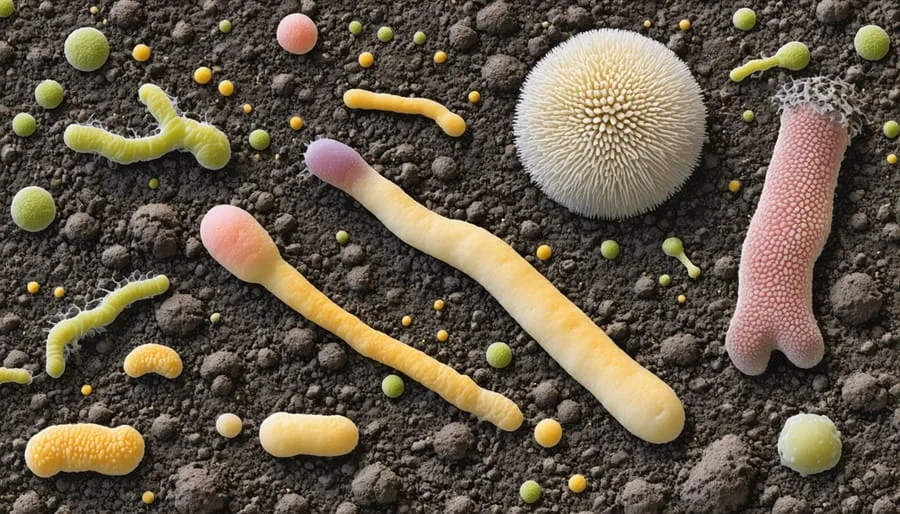
Respiration is the engine driving this entire system. Bacteria and fungi consume organic material, breaking it down into simpler compounds. During this process, they release carbon dioxide as a metabolic byproduct.
This natural respiration cycle provides the essential fuel for your plants to perform photosynthesis.
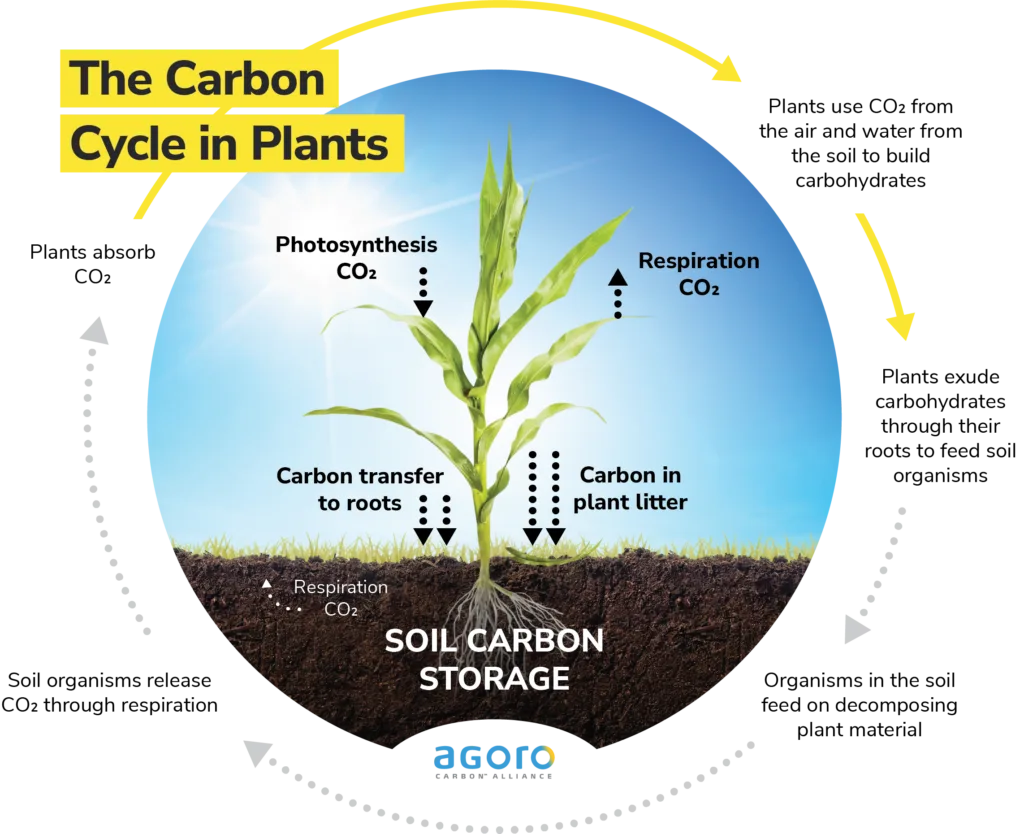
You have a continuous loop where plants absorb CO2 and release oxygen, while microbes consume oxygen and release CO2. The challenge lies in balancing these opposing needs. Research indicates that substrate moisture plays a key role in regulating this exchange.
Too much moisture limits oxygen availability, shifting the microbial behavior toward anaerobic respiration. That shift creates the foul odors and slow growth many hobbyists fear.
What Happens During Breakdown?
Decomposition happens in layers. Surface leaf litter breaks down quickly through contact with air. Deep buried material relies more on soil bacteria and fungi.
Understanding these distinct zones helps you manage the health of your terrarium. Adding dead matter is necessary, but excessive amounts overwhelm the microbial population. This imbalance creates stagnant pockets that trap harmful gases.
The Oxygen-Carbon Dioxide Cycle
Your plants actively participate in this gas exchange. During daylight hours, they take up CO2 much faster than the microbes produce it. At night, the balance reverses as photosynthesis stops but respiration continues.
This daily fluctuation is normal and healthy. It mimics the natural rhythm found in forest ecosystems.
Managing this balance requires attention to your light source and seal integrity. You can read more about choosing appropriate lighting here. If your container is too tight, CO2 can reach levels that inhibit plant growth.
If it is too open, you lose the humidity necessary for microbial activity. Finding the middle ground is the key to success.
Signs Your Microbial System Is Working (or Failing)
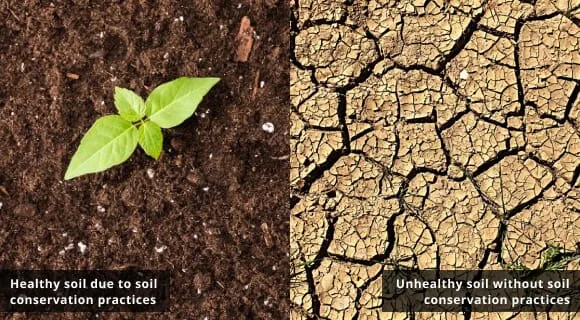
Reading the visual and olfactory cues in your jar tells you more than any test strip ever could. A healthy closed terrarium has a specific character. The soil looks moist but not spongy.
The glass is clean, with only light mist appearing briefly after lights turn off. The scent is neutral, like rain hitting dirt.
Good vs. Bad Smells
Scent is your early warning system. An earthy, mild smell indicates active, healthy microbial populations. Conversely, a strong sulfurous or rotten egg smell signals anaerobic conditions.
This usually means water has displaced too much air in the substrate. If you catch this smell early, aeration can fix it. If ignored, root rot follows quickly.
Fungal Blooms: Ally or Enemy?
Not all white growth on the soil surface is bad. Some beneficial fungi aid in breaking down tough organic matter. However, rapid, fuzzy blooms often accompany high moisture and poor airflow.
These are usually indicators that your conditions are shifting toward anaerobic decomposition. You can learn more about which plants might overwhelm your system here. Removing excess leaf litter regularly prevents this from becoming a major issue.
Visual Checkpoints
| Observation | Healthy Indicator | Warning Sign |
|---|---|---|
| Moisture | Damp soil, occasional mist | Water pooling, constant heavy condensation |
| Scent | Earthy, neutral | Sour, rancid, or sulfur smell |
| Growth | Slow, steady new leaves | Yellowing, leggy growth, wilting |
| Surface | Clean glass or light film | Thick mold, slime on soil |
Managing Moisture for Microbial Health
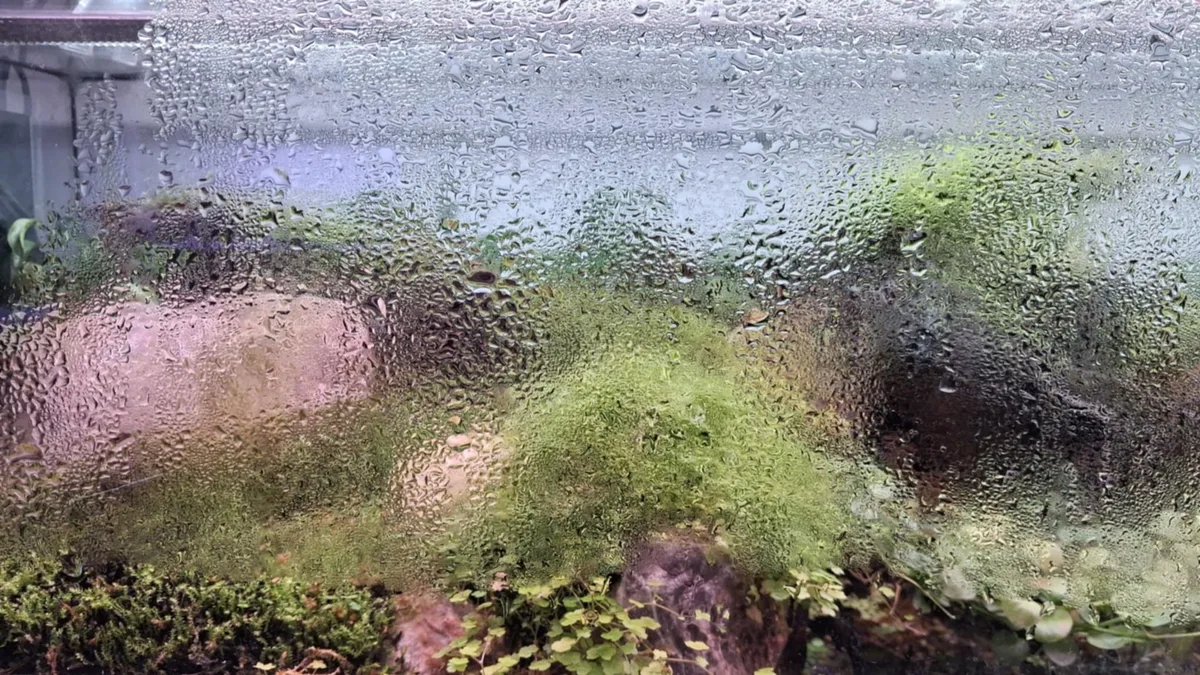
Water content dictates whether your microbes work aerobically or anaerobically. Aerobic conditions require oxygen. Anaerobic conditions thrive without it.
Most terrarium plants prefer the former. Controlling water is therefore the primary lever for controlling CO2 production and smell.
The Sweet Spot for Substrate Moisture
The ideal substrate feels like a wrung-out sponge. It holds together when squeezed lightly but doesn’t drip water. Overwatering is the most common mistake beginners make.
Excess water fills the air pockets in the soil where microbes need oxygen to function. This stops the efficient production of CO2 and leads to root suffocation.
If you notice persistent condensation covering the glass, you need to reduce water input. You might want to check our guide on stopping too much condensation here. Proper drainage layers are also essential to keep water away from plant roots.
Evaporation and Condensation Balance
A functioning water cycle is visible as your terrarium breathes. Liquid evaporates from the soil and plant leaves, turns to vapor on the glass, and condenses back into droplets. This cycle regulates humidity for both the flora and the microbiota.
If the cycle stops, the microbes starve or drown.
Proper container selection matters here. Glass retains heat and moisture better than acrylic in some cases. You can compare the two materials here.
Just remember that heavier glass jars hold thermal inertia well, which stabilizes the environment but can also trap excess heat if placed near a window.
Preventing Stagnation and CO2 Buildup
Even with perfect moisture, a system can become too sealed. While closed terrariums aim for self-sustainability, they are not completely airtight machines. Occasional gas exchange prevents the buildup of ethylene gas and excessive CO2 that can inhibit photosynthesis during the day.
When to Open Your Jar
You don’t need to open a healthy terrarium daily. In fact, frequent opening disrupts the humidity equilibrium. However, if you notice leaves curling, mold spreading, or a bad smell, a quick airing helps.
Open the lid for 10 to 20 minutes to flush stale air and introduce fresh oxygen. This simple reset can save a struggling colony of microbes.
Plant Selection for Closed Systems
Some plants handle high humidity and fluctuating gas levels better than others. Mosses and ferns are generally forgiving and thrive in these conditions. Large-leafed tropical plants might struggle if the airflow is poor.
Choosing the right vegetation is part of balancing the microbial load.
You should review our recommendations for selecting plants suited to a closed setup here. A mismatched plant can consume resources faster than the microbes can replenish them, leading to a collapse. Always prioritize slow-growing species when starting a new sealed ecosystem.
Troubleshooting Common Microbial Issues
You’ve set up your jar carefully. Yet something still feels off. Diagnosing the problem requires looking past the plants to the soil layer below.
Yellow leaves or leggy growth often point to gas exchange issues rather than nutrient lack. Your microbes might be working too slowly or generating the wrong kind of CO2 due to moisture shifts.
When mold appears alongside foul odors, anaerobic conditions are likely present. Bacteria without oxygen release hydrogen sulfide, which smells like rotten eggs. This condition stresses plant roots and halts healthy growth.
Removing excess water and adding air flow reverses this quickly. You can find details on correcting overwatering here.
Yellow Leaves and Poor Growth
Yellowing leaves suggest the plant is struggling to process energy. High CO2 levels during the day can sometimes inhibit photosynthesis if ventilation is poor. Alternatively, blocked nutrient uptake from compacted soil mimics this symptom.
Check if the substrate feels hard or waterlogged. Compacted soil restricts root growth and reduces microbial activity at the same time.
Mold and Foul Odors
Smelling your terrarium is a valid diagnostic step. A healthy jar should never smell distinctly sour or putrid. If it does, you need to act immediately to prevent permanent damage.
Open the container for 30 minutes to allow oxygen in. Remove any visibly decaying matter that fuelled the bad bacteria. Watch for changes over the next few days to confirm the smell clears.
Long-Term Terrarium Maintenance: Keeping Microbes Happy
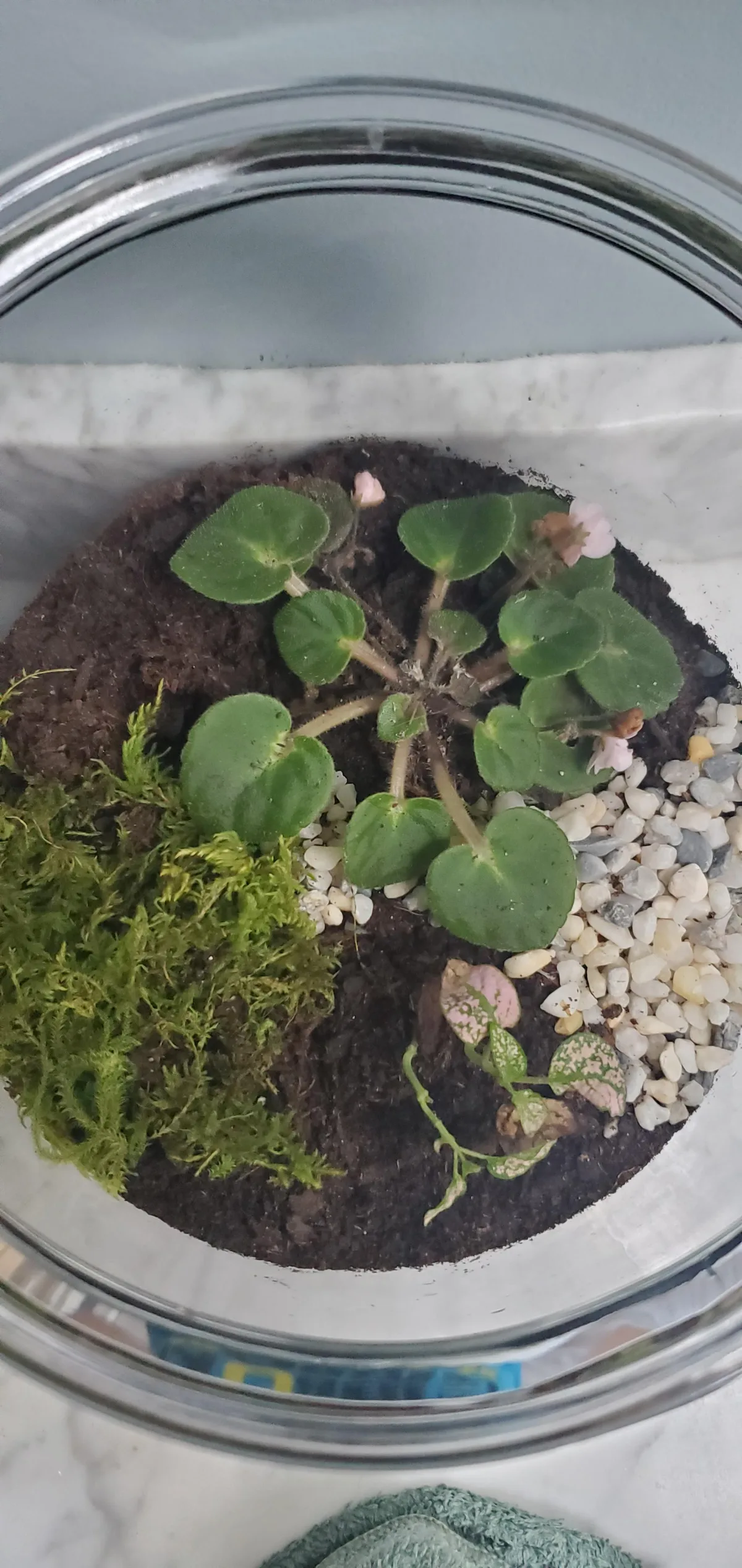
Sustainability relies on balance, not just setup. You need to manage inputs so your microbial population stays active without becoming overwhelming. Pruning dead leaves and stems provides fresh organic matter for decomposition.
This maintains the cycle without overwhelming the system. Removing matter before it rots completely prevents excessive moisture retention.
Pruning and Cleaning Dead Matter
Regular maintenance is a form of prevention. Trimming back yellowing leaves before they hit the soil reduces the load on your cleanup crew. These microbes need a steady supply of organic material to produce CO2 efficiently.
Too little input slows the gas exchange. Too much creates a mucky mess that blocks air. Aim for a clean soil surface at all times.
Soil Refreshment and Substrate Care
Over time, soil structure degrades and microbial efficiency drops. Refreshing the top layer every few years helps reset the ecosystem. You do not need to replace the entire substrate unless there is persistent odor or root rot.
Adding a fresh layer of leaf litter or specific organic supplements can revive activity. Learn more about soil composition here. Keep a barrier layer to prevent surface clogging.
Real Scenarios: What Success Looks Like
You might wonder what a healthy jar actually looks like over time. Real-world examples help set expectations. A successful setup might show daily condensation rings that evaporate completely during the day.
New growth appears consistently without the need for external fertilization. The soil remains dark and loose rather than compacted or white.
The Year-One Success Story
Many sealed jars hit a rough patch between months 3 and 6. Microbial colonies establish and peak during this window. Users often panic and open the jar, breaking the humidity cycle.
Keeping the jar closed during this stabilization phase yields the best results. By month 12, most stable systems self-regulate their moisture and gas levels without intervention.
When Things Go Wrong
Sometimes despite your best efforts, the ecosystem collapses. This often happens when incompatible plant species are chosen together. Fast growers choke out slow ones, altering the light and nutrient dynamics.
Rapid decay can then overwhelm the microbial capacity to process it. You can see how a single problem can trigger a cascade of failure here. Knowing when to restart is part of the skill.
The Carbon Cycle In A Sealed Terrarium Explained
Understanding the broader context helps you trust the system. The carbon cycle in a sealed terrarium explains why this hidden CO2 production is essential. Plants pull carbon from the air to build leaves.
When they shed leaves or die, that carbon returns to the soil. Microbes convert that solid carbon back into gaseous CO2. This closed loop is the definition of a self-sustaining environment.
How It Feeds Back to You
You are essentially farming air and soil simultaneously. The microbes act as the middle man converting organic carbon back to plant food. This biological recycling reduces the need for human intervention significantly.
It creates a mini biosphere that mimics forest floor dynamics. You become the observer rather than the caretaker once the system stabilizes.
Visualizing the Flow
If you could see invisible gases, you would notice a constant flow. Light hits the leaves, CO2 disappears, oxygen rises. Night falls, oxygen drops, CO2 rises from the soil.
This rhythmic exchange keeps the internal air composition breathable for your plants. It mimics the atmospheric conditions found in dense rainforests. You can read a detailed breakdown here.
Knowing this reduces anxiety about daily fluctuations.
Frequently Asked Questions
Is CO2 Bad for Plants?
No, carbon dioxide is essential for plant growth. Microbes produce it naturally as a byproduct of breaking down organic matter. Plants use this gas during photosynthesis to create energy.
High levels in a sealed jar are normal and beneficial. Danger only occurs if levels become extreme due to poor ventilation combined with high light.
Do I Need Active Ventilation?
Most closed terrariums do not need fans or pumps. Natural convection through the glass and occasional lid adjustments are usually sufficient. Active ventilation is useful for large or dry open systems but can be disruptive for small sealed jars.
You should only consider active airflow if you see persistent mold or stagnation despite proper moisture control.
How Long Does It Take for a Terrarium to Stabilize?
A typical terrarium takes 3 to 6 months to fully stabilize. The microbial population needs time to establish and balance with the plant life. Early condensation and growth spurts are common during this phase.
Patience is required during the first few months to allow the internal cycles to synchronize naturally.
Can I Add Too Much Organic Matter?
Yes, adding excessive leaf litter or dead roots can overwhelm your microbes. An overload creates anaerobic pockets that produce bad smells and rot roots. It also increases moisture levels beyond what the soil can handle.
Start with a thin layer of leaf litter and add more only as the previous layer breaks down completely.
Why Does My Jar Smell After I Open It?
Opening a warm, moist jar releases concentrated microbial scents that are usually hidden inside. This smell often dissipates quickly once the air circulates. It is not necessarily a sign of failure unless the odor persists after airing.
Regular cleaning and proper moisture levels prevent strong smells from developing in the first place.








