

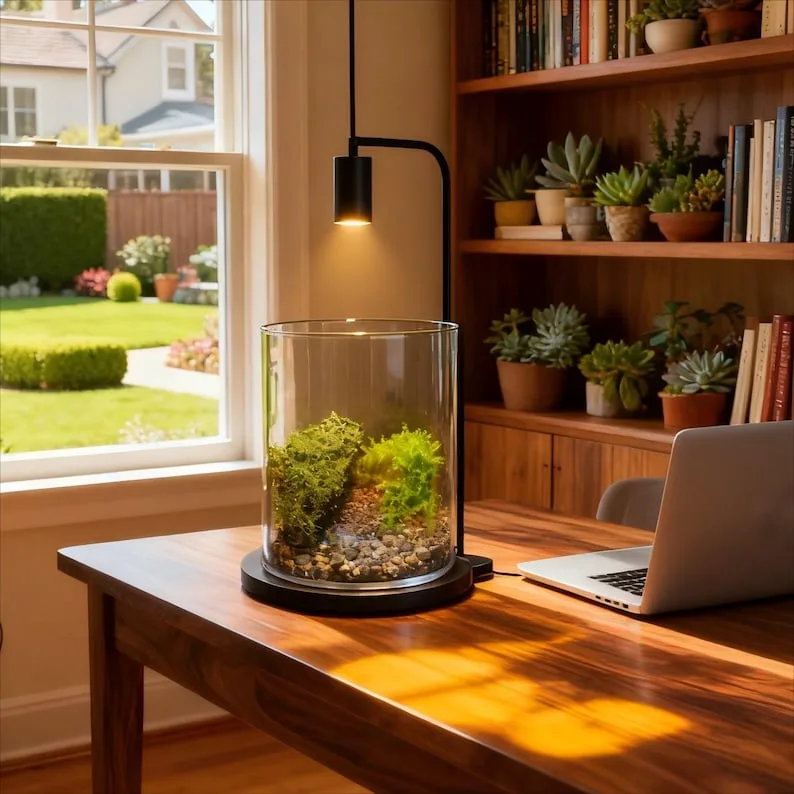
Modern life often keeps us locked inside, staring at bright screens for hours on end. Exploring the biophilic benefits of terrariums (therapeutic use) offers a practical solution to this screen fatigue. These miniature glass gardens bring the soothing power of nature directly onto your work desk.
The Environmental Protection Agency reports that average citizens spend approximately 90 percent of their lives indoors. This lack of green exposure strains our cognitive reserves and raises daily cortisol levels. By introducing a self-contained ecosystem, you can reset your nervous system through micro-breaks.
Let’s look at how these tiny glass worlds affect our mental health.
Quick Answer
The biophilic benefits of terrariums (therapeutic use) stem from natural stress reduction. Looking at green plants lowers human heart rates and blood pressure. Miniature ecosystems provide a mental rest from daily computer work.
Caring for these small gardens fosters grounding and calm focus.
The Modern Nature Deficit and the Need for Micro-Scapes
Our urban environments leave very little room for wild flora. Many people live in high-rise apartments with zero garden access. This severe lack of green surroundings can lead to a state of chronic sensory overload.
You do not need an entire backyard forest to experience the benefits of nature. Setting up miniature enclosed gardens allows you to cultivate a small slice of the outdoors. Before starting, choosing the container material is an important step to ensure proper light.
Most commercial and residential spaces are built for utility, not biology. Fluorescent lights, painted drywall, and synthetic carpets offer no natural variety. This lack of sensory stimulation is often called a sterile environment.
Introducing small natural elements breaks this sensory monotony. Unlike large potted plants, miniature glass setups pack a diverse range of materials into a small footprint. They combine soil, rocks, wood, and living foliage in a single visible system.
As of 2026, compact nature displays have become essential tools for home offices. They serve as visual anchors that pull us back to the physical world. This simple addition helps break up the monotony of concrete and drywall.
How Mini Ecosystems Interact with the Human Brain
Viewing natural elements triggers a cognitive state called soft fascination. Unlike the focused attention needed to read emails, soft fascination requires no mental effort. Your brain rests while your eyes wander over the organic patterns of moss.
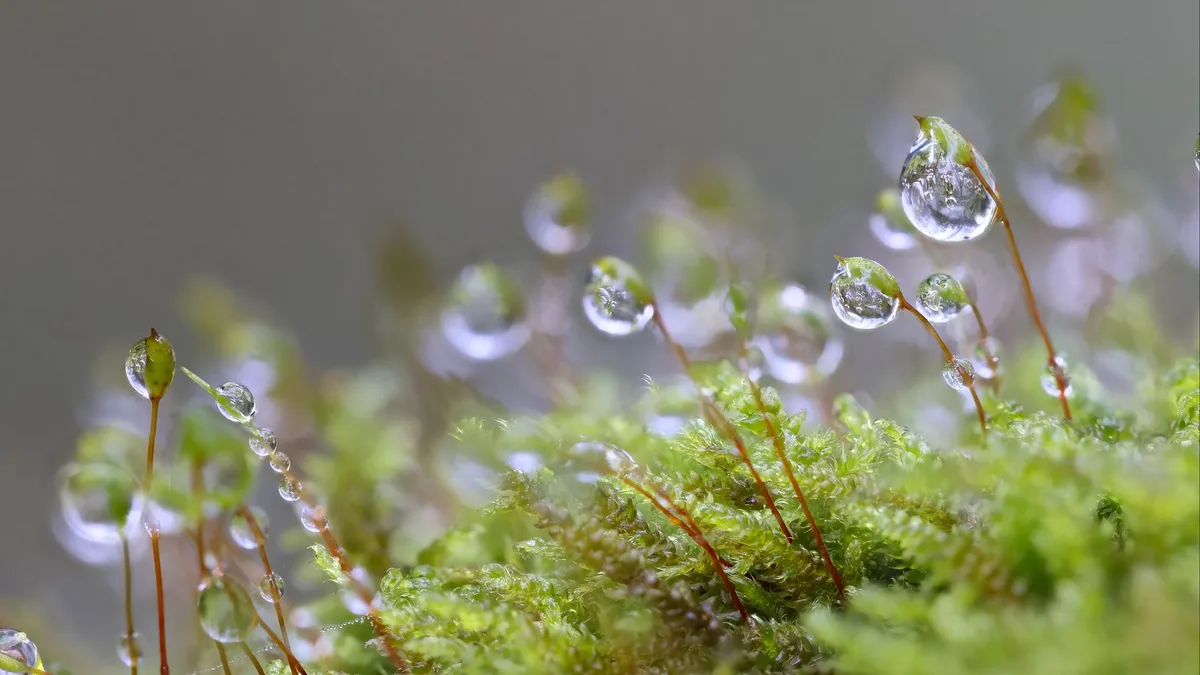
Peer-reviewed studies archived at the National Center for Biotechnology Information confirm that interacting with indoor plants lowers physiological stress. Working with soil stimulates the release of positive neurotransmitters. Even brief visual contact with green leaves can lower your blood pressure in under five minutes.
Roger Ulrich’s Stress Recovery Theory explains how fast-acting natural cues help us recover from acute stress. When you look at natural geometry, your heart rate variability increases. This change indicates a shift away from the sympathetic fight-or-flight state.
The brain processes these natural shapes easily. Computer screens present sharp angles and bright, unnatural light that require heavy processing power. In contrast, the organic curves of miniature foliage allow your visual cortex to relax.
The earthy scent of damp soil is another major sensory trigger. This aroma comes from geosmin, an organic compound released by soil bacteria. Humans are evolutionarily wired to find the scent of fresh rain and wet soil deeply comforting.
Assessing Your Mental Wellness Needs: Active Crafting vs. Passive Viewing
To get the most out of your green space, you must identify your wellness goals. Some people benefit most from the hands-on process of building a miniature world. Others simply want a quiet visual escape during a stressful workday.
Active crafting involves layering soil, placing plants, and pruning leaves. This physical assembly requires fine motor skills and keeps your mind in the present moment. You can explore different design classifications to find a build that matches your patience level.
Horticultural therapy is a recognized practice for improving mental clarity and motor skills. The physical actions of scooping soil and misting leaves act as a form of sensory grounding. By focusing on these tactile inputs, you quiet the constant noise of daily anxieties.
Passive viewing operates differently by serving as a visual sanctuary. Placing a green habitat within your peripheral vision helps reduce overall desk fatigue. Your eyes can easily drift to the green leaves when you need a brief mental pause.
The Terrarium Type Decision Tree: Closed vs. Open Systems
Before building, you must choose between a sealed humid environment and an open dry one. The choice depends on the specific sensory experience you want to cultivate. The table below compares the two systems side by side.
| Feature | Closed Systems | Open Systems |
|---|---|---|
| Humidity Level | High (70% to 90%) | Low (ambient room air) |
| Plant Types | Mosses, ferns, tropicals | Succulents, cacti |
| Sensory Focus | Earthy scents, misting | Textures, clean lines |
| Maintenance | Low (self-watering) | Medium (occasional watering) |
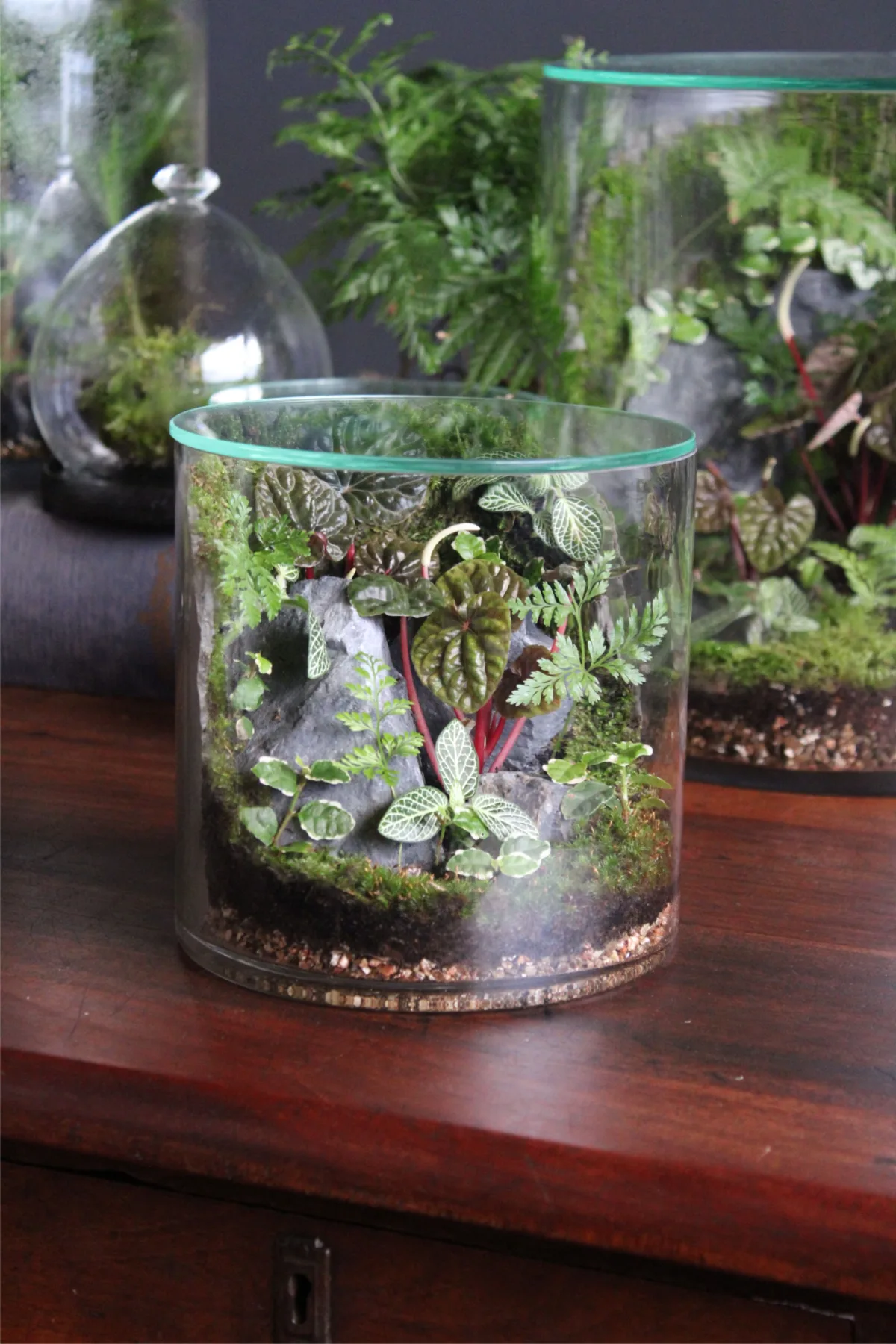
If you want to use your glass garden for physical stress relief, choose the style that matches your routine. Here is how to decide:
- If you enjoy earthy scents and want a self-sustaining system, build a closed moisture ecosystem.
- If you prefer structural beauty and bright sunshine, build an open desert landscape.
- If you have a dark workspace, a closed moss system with an artificial grow light works best.
- If you tend to forget to water your plants, a succulent setup will be easier to manage.
Option A: Closed Moisture Ecosystems for Deep Grounding
Closed systems create their own miniature water cycle. Water evaporates from the soil, condenses on the glass, and drips back down like rain. This constant movement represents a self-sustaining cycle that is fascinating to watch.
When you open the lid, you get an immediate burst of humid, earthy air. This scent can trigger memories of deep forests and natural landscapes. It is the ideal choice for people who crave a damp, lush environment.
For this setup, selecting moisture-loving species is crucial for long-term health. Ferns and mosses thrive in these damp conditions. They require very little intervention once the system balances itself.
Option B: Open Desert Landscapes for Structured Calm
Open systems are dry, warm, and highly structured. They feature sandy soils, pebbles, and slow-growing succulents or cacti. The visual appeal lies in their clean lines, geometric plant shapes, and desert colors.
Caring for an open container offers a different type of mental therapy. You must practice patience, as desert plants grow at a very slow pace. Learning about incompatible green varieties before planting prevents early setup failures.
This option is best for sunny spaces with plenty of dry airflow. The physical textures of the plants are easily accessible since there is no lid. You can gently touch the firm leaves of a succulent for an instant sensory break.
Selecting the Right Plants for Your Mental Sanctuary
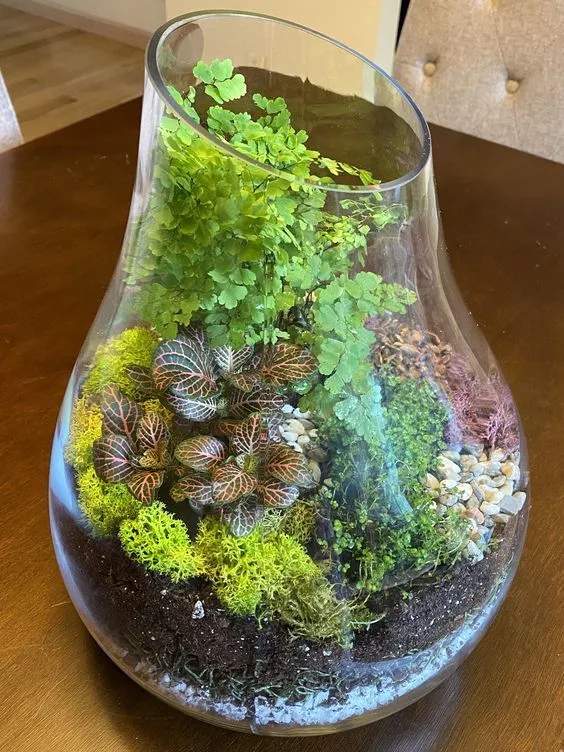
Choosing the right living elements determines how much peace your creation brings. If you select species with high maintenance needs, your therapy project might turn into a source of stress. You want hardy varieties that grow slowly and play well together.
For closed glass containers, look for tropical species that love moisture. The nerve plant (Fittonia) is a classic choice because its colorful veins pop against green moss. Ferns like the button fern add delicate, flowing textures that mimic a miniature forest canopy.
If you are building an open system, select slow-growing desert varieties. Clean, architectural options like Haworthia and Gasteria provide beautiful geometric patterns. Make sure to avoid pairing moisture-loving moss with desert cacti, as this will lead to plant rot.
Step-by-Step Setup: Building a Healing Glass Garden
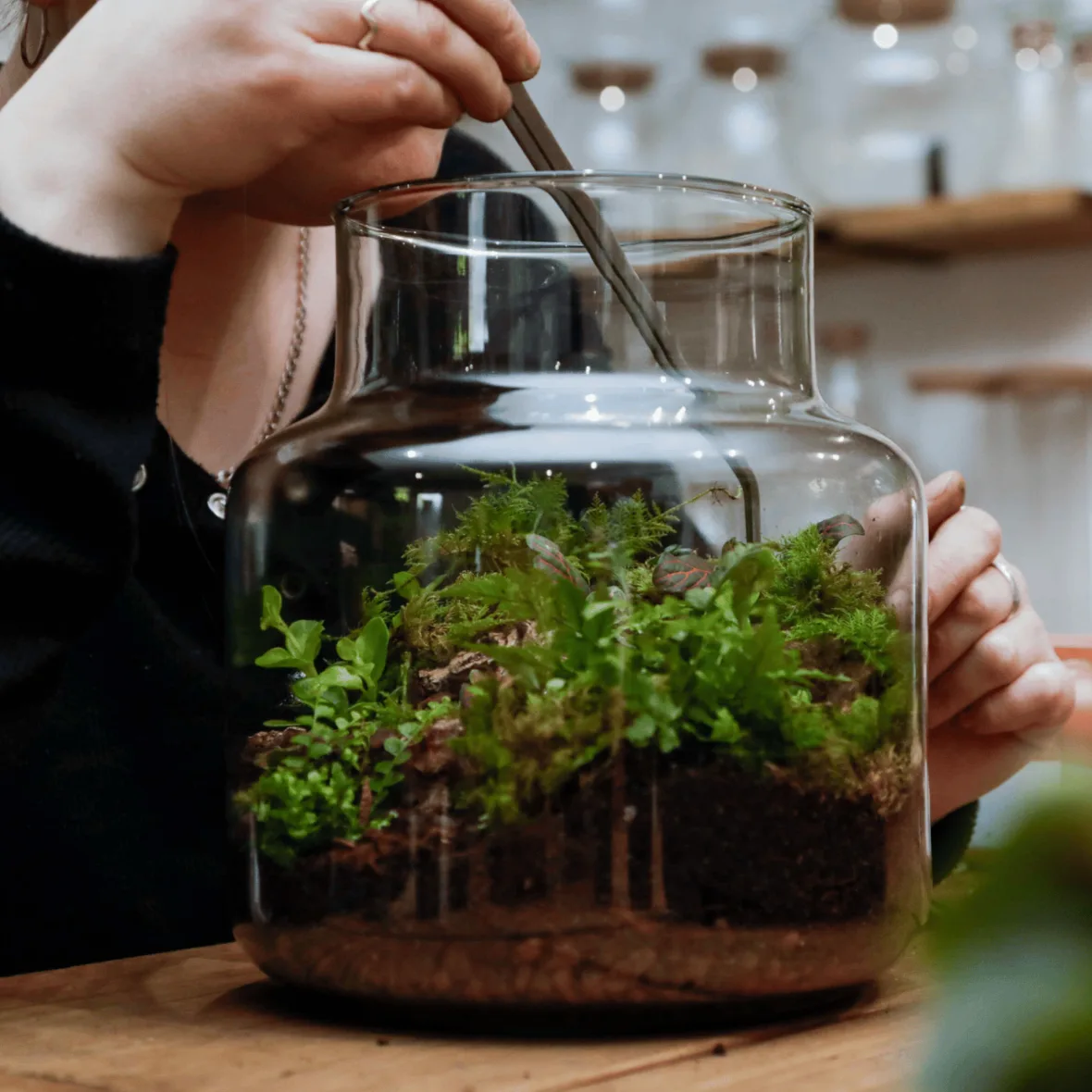
Building your miniature world is a meditative process. Set aside thirty minutes in a quiet room, turn off your phone, and focus entirely on the physical materials.
First, place a one-inch layer of small gravel or river stones at the bottom of your container. This layer collects excess water so your plants do not sit in saturated soil. Without this base, roots will rot and decay will set in quickly.
Second, create a separation between the rocks and your soil. You can achieve this by adding a mesh divider to keep layers clean. A thin layer of activated charcoal on top of the stones also helps keep the air inside clean and odor-free.
Third, add your growing medium. Using the proper growing medium provides the root support and nutrients your tropical or desert plants need to thrive. Pack it down gently to create a level surface for planting.
Fourth, insert your chosen plants. Use long tweezers or your fingers to press the roots into the soil. Finish the design by placing decorative rocks, bark, or sheet moss around the base of the stems.
Fifth, water the system carefully. Using pure water keeps mineral spots off the glass walls. Mist the plants lightly until the soil is damp but not muddy, then seal the lid.
The Daily 5-Minute Terrarium Mindfulness Practice
Once your miniature landscape is complete, you can use it for daily mental resets. Position the glass container at eye level near your desk or favorite chair. Commit to spending five minutes with the display every afternoon.
Begin by closing your eyes and taking three slow, deep breaths. Open your eyes and focus on a single leaf or patch of moss. Study the texture, the color gradient, and any tiny water droplets clinging to the surface.
Next, look at the ecosystem as a whole. Observe the quiet condensation on the glass and the way light filters through the foliage. Allow your mind to wander through the miniature valleys and pathways you constructed.
Finally, check the overall health of the environment. Look for small changes like a new leaf unfolding or a root growing deeper. This slow, predictable pace of life helps put daily worries into perspective.
Common Mistakes That Can Ruin the Therapeutic Experience
A dying terrarium creates frustration instead of peace. Beginners often make simple mistakes that disrupt the delicate balance of their miniature garden. Understanding these common errors will keep your plants thriving.
Overwatering is the most frequent issue. Too much moisture inside a sealed container creates a breeding ground for mold. It also cuts off oxygen to the roots, which causes the plants to melt and rot.
Placing the container in direct sunlight is another hazard. The glass walls act like a magnifying glass, trapping heat inside. This can cook your plants within a few hours.
Choosing between sunlight and grow lamps helps you control the heat levels.
Remember that delicate balanced systems do not tolerate drastic changes well. Avoid moving your container to different rooms constantly. Let the microclimate settle in one stable location with consistent ambient temperatures.
Troubleshooting Stress-Inducing Terrarium Issues
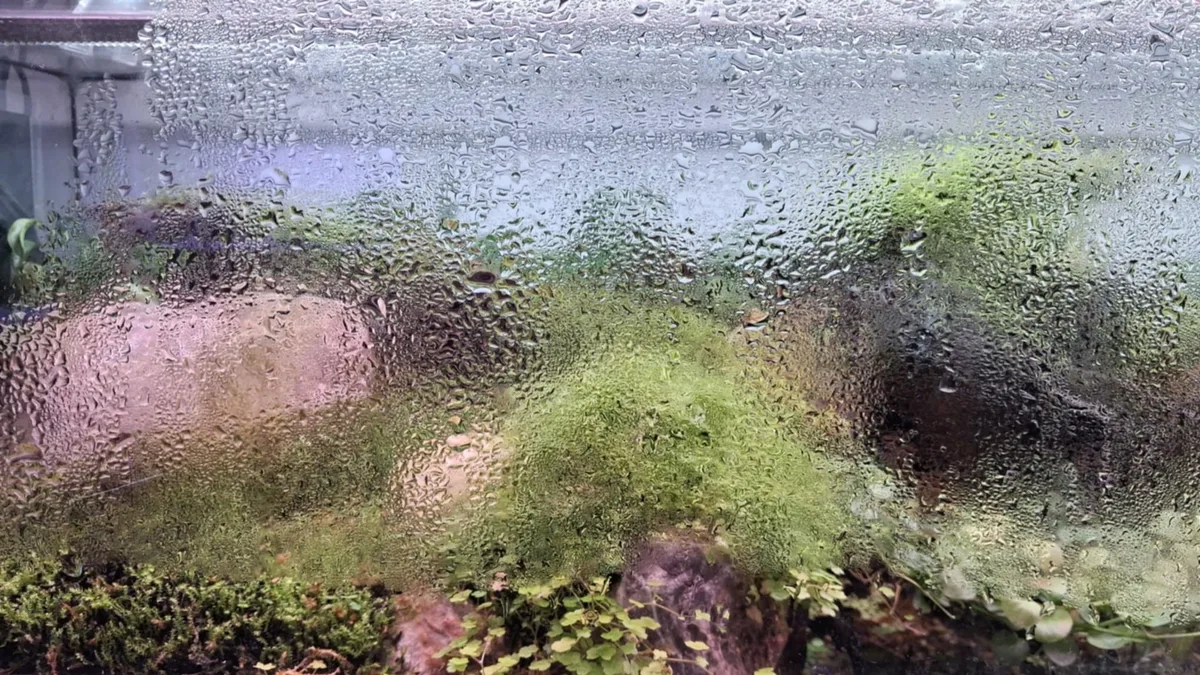
If you notice problems with your setup, do not panic. Most issues are easy to resolve if you catch them early. Knowing how to fix these problems turns a potential failure into a learning experience.
Heavy, persistent condensation on the glass means there is too much water inside. If you cannot see the plants through the fog, leave the lid off for a few hours. Tips for clearing foggy glass suggest repeating this process until only a light mist appears in the morning.
If you spot fuzzy white mold growing on the moss or wood, act quickly. Remove the affected piece with tweezers and wipe down the glass walls. Leaving the lid off for a day to reduce humidity usually stops the mold from returning.
Ignoring these early warning signs can lead to sudden ecosystem decay where all your plants die at once. Keep a close eye on the soil moisture and air circulation. Small adjustments will keep your therapeutic space healthy.
Choosing Between Self-Sustaining and Low-Maintenance Therapeutic Designs
When designing a mini garden for mental calm, you must decide how much hands-on care you want to provide. Understanding the functional differences in care styles helps you set realistic expectations.
A completely closed loop requires very little watering after the initial setup. On the other hand, a simple open display demands regular misting and pruning. Choose the style that fits your schedule so the hobby never feels like another chore.
How Glass Qualities Impact Visual Clarity and Calm
The clarity of your container glass directly affects the therapeutic value of your micro-scape. Cloudy or distorted glass blocks light and makes it harder to enjoy the details of your plants.
High-quality glass allows maximum light transmission to keep mosses vibrant. Learning how glass thickness modifies light can guide you in choosing the right vessel. Clean, clear glass ensures a crisp visual experience that immediately catches the eye.
Enhancing the Soil Ecosystem with Organic Leaf Litter
Adding dead organic matter to the soil mimics the floor of a real forest. This practice creates a more realistic environment and feeds the beneficial microbes in the substrate.
Using dried forest foliage provides natural hiding spots for tiny clean-up organisms. These decaying leaves break down slowly to release nutrients back into the soil. The visual contrast of brown leaves against green moss also adds organic realism to the miniature landscape.
Connecting with Online Terrarium Groups for Shared Wellness
Sharing your gardening journey with others can boost the mental health benefits of the hobby. Showing off your creations online provides a sense of accomplishment and connects you with like-minded people.
You can find valuable tips and feedback in various digital forums. Joining dedicated online plant spaces helps you solve common setup issues quickly. Engaging with these groups turns a solitary hobby into a shared social experience.
The Science-Backed Future of Indoor Nature Integration
Modern research continues to prove that indoor greenery is vital for psychological health. Integrating biophilic design into home offices will only become more common as remote work grows.
Small glass ecosystems offer an affordable, scalable way to bring nature indoors. They require minimal space and resources while providing daily cognitive restoration. Keeping a small garden nearby is a simple, lasting investment in your personal well-being.
Understanding the Historical Roots of Therapeutic Glass Gardens
The psychological connection to glass gardens is not a new trend. In the Victorian era, Wardian cases allowed city dwellers to protect delicate ferns from polluted air.
Learning about the history of glass containers shows a long human desire to keep nature close during industrial growth. These historical setups served the same basic purpose we value today. They offered a quiet escape from crowded, unnatural urban environments.
Managing Temperature Stability for Peaceful Plant Growth
A stable environment helps maintain both plant health and your peace of mind. Glass containers protect plants from sudden temperature shifts by absorbing and releasing heat slowly.
This natural heat retention quality prevents thermal stress for your green companions. Keeping the vessel away from cold drafts and direct heating vents prevents sudden microclimate changes. A stable temperature keeps your mini ecosystem thriving with minimal daily effort.
Frequently Asked Questions
Do terrariums really reduce stress?
Yes, research shows that looking at green plants lowers blood pressure and heart rates. The natural patterns trigger soft fascination, which restores focused attention. Caring for the mini landscape also acts as a grounding exercise to reduce daily anxiety.
How often do I need to maintain my terrarium?
A closed system requires very little ongoing work. You only need to check the moisture levels once a month and prune overgrown leaves occasionally. Following a routine care schedule keeps the ecosystem stable without adding chores to your busy day.
Where is the best place to put my therapeutic terrarium?
Place your container where you spend the most time working or relaxing. A desk, a side table, or a shelf at eye level works perfectly. Ensure the location receives bright, indirect sunlight but stays safe from drafty vents.
Can I build a terrarium if I have no gardening experience?
Absolutely. Closed moss systems are incredibly forgiving and require almost no previous plant knowledge. Starting with hardy plants like mosses and ferns is a great way to learn without the pressure of complex care routines.
Choosing Your Path to Biophilic Calm
Bringing a miniature green world into your daily routine is an easy way to restore your connection with nature. Whether you build a lush moss forest or set up a clean succulent display, the benefits to your mind are immediate.
Start with a simple setup and let yourself enjoy the quiet process of watching it grow. By taking a few moments each day to care for your miniature ecosystem, you build a reliable habit of mental rest.








