

Terrarium Maintenance 101: Daily, Weekly, Monthly Care starts with understanding that a thriving terrarium isn’t just about watering, it’s about balance. Without the right routine, even the hardiest plants can turn into a moldy mess or dry out within weeks.
A well-maintained terrarium can last years with minimal effort, but only if you follow a simple, consistent schedule. The key is matching your care to the type of terrarium and plants you have, as closed systems need far less attention than open ones.
Quick Answer
Terrarium Maintenance 101: Daily, Weekly, Monthly Care means small, regular tasks. Check moisture and light daily. Mist or ventilate weekly.
Prune and clean monthly. Closed terrariums need less water than open ones.
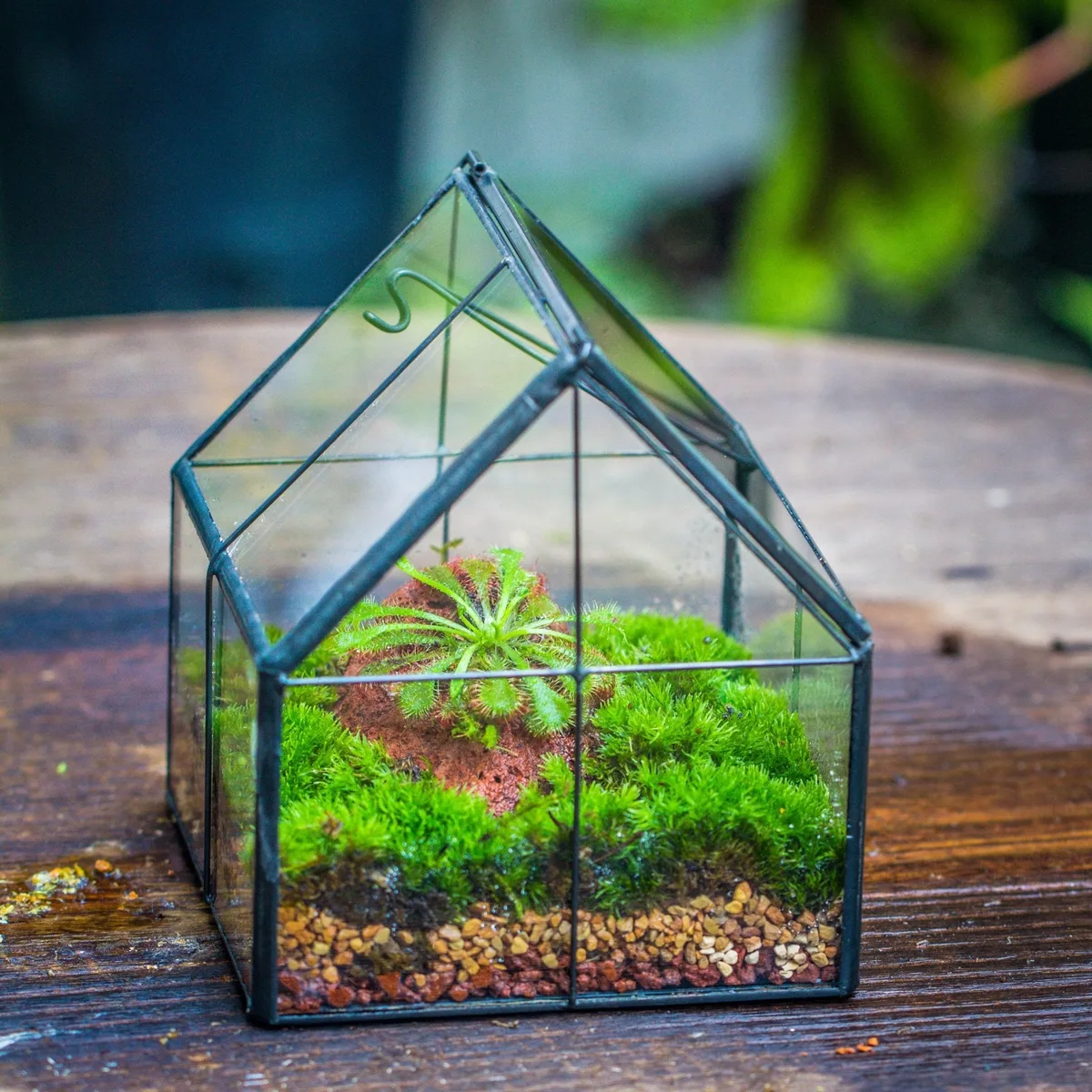
Why Terrarium Maintenance Matters (And What Happens If You Skip It)
Skip maintenance, and your terrarium becomes a petri dish. Overwatering leads to root rot and mold. Underwatering turns plants crispy.
Poor light makes them leggy or stunted.
Closed terrariums can self-sustain for months, but only if the balance of moisture, light, and airflow is right. Open terrariums dry out faster and need more frequent checks.
Open vs. Closed Terrariums: How Care Differs
Open terrariums have no lid, so they lose moisture quickly. They’re best for drought-tolerant plants like succulents or air plants. You’ll need to mist them every 1, 2 weeks, depending on humidity.
Closed terrariums are sealed, creating a humid microclimate. They’re ideal for tropical plants like ferns and mosses. These can go months without water, but you must monitor condensation to avoid rot.
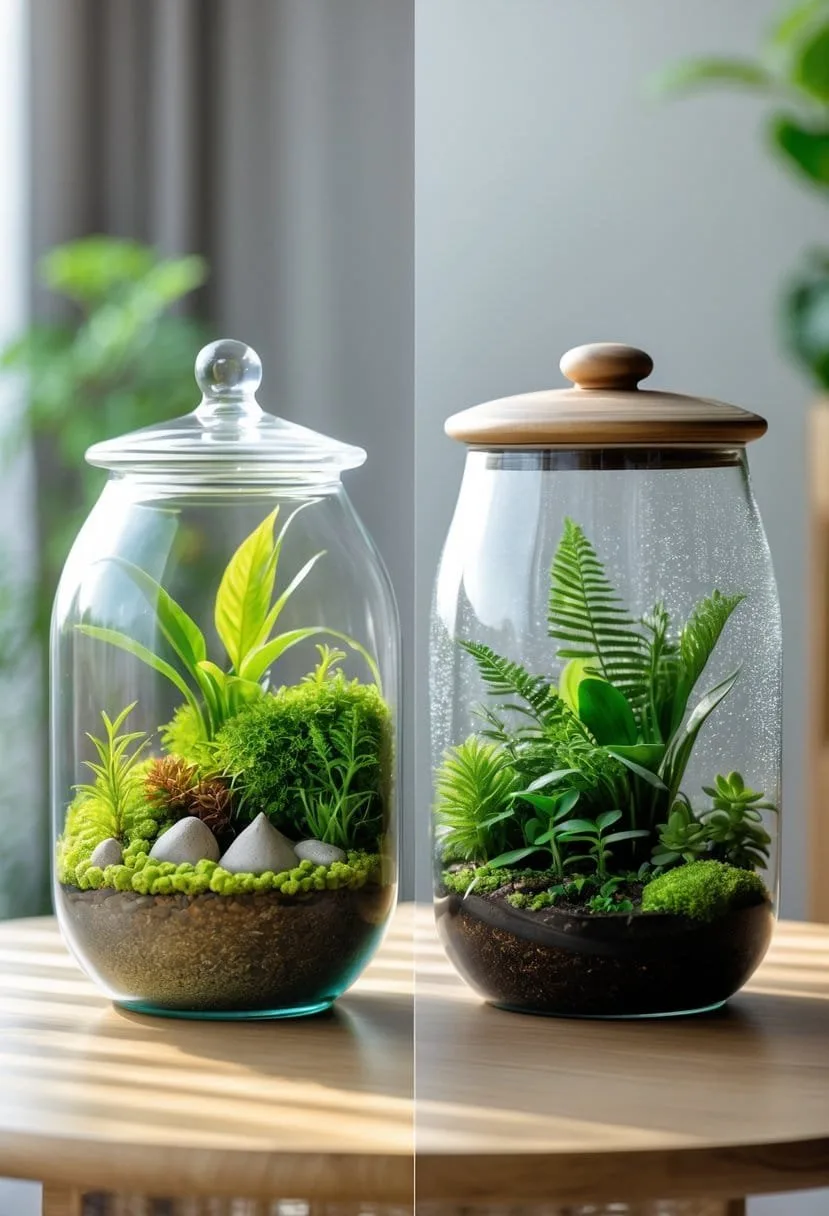
Here’s a quick comparison:
| Factor | Open Terrarium | Closed Terrarium |
|---|---|---|
| Humidity | Low, needs frequent misting | High, self-sustaining |
| Watering | Every 1–2 weeks | Every 4–8 weeks |
| Best Plants | Succulents, cacti, air plants | Ferns, mosses, fittonia |
| Light Needs | Bright indirect light | Bright indirect to low light |
| Ventilation | Constant airflow | Sealed, minimal airflow |
For more on the differences between terrariums and other plant containers, check out the key distinctions.
The 3-Layer Terrarium System (And Why Each Layer Matters)
A healthy terrarium starts with the right foundation. The three layers, drainage, charcoal, and soil, work together to prevent rot and keep plants thriving.
The bottom layer is drainage, usually pebbles or gravel. This keeps excess water away from roots. Above that, a thin layer of activated charcoal filters water and prevents odors.
The top layer is soil, chosen to match your plants’ needs.
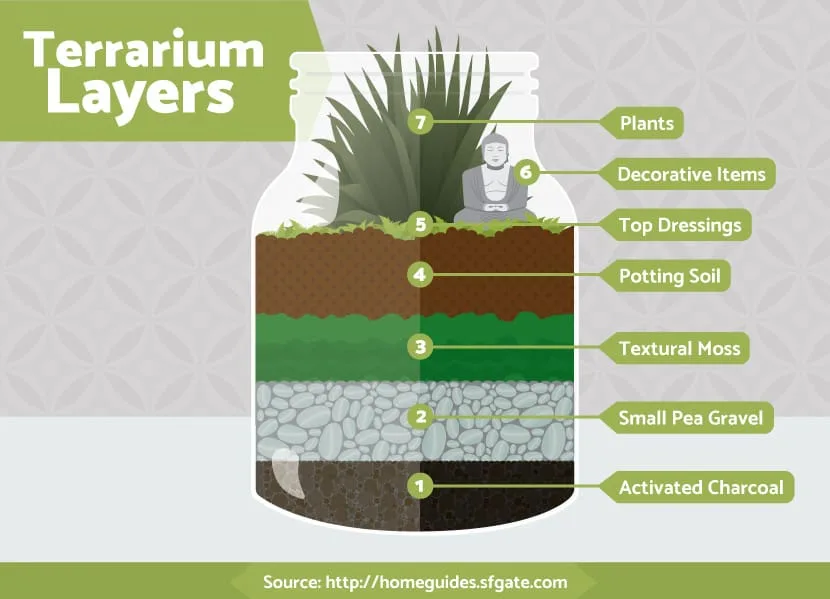
| Layer | Purpose | Materials | Thickness |
|---|---|---|---|
| Drainage | Prevents waterlogging | Pebbles, gravel, or sand | 1–2 inches |
| Charcoal | Filters water, prevents odors | Activated charcoal | 0.5 inches |
| Soil | Anchors plants, holds moisture | Potting mix, coconut coir, moss | 2–4 inches |
For a deeper dive into terrarium terminology, see our essential glossary.
Daily Terrarium Care: The 2-Minute Checklist
Daily care is about observation, not action. Check for condensation in closed terrariums, too much means it’s time to vent. Look for wilting, yellowing, or pests on plants.
If the glass is foggy, open the lid for a few hours to let excess moisture escape. For open terrariums, ensure the soil isn’t bone dry or waterlogged.
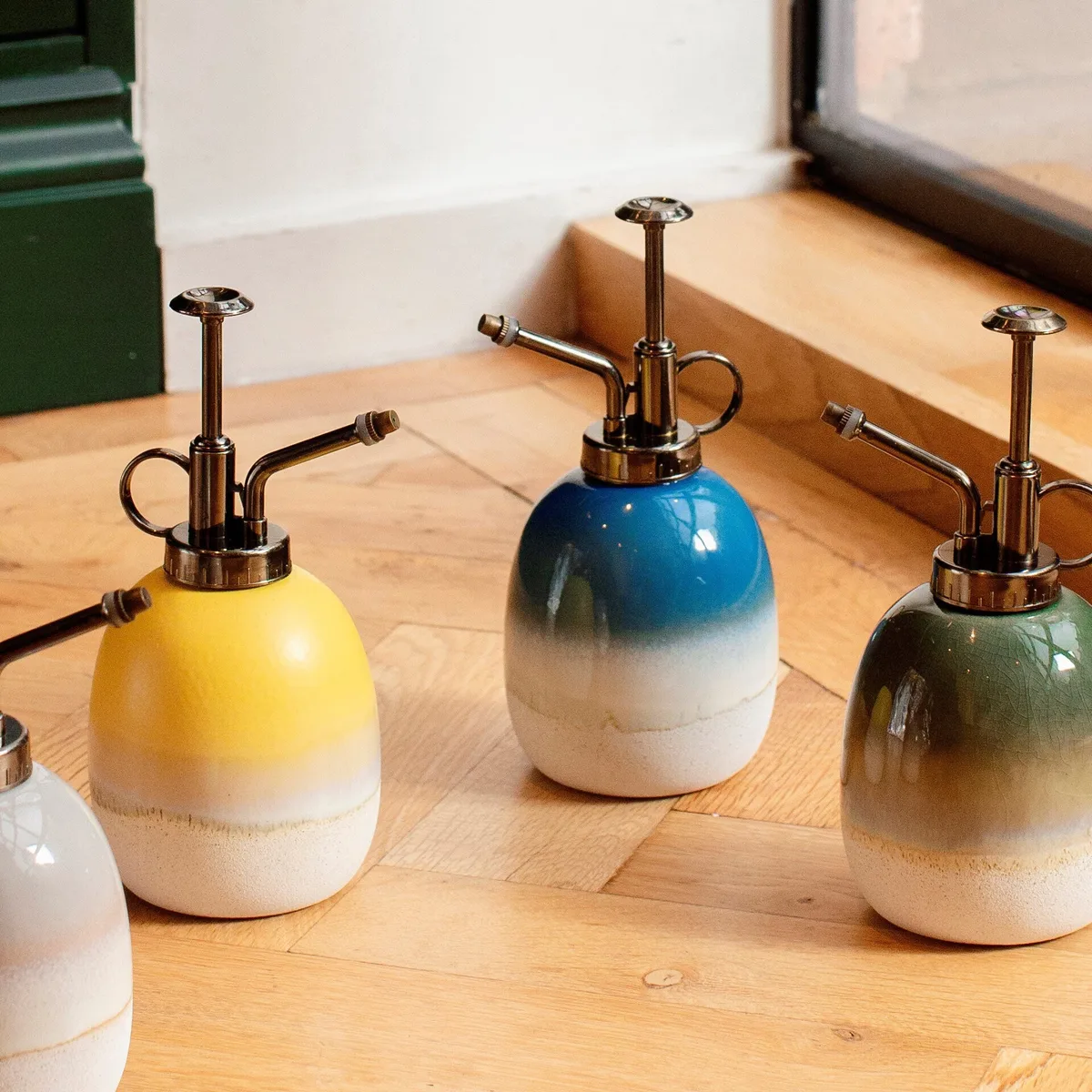
Keep these tools handy:
- Misting bottle for light watering
- Pruning shears for trimming
- Tweezers for adjusting small plants or decor
- Soft cloth for wiping glass
A quick daily glance catches problems early. For common beginner questions, our guide for new terrarium owners covers the basics.
Daily care is about observation, not action. Check for condensation in closed terrariums, too much means it’s time to vent. Look for wilting, yellowing, or pests on plants.
If the glass is foggy, open the lid for a few hours to let excess moisture escape. For open terrariums, ensure the soil isn’t bone dry or waterlogged.
Keep these tools handy:
- Misting bottle for light watering
- Pruning shears for trimming
- Tweezers for adjusting small plants or decor
- Soft cloth for wiping glass
A quick daily glance catches problems early. For common beginner questions, our guide for new terrarium owners covers the basics.
Weekly Terrarium Tasks: Keep It Thriving Without Overdoing It
Weekly care focuses on maintaining balance. For open terrariums, mist lightly if the soil feels dry. For closed ones, check condensation levels and vent if needed.
Remove any dead leaves or debris to prevent mold. Rotate the terrarium 90 degrees to ensure even light exposure. This prevents plants from growing lopsided.
If you notice pests like fungus gnats, address them immediately. A simple solution is to let the soil dry out completely between waterings. For persistent issues, a layer of sand on top of the soil can deter them.
Monthly Deep Clean & Reset: Prevent Problems Before They Start
Start with a full inspection. Remove any dead or dying plants to prevent disease spread. Trim back overgrown foliage to maintain airflow and aesthetics.
Check the drainage layer for standing water or foul odors. If present, empty the terrarium and refresh the charcoal and pebbles. Wipe down the glass with a damp cloth to remove algae or mineral deposits.
When to Repot
If roots are circling the bottom or plants look crowded, it’s time to repot. Use fresh soil and prune back roots if necessary. This keeps your terrarium healthy for another growing cycle.
Watering Rules: How Much, How Often, and When to Stop
Open terrariums need water every 1, 2 weeks. Closed ones may go 4, 8 weeks between waterings. Always check soil moisture first, stick your finger in an inch deep.
If the soil feels dry, mist lightly. If it’s damp, wait. Overwatering is the top killer of terrariums.
Yellow leaves or mold are red flags.
Signs You’re Watering Wrong
Brown, crispy tips mean underwatering. Yellow, mushy leaves mean overwatering. Adjust your schedule based on the season too.
Plants need less water in winter.
Light Requirements: Natural vs. Grow Lights (And How to Tell If It’s Enough)
Most terrariums thrive in bright, indirect light. Direct sunlight can scorch leaves, especially in closed systems. A north or east-facing window is ideal.
If natural light is scarce, use a grow light. LED bulbs with a color temperature of 5000, 6500K work well. Keep the light 6, 12 inches above the terrarium for 10, 12 hours a day.
How to Spot Light Problems
Leggy, stretched plants need more light. Bleached or scorched leaves mean too much. Rotate the terrarium weekly for even exposure.
Humidity Control: The #1 Reason Closed Terrariums Fail
Closed terrariums trap moisture, which is great until it’s not. Too much humidity causes rot and mold. Too little dries out tropical plants.
If condensation covers more than half the glass, vent the terrarium for a few hours. If the glass is bone dry, mist lightly and reseal.
Humidity by Plant Type
Ferns and mosses love high humidity. Succulents and cacti prefer it dry. Match your plants to your terrarium type, or adjust your care routine accordingly.
Pruning, Trimming, and Plant Swaps: When and How to Do It
Prune when plants touch the glass or crowd each other. Use clean, sharp scissors to avoid tearing stems. Remove dead or yellowing leaves immediately to prevent disease.
If a plant outgrows its space, swap it for a smaller or slower-growing variety. This keeps your terrarium looking neat and healthy.
Best Tools for the Job
Small pruning shears work for larger plants. Tweezers help with delicate adjustments. Always sterilize tools with rubbing alcohol between uses to prevent contamination.
Common Terrarium Problems (And How to Fix Them Fast)
Mold or Algae on Glass
This usually means too much moisture. Remove the lid and let it air out for a day. Wipe the glass with a damp cloth and reduce watering.
Yellowing Leaves
Overwatering is the most common cause. Stop watering and let the soil dry out. If the problem persists, check for root rot and trim affected roots.
Pests Like Fungus Gnats
These thrive in damp soil. Let the top layer dry completely between waterings. A layer of sand on the soil surface can deter them.
Wilting Plants
Underwatering or poor light are the usual culprits. Check soil moisture and move to a brighter spot if needed.
Best Plants for Low-Maintenance Terrariums (And Which to Avoid)
Easy Care Picks
Fittonia, mosses, and peperomia thrive in closed terrariums. They tolerate low light and high humidity. Succulents and air plants work best in open terrariums.
Plants to Skip
Avoid fast-growing species like ivy or pothos. They’ll quickly outgrow the space. Also steer clear of plants with high light needs, like most herbs.
Toxic Plants
If pets or kids are around, avoid toxic varieties. Some common ones include philodendron and dieffenbachia. Stick to pet-safe options like spider plants or parlor palms.
Seasonal Adjustments: Winter vs. Summer Care
Winter Care
Plants grow slower in colder months. Reduce watering frequency by half. Move terrariums away from cold drafts or heating vents.
Summer Care
Higher temperatures mean faster evaporation. Check moisture levels more often. If using grow lights, reduce the duration to 8, 10 hours to prevent overheating.
Light Changes
Days are shorter in winter. Supplement with grow lights if natural light is insufficient. In summer, protect from direct sunlight to avoid scorching.
Terrarium Maintenance Schedule: Your At-a-Glance Cheat Sheet
Daily
Check for condensation in closed terrariums. Observe plant health and light exposure.
Weekly
Mist open terrariums if soil is dry. Wipe glass to remove dust or algae. Rotate for even light.
Monthly
Prune overgrown plants. Remove dead leaves. Check drainage layer for standing water.
Seasonally
Adjust watering and light based on temperature changes. Repot if plants outgrow the space.
For a deeper understanding of terrarium basics, explore our complete beginners guide.
Frequently Asked Questions
How often should I water a closed terrarium?
Closed terrariums typically need water every 4, 8 weeks. Always check soil moisture first. If condensation is heavy, skip watering and vent the lid.
Can I use tap water for my terrarium?
Tap water is fine if it’s not heavily chlorinated. For sensitive plants, use filtered or distilled water. Let tap water sit out for 24 hours to allow chlorine to evaporate.
Why are my terrarium plants turning yellow?
Yellow leaves usually signal overwatering. Stop watering and let the soil dry out. If the problem continues, check for root rot or poor drainage.
Do terrariums need fertilizer?
Most terrariums don’t need fertilizer. The closed ecosystem recycles nutrients. If growth slows, use a diluted liquid fertilizer sparingly, about once every 3, 4 months.
How do I get rid of mold in my terrarium?
Remove the lid and let it air out. Wipe down the glass and affected plants with a damp cloth. Reduce watering and ensure proper airflow.
Can I mix different plants in one terrarium?
Yes, but choose plants with similar light and water needs. Avoid mixing drought-tolerant plants with moisture-loving ones. This prevents one type from suffering while the other thrives.








