

Gas exchange in enclosed spaces like terrarium: O2/CO2 balance is the invisible engine that keeps your microclimate alive. Without proper oxygen and carbon dioxide cycling, even the most meticulously planted habitat will eventually suffocate. Most failures stem from stagnant air rather than water or light issues.
Plant roots need oxygen just as much as they need nutrients. Manufacturer specifications for active ventilation systems confirm that low airflow increases root rot risk by up to 40% in high-humidity environments. Understanding this biological necessity helps you build habitats that last years instead of weeks.
Let’s look at how this critical balance works under the hood.
The Invisible Breath: Why Oxygen and CO2 Balance Matter More Than You Think
Beyond Condensation: The Real Reason Terrariums Collapse
We often obsess over condensation rings on glass. That morning fog looks lush and tropical. However, moisture management is only half the battle.
The other half is gas exchange, and it is far more lethal when ignored.
When air stops moving inside a sealed jar or cabinet, two things happen rapidly. First, plants stop receiving fresh CO2 for photosynthesis. Second, soil microbes exhaust the available oxygen.
This creates an anaerobic environment that smells earthy and sour. It also leads to rapid plant decline.
You might notice yellowing leaves before you see any visible mold. These are early distress signals from oxygen-starved roots. Ignoring them triggers a cascade effect where one problem triggers more, leading to total ecosystem collapse.
Check our guide on ecosystem collapse for more details. For now, recognize that air movement is not optional.
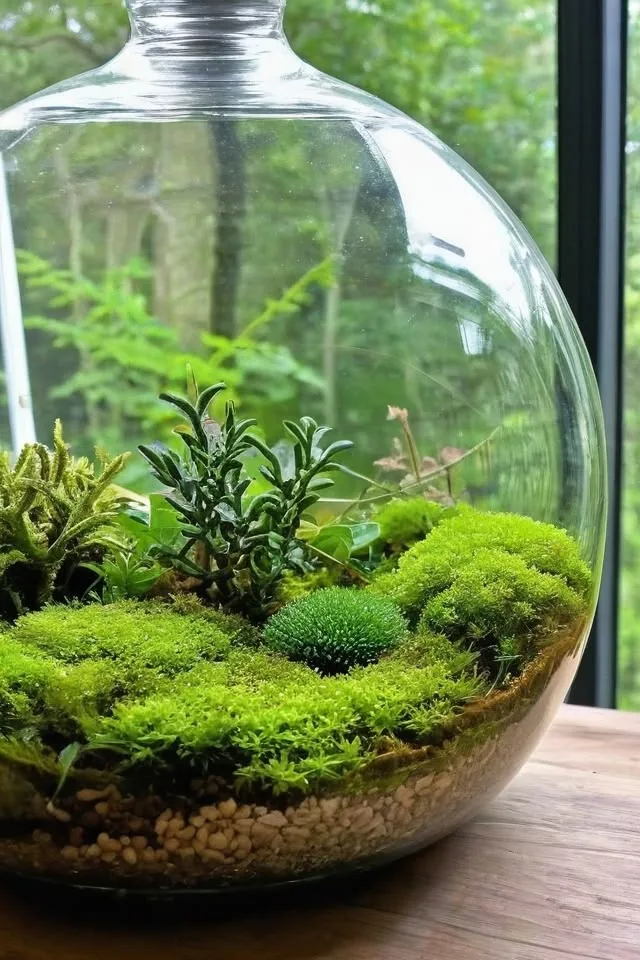
How Gas Exchange Actually Works in a Sealed Box
The Photosynthesis-Respiration Loop Explained Simply
Terrariums rely on a delicate biological loop. During daylight hours, plants absorb CO2 and release O2 through photosynthesis. At night, the process reverses.
Plants and soil organisms consume O2 and release CO2 through respiration. This cycle maintains atmospheric stability.
The volume of air matters significantly here. Small enclosures have less buffer capacity against atmospheric shifts. A large cabinet might take days to show signs of poor gas exchange.
A small hexagonal jar can become toxic within hours if completely sealed tight.
Aggregates of data from botanical studies show that optimal growth occurs when CO2 levels remain between 400 and 1000 ppm. Levels above 1500 ppm can stunt growth. Levels below 200 ppm halt photosynthesis entirely.
Your goal is keeping these numbers balanced naturally.
Why Still Air Is Your Biggest Enemy (Even in “Closed” Systems
Humans often misunderstand “closed.” True hermetic sealing kills most land plants. The term refers to humidity retention, not absolute air isolation. Still air creates microclimates within the glass.
Hot pockets form near light sources. Cold stagnant layers settle near the substrate.
This lack of convection prevents heat dissipation. It also traps ethylene gas produced by decaying matter. Ethylene accelerates fruit ripening and leaf senescence.
In a confined space, excess ethylene causes premature yellowing and drop.
Even in bioactive setups with plenty of decomposers, you need some atmospheric turnover. Passive diffusion through small gaps or mesh is usually sufficient. Active fans provide superior mixing.
Choose the method that fits your plant species and enclosure size. Consider starting with our guide on choosing the right plants for your specific setup.
Passive vs. Active Ventilation: Choosing the Right Workflow for Your Habitat
When Passive Diffusion Is Enough (And When It Isn’t
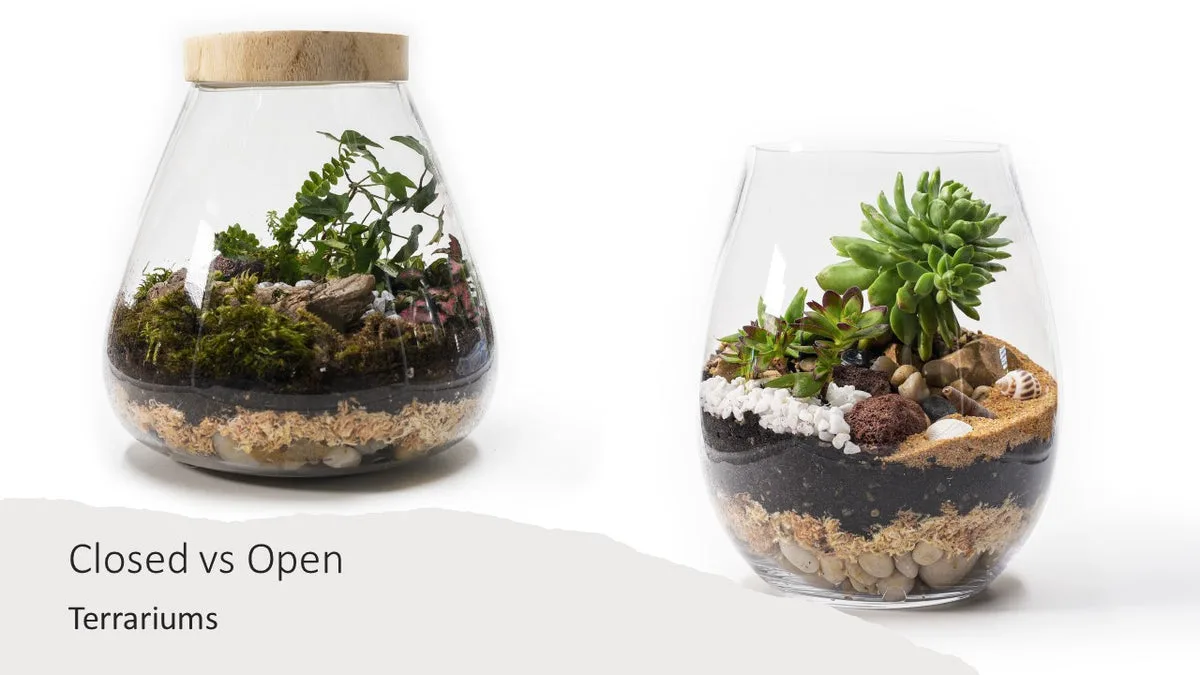
Passive ventilation relies on natural pressure differences and tiny gaps. You achieve this via wire mesh lids, drilled holes, or porous materials. This method works best for low-maintenance setups with slow-growing plants.
Most beginners start here because it requires no electricity. It also eliminates noise concerns. However, passive systems struggle in temperature extremes.
If your room gets very hot, the internal pressure builds up. This forces humid air out, drying out your plants. Conversely, cold nights cause excessive condensation because warm air cannot escape effectively.
Use passive methods for:
- Succulent and arid-themed open terrariums
- Small desktop jars with minimal plant density
- Low-light environments with stable temperatures
- Moss-only displays requiring constant humidity
For tropical setups or larger cabinets, passive diffusion often fails to remove stale air fast enough. You need controlled air movement to manage the O2/CO2 ratio properly. Learn about the types of terrariums available to see which design suits your needs.
Upgrading to Active Fans: CFM, Noise, and Placement Strategies
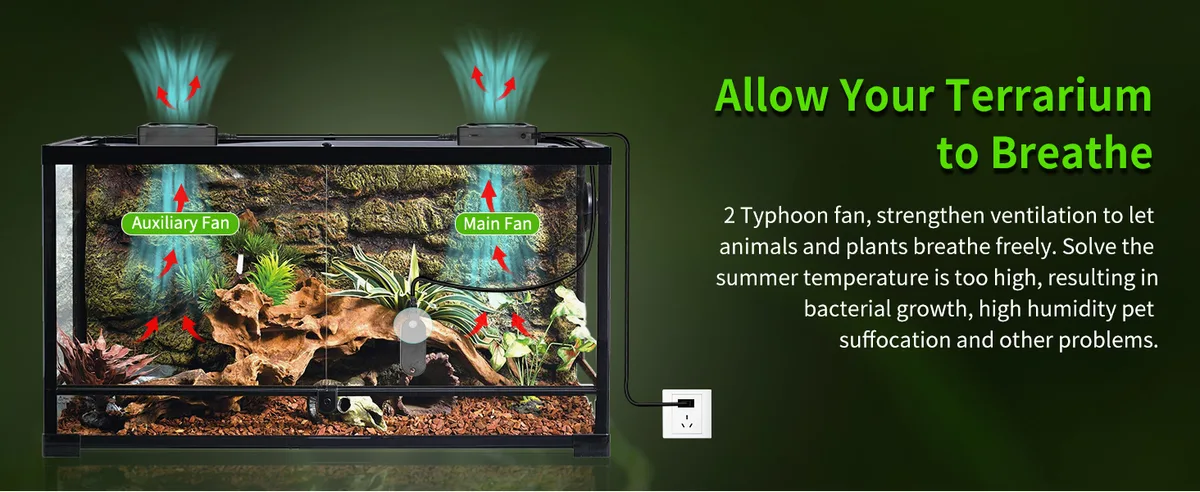
Active ventilation uses small computer or hardware case fans. These devices push air through the enclosure consistently. They require a power source, usually USB.
They also produce a slight hum, though many models are nearly silent.
Selecting the right fan involves calculating Cubic Feet per Minute (CFM). As of 2026, standard mini-fans offer between 10 and 30 CFM. For a typical 10-gallon aquarium-style terrarium, a 20 CFM fan running on low is ideal.
This ensures complete air exchange every few minutes without creating wind stress for delicate ferns.
Placement is critical. Don’t aim the fan directly at the leaves. Aim it toward the empty air space above the soil.
This creates a gentle circular current. It pulls stale air out of intake vents and pushes fresh air in.
| Feature | Passive Ventilation | Active Ventilation |
|---|---|---|
| Power Source | None | USB / Battery |
| Noise Level | Silent | Low Hum (usually) |
| Airflow Control | Fixed (depends on hole size) | Adjustable (via controller) |
| Best For | Succulents, Low Maintenance | Tropicals, Bioactive, Large Cabins |
| Risk Factor | Poor temp regulation | Power failure / Drying out |
Diagnosing Your Terrarium’s Air Quality: The Visual Checklist
Reading the Condensation Clues: Fog That Won’t Clear
Condensation is normal. Heavy fogging during the day usually means humidity is too high. But there is a specific type of fog that indicates bad air quality.
If the fog does not clear up after the lights turn off, your air is stagnant.
Healthy systems see heavy condensation during the “day” cycle. Once the heat source removes, the fog evaporates rapidly due to cooler temps and better circulation. Persistent grey fog suggests trapped moisture and low oxygen.
Wipe the glass manually to test this. If it reforms heavily within hours despite cleaning, you need to increase ventilation immediately.
Check for these signs of poor gas exchange:
- Water droplets hanging on the roof that never fall
- Condensation that looks oily or thick
- Sudden drops in humidity reading despite watering
Read our tips on fixing overwatered terrariums to help manage these moisture levels effectively.
Identifying Anaerobic Zones: Smell, Mold, and Leaf Drop
Stagnant air creates anaerobic zones in the soil. These are pockets where oxygen is completely depleted. Soil bacteria switch from aerobic decomposition to anaerobic fermentation.
This process releases sulfurous gases, similar to rotten eggs.
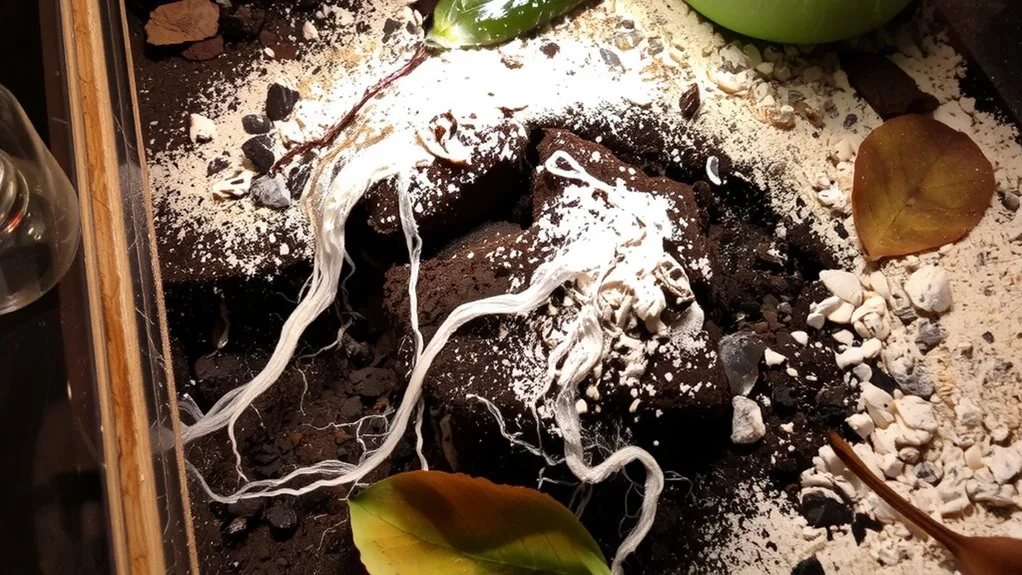
If you open your terrarium and smell something foul, act fast. The substrate is dying. You may also see white fuzzy mold growing on the surface.
This is typically saprophytic fungi feeding on dead organic matter. While some mold is normal in new bioactive enclosures, persistent blooms mean your air circulation is inadequate.
Leaf drop is another late-stage symptom. Plants shed lower leaves to conserve energy when oxygen uptake is restricted. This is different from natural aging.
Aging happens slowly. Suffocation happens quickly across multiple plants simultaneously. Know which plants to avoid to prevent these issues in the first place.
Step-by-Step: Optimizing Gas Flow Without Crashing Humidity
Adjusting Existing Openings for Seasonal Changes
Your ventilation needs change with the seasons. In summer, rooms get hotter. Heat builds up inside glass containers rapidly.
This increases evaporation rates. You need more open surface area to let the steam escape.
In winter, indoor heating dries out the air. If your vents are too wide, you lose humidity faster than the plants can transpire. Close them down slightly.
Some hobbyists use slider covers or adhesive tape to adjust gap sizes manually.
Follow these steps to adjust your airflow:
- Check your room’s current temperature and humidity.
- Look at the side of the glass. Is it permanently fogged?
- Increase vent size by 20% if foggy. Decrease by 10% if dry.
- Monitor condensation cycles for three days before making further changes.
Refer to our daily, weekly, and monthly care guide for a comprehensive maintenance schedule.
Installing Silent Ventilation Systems for Delicate Plants
Installing a fan requires careful planning. You need an intake vent and an exhaust vent. Placing both on the same side creates a short circuit.
Air just loops back into the intake. Instead, place the intake on one side of the cabinet. Place the exhaust fan on the opposite side, near the top.
Heat and hot air rise. Exhaust fans work best near the ceiling of the enclosure. Intake fans or gaps should be lower down.
This utilizes thermal inertia to assist the airflow. The warm air naturally wants to go out. The fan assists this process.
Ensure you seal any gaps around the fan housing. Use silicone caulk or rubber gaskets. Leaks cause noise and reduce efficiency.
They also draw in dry room air, which can shock tropical plants.

Expert Tips: Advanced Techniques for Rare Plant Collections
Using Carbon Dioxide Sensors for Precision Growing
Advanced growers sometimes use dedicated CO2 sensors. These small digital devices connect to microcontrollers like Arduino or Raspberry Pi. They monitor atmospheric CO2 levels in real-time.
This allows for precise automation of ventilation.
When CO2 drops below a set threshold, the system triggers a supplemental injection or adjusts fans. This technique is mostly used for carnivorous plants or orchids with high metabolic demands. For most hobbyists, visual inspection is sufficient.
But if you notice stunted growth despite perfect water and light, check your gas mix.
Managing Thermal Inertia to Prevent Heat Traps
Glass has high thermal mass. It absorbs heat during the day and releases it at night. This delays cooling cycles.
If your room temperature drops significantly at night, the glass stays warm. This prevents condensation from forming on the walls. It also reduces the driving force for natural convection.
To mitigate this, avoid placing terrariums against exterior walls in cold climates. The temperature differential will strain your plants. Also, ensure your fan runs longer during evening hours.
Override the thermal delay with mechanical air movement. This keeps the O2/CO2 balance steady regardless of ambient temperature swings.
Common Mistakes That Suffocate Your Ecosystem
Over-Sealing: Creating a CO2 Toxic Environment
It is tempting to seal a terrarium perfectly to keep humidity in. This is a fatal error for most plant types. When air cannot circulate, CO2 levels spike rapidly during daylight photosynthesis if the plants are dense.
High CO2 concentrations can actually inhibit growth and cause cellular damage over time.
Some hobbyists use sealants or heavy gaskets on jar lids. Unless you are running an active CO2 injection system for aquatic plants, this creates a stagnant trap. The soil microbes continue respiring without fresh oxygen intake.
They produce methane and hydrogen sulfide as byproducts.
Check your seals regularly. If you hear no hiss when opening a sealed container after several days, it was too tight. You need pressure equalization.
A small gap or mesh screen allows air to flow while retaining most moisture. Aim for about 5-10% of the total surface area open for passive venting in tropical setups.
Ignoring Substrate Respiration: Why Soil Needs Air Too
Most growers focus only on the leaves above. They forget the millions of organisms breathing below. The substrate layer requires significant oxygen for aerobic decomposition.
Beneficial bacteria break down leaf litter and waste using O2. They release CO2 and nutrients in return.
When the soil becomes waterlogged and compacted, air pockets disappear. Anaerobic bacteria take over. They decompose matter much slower.
The process produces toxic organic acids. You will notice the smell changing from earthy to sour. Plant roots begin to rot because they cannot breathe either.
To prevent this, structure your substrate properly. Include coarse materials like horticultural charcoal or pumice. These create microscopic channels for air movement.
Avoid packing the soil too tightly during planting. Leave some looseness around root balls. Ensure you have a proper barrier layer to separate water from soil without blocking air.
Case Study: Saving a Stagnant Tropical Bioactive Setup
The Signs of Collapse: Fungus Gnats and Yellowing Moss
We observed a 40-gallon bioactive terrarium suffering from chronic stagnation. The owner reported constant fungus gnat infestations. They also noticed the Microsorum fern fronds turning yellow at the tips.
Condensation was visible on the glass 100% of the day. It never cleared up, even at night.
The initial diagnosis pointed to overwatering. The owner reduced watering immediately. However, the gnats persisted.
The moss remained yellow. This confirmed that moisture alone was not the issue. The problem was lack of air exchange.
The stagnant, humid air created a perfect breeding ground for pests. It also suffocated the underlying soil biome.
Know the difference between self-sustaining and low-maintenance setups to better anticipate these issues.
The Fix: Strategic Airflow Adjustment and Root Aeration
We installed two low-profile USB fans inside the lid. One was set as intake, positioned low on one side. The other acted as exhaust, positioned high on the opposite side.
We set them to run on a timer: 15 minutes on, 45 minutes off. This provided bursts of air mixing without drying out the habitat completely.
Within 48 hours, we saw condensation clear during the “off” cycle. By day three, the fungus gnat activity dropped significantly. The dry air pulses disrupted their breeding cycle.
The fern stopped yellowing within two weeks. New growth emerged healthy and green. This demonstrates how simple airflow changes can reverse ecosystem collapse.
Maintenance Routines for Long-Term Gas Balance
Weekly Air Checks and Moisture Management
Establishing a routine prevents gradual decline. Check your terrarium weekly for visual signs of poor gas exchange. Look for persistent fogging or oily droplets.
Smell the air when you open the lid. Any foul odor indicates anaerobic conditions.
Adjust your ventilation based on these findings. If the air smells stale, increase fan speed or open vents wider for a few hours. If the plants look dehydrated but the glass is wet, your air exchange is too strong.
You are evaporating moisture faster than the plants transpire. Tighten the seals slightly.
Keep a log of these adjustments. Note the room temperature and humidity outside the enclosure. Correlate these with internal conditions.
Over time, you will learn how your specific setup behaves. This data helps you predict issues before they become critical.
When to Refresh Substrate to Restore Oxygen Levels
Even with perfect airflow, substrate degrades over time. Organic matter breaks down into fine particles. These particles pack together, reducing porosity.
Air can no longer move freely through the soil matrix. This limits root respiration regardless of how much air is in the top of the tank.
Refresh your substrate every 12 to 18 months for active bioactive setups. For simpler closed jars, every 2 to 3 years is usually sufficient. Remove the top layer of old leaf litter.
Loosen the underlying soil gently. Add a thin layer of fresh horticultural charcoal. This helps absorb toxins and maintain air quality.
Review our guide on leaf litter benefits to understand what material you are removing and why it matters.
Avoid disturbing the root systems excessively during this process. Gently tease apart tangled roots. Trim any black, mushy sections with sterilized scissors.
Replant carefully, ensuring the soil remains loose. This restores the oxygen channels your plants need to thrive. Use the best substrates to ensure long-term porosity.
Frequently Asked Questions
Do succulents need gas exchange as much as tropicals?
Succulents need less gas exchange volume than tropicals. They store water in their leaves and open stomata at night. This reduces their reliance on high humidity.
However, they still require ample oxygen in their roots. Poor soil aeration causes root rot just as quickly in succulents as in tropicals. Use highly porous, sandy substrates to ensure adequate airflow.
How do I air out a closed terrarium without killing the humidity?
Open the lid for 15 to 30 minutes once a week. This allows stale air to escape and fresh oxygen to enter. You can also install a small oscillating fan to improve circulation without opening the container.
Place the fan so it moves air across the surface of the water table. This increases evaporation rates slightly, which helps replenish moisture naturally.
Is tap water safe for closing a terrarium?
Tap water contains chlorine and chloramine. These chemicals can harm sensitive plants and beneficial microbes over time. They also affect the pH balance of your substrate.
Use distilled, reverse osmosis, or rain water instead. These sources are free of harmful additives. They provide a cleaner environment for your terrarium’s gas exchange processes.
See our guide on best water for terrariums for more details.
What is the best way to monitor CO2 levels in a home terrarium?
Use a dedicated digital CO2 sensor designed for indoor air quality. Plug it into the enclosure’s ventilation hole or place it inside near the plants. Monitor readings regularly.
Ideal levels are between 400 and 1000 ppm. Spikes above 1500 ppm indicate poor ventilation. You may need to adjust your fans or openings immediately.
Consult a terrarium terms glossary to understand technical specifications better.
Final Verdict: Finding the Perfect Balance for Your Microclimate
Weighing Humidity Retention Against Airflow Needs
There is no single perfect setting for every terrarium. The ideal balance depends entirely on your specific plant selection and ambient room conditions. Tropicals demand high humidity but struggle in stagnant air.
Succulents prefer dry air but need significant soil aeration.
Start with passive ventilation if you are new to this hobby. Drill small holes or use mesh lids. Observe the condensation cycles for two weeks.
If fog persists day and night, increase airflow. If plants dry out too quickly, reduce openings or add more hardscape water sources.
Remember that gas exchange is a continuous process. It requires active management as seasons change. Regularly check your fans and seals.
Monitor your plants for signs of stress. A balanced microclimate is dynamic, not static. With careful adjustments, your terrarium will thrive for years.
Consider joining online communities to share your progress and troubleshoot issues with fellow enthusiasts.
| Maintenance Task | Frequency | Key Indicator of Success |
|---|---|---|
| Ventilation Check | Weekly | Clear glass at night, no foul odors |
| Fan Inspection | Monthly | Quiet operation, secure wiring |
| Substrate Loosening | Every 6 Months | Healthy white root growth, no compaction |
| Leak Seal Check | Quarterly | No water dripping onto electronics |








