

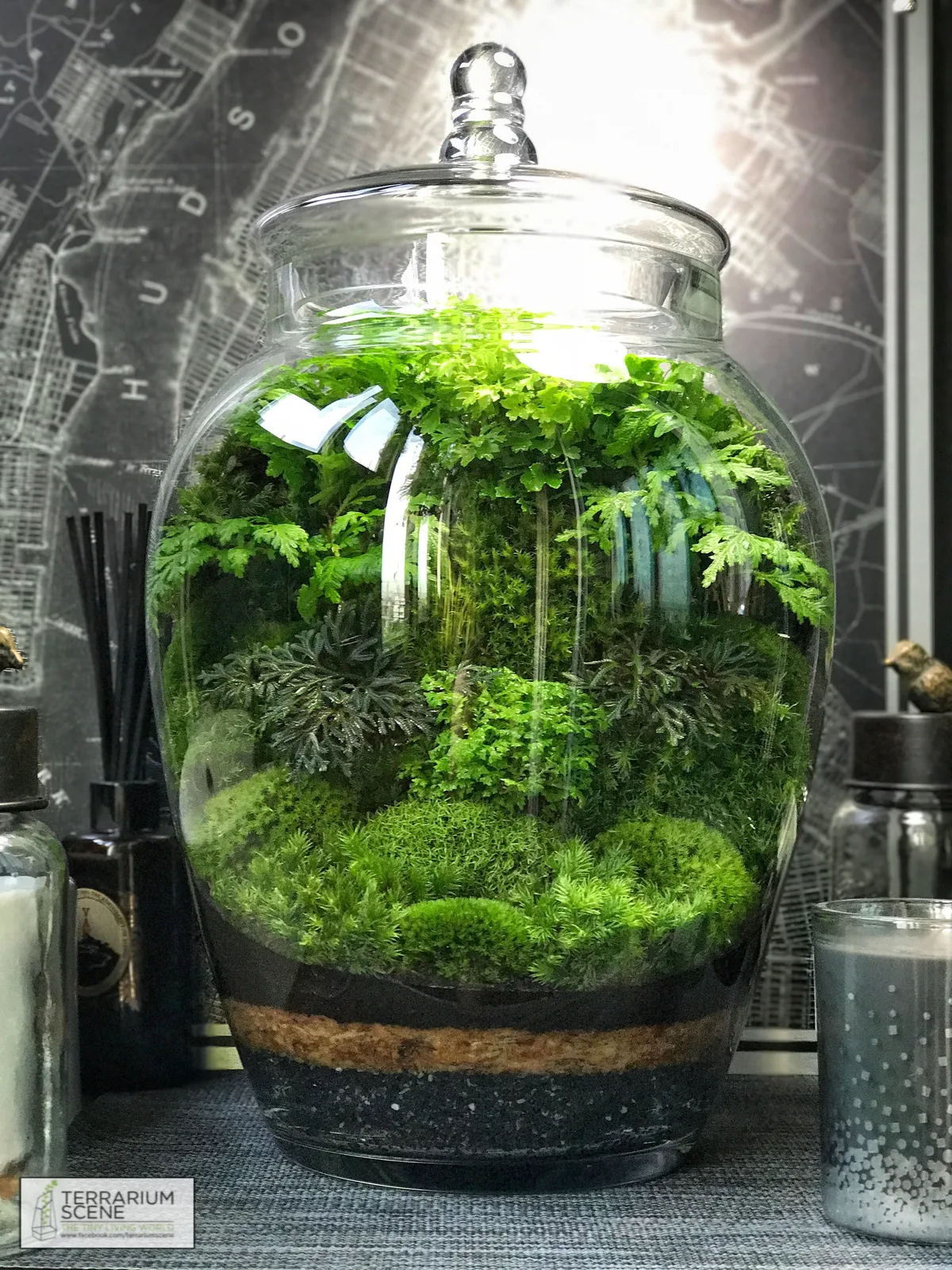
Day vs. Night gas dynamics in terrariums define the invisible cycle that keeps your ecosystem alive or suffocates it. During daylight hours, plants photosynthesize and release oxygen.
At night, they switch to respiration and consume that oxygen while releasing carbon dioxide.
This shift is subtle but critical for enclosed habitats. Manufacturer specifications indicate that in sealed volumes, CO2 can rise to toxic levels if ventilation is ignored overnight. Understanding this rhythm helps you maintain a healthy balance without constant intervention.
Let’s look at how these gases behave and why your setup matters.
Quick Answer
Day vs. Night gas dynamics in terrariums involve a complete swap of roles. Plants produce oxygen during the day when light is present.
At night, they consume oxygen just like animals do. You must provide adequate airflow to prevent CO2 buildup. Without ventilation, residents risk suffocation or heat stress after dark.
Why Enclosures Amplify Gas Imbalances
Terrariums are designed to be closed systems. This isolation creates stability but traps gases effectively. Unlike an open garden bed where air circulates freely, a glass box holds every molecule inside.
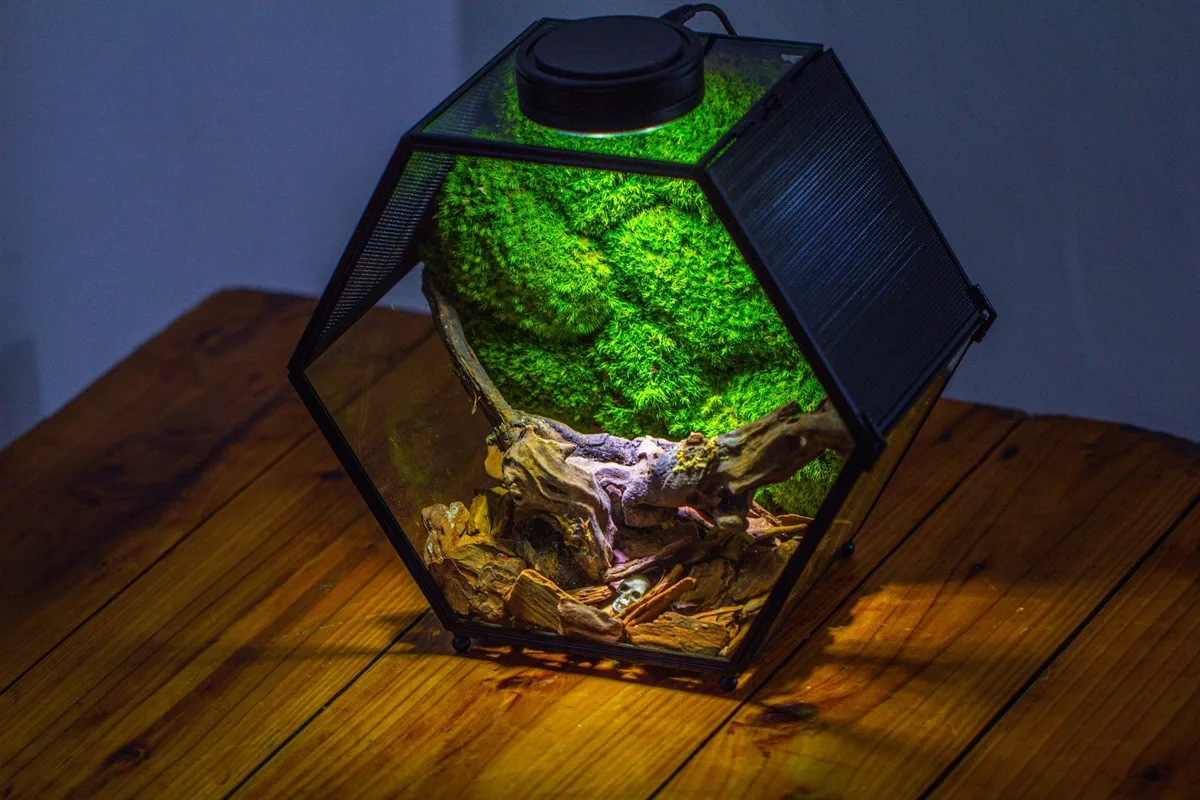
The thickness of the container walls plays a huge role here. Thick glass offers excellent thermal inertia, keeping temperatures stable. However, it also blocks all natural air exchange.
Airflow depends entirely on intentional vents or lid design.
When you seal a container, you create a distinct microclimate. The air inside becomes saturated with humidity very quickly. High humidity slows down evaporation from the soil.
This leads to a feedback loop where moisture and gases accumulate.
Without proper intake and exhaust points, stale air lingers. In small volumes, this stagnation happens within hours. The problem compounds when you add leaf litter and dense planting.
These layers reduce surface area exposure to the ambient air.
You need to understand the basics of enclosure physics first. If you are unsure about the fundamental structure, reviewing terrarium origin and meaning explained provides essential context. It helps you see why the physical boundaries change biological outcomes.
The Day Shift: Photosynthesis and Oxygen Production
Light triggers a chemical reaction in plant leaves. Chlorophyll absorbs photons and splits water molecules. This process releases oxygen as a byproduct.
It also pulls carbon dioxide from the air around them.

This phase is your terrarium’s “breathing in” period for humans. We love seeing lush green growth during these hours. The air feels fresh because oxygen levels remain high or even increase.
However, the rate of photosynthesis depends on intensity. Artificial grow lights must mimic natural sunlight spectrum ranges. Weak light means weak photosynthesis.
If the energy input is low, the plant enters maintenance mode rather than growth mode.
Choose plants wisely for this role. Some species are heavy gas producers. Others struggle under low light and become net consumers.
Research shows that selecting plants to avoid in terrariums before its too late prevents early decay. Decaying matter consumes oxygen rapidly, counteracting the day shift benefits.
The goal is to maximize green biomass that actively oxygenates the space. Healthy foliage equals cleaner air during waking hours.
The Night Shift: Respiration and Oxygen Depletion
Darkness changes everything for the botanical components. Photosynthesis stops immediately when light fades. Respiration takes over as the primary metabolic process.
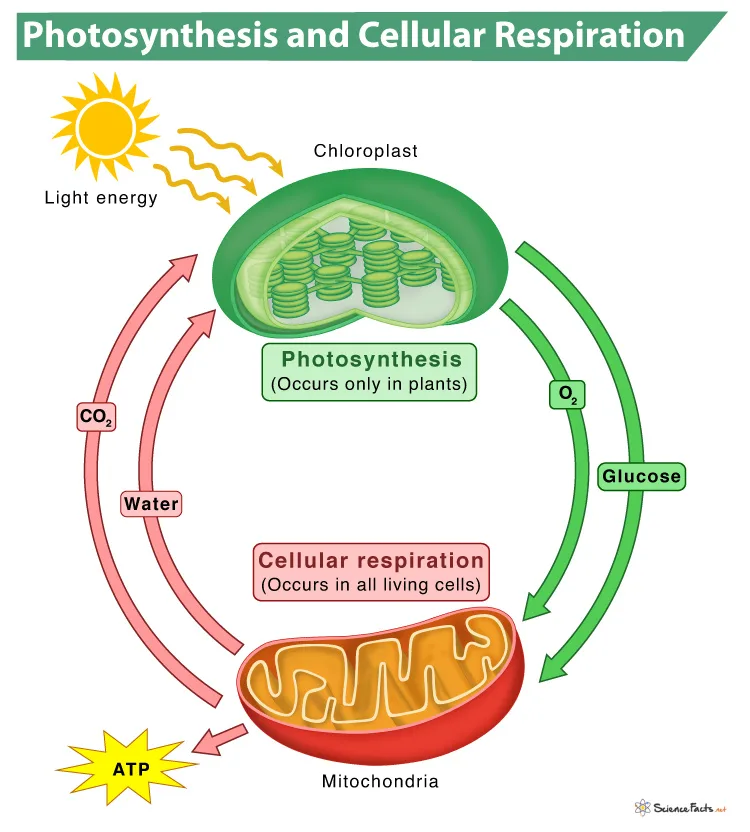
Plants consume oxygen and release carbon dioxide at night. This is identical to animal breathing. In an open environment, this output dissipates into the atmosphere.
Inside a sealed jar, it accumulates.
Carbon dioxide buildup poses a significant risk to inhabitants. Reptiles and amphibians are particularly sensitive to hypercapnia (excess CO2 in blood). Symptoms include lethargy, gaping mouths, or refusal to eat.
Even hardy species suffer if exposure is prolonged.
Oxygen levels drop simultaneously. While total depletion is rare in mid-sized setups, the combination of low O2 and high CO2 is stressful. It forces animals to breathe faster.
This increases their metabolic rate and heat production.
The issue intensifies during summer months. Higher ambient temperatures increase respiration rates in both plants and microbes. The container acts like a pressure cooker for gases.
You need reliable ventilation strategies to manage this shift. See our guide on natural vs artificial light for terrariums which is best to optimize the light cycle duration. Limiting photoperiods can help control the duration of active photosynthesis versus passive respiration balance.
Recognizing the Signs of Poor Air Quality
Your eyes and nose are the first detectors. Clear condensation rolling down the sides indicates healthy humidity cycles. But stagnant white swirls?
That is a warning sign.
These swirling clouds represent suspended particulate matter and excess moisture trapped in still air. It means convection currents have stopped. Without movement, gases stratify.
Heavy CO2 settles near the substrate where ground-dwelling species live.
Watch the animals closely. Gasping behavior is an emergency signal. If your gecko or frog hangs near the top vent, it is seeking fresher air.
Avoid any sudden movements near the enclosure. Sudden changes in airflow can shock sensitive respiratory systems.
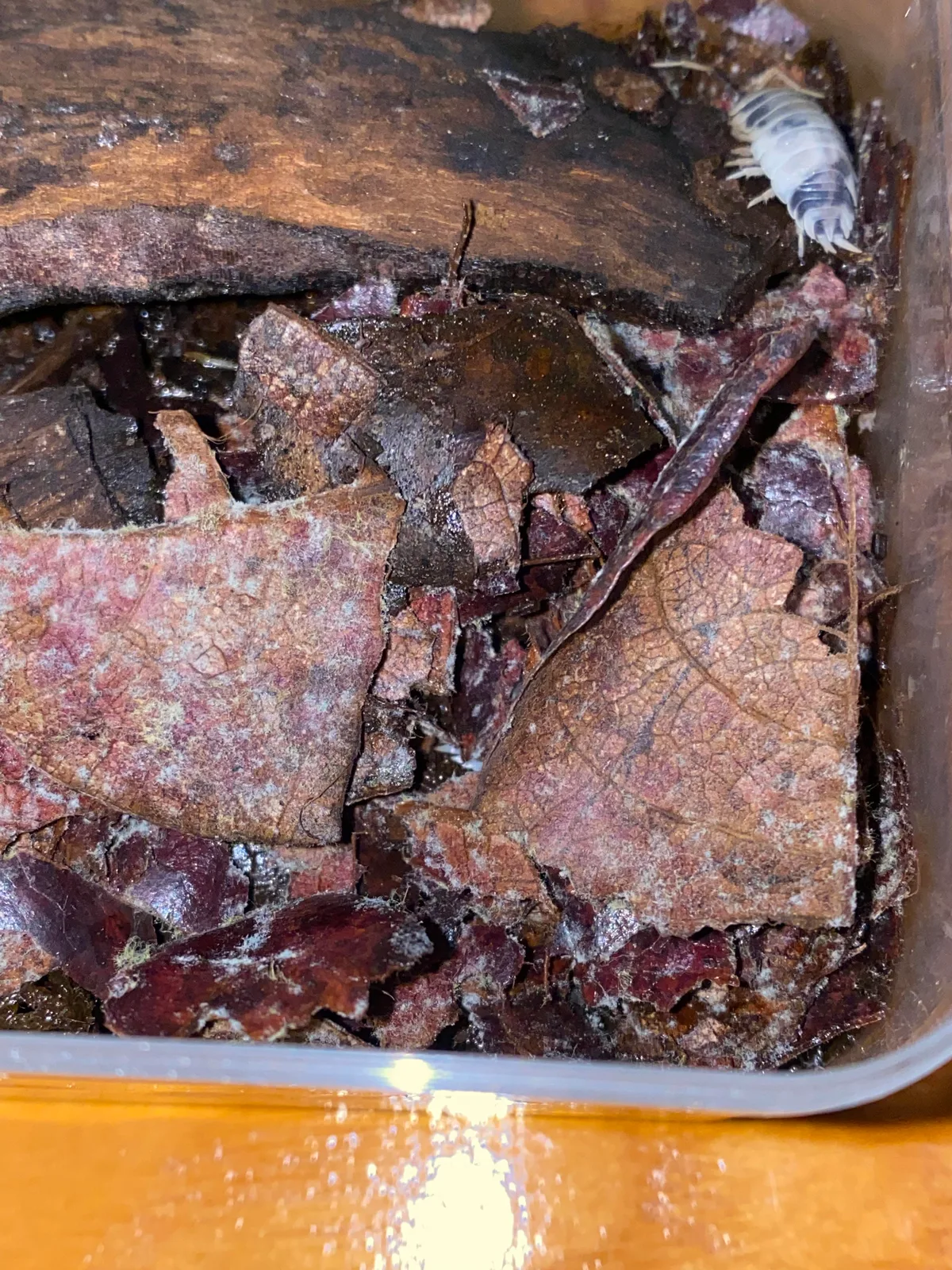
Check the substrate surface regularly. Mold blooms are common in poorly ventilated tanks. Fungi thrive in high CO2 and stagnant conditions.
They break down organic matter anaerobically. This releases methane and hydrogen sulfide. Those gases smell like rotten eggs.
A foul odor demands immediate action.
Address moisture issues promptly. Use our tip on how to fix overwatered terrarium stop too much condensation to reduce surface moisture. Dryer surfaces inhibit fungal growth and allow better gas diffusion through the soil pores.
Long-term neglect leads to systemic failure. Small imbalances trigger larger collapse events over time. Understanding why small ecosystems are so fragile explains why minor air quality drops escalate quickly.
One bad layer causes another problem downstream.
Mastering Ventilation: Strategies for Safe Gas Exchange
Ventilation is not optional for gas management. It is the engine that drives air turnover. You need intake holes near the bottom and exhaust holes near the top.
Heat rises, carrying stale air out through the top openings.
Size matters more than you think. A standard mesh screen block is insufficient for dense plantings. Dense foliage consumes more oxygen at night.
Sparse setups might survive with minimal gaps. Lush jungles require aggressive airflow channels.
Consider using specialized barrier layers. A proper barrier layer why you need it best options prevents substrate flooding while allowing root respiration. Clogged drains kill ventilation potential.
Ensure drainage holes remain clear of debris.
Manual ventilation works well for intermittent adjustments. Open the lid for five minutes daily during daytime temperatures. Let the thermal difference drive air exchange naturally.
Do not force fans unless humidity is critically unmanageable. Forced air often dries out plants too quickly.
Monitor daily cycles consistently. Keep a log of condensation patterns and animal activity. Trends reveal problems before they become crises.
Regular terrarium care guide daily weekly monthly tips ensure no detail slips through the cracks.
Self-sustaining designs promise low maintenance but require precise initial calibration. Learn the self sustaining vs low maintenance key differences to set realistic expectations for your specific setup type.
Frequently Asked Questions
Do plants really breathe in at night?
Yes. Plants respire 24/7. They only stop photosynthesizing in the dark.
This makes nighttime oxygen consumption the critical window for gas management.
How often should I open a sealed terrarium?
Open it for 5 to 10 minutes every few days. Check condensation levels first. If it is dry enough, air exchange will happen naturally through microscopic gaps or intentional vents.
Is high condensation a sign of bad air?
Not always. Rolling condensation indicates good humidity cycles. Swirling white fog indicates stagnant air and poor gas movement.
Look for clarity, not just volume.
What are the signs of CO2 toxicity in reptiles?
Look for lethargy and gaping. Animals may struggle to climb or refuse food. If you see these symptoms, ventilate immediately and move the animal to fresh air.
Can I use a fan for ventilation?
Small computers fans work if directed away from plants. They create convection currents. Avoid blowing directly on foliage to prevent rapid drying and leaf burn.








