

Timeline: 200 Years of Terrarium History reveals how a simple glass container evolved into a complex micro-ecosystem. This journey began in 1829 when Nathaniel Bagshaw Ward accidentally created the first sealed plant case. His discovery solved the problem of keeping tropical plants alive during long sea voyages in smoky Victorian London.
We’ve traced this evolution through distinct eras, from industrial survival tools to mid-century design icons. The shift reflects changes in material science, urban living, and our understanding of botany. Let’s look at how these small worlds changed over two centuries.
Quick Answer
The terrarium timeline spans two centuries of innovation. It started with the Wardian case in 1829 for plant transport. Victorians adopted it for urban gardening by the 1840s.
A mid-century revival brought plastic and geometric designs. Today, self-sustaining ecosystems are popular home decor items.
The Wardian Case: How a Victorian Invention Created the Modern Terrarium
Why did we start putting plants in glass boxes? The answer lies in 19th-century pollution. London’s air was thick with coal smoke that killed delicate exotic ferns and orchids.
Nathaniel Bagshaw Ward, a physician and amateur botanist, solved this problem by accident. He sealed a butterfly chrysalis in an indigo jar with some potting soil. He forgot about it for weeks.
When he opened it, a green fern had sprouted inside.
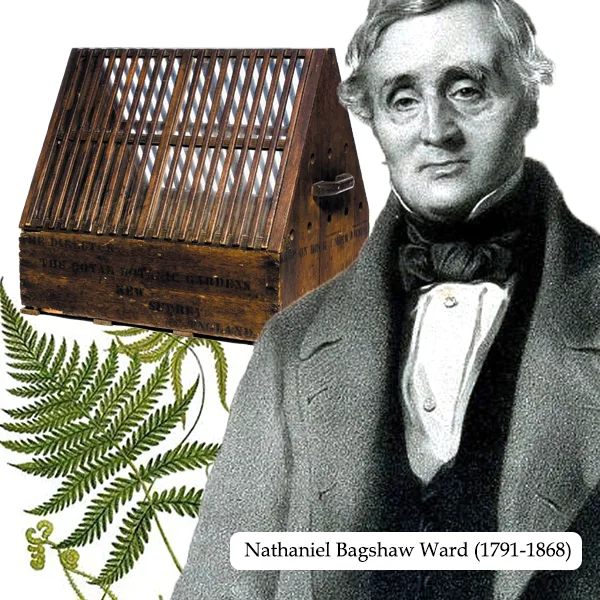
Ward realized the jar created its own humid environment. The condensation cycle watered the plant automatically. He called it the “Wardian case.” This invention allowed growers to ship live plants from the tropics to Britain without them dying.
It was a logistical miracle. Royal Botanic Gardens, Kew, quickly adopted these cases. They enabled the mass importation of ferns and mosses to wealthy homes.
This era defined the earliest terrarium origin and meaning explained in botanical terms. It wasn’t just decoration; it was scientific transport. The Wardian case proved that plants could survive in isolated, controlled atmospheres.
This concept laid the groundwork for all modern closed-container gardening. You can learn more about how to choose the right plants for a closed terrarium by looking at these early tropical selections.
The Victorian Craze: Greenhouses on the Window Sill
What made terrariums explode in popularity during the 1840s? The Victorian middle class wanted nature indoors. But city life lacked the space for traditional gardens.
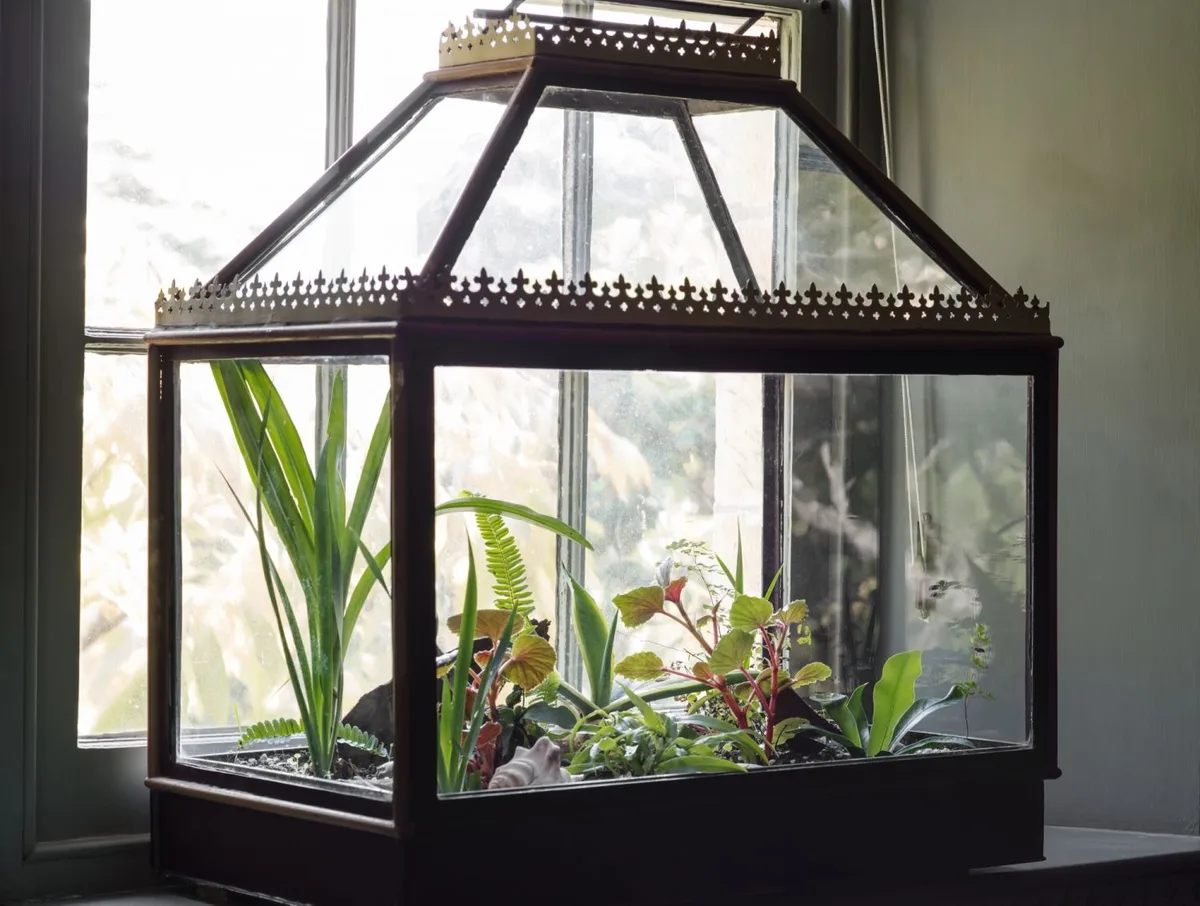
The Wardian case offered a solution. It fit neatly on a window sill. Soon, elaborate glass cabinets filled with ferns became symbols of status.
Ferns were the stars of this movement. We call it “Pteridomania” or fern fever. People collected rare species from around the world.
They arranged them in intricate displays under glass. These early setups required careful attention. Watering was manual.
Airflow was limited. Yet, the aesthetic appeal drove demand.
By the late 19th century, terrariums remained popular but less experimental. Manufacturers began producing standard glass vessels. They were easier to buy than custom-built Wardian cases.
This period also saw the rise of leaf litter in terrariums essential benefits being understood. Collectors noticed that decaying leaves fed the soil ecosystem naturally.
This era solidified the terrarium as a permanent indoor fixture. It moved beyond utility into art and leisure. The foundation for modern hobbyist care was set here.
If you want to know what is a terrarium complete beginners guide, look back to these Victorian foundations.
The Mid-Century Revival: Plastic, Pyrex, and Geodesic Domes
How did terrariums survive after the Victorian era faded? World War II changed manufacturing materials. Glass became expensive and harder to shape.
Enter plastics and acrylic. The 1950s and 60s brought a radical redesign. Designers turned to geometry.
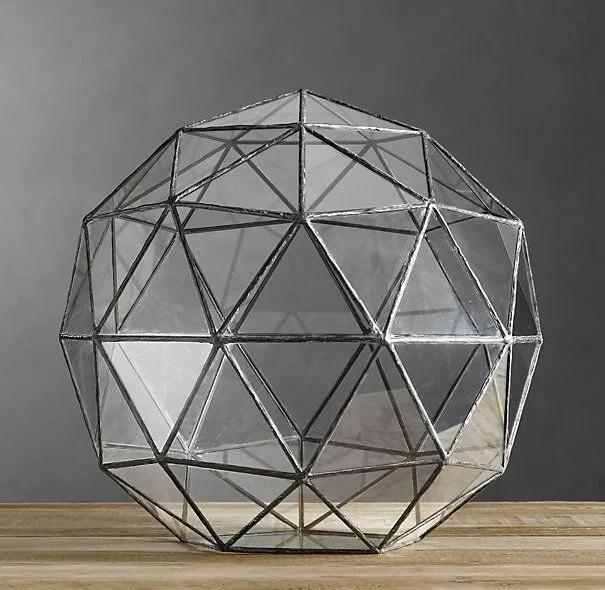
This period saw the rise of the geodesic dome. Buckminster Fuller’s architectural principles inspired home decor. Glassblowers created intricate, bubble-like shapes.
These weren’t just jars anymore. They were sculptural objects. They reflected the Space Age optimism.
Plants were secondary to the form.
Simultaneously, Pyrex kitchenware found new life. People reused glass bowls for plants. This democratized terrariums.
You didn’t need fancy botanical shops. You needed a bowl and some dirt. This era also influenced [glass vs acrylic terrariums which is best] debates due to the influx of plastic options.
The aesthetic shifted from Victorian elegance to modern simplicity. Plants like fittonia and peperomia thrived in these warm, contained spaces. This was the peak of the “biophilic design” before the term existed.
It marked a transition toward the low-maintenance hobby we know today. Understanding thermal inertia why terrariums stay warm became key for owners of these smaller, tighter vessels.
The Science Behind the Glass: Why Small Ecosystems Work (and Fail)
Why do some terrariums last decades while others die in weeks? It comes down to biology. A terrarium is a closed loop.
Plants release oxygen and water vapor through transpiration. The soil microbes break down waste. Bacteria recycle nutrients.
Condensation returns water to the roots. This mimics the global water cycle on a miniature scale.
When one part fails, the system collapses. Too much water leads to rot. Too little light causes leggy growth.
Poor airflow invites mold. Modern science explains these tipping points clearly. Ecosystem collapse the tipping points explained guides help users balance these variables.
Recognizing why small ecosystems are so fragile prevents common mistakes. For example, using sterile potting soil kills beneficial microbes. This starves the plants of natural nutrient cycling.
Similarly, ignoring cascade effects how one problem triggers more can ruin an entire setup. One algae bloom can block light for weeks.
We now have tools to monitor these factors better. Hygrometers measure humidity. pH strips check soil acidity. These tools bridge the gap between Victorian guesswork and modern precision.
Knowledge is power in a sealed jar.
Choosing Your Vessel: Glass, Acrylic, or Something Else?
Which container should you pick for your project? Material choice affects light, weight, and cost. Glass remains the gold standard.
It is non-porous, so it doesn’t hold odors. It is also UV-stable, meaning it won’t yellow over time. However, glass is heavy and breakable.
Acrylic offers a lighter alternative. It is shatter-resistant. This makes it ideal for high-traffic areas or homes with pets.
But acrylic scratches easily. You must polish it to keep it clear. Some sources debate natural vs artificial light for terrariums which is best based on container opacity.
Consider the shape too. Wide mouths allow easy access for planting. Tall, narrow jars create taller stems but limit surface area for ground cover.
The barrier layer why you need it best options often depends on the jar’s opening size. A wide opening makes spreading the barrier layer easier.
Ultimately, the vessel defines the plant choices. You can’t put a large tree in a pint jar. Match the container volume to the root system of your selected species.
Picking the Right Plants: A Timeline of Popular Species
What plants actually thrive in a terrarium? The species list has shifted dramatically over 200 years. Early Victorian collectors favored temperate ferns and mosses.
These plants handled cooler temperatures and lower humidity well. They suited the window-sill conditions of London homes.
Modern hobbyists have access to tropical species unknown in the 1800s. Fittonia, or nerve plants, became popular in the 1960s. Their vibrant pink veins add color to green setups.
Hoyas and peperomias are now staples for closed systems. These plants tolerate high humidity and low light better than most.
Choosing the wrong plant kills the ecosystem fast. Some species demand dry air and rot in sealed jars. You must match plant needs to your container type.
We break down how to choose the right plants for a closed terrarium to help you avoid this trap. Always check humidity requirements before buying.
Avoid large-growing trees or deep-rooted shrubs. Compact growth is non-negotiable. You also need to know which species are toxic.
Some common houseplants are dangerous if chewed. We detail plants to avoid in terrariums before its too late to keep your home safe. Pets and small children pose specific risks in any indoor garden.
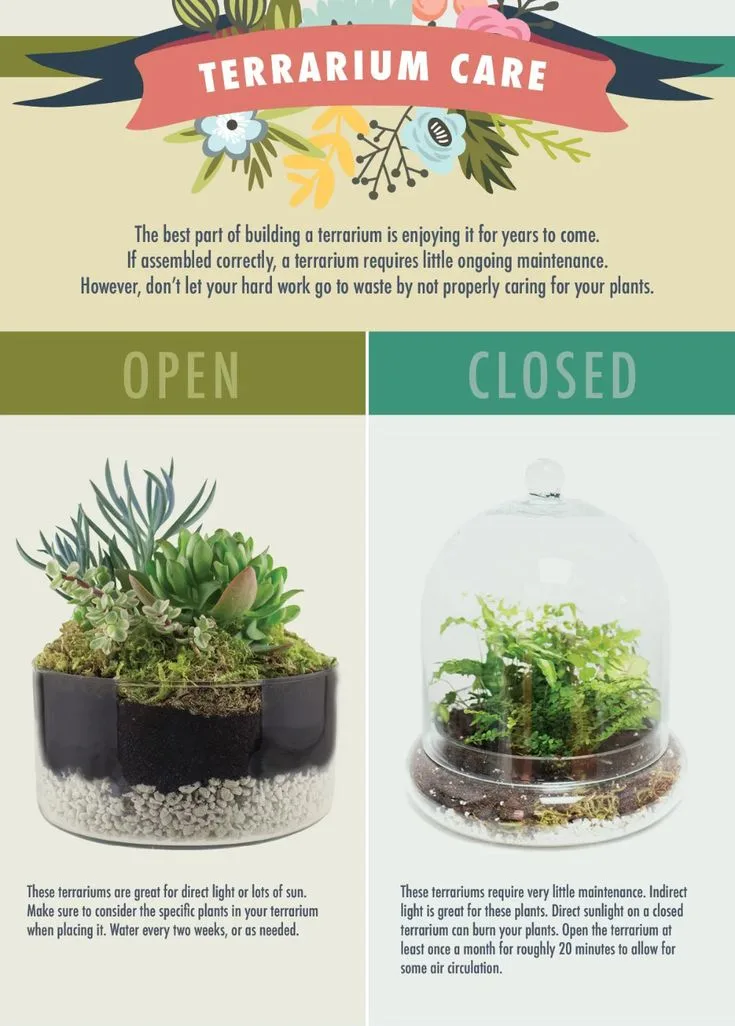
Succulents belong in open jars only. They require airflow to prevent fungal issues. Closed containers trap moisture they cannot handle.
This distinction defines modern terrarium design. Mixing wet-loving ferns with dry-loving cacti in one jar creates immediate conflict. Separate them into different vessels.
Building Your Own Historical Terrarium: Step-by-Step Setup
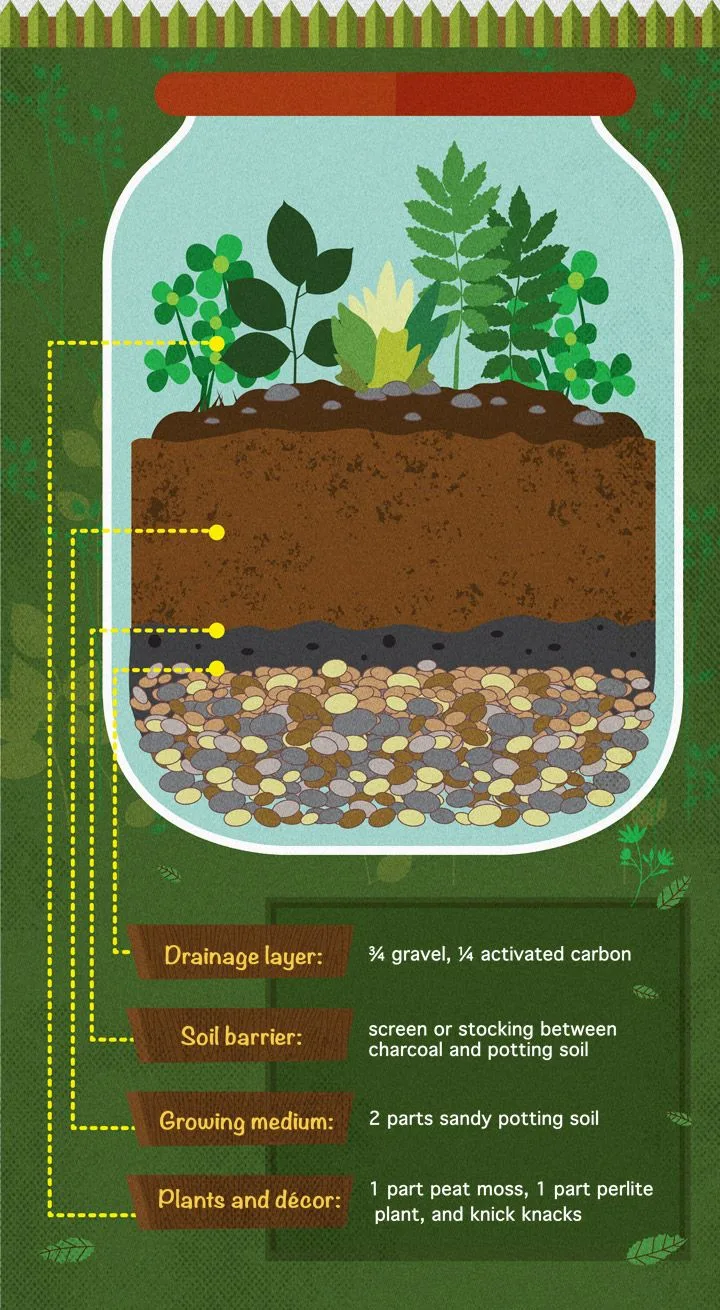
How do you assemble a stable micro-ecosystem from scratch? The process relies on layering. Each layer serves a specific biological function.
Skipping steps leads to muddy roots and bad smells. Follow this structure for success.
Start with drainage. Use LECA (lightweight expanded clay aggregate) or small pebbles. This layer sits at the very bottom.
It prevents water from sitting directly against the roots. Without it, rot sets in within weeks.
Next, add an activated carbon barrier. This thin layer of horticultural charcoal filters impurities. It stops odors and prevents bacterial buildup.
You can learn why this barrier layer why you need it best options matter for long-term health. It acts as a chemical sponge for toxins.
Add your substrate mix. Standard potting soil works, but specialized mixes drain better. Mix in perlite for extra aeration.
Sphagnum moss can serve as a separator between soil and charcoal. This creates a clean interface. Check our best terrarium soil substrate guide for healthy plants for precise recipes.
Plant carefully. Tuck roots into the soil. Avoid burying crown leaves.
Water sparingly at first. Mist the sides to settle the soil. Seal the container and observe.
You will see condensation form within days. This signals that the water cycle has started.
Selecting the right water matters too. Tap water contains minerals that build up over time. Distilled or rainwater is safer for long-term clarity.
We explain best water for terrariums a simple guide to ensure crystal-clear visibility. Mineral deposits cloud glass and affect plant health.
maintenance-myths-vs-reality-what-actually-works” class=”wp-block-heading”>Maintenance Myths vs. Reality: What Actually Works
Do terrariums truly require zero maintenance? That is the biggest lie in the hobby. While they are self-sustaining regarding water, they still need care.
Ignore them completely, and algae will take over. Mold will consume dead leaves.
Light management is critical. Direct sunlight boils plants in summer. It triggers rapid algae blooms on the glass walls.
Indirect bright light is ideal. If natural light fails, use artificial sources. Adjust natural vs artificial light for terrariums which is best based on your home’s orientation.
Pruning keeps plants in check. Terrariums limit root growth. Plants respond by growing upward and outward aggressively.
Trim leggy stems regularly. Remove yellowing leaves immediately. Letting debris pile up invites rot.
Cleaning foggy glass is often necessary. Wipe the interior with a damp paper towel. Do this gently to avoid damaging delicate moss.
Consider glass vs acrylic terrariums which is best when choosing a vessel for longevity. Glass scratches less, preserving clarity over decades.
We debunk 5 myths about self sustaining terrariums debunked to set realistic expectations. You are managing a living system, not planting a rock. Patience yields results, but neglect does not.
Troubleshooting Common Timeline-Related Issues
What happens when your terrarium starts failing? Problems usually stem from imbalance. Condensation levels tell the truth.
Heavy fog during the day means excess water. Clear glass should return to clear by midday. If it stays misty, open the lid for ventilation.
Algae is the enemy of aesthetics. It thrives on excess nutrients and direct light. Scrape it off manually.
Reduce light exposure slightly. Adjust how to fix overwatered terrarium stop too much condensation techniques to restore balance. Preventative measures are easier than cures.
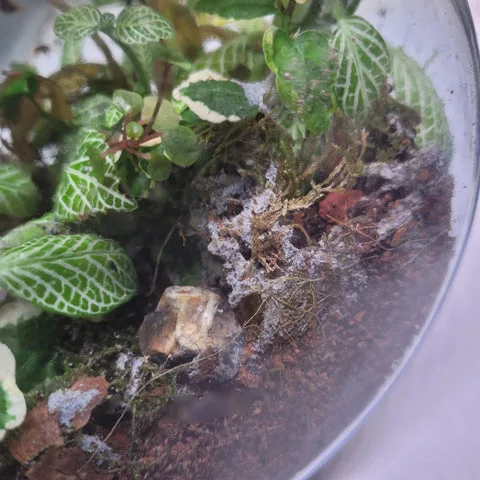
Fungal growth appears as white mold on the soil surface. It indicates poor airflow or old organic matter. Add more activated carbon next time.
Remove affected leaves promptly. Fungi spread quickly in humid environments. Understanding ecosystem collapse the tipping points explained helps you intervene early.
Yellowing leaves signal nutrient deficiency or root rot. Check the drainage layer. Ensure the substrate isn’t compacted.
Roots need oxygen just as much as water. If roots are brown and mushy, the system failed. Start over with fresh soil.
Recognize cascade effects how one problem triggers more in terrariums. One small error snowballs into total failure. Monitor weekly.
Small adjustments prevent big disasters. Early detection saves your plants.
Types of Terrariums: A Complete Guide
What are the main varieties available today? The market has expanded far beyond simple glass jars. Understanding these categories helps you choose the right ecosystem for your space and skill level.
We break down types of terrariums a complete guide offers four primary styles, each with distinct maintenance needs.
Closed terrariums seal tightly. They retain almost all moisture. Ideal for tropical plants like ferns and mosses.
These create a self-watering cycle that lasts months or years. You rarely need to open them once established.
Open terrariums have wide openings. Air circulates freely, keeping humidity low. Perfect for succulents and cacti.
These plants rot quickly in high humidity. You must water them sparingly, similar to traditional potted plants.
Paludariums combine land and water. They feature a semi-submerged area. This requires pumps and drainage systems.
They are complex but visually stunning. Maintenance is higher due to mechanical components.
Aquascapes focus entirely on underwater life. While often called terrariums by laypeople, they are technically aquariums. They use specialized substrates and CO2 injection.
Choose this if you want vibrant aquatic plants and fish.
Self-Sustaining vs. Low Maintenance: Key Differences
Is there a difference between “self-sustaining” and “low maintenance”? Yes, and confusing them leads to dead plants. These terms describe two different levels of biological independence.
Understanding the distinction saves you from frustration. Compare self sustaining vs low maintenance key differences to set realistic expectations.
A self-sustaining system is biologically closed. Water recycles perfectly. Nutrients cycle through microbes.
The only input needed is light. You never open it. Pruning is occasional.
If balanced correctly, it runs forever. This is the Holy Grail of terrariums.
Low maintenance means you still need to intervene. You open it weekly to mist. You check for mold.
You trim plants more often. It is easier than a regular plant, but not effortless. Most starter kits are low maintenance, not fully self-sustaining.
Achieving true self-sustainability takes practice. Start small to learn the balance.
Daily, Weekly, Monthly Tips for Healthy Terrariums
How often should you actually check your jar? Consistency prevents panic. Create a simple schedule based on observation rather than time.
Use terrarium care guide daily weekly monthly tips as a framework for stability.
Daily checks are minimal. Look at condensation levels. Heavy fog all day means open the lid.
Clear glass means it’s dry enough. If you see algae on the glass, wipe it now before it thickens. Light needs to penetrate.
Weekly inspections are crucial. Check for yellow leaves. Remove them immediately to prevent rot.
Smell the interior. A sour odor indicates anaerobic bacteria. This requires immediate ventilation and soil inspection.
Adjust water levels if the substrate looks bone dry.
Monthly tasks involve pruning. Trim overgrown stems. Reposition plants if they lean toward light.
Clean the exterior glass for better visibility. Every three months, consider adding a splash of liquid fertilizer diluted 10x. This replenishes nutrients locked in the closed loop.
Frequently Asked Questions
Where did the word “terrarium” come from?
The term derives from the Latin word terra, meaning earth or land. It combines with the suffix -arium, indicating a place for something. The word formally entered English usage in the mid-19th century.
It specifically described Ward’s plant containers.
What is the difference between a terrarium and a paludarium?
A terrarium is primarily terrestrial. It focuses on land-based plants in a mostly dry or humid soil environment. A paludarium includes both land and water elements.
It features a semi-aquatic zone, mimicking a swamp or rainforest edge. The visual complexity is higher in paludariums.
How long does a self-sustaining terrarium last?
With proper setup, a closed terrarium can remain stable for decades. There are historical records of plants surviving for over 100 years. However, they still require occasional pruning and light adjustment.
Total independence is a myth; active stewardship is required.
Can I put a terrarium in my bathroom?
Bathrooms offer high humidity, which benefits tropical plants. However, lack of light is a major risk. Most bathrooms are windowless.
Artificial grow lights become essential in these spaces. Without sufficient light, plants will etiolate and die.
Are terrariums safe for cats and dogs?
Many terrarium plants are toxic if ingested. Lilies, pothos, and philodendrons pose serious risks to pets. Always research plant toxicity before placing them in accessible areas.
We recommend non-toxic alternatives like ferns and mosses for pet-friendly homes.
What is the difference between a terrarium and a planter?
A planter has drainage holes. Water escapes, requiring frequent watering. A terrarium seals in moisture.
This creates a humid microclimate. Choose planters for drought-tolerant plants. Choose terrariums for humidity lovers.
How do I clean moss growing on the glass?
Use a small sponge or cloth. Reach inside to wipe the walls. Do this before algae thickens.
It keeps your view clear. Regular cleaning prevents mold buildup.
Can I use tap water for my terrarium?
Tap water contains minerals. These leave white stains on glass. They can harm sensitive plants over time.
Distilled or rainwater is better. We explain best water for terrariums a simple guide in detail. Pure water ensures long-term clarity.
Final Thoughts: Your Place in a 200-Year Tradition
Why does this history matter to you today? You are part of a continuous scientific and artistic movement. From Ward’s accidental discovery to your desktop display, the goal remains the same.
We bring nature closer, indoors. Join top terrarium communities online Reddit Facebook Discord to share progress and troubleshoot issues.
The evolution continues. New materials and species emerge yearly. Yet, the core principles hold true.
Balance light, water, and air. Respect the boundaries of the container. Your terrarium is a living lesson in ecology.
It teaches patience and observation. Keep tending your mini-world with care.
As of 2026, terrariums remain a vibrant hobby. They connect us to Victorian innovation and modern sustainability. By understanding their timeline, you improve your own success.
Start with one jar. Watch the ecosystem wake up. Enjoy the green quiet.








