

Observing ecological interactions in nature often presents too many uncontrolled variables. Using terrariums for scientific observation allows you to isolate and study complex environmental processes in a manageable space.
According to the NASA Controlled Ecological Life Support Systems (CELSS) research guidelines, sealed biological systems must balance gas production and moisture levels to prevent decay. By setting up these miniature ecological models, we can study nutrient cycles and microbial behaviors under controlled conditions. Let us examine how these small-scale systems mimic the earth’s natural balance.
Quick Answer
Terrariums for scientific observation are controlled miniature ecosystems. These models isolate variables to study environmental processes. Sealed systems cycle water and carbon continuously.
Open designs allow transpiration measurements. They help researchers gather precise ecological data.
Why Studying Ecology in the Wild is Hard and How Mesocosms Help
Ecosystems in nature are subject to unpredictable weather, moving animals, and human interference. This makes isolating a single variable, like soil acidity or light exposure, nearly impossible. If you change one thing in a forest, a dozen other factors change with it.
A mesocosm solves this problem. It is a self-contained, experimental environment that bridges the gap between laboratory test tubes and wild forests. By enclosing a small patch of soil, water, and plant life, you create a simplified version of the world.
Using these containers allows you to control the soil mix, moisture levels, and plant species. By reducing the scale, you can witness rapid changes in biological processes. However, scaling down comes with its own set of rules.
You can learn more by studying the vulnerability of compact setups before building your first test model.
The Science of Closed Ecological Systems: How a Sealed Jar Cycles Carbon and Water
A sealed glass container acts as a closed ecological system. Inside, plants use light to photosynthesize, converting carbon dioxide and water into oxygen and glucose. This process keeps the internal atmosphere balanced.
During the night, the plants respire, consuming oxygen and releasing carbon dioxide back into the sealed air space. This continuous exchange creates a self-sustaining carbon cycle. The plants essentially recycle the same air indefinitely.
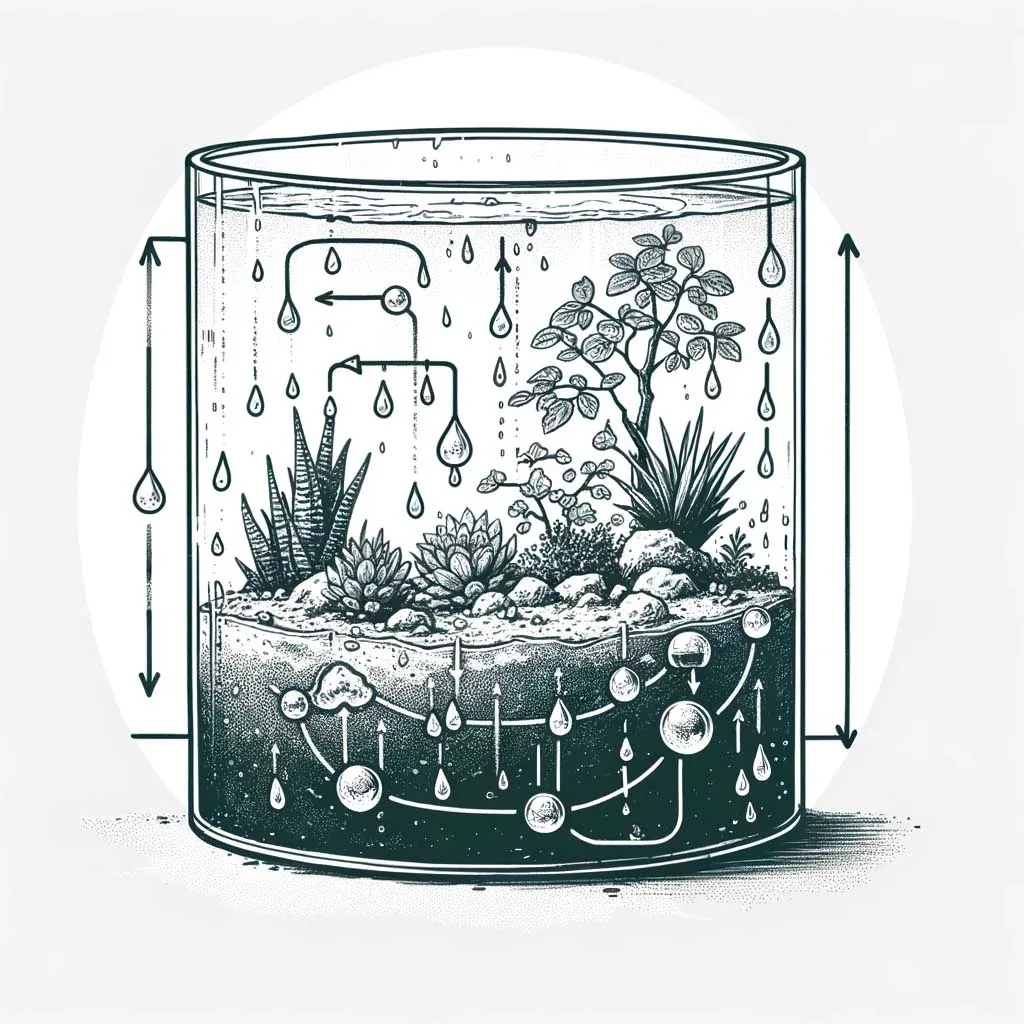
Water undergoes a similar loop. Moisture evaporates from the soil and transpires from leaves, hits the cool glass walls, and condenses. This condensation falls back into the substrate as artificial rain.
In our research, we found that selecting the proper container material is critical. You must understand the way glass filters incoming wavelengths to ensure your plants receive enough energy for photosynthesis. According to researchers at NASA, maintaining this tight cycle requires a delicate balance of biomass and gas exchange.
If the balance tilts, the plants will quickly suffocate.
The Variable Matrix: Defining Your Research Hypothesis First
Before adding plants to a jar, you must state a clear hypothesis. A scientific study requires you to isolate one independent variable while keeping all other conditions identical. If you change too many things at once, you will not know what caused the outcome.
For example, you might test how soil composition affects plant growth. In this case, you will build three setups with different dirt mixtures.
As of 2026, researchers are using these models to study how rising temperatures affect microbial activity. You must keep the light, container size, and watering volume identical across all your test subjects.
You should also consider how heat accumulates inside glass containers. Small changes in temperature can dramatically alter your test results.
Here is a breakdown of common variables to test:
- Independent Variables: Light spectrum, soil type, moisture level, or microfauna presence.
- Dependent Variables: Plant growth rate, leaf color, condensation speed, or mold growth.
- Controlled Variables: Container shape, starting water volume, temperature, and plant species.
The Three Scientific Terrarium Paths: Open, Closed, or Bioactive?
Your research goals will dictate the physical design of your model. There are three main paths you can choose for your study. Each setup allows you to observe different ecological mechanisms.
An open setup is ideal for arid plants that transpire slowly. A closed setup is built for tropical plants and cyclic water studies.
A bioactive setup adds decomposers to recycle nutrients. This allows you to study soil food webs and decay rates. To understand the full spectrum of these options, you can read our review of different container designs to see which fits your lab space.
| Terrarium Type | Primary Process Studied | Typical Plant Choices | Life Support Level |
|---|---|---|---|
| Open System | Transpiration and evaporation | Succulents, cacti | Requires regular watering |
| Closed System | Water and carbon cycles | Ferns, mosses | Self-sustaining moisture |
| Bioactive System | Nutrient cycling and decomposition | Tropical foliage, mosses | Microfauna self-cleaning |
Step-by-Step Workflow to Assemble a Stable Scientific Mesocosm
Building your mesocosm requires a systematic approach. Follow these steps in order to prevent structural collapse of your miniature ecosystem. Skipping a single layer can ruin the entire experiment.
Step 1: Setting Up the Aquifer (Drainage Layer)
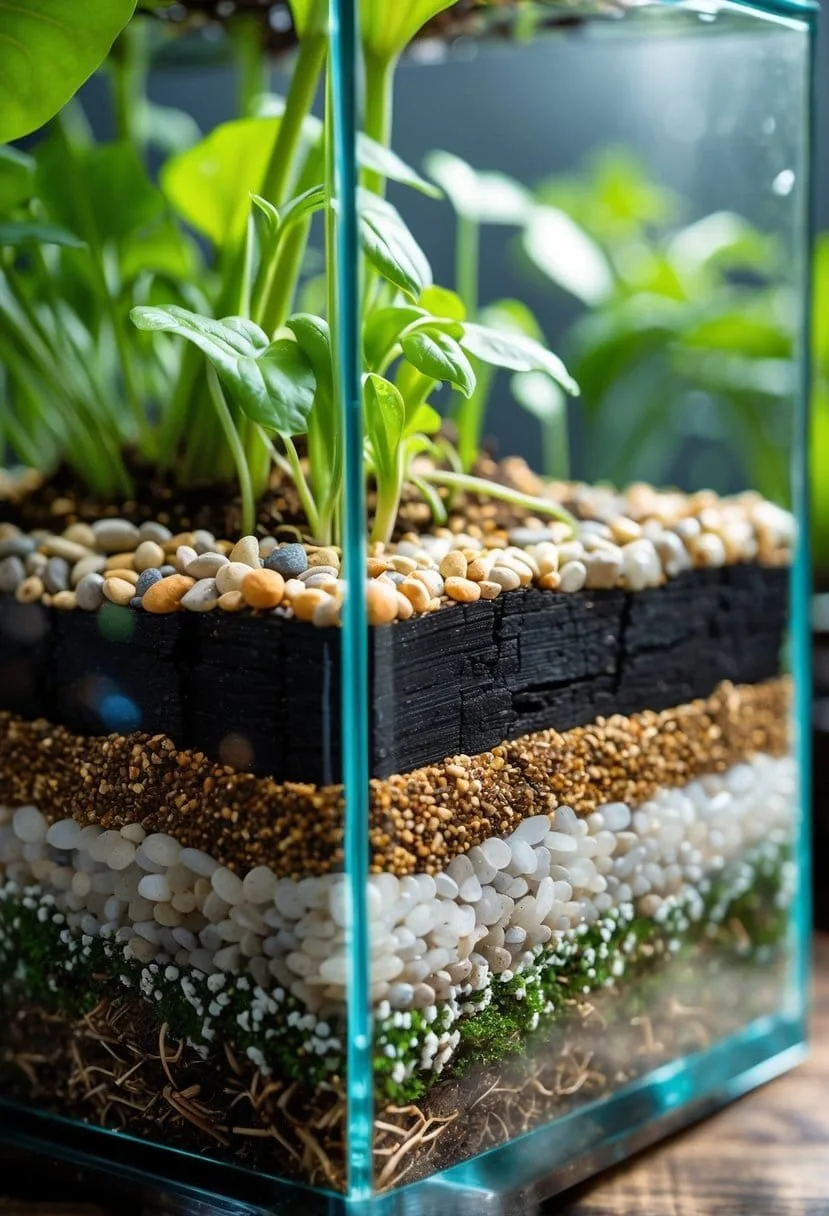
Start by adding a layer of inert gravel or clay pebbles to the bottom of the jar. This layer should be one to two inches deep.
This aquifer holds excess runoff water. Without it, the bottom soil will become waterlogged, killing the roots.
Step 2: Laying the Substrate Barrier
Next, cut a piece of synthetic mesh screen to fit the shape of your container. Lay it flat over the drainage gravel.
This screen acts as a physical barrier. You can learn more about using a separating screen to see why it prevents soil from clogging the aquifer.
Step 3: Layering the Charcoal and Peat-Free Soil
Spread a thin layer of horticultural charcoal over the mesh. This substance absorbs chemical impurities and keeps the system clean.
Add two to three inches of peat-free substrate on top of the charcoal. Lightly press the soil to remove large air pockets, but do not pack it tight.
Step 4: Introducing the Flora and Microfauna Inoculants
Gently plant your chosen species in the soil. If you are building a bioactive model, you should consider adding natural decaying organic material to feed your microfauna.
Introduce a starter culture of springtails to control fungal growth. Finally, mist the system with distilled water. Our research indicates that choosing the safest moisture source prevents mineral buildup on the glass walls.
Selecting Your Material Variables: Glass vs. Acrylic and Natural vs. Artificial Light
Your choice of container material directly affects how you observe your experiment. Glass is the standard for scientific observations because it does not scratch easily. It also maintains its clarity over years of use.
Acrylic is lighter and more impact-resistant than glass. However, acrylic containers scratch easily during cleaning. These tiny scratches can distort your view and ruin close-up photos of root growth.
You should weigh the pros and cons of comparing housing materials before making your final selection.
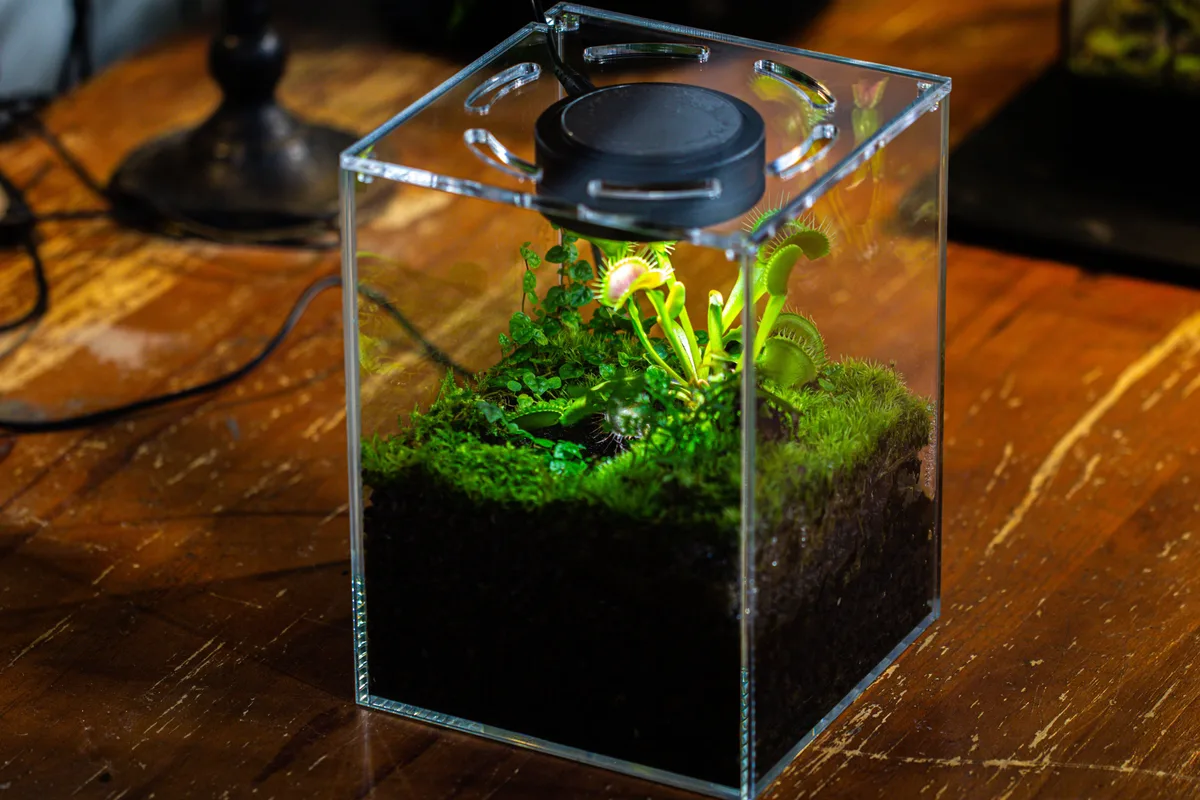
Lighting is another critical variable in your experimental design. Natural sunlight is highly variable and changes with the seasons. It can also create extreme heat spikes inside a closed container, which kills plants.
Artificial light provides a highly controllable alternative. LED grow lights allow you to regulate photoperiods precisely. Our research indicates that using timers with artificial lights removes seasonal variables from your data.
You can evaluate the best option by deciding between sun and bulbs that match your laboratory setup.
According to light wavelength studies from the University of Maryland Extension, plants require specific red and blue wavelengths for optimal photosynthesis. Artificial grow lights allow you to adjust these spectrums. This control is impossible when relying solely on a windowsill.
Scientific Traps: Mistakes That Crash Your Micro-Ecosystem
A major risk in terrarium design is introducing too many competing variables at once. This often leads to rapid system failure. One common mistake is mixing species with incompatible environmental needs.
For example, placing a desert succulent next to a tropical fern will fail. One of the plants will rot, while the other dehydrates. You can prevent this by researching species that typically fail during your selection process.
Another common trap is using low-quality or contaminated soil. Garden soil often contains mold spores and pest eggs. These organisms can quickly overwhelm your sealed environment.
You should select a clean, nutrient-stable base by following ideal potting mixes checklist guidelines.
When a system fails, it often happens through a chain reaction. A small mistake in moisture levels can lead to mold. The mold then smothers the plants, which stops oxygen production.
This is known as a trophic cascade. You can read about how a single failure creates a domino effect to help you spot early warning signs. Understanding these sudden system crashes will help you save your experiment before it fails completely.
Calibrating the Water Cycle: How to Spot and Fix Overwatering
Overwatering is the most common cause of experimental failure in sealed systems. Excess water fills the tiny air pockets in the soil. This prevents plant roots from absorbing oxygen.
You can easily spot overwatering by looking at the condensation patterns on the glass. The glass should be clear for at least a few hours each day. If the glass remains heavily fogged all day, the system contains too much water.
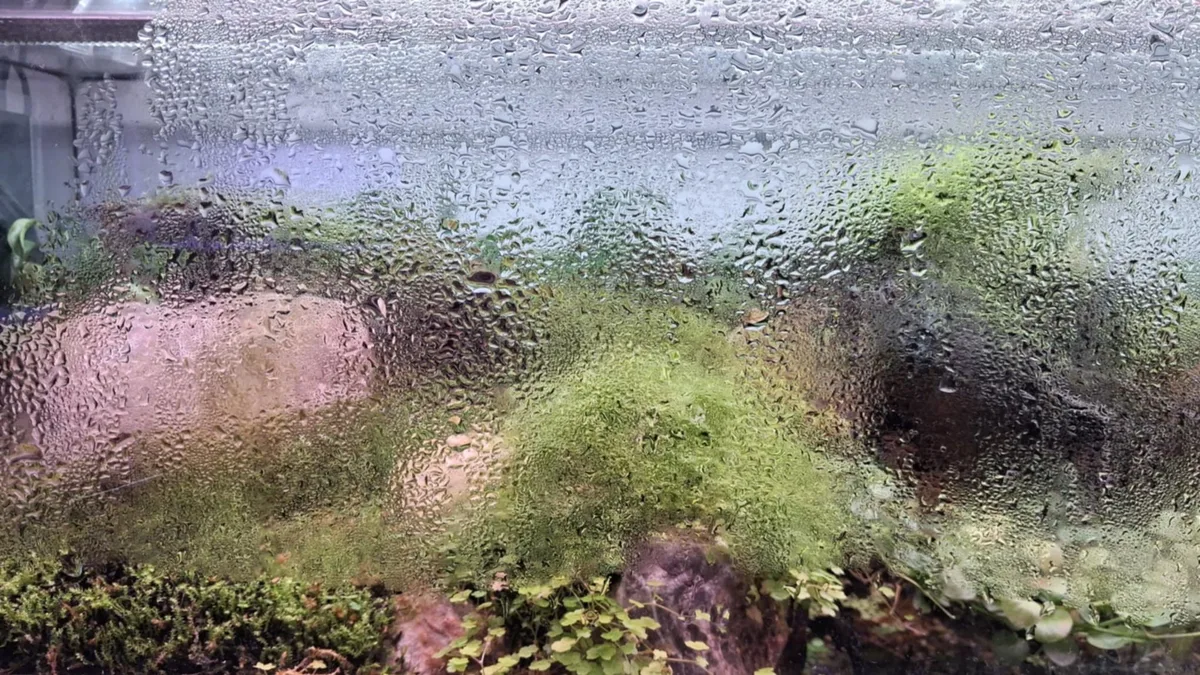
To correct this issue, you must vent the system. Remove the lid for a few hours to allow excess moisture to evaporate.
Repeat this process daily until the daily condensation cycle stabilizes. For detailed steps, you can read our guide on drying out a wet environment in closed systems.
Tracking the Data: Metrics and Tools for Your Terrarium Log
A scientific experiment requires consistent, measurable data. You cannot rely on casual observation alone. You should record your findings at the same time every day.
We recommend tracking several physical metrics. A digital probe is highly useful for measuring soil moisture and pH levels. You can also use a small hygrometer inside the jar to track relative humidity.
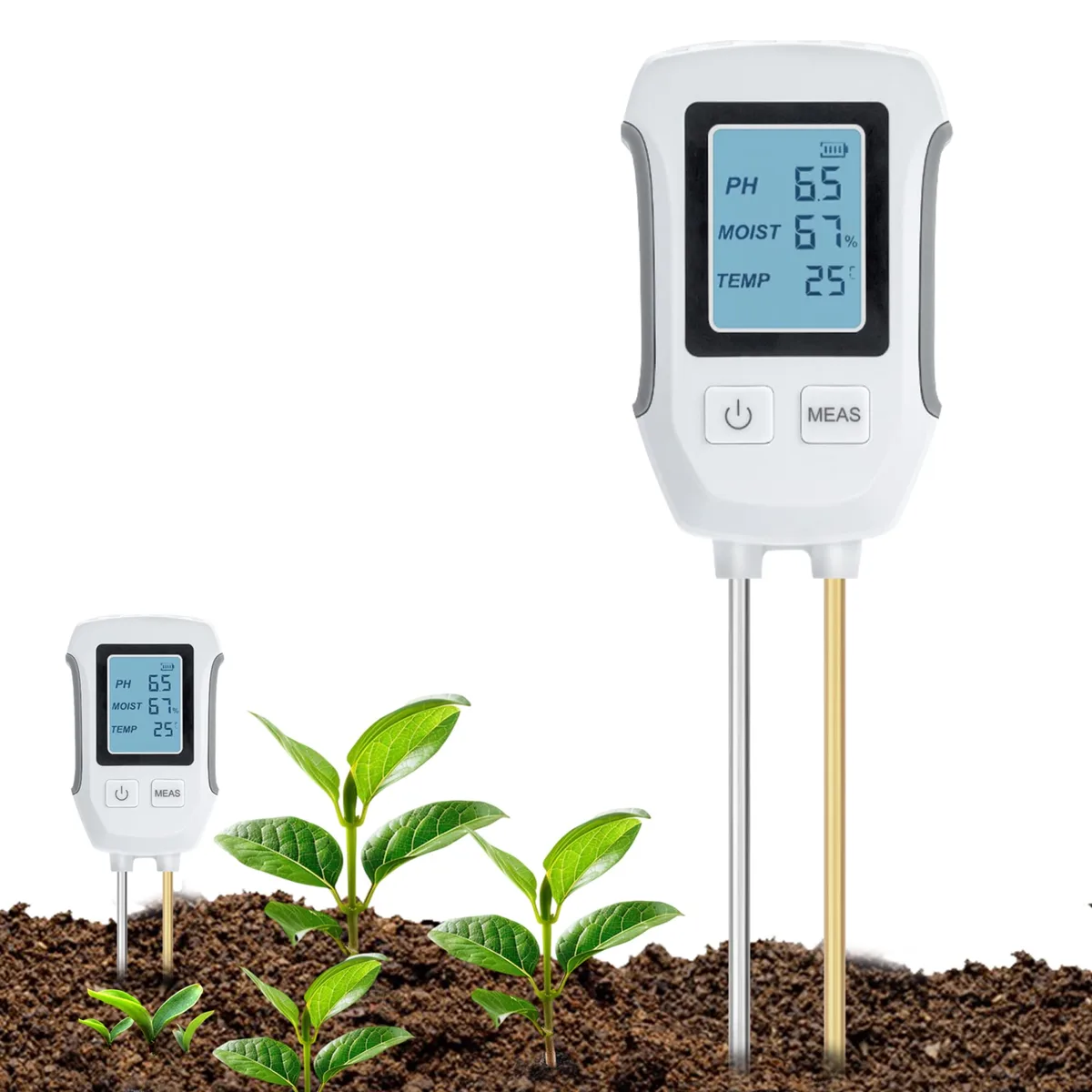
Here are the key metrics you should log weekly:
- Soil pH: Changes in soil acidity can indicate microbial activity or root rot.
- Condensation Coverage: Estimate the percentage of glass covered by water droplets.
- Plant Height: Measure stem growth in centimeters using a ruler placed against the glass.
- Microfauna Population: Count active springtails in a specific grid area over two minutes.
The Scientific Terrarium Decision Guide: Matching Hypotheses to Designs
To get reliable results, you must match your hypothesis to the correct physical setup. Different ecological questions require different container conditions.
If you want to study plant respiration, you must use a sealed glass jar. An open system will allow gases to escape, making gas measurements impossible.
If you are studying decomposition, you must use a bioactive system. Decomposers like springtails require organic leaf litter to survive. You must also focus on selecting high-humidity vegetation that can tolerate the high humidity of a sealed environment.
Use this decision logic to plan your next experiment:
- If testing water cycle dynamics: Use a closed, sterile system with minimal soil organic matter.
- If testing soil respiration: Use a closed bioactive system with a digital gas sensor.
- If testing plant transpiration rates: Use an open system and weigh the container daily to calculate water loss.
Frequently Asked Questions for Classroom and Lab Setups
How long does a closed scientific terrarium last?
Under optimal light and temperature, a sealed system can survive for several years. The plants continuously recycle nutrients and water. However, biological imbalances or sudden temperature spikes can shorten this lifespan.
You can study independent ecosystem behaviors to understand how long these models typically survive.
Should I use fertilizer in a scientific terrarium?
You should avoid using commercial fertilizers in scientific setups. Extra nutrients often trigger rapid, leggy plant growth and cause algae blooms on the glass. Keeping the soil nutrient-poor helps maintain a slower, more stable growth cycle.
This stability is essential when collecting data over several months.
How do I measure gas exchange without expensive lab equipment?
You can monitor gas exchange indirectly by tracking condensation cycles and biomass changes. For more precise data, place a small, wireless carbon dioxide sensor inside the container before sealing it. You can also measure the height of the water line in the drainage layer to track water absorption.
What should I do if mold covers the plants in my experiment?
A small amount of mold is normal during the first few weeks. If the mold spreads, introduce more springtails to consume the fungal spores. You can also open the container lid for a few hours to reduce internal humidity.
If you want to debunk common misconceptions about mold control, read about common misunderstandings about sealed jars before starting.
Can I use tap water if I let it sit out overnight?
Letting tap water sit overnight removes chlorine, but it does not remove dissolved minerals or heavy metals. These minerals will leave white deposits on the glass over time, blocking your view. Always use distilled or demineralized water to keep your observations clear.
How do springtails help maintain the nitrogen cycle?
Springtails eat dead plant tissue, mold, and animal waste. Their digestive process breaks down organic material into simple nutrients that plants can absorb through their roots. This continuous decomposition prevents waste buildup and completes the nitrogen loop inside the jar.








