

Getting students excited about science can feel like an uphill battle. Using Terrariums in the Classroom: Educational Uses can quickly bridge the gap between dull textbooks and real-world science. These miniature ecosystems bring nature directly onto a student’s desk.
They allow kids to see complex biological processes happen right before their eyes.
According to the Next Generation Science Standards, hands-on models are critical for developing a deep understanding of ecosystem dynamics. Incorporating these miniature habitats allows educators to meet standard MS-LS2-3, which focuses on the flow of energy and matter. Let’s look at why static textbook diagrams often fail to engage young minds.
Bring Science to Life: Terrariums in the Classroom
Quick Answer
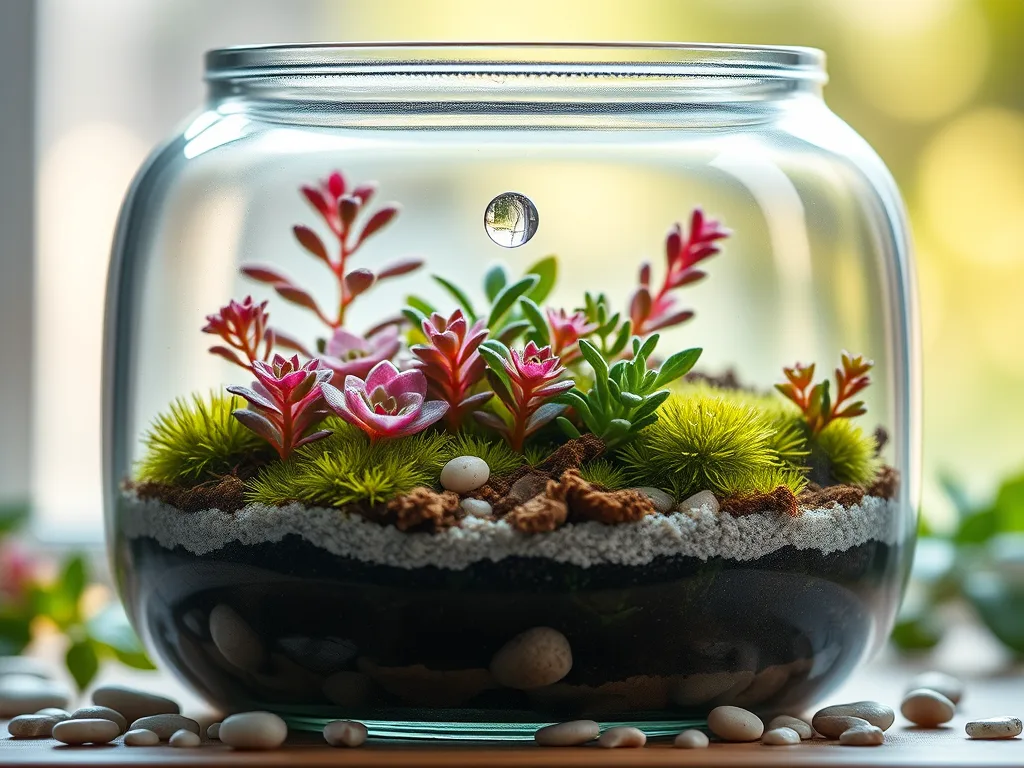
Using Terrariums in the Classroom: Educational Uses helps students study living systems directly. Sealed glass containers demonstrate the water cycle. Open containers show desert plant adaptations.
Bioactive setups teach decomposition and energy flow. These active models replace high-maintenance classroom pets.
The Classroom Science Struggle: Moving Beyond the Textbook
Traditional science worksheets often fail to spark real curiosity. Reading about evaporation or nutrient cycles on a flat page rarely leads to long-term memory retention. Students need a tangible connection to the natural world to grasp these concepts.
Without a physical model, biology lessons can feel abstract and distant. This is especially true for urban schools where outdoor green space is limited. A living system in the classroom completely changes the dynamic.
Instead of memorizing definitions, students become active observers. They can track daily changes in soil moisture and plant growth. This hands-on tracking shifts science from a memorization chore to an ongoing mystery.
Defining the Educational Terrarium: More Than Just a Plant Jar
To use these tools effectively, we must first understand what they actually are. In our research, we find that teachers sometimes confuse a terrarium with a standard indoor planter.
A terrarium is a sealed or semi-sealed glass container housing plants and soil. You can learn more about these miniature worlds in our beginner’s guide to glass gardens. Unlike a typical flowerpot, these containers create their own distinct microclimates.
If you want to understand how they differ from other setups, it helps to compare a terrarium vs planter vs fish tank. A planter lets water drain out freely and relies on room humidity. A terrarium recycles its own moisture or traps warm air to support specific flora.
As of 2026, educational models have expanded to include everything from tiny plastic cups to large bioactive enclosures. The choice of container dictates what scientific concepts you can display.
The Classroom Variables: Assessing Your Grade Level and Time
Not every glass garden is right for every classroom. Before you purchase supplies, you must evaluate your specific teaching constraints. Your biggest variables will be student age, available time, and curriculum goals.
Younger students need sturdy setups that do not require delicate handling. High school students need complex systems that generate measurable data. You can explore the various options in our guide to the different types of glass habitats.
Maintenance is another critical factor. A sealed system can run for months without water. An open system will require a weekly watering schedule.
Match your setup to your holiday calendar so you do not return to dead plants.
Decision Branch 1: The Closed Terrarium for Water Cycle Dynamics
If your primary goal is to teach the water cycle, a closed system is your best option. These sealed vessels trap moisture inside, creating a self-sustaining loop.
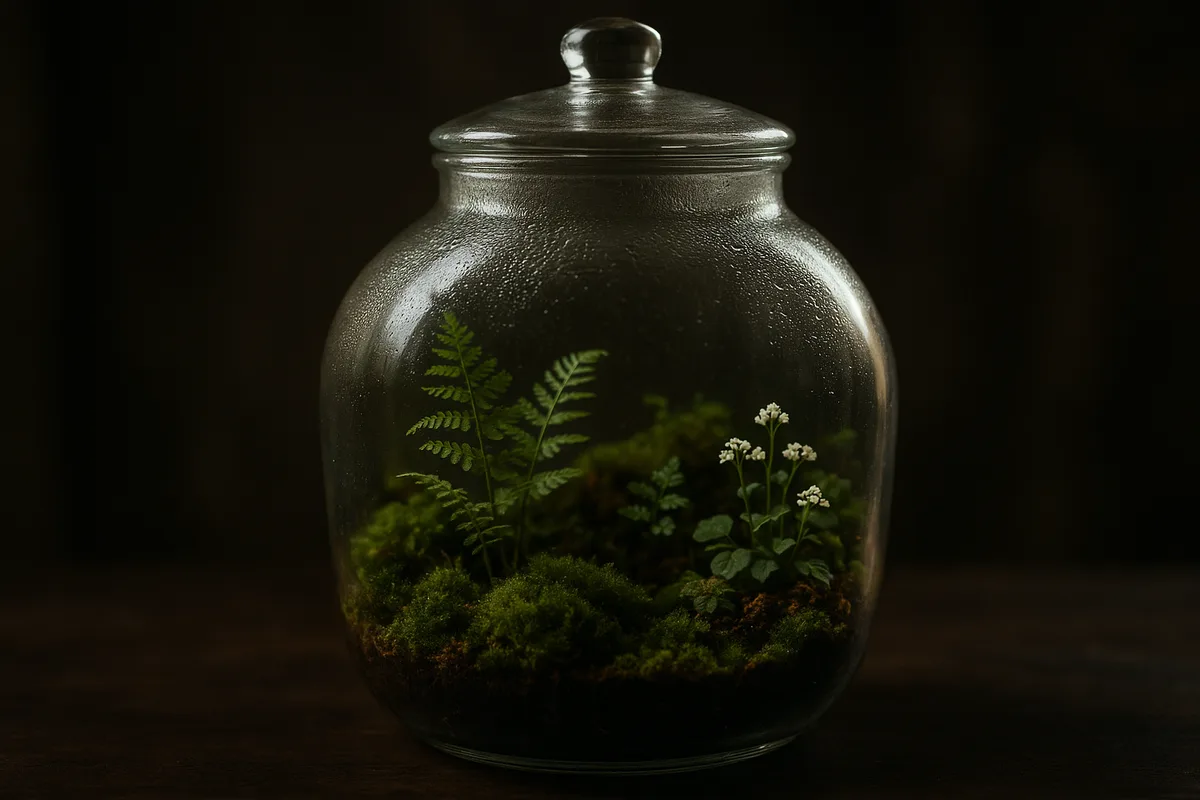
In a closed container, water moves through evaporation, condensation, and precipitation. Students can watch water droplets form on the glass and drip back into the soil. This visual model makes the global water cycle easy to grasp.
For these setups, you must select tropical species that thrive in high humidity. Using the correct plants for sealed environments ensures the system does not rot. Mosses, ferns, and nerve plants are excellent choices.
Keep in mind that these closed environments are highly sensitive. You can learn more about why small ecosystems are so fragile to prevent early collapse. A small shift in light or temperature can quickly destabilize the entire system.
Decision Branch 2: The Open Desert System for Adaptation Studies
If you want to teach plant adaptations and arid climates, an open system is ideal. These setups do not use lids. They allow air to circulate freely and keep humidity low.
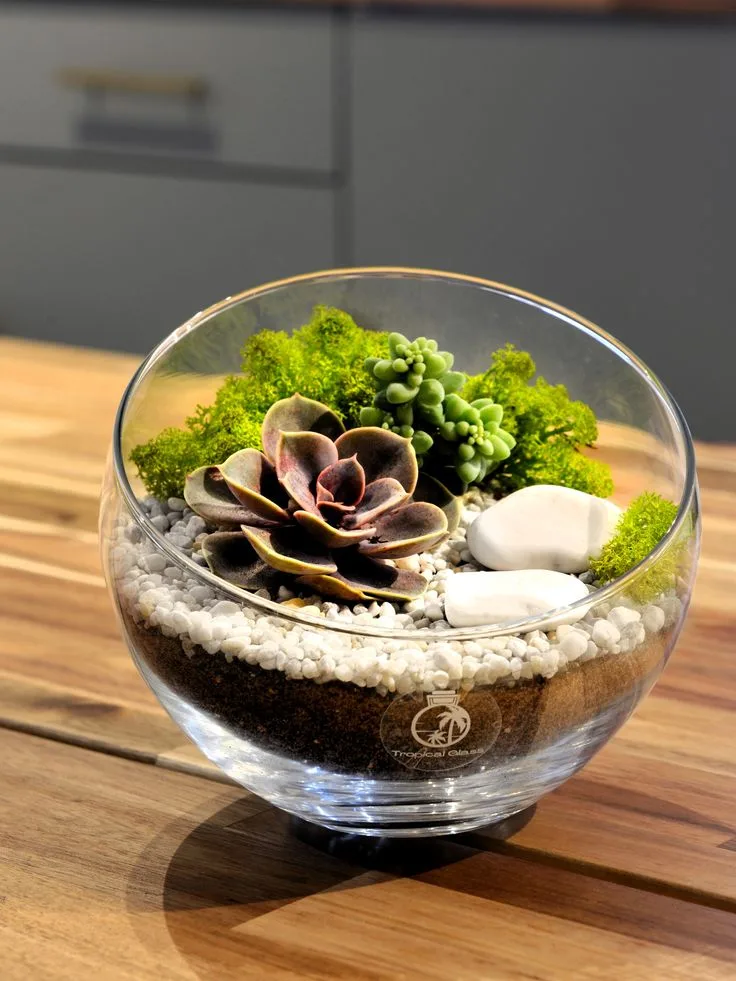
Open terrariums are perfect for housing succulents and cacti. These plants have adapted to survive with very little water. Students can study their thick leaves, waxy coatings, and shallow root systems.
Light is critical for these desert environments. Understanding how glass affects light transmission will help you place your container. Arid plants need strong, direct light to prevent leggy, weak growth.
These setups require manual watering but are highly forgiving. They can go weeks without moisture. This makes them a safe choice for classrooms that get hot and dry over weekends.
Decision Branch 3: The Bioactive Ecosystem for High School Biology
High school science classes require a deeper study of complex biological interactions. For these advanced students, a bioactive system provides an excellent platform to study nutrient cycling and symbiotic relationships.
A bioactive container is an active ecosystem that utilizes a living cleanup crew to process waste. These tiny invertebrates, such as isopods and springtails, feed on decaying plant material and prevent mold.

Introducing these detritivores allows students to monitor nitrogen cycles in real time. You can enhance their diet by utilizing organic waste breakdown as a food source. This organic debris provides shelter for the microfauna while they enrich the soil.
These systems simulate a natural forest floor. They demonstrate how energy flows from producers to decomposers. High schoolers can collect soil samples, measure humidity levels, and count invertebrate populations to track ecosystem stability.
Step-by-Step Workflow: Building Your Classroom Science Lab
Building a classroom habitat requires a structured approach to ensure long-term plant survival. Having students work in teams to assemble these layers is a great hands-on activity.
Here is the essential sequence for layering your container.
| Layer Order | Material | Educational Function |
|---|---|---|
| 1. Bottom Layer | Pea gravel or clay leca | Creates a reservoir for excess water |
| 2. Middle Layer | Fine mesh barrier | Keeps soil from falling into the reservoir |
| 3. Filter Layer | Activated charcoal | Filters toxins and prevents odor |
| 4. Top Layer | Specialized potting mix | Provides nutrients and supports root growth |
First, pour one to two inches of gravel into the clean container. Next, place a divider to keep the substrate clean. Selecting a quality mesh for separating the soil from water prevents muddy, waterlogged roots.
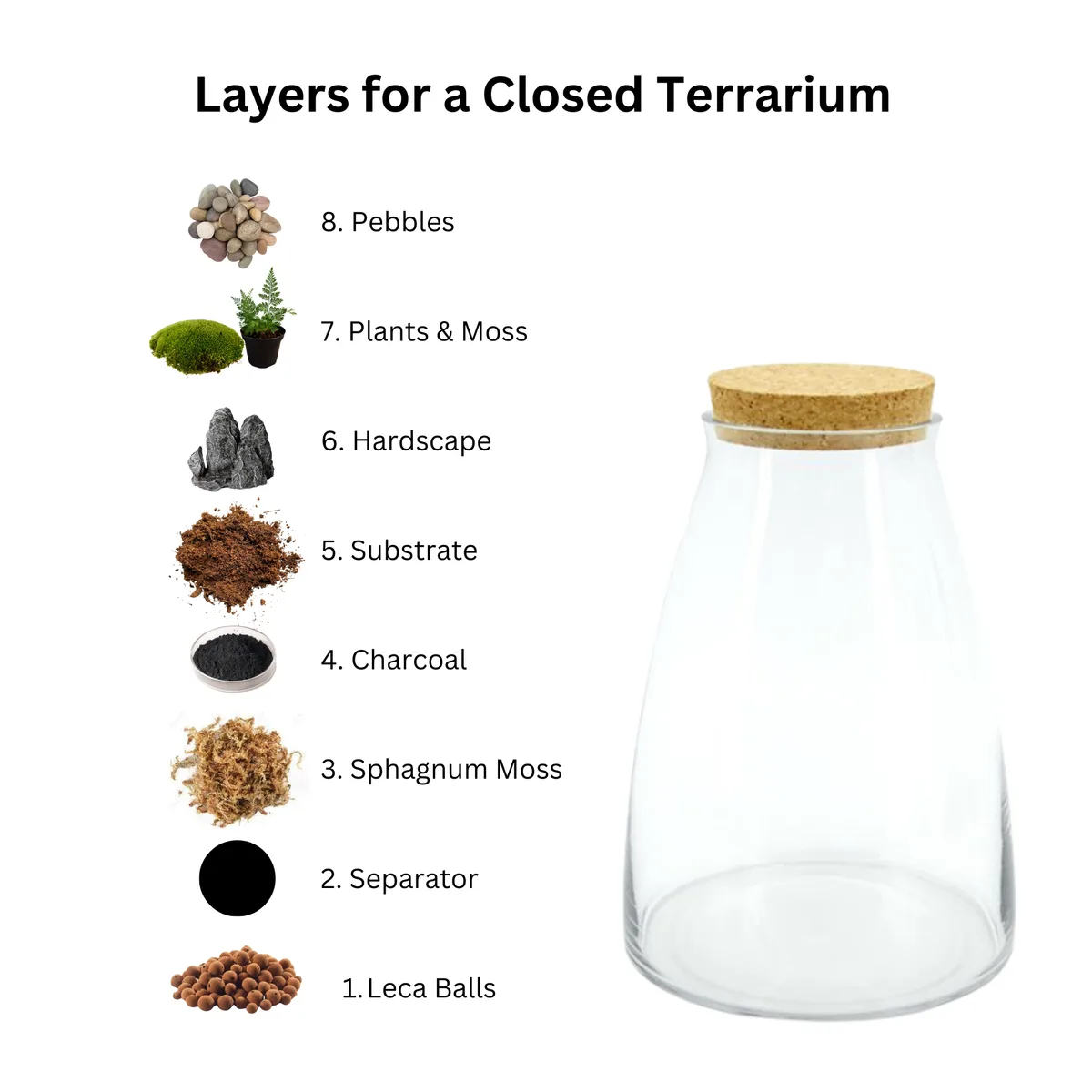
Sprinkle a thin layer of activated charcoal over the mesh barrier. This charcoal acts as a natural filter to keep the container fresh.
Finally, add the growing medium. Choosing nutrient-rich planting media ensures your plants have the physical support and food they need to grow. Gently plant your flora, mist the soil, and close the lid.
Curriculum Integration: 3 Turnkey Lesson Plans Aligned with NGSS
Ecosystem models fit perfectly into standard middle and high school science curricula. You can use these three lesson outlines to connect your glass garden directly to academic standards.
Lesson Plan 1: Photosynthesis vs. Respiration
Students seal a plant in a closed jar and place it in a bright spot. Over a week, they measure how carbon dioxide and oxygen levels shift during the day and night.
This experiment demonstrates how plants produce oxygen during the day and consume it at night. It shows the delicate balance of gases in closed spaces.
Lesson Plan 2: Mapping the Nitrogen Cycle
Using a bioactive setup, students track how quickly fallen leaves turn back into soil nutrients. They observe springtails consuming mold and waste.
Students create flowcharts mapping the movement of nitrogen from organic matter, to decomposers, and back to plant roots. This lesson aligns with energy flow standards.
Lesson Plan 3: Microclimates and Solar Radiation
Students place one container in indirect light and another in direct sunlight. They measure the temperature shifts inside both vessels using small digital probes.
This lab helps students understand the greenhouse effect. They will learn about heat retention in glass structures and how it affects plant respiration.
Critical Mistakes That Cause Classroom Ecosystem Collapse
Classroom systems often fail because of simple, avoidable mistakes. Understanding these pressure points helps keep your project alive for the entire school year.
Mold is the most common threat to a closed setup. It thrives in stagnant, wet air and can quickly destroy every plant in the container.
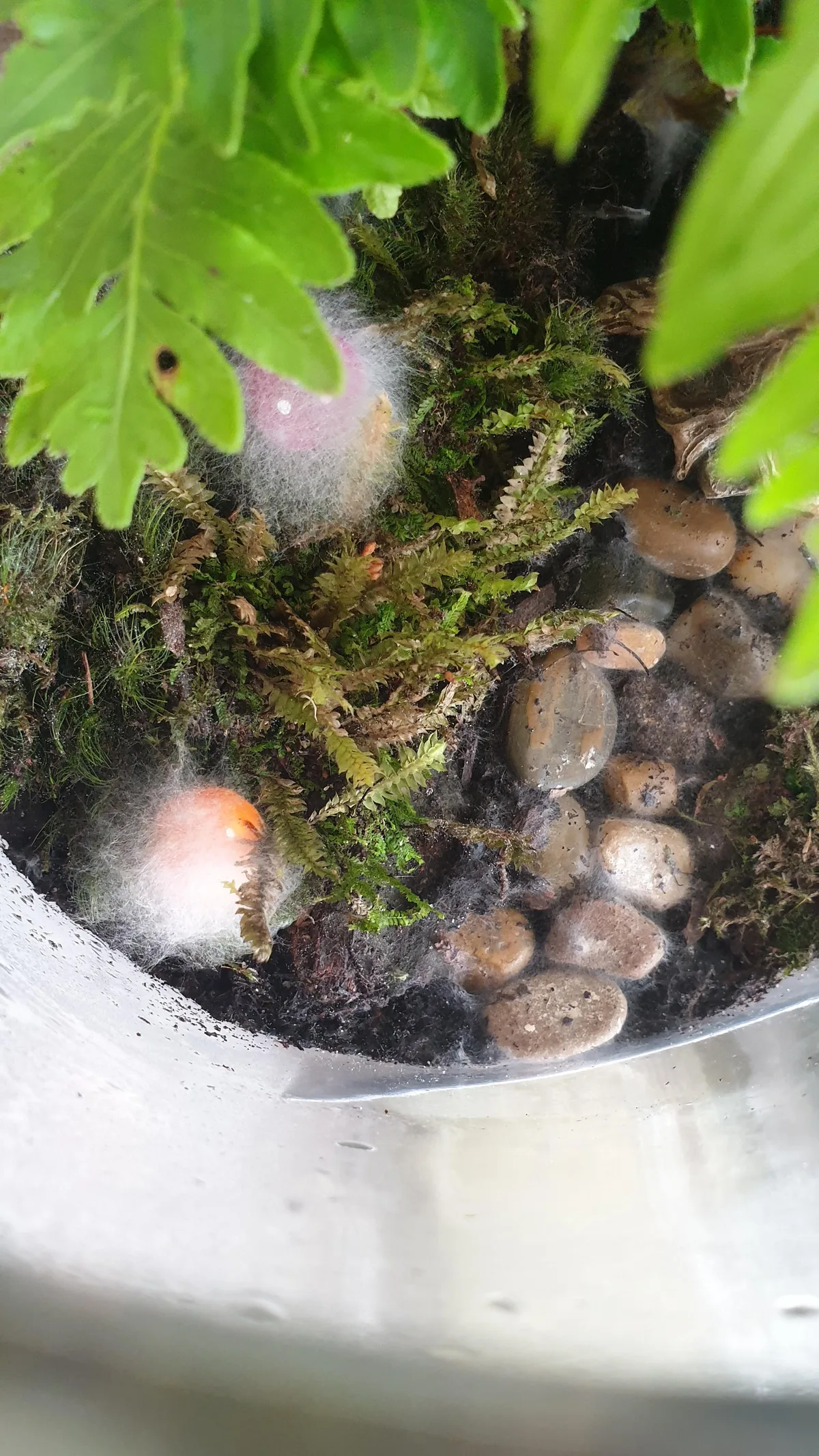
To prevent this issue, you must avoid planting invasive or toxic species that rot easily in high humidity. Select hardy varieties that can withstand constant moisture.
Overwatering is another frequent issue. If the soil becomes muddy, you must take steps for managing excess moisture before the roots rot. Simply leave the lid off for a few days to let the excess water evaporate.
Sudden changes in light can also kill your plants. Never place a glass container on a sunny windowsill, as the intense heat will quickly overheat the interior.
School Break Survival: Maintenance Protocols for Holidays and Weekends
Long school breaks are the hardest times for classroom plants. Without proper preparation, you may return to a container of dead leaves.
If you have a closed setup, maintenance is very simple. Ensure the lid has a tight seal and place the jar in a room with a stable temperature. The water cycle will keep the plants watered for weeks.
For open desert setups, give the soil a deep watering the day before you leave. These plants can easily survive a two-week winter break without extra moisture.
You should establish regular upkeep routines during the school year to keep the ecosystem stable. Have students check the moisture levels every Friday to prepare for the weekend.
Classroom Terrarium Quick Selection Decision Guide
Choosing the wrong style of glass container can lead to a messy cleanup and dead plants. To avoid this, you can follow a simple conditional workflow to select the perfect model.
If your curriculum focuses on the cycle of evaporation and precipitation, then you should build a sealed tropical system. These closed setups trap moisture to simulate a rainforest environment.
If you are worried about high heat during summer breaks, then you should build an open succulent system. Arid plants require very little water and can survive long periods of neglect.
If you want to teach soil biology and decomposition, then you should build a bioactive system. Adding a living cleanup crew allows students to study nutrient cycling without mold taking over the jar.
If you want to save time on daily maintenance, then a closed setup is your best option. However, you should watch out for common misconceptions about self-sustaining containers before assuming they require zero care. Every closed system still needs occasional monitoring to prevent issues.
Water Quality and Light Source Decisions for Classroom Success
The type of water and light you choose will directly affect the health of your glass garden. Using municipal tap water can introduce chlorine and heavy metals into the soil.
Over time, tap water leaves white mineral deposits on the glass walls. In our research, we find that using distilled water or rainwater is the best way to prevent this buildup. You can read more about choosing the right water source to keep your plants healthy.
Lighting is another critical decision for classroom success. Many schoolrooms do not get enough natural sun, or the windows expose the glass to extreme heat.
If your room has low light, you should install a small LED grow light. You can compare the benefits of natural vs artificial light setups to see which fits your classroom budget. LEDs provide consistent light without raising the temperature inside the container.
Managing Classroom Heat: The Challenge of Indoor Temperature Swings
School buildings undergo major temperature swings on weekends and holidays. Facility managers often turn off the heating and cooling systems to save energy.
These rapid temperature drops and spikes can stress delicate tropical plants. High heat inside a closed container can quickly cook the roots.
When one element of the system fails, it can trigger a chain reaction of plant rot and mold. Understanding how small problems escalate quickly is key to preventing total system failure.
To protect your model, move it away from drafty windows and heating vents. Place the container in an interior room or on a central shelf where temperatures stay relatively stable.
Connecting with the Global Terrarium Community
You do not have to solve plant care problems on your own. There is a large network of experienced keepers who can help you troubleshoot issues.
Connecting with these hobbyists is a great way to find project ideas. You can find active help through various online grower groups on social media.
Sharing photos of your classroom progress can also inspire other teachers. Many educators use these digital spaces to trade tips on hardy plant species and cheap container sourcing.
If you are new to the hobby, learning the correct terminology is helpful. You can study our essential vocabulary terms to help your students write accurate lab reports.
Frequently Asked Questions
What is the best container for a classroom terrarium?
Clear glass or heavy-duty acrylic containers are the best choices for school projects. Glass offers the best light transmission and resists scratching. Acrylic is much lighter and safer for younger students to handle.
How often do classroom terrariums need to be watered?
Closed systems only need watering every few months if the lid seal is tight. Open desert systems require watering once every two to three weeks. Always check the soil moisture with your finger before adding water.
What are the best plants for a school project?
Fittonia, mosses, and small ferns work best in moist, closed containers. Succulents, jade, and air plants are ideal for open, dry setups. Avoid fast-growing weeds that will quickly crowd the glass.
How do you prevent mold in a sealed container?
You can prevent mold by adding activated charcoal and springtails to the soil mix. Springtails eat mold spores before they can spread. Leaving the lid off for a few hours also helps reduce excess humidity.








