


Terrarium vs. Vivarium vs. Paludarium: Complete Comparison might seem like a simple naming dispute, but the wrong choice can stress out your plants or even harm your pet.
These three habitat types serve distinct ecological purposes that dictate everything from humidity levels to maintenance schedules. A terrarium focuses on botanical stability, while a vivarium prioritizes animal welfare through controlled air exchange. Meanwhile, a paludarium merges both worlds by integrating aquatic and terrestrial zones into one display.
Understanding these core differences is the first step toward building a thriving micro-ecosystem.
The primary distinction lies in ventilation and moisture retention, which directly impacts your setup’s longevity. For example, closed terrariums often require zero watering for months due to their internal water cycles, whereas open vivariums need daily misting to prevent desiccation. As of 2026, the trend has shifted heavily toward bioactive setups that use natural organisms to break down waste.
This approach reduces labor but demands precise balancing of soil chemistry and inhabitant populations. Let’s break down exactly how each system functions so you can pick the right one for your space.
Quick Answer
A terrarium is a sealed or semi-sealed container focused on growing plants with high humidity. A vivarium is an open or vented enclosure designed primarily for keeping reptiles, amphibians, or insects alive. A paludarium is a hybrid that combines land and water features, typically used for semi-aquatic species or complex plant displays.
Choose a terrarium if you want low-maintenance greenery. Choose a vivarium if you are housing active land-dwelling pets. Choose a paludarium if you need both aquatic and terrestrial zones in one unit.
Terrarium, Vivarium, or Paludarium: Which Setup Fits Your Vision?
Many hobbyists get stuck debating names before they even buy glass. The real question isn’t about semantics. It is about what biological cycle you want to manage.
If you want a self-sustaining plant garden that runs on rain and light, look at terrariums. If you are keeping a bearded dragon or a tarantula, you need the airflow and heat gradients of a vivarium. If you dream of a waterfall or a fish tank built into a jungle, the paludarium is your only option.
What defines each type: Air, Land, and Water Mix
The fundamental difference comes down to how you handle air and water. A standard terrarium (from Greek terra, meaning earth) traps moisture inside. It creates a mini water cycle where evaporation condenses on the glass and falls back down.
You can make them closed with solid lids or open with mesh tops. Closed units are lush and tropical. Open units dry out faster.
A vivarium is all about the living creature. It usually requires screens or vents to allow fresh oxygen in and carbon dioxide out. Animals breathe faster than plants and produce more waste.
Without proper ventilation, harmful ammonia can build up quickly. Most vivariums have a dry side and a humid hide spot, but they rarely hold standing water for long.
A paludarium bridges the gap. It incorporates an aquatic area next to a terrestrial area. This design is popular for crested geckos, dart frogs, and many turtle species.
The water feature adds humidity to the air naturally. However, it also requires filtration to keep the water from turning cloudy. Balancing the water level with the soil moisture is the key challenge here.
How Each Habitat Works: Anatomy of the Ecosystem
Understanding the mechanics behind each setup helps you troubleshoot problems before they start. Every habitat relies on four main components: the shell, the substrate, the climate control, and the inhabitants. Small changes in any of these areas can shift the entire balance of the ecosystem.
The Terrarium: A sealed or semi-sealed botanical world
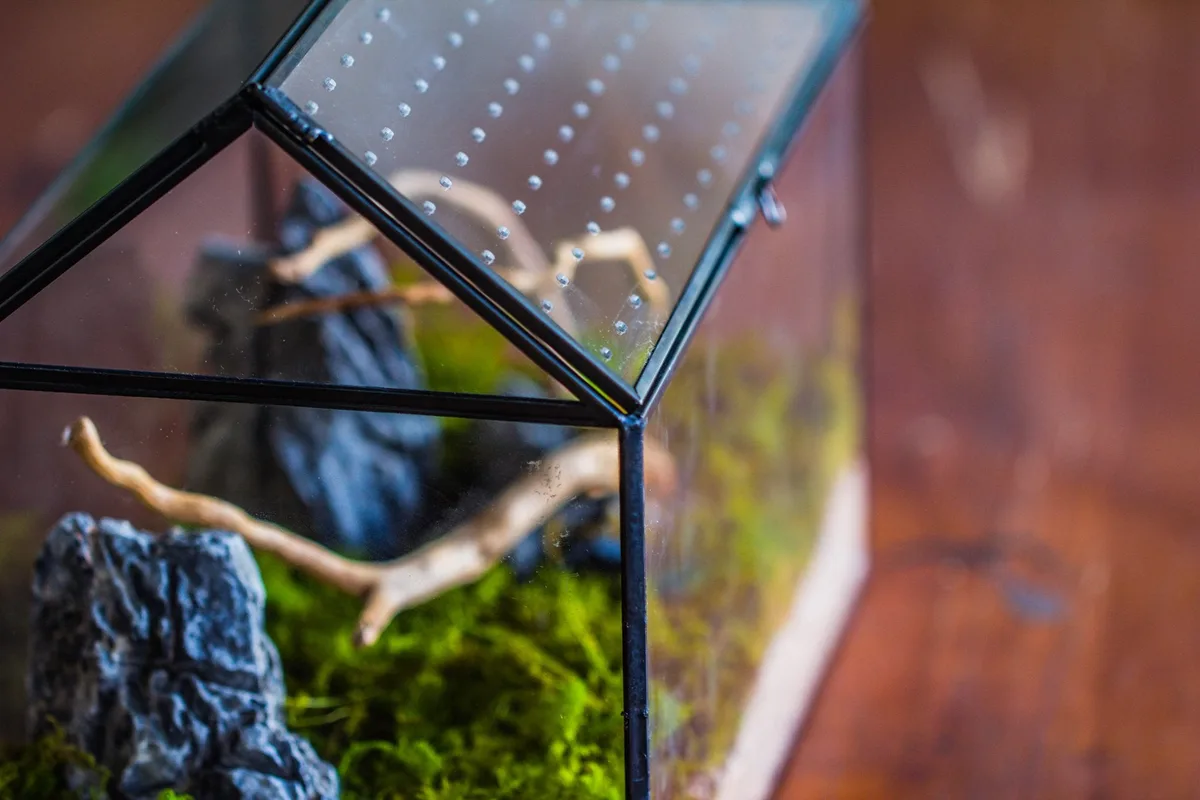
In a closed terrarium, water is the primary driver. Evaporation from the soil and leaves hits the cool glass and rolls back down as condensation. This creates a continuous loop.
You rarely need to add water once it is balanced. The risk is overwatering during setup. If you see heavy fog that doesn’t clear after a few hours, open the lid.
This allows excess moisture to escape. Open terrariums behave differently. They rely on external watering.
They are better for succulents and cacti that rot in high humidity.
The Vivarium: A controlled environment for active land dwellers
Vivariums prioritize air exchange. A screen top is the most common feature here. It allows cross-breezes that carry away stale air.
Inside, you build a thermal gradient. One corner gets hot from a heat lamp. The other stays cool for the animal to escape the heat.
Substrate depth varies by species. Jumping spiders need less room than burrowing scorpions. The layout must include vertical climbing spaces and secure hiding spots to reduce stress.
Paludarium: The hybrid beauty of land meeting water
This setup combines the complexity of a fish tank with the aesthetics of a jungle. The aquatic section requires a pump or filter to circulate water. Stagnant water breeds mosquitoes and algae.
The land section sits above or beside the water. It must be slightly elevated to prevent soil erosion into the tank. Plants in this zone have dual needs.
Some roots stay wet. Others stay damp but not soaked. Choosing plants with flexible root tolerance is critical for success.
Side-by-Side Comparison: Feature Breakdown
Comparing these habitats side-by-side highlights why one might fail where another succeeds. Factors like maintenance, cost, and visual appeal vary significantly. Use this breakdown to match your lifestyle with the right enclosure type.
| Feature | Terrarium | Vivarium | Paludarium |
|---|---|---|---|
| Primary Goal | Plant growth & display | Animal health & behavior | Hybrid land/water display |
| Ventilation | Low (closed) to Medium (open) | High (screens/vents) | Medium-High (dual zone) |
| Humidity | Very High (70-100%) | Variable (40-80%) | High near water, moderate on land |
| Maintenance | Low (weekly wipe/mist) | Medium-Daily (spot clean) | High (water changes/filtration) |
| Best For | Mosses, ferns, bromeliads | Geckos, snakes, arthropods | Frogs, shrimp, aquatic plants |
| Lighting | Soft diffuse or grow lights | Heat lamps + UVB bulbs | High intensity grow lights |
Humidity Control: Sealed moisture vs. active airflow
Humidity management is the biggest differentiator. Closed terrariums hold nearly 100% relative humidity naturally. You control this by adjusting how often you open the lid.
Overwatering is the enemy here. If you neglect how to fix overwatered terrarium issues, the glass will stay foggy and mold will spread across the substrate. In contrast, vivariums require manual intervention.
You mist the walls or use an automatic fogger. Open designs lose moisture to the room.
Temperature Management: Passive warmth vs. gradient heating
Plants in terrariums tolerate a wide temperature range. They thrive when the ambient room temperature stays between 65 and 75 degrees Fahrenheit. Vivariums often need spot heating.
Reptiles are ectothermic. They cannot generate their own body heat. You must provide a basking spot that reaches 85 to 95 degrees using ceramic heaters or UVB bulbs.
Paludariums share the heat load. Water cools the air naturally. This can help prevent overheating in warmer rooms.
Lighting Requirements: Plant-centric UV vs. animal-centric heat spots
Light serves two different masters in these setups. For terrariums, you need full-spectrum grow lights. These mimic sunlight to drive photosynthesis.
You don’t need intense heat from the bulb. For vivariums, lighting includes both illumination and function. UVB bulbs are mandatory for many reptiles to synthesize vitamin D3.
Without this, they develop metabolic bone disease. Heat sources are often separate from the light fixtures to avoid hot spots.
Maintenance Levels: Self-sustaining cycles vs. active cleaning routines
Terrariums are the king of low maintenance. Once established, a closed jar might only need pruning every few months. You rarely touch the substrate.
Vivariums demand daily attention. Droppings must be removed immediately to prevent bacteria. Food scraps attract pests.
Substrate turnover happens annually or bi-annually. Paludariums sit in the middle. You check water parameters weekly.
Plant trimming is constant due to the rapid growth fueled by the humid air.
Pros and Cons: What to Expect with Each Setup
No habitat is perfect. Each style comes with specific advantages and inherent risks. Recognizing these trade-offs early saves you from buying expensive equipment you can’t manage.
The Terrarium: Beautiful and low-effort, but fragile
Closed terrariums offer an instant dose of nature indoors. They look stunning on shelves and desks. The self-watering aspect is incredibly convenient.
You can go on vacation without worrying about drying out. However, they are fragile. If a fungus gnat larva gets in, it can destroy the ecosystem.
A single rotting leaf can trigger an ecosystem collapse if not removed fast. They are not suitable for large animals or messy eaters.
The Vivarium: Durable and flexible, but requires more time
Vivariums are robust systems. The open design prevents the mold outbreaks common in closed jars. You can easily swap decor or animals without sterilizing the whole unit.
They accommodate a wider variety of pet sizes. The downside is the labor. You must monitor temperatures and humidity daily.
Electrical cords for heaters and pumps create tripping hazards and potential escape routes for clever lizards or spiders.
The Paludarium: Stunning and naturalistic, but complex
Few setups beat the visual drama of a paludarium. Waterfalls and cascading plants look incredible. They support unique biodiversity that neither tanks nor boxes can match.
Building one is technically challenging. You need waterproof barriers to separate land from water. You must calculate buoyancy for rocks and wood.
If the plumbing fails, you lose half your habitat instantly. It requires advanced planning and often higher initial costs.
Common pitfalls: Mold, condensation, and escape artists
Regardless of the type, three mistakes ruin most setups. First, using toxic plants or treated wood. Check your list of plants carefully before adding them to any enclosed space.
Second, ignoring quarantine protocols. Always isolate new animals or plants to prevent introducing pests. Third, poor drainage.
Whether it is a barrier layer in a jar or a sponge filter in a tank, stagnant water is a death sentence for roots and skins alike.
Who Should Build Which Habitat?
Choosing the right enclosure depends entirely on your goals. Are you growing botany specimens or raising live animals? Your answer dictates the hardware you need.
For Plant Lovers: Growing mosses, ferns, and bromeliads
If your heart is set on lush greenery with minimal fuss, start with a terrarium. Ferns and mosses thrive in the stable humidity. Bromeliads add colorful spikes without demanding much space.
Avoid plants to avoid in terrariums like succulents in closed glass jars. They will rot instantly. If you have low light conditions, stick to shade-loving varieties.
This path lets you learn how to choose the right plants for a closed terrarium safely.
For Reptile Keepers: Housing geckos, snakes, and bearded dragons
Reptiles generally do well in vivariums. Bearded dragons need high heat and low humidity. A large glass tank with basking spots works best.
Crested geckos prefer vertical space and moderate humidity. Mesh enclosures are ideal here because they prevent gas buildup from their droppings. Snakes often do better in simpler tubs or secure glass boxes.
Focus on security. Escape artists are common among young reptiles looking for cooler temperatures.
For Amphibian Enthusiasts: Caring for frogs, salamanders, and tree frogs
Amphibians have sensitive skin that absorbs toxins from water and air. Vivariums with precise humidity controls are their best friend. You need live plants to help regulate the air quality.
This setup often blends into a paludarium concept. Many dart frog keepers use semi-aquatic designs. This satisfies the frog’s need for a misty rainforest floor while allowing easy cleaning of waste.
Ensure your water source is dechlorinated and filtered properly.
For Aquatic Fans: Keeping shrimp, fish, and semi-aquatic turtles
If you love aquatic life but find traditional tanks boring, try a paludarium. Freshwater shrimp enjoy the high humidity and planted land areas. Semi-aquatic turtles need deep water for swimming and a dry basking platform.
This setup requires robust filtration. You can grow emersed plants in the shallow water area to provide natural filtration. Check out communities online for technical tips on glass vs acrylic terrariums suitable for heavy water loads.
Real Scenarios: Matching Setup to Inhabitant
Theory is useful, but practical application is where most hobbyists struggle. You might buy the perfect glass enclosure only to realize it lacks the ventilation your pet needs. Or you might build a stunning water feature that never fills with plants because the humidity kills them.
Let’s look at three common scenarios to show how these systems work in the real world.
Case 1: The Leopard Gecko Enclosure (Dry Warmth, Simple Layout)
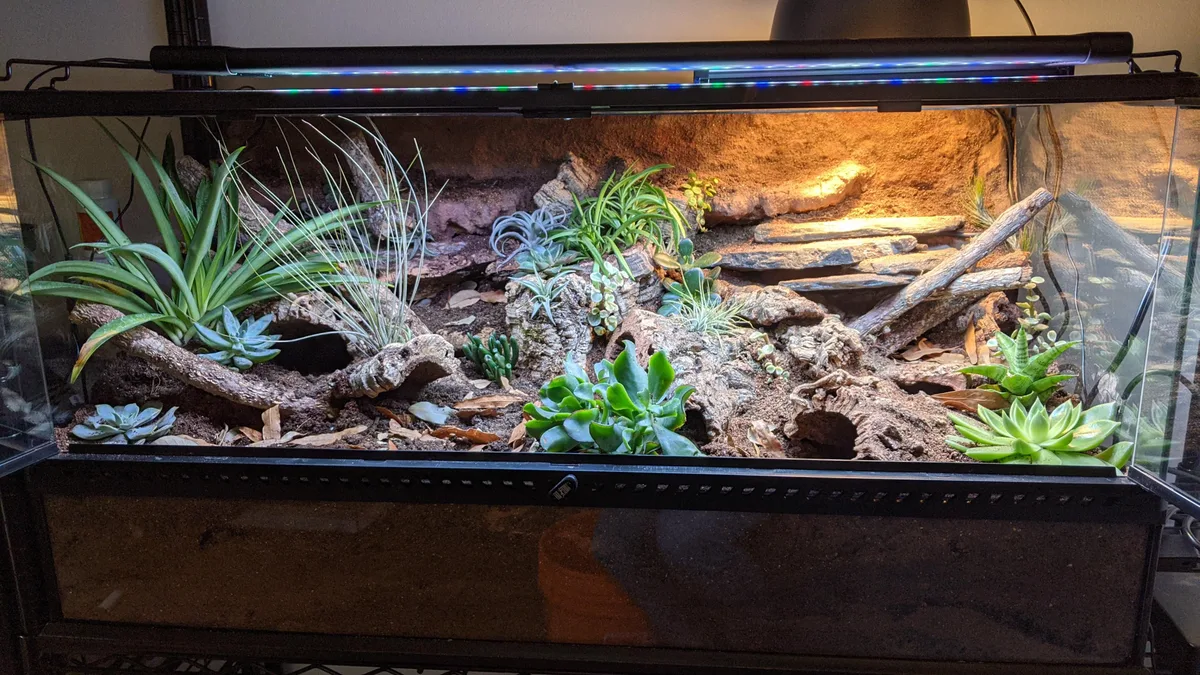
Leopard geckos come from arid regions like Pakistan and Afghanistan. They do not need high humidity or lush plants. A vivarium is the clear winner here.
You should use a simple substrate like reptile carpet or paper towels for easy cleaning. Avoid heavy soil mixes that hold moisture. The key feature is a temperature gradient.
Place a heat mat on one side of the tank. The other side should stay near room temperature. This allows the gecko to self-regulate its body heat.
Keep humidity around 30 to 40 percent. Add a small water dish for drinking. This setup requires very little maintenance.
Spot clean waste daily. Full substrate changes happen only when it becomes messy.
Case 2: The Red-Eyed Tree Frog Vivarium (Vertical Jungle, Constant Mist)
Red-eyed tree frogs are iconic, but they have specific needs. They require constant misting and high humidity levels between 60 and 80 percent. A vivarium with screen tops works best if you add an automatic fogger.
Use a deep bioactive substrate layer. This includes sterilized topsoil, coconut fiber, and leaf litter. Leaf litter is crucial because it hosts microfauna like springtails.
These tiny organisms eat waste and keep the tank clean. Plant live mosses and ferns on the sides. They absorb excess water and release oxygen.
You will need to mist this setup twice daily. Check for mold weekly. If you see black spots, remove affected plants immediately.
A barrier layer is essential to prevent the substrate from sinking into the drainage zone below.
Case 3: The Pacu Fish Paludarium (Aquatic Depth with Basking Islands)
Pacu fish are large, active swimmers that need deep water. However, they also enjoy basking on land during low-tide simulations. A paludarium provides this complex environment.
Start with a strong sump pump to filter the water. Install a steep slope from the water line up to a dry basking area. Use porous rocks for the slope so they don’t become slippery.
Plant hardy aquatic species in the submerged section. Water hyacinths float well and filter nitrates. On the land side, use driftwood and broad leaves.
You must monitor the water temperature closely. Fish generate heat through metabolic activity. Add an aquarium chiller if your room gets warm above 80 degrees Fahrenheit.
This setup is visually stunning but requires daily water testing.
Step-by-Step Setup Guide for Beginners
Building your first habitat can feel overwhelming. The learning curve is steep if you try to do everything at once. Break the process down into manageable phases.
Follow this sequence to avoid common structural failures.
Step 1: Choosing the Right Enclosure Material (Glass vs. Acrylic)
Your container choice dictates visibility and insulation. Glass is the industry standard. It is scratch-resistant and retains heat better than plastic.
Heavy glass tanks are stable and less likely to tip over. Acrylic is lighter and shatter-resistant. It is easier to move but scratches easily.
Cleaning acrylc requires specialized non-abrasive cleaners. For large builds over five feet, acrylic offers better value. For standard desktop sizes, glass is the safer bet.
Always check for leaks before adding soil. Fill the empty tank with water and leave it for 24 hours. This tests the seal integrity.
Step 2: Building the Foundation: Barrier Layers and Drainage
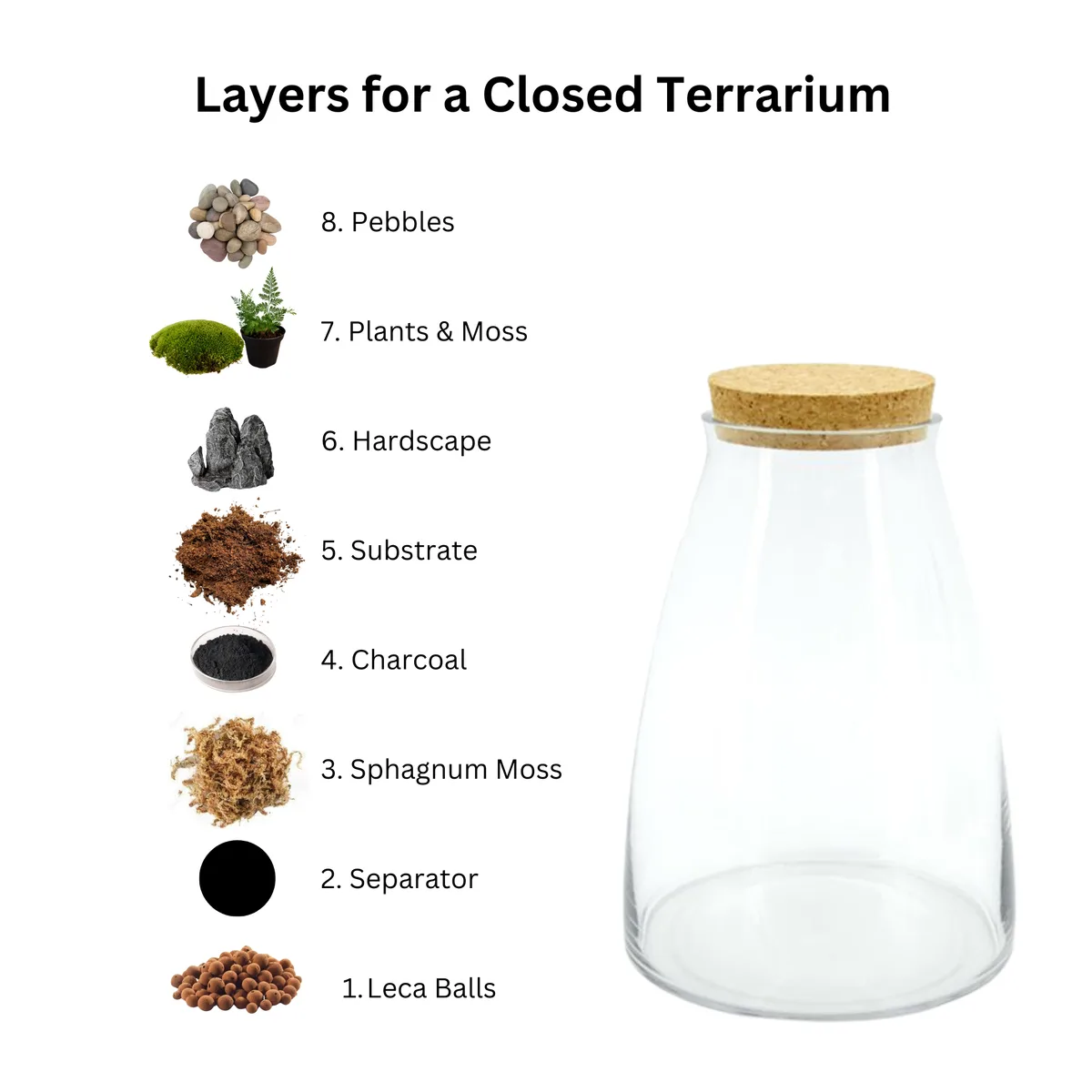
A solid base prevents rot. Start with a drainage layer. Use hydrostones or LECA balls for large tanks.
For smaller jars, skip drainage and use a barrier instead. Place a mesh screen over the drainage layer. This stops soil from washing down and clogging the stones.
Above the mesh, add activated charcoal. Charcoal neutralizes odors and filters impurities. This step is non-negotiable for closed systems.
Without it, stagnant water smells bad quickly. The charcoal layer should be about half an inch thick. Ensure it is sterile.
Avoid potting soil with fertilizers at this stage.
Step 3: Selecting Substrate for Plants and Animals
The top layer depends entirely on your goals. For plant-focused terrariums, use a mix of peat moss and perlite. Perlite adds air pockets for root health.
For animal-focused vivariums, add a layer of live moss on top. Moss retains surface moisture and looks natural. If you want to create a bioactive ecosystem, spread a thin layer of leaf litter.
This introduces beneficial bacteria. Always moisten the substrate lightly before planting. Dry soil repels water initially.
Let it soak in for a few hours. This ensures even hydration.
Step 4: Installing Hardscape and Water Features
Hardscape refers to the non-living structure. Rocks, driftwood, and caves form the skeleton of your display. Place large items first.
Secure them if they are unstable. For paludariums, anchor rocks firmly against water pressure. Use silicone rated for aquariums to bond heavy pieces.
Create hiding spots by angling wood against the back glass. This makes inhabitants feel secure. Leave enough open space for cleaning.
Do not fill every corner. Your hands need room to reach in. Pruning shears also need clearance.
Step 5: Lighting and Heating Integration
Light sources sit outside the tank to prevent burns. For terrariums, LED grow lights provide full spectrum. Place them 6 to 12 inches above the canopy.
Adjust height as plants grow. For vivariums, combine LEDs with heat lamps. Use ceramic heat emitters for nighttime warmth.
They emit no light. This mimics natural day-night cycles. Always use a dimmer switch if possible.
Sudden changes in brightness stress animals. Monitor temperatures with a digital thermometer. Aim for stable ranges.
Fluctuations above five degrees can cause thermal shock.
Step 6: Planting and Introducing Water
Planting should be gentle. Remove plants from nursery pots and tease apart the roots. Dig small holes with a long spoon or chopstick.
Place the root ball in and cover with soil. Water slowly using a spray bottle or turkey baster. Avoid flooding the pot.
Let the water drain away if possible. For paludariums, fill the aquatic section slowly. Use a plate to disperse the flow.
This prevents erosion of the land side. Add filter media last. Cycle the filter for a week before introducing sensitive animals.
Nitrogen cycles take time to establish.
Critical Maintenance Routines for Long-Term Health
A beautiful setup dies without consistent care. Maintenance prevents minor issues from becoming disasters. Set a schedule based on your habitat type.
Stick to it religiously.
Daily Checks: Water levels, temperature logs, and behavior observation
Spend five minutes each morning scanning your tank. Look at the hydrometer. Is humidity within the target range?
Check the thermometer. Are heat spots stable? Observe your inhabitants.
Are they active or lethargic? Lethargy often signals temperature drops or illness. For terrariums, check for excessive condensation.
Wipe the glass with a microfiber cloth if needed. This improves light penetration. Never use chemical cleaners on the inside.
They leave toxic residues. Stick to plain water or vinegar solutions diluted heavily.
Weekly Tasks: Pruning plants, spot-cleaning waste, and humidity adjustments
Plants grow fast in humid environments. Trim overgrown leaves weekly. This prevents shading lower plants and blocks airflow.
In vivariums, spot-clean droppings immediately. Waste holds moisture and breeds mites. Use tweezers to remove debris.
Replace uneaten food. For paludariums, check the water level. Evaporation happens constantly.
Top off with dechlorinated water. Clean algae from the glass using a magnetic scrubber. This keeps the view crystal clear.
Monitor plant health. Yellow leaves indicate nutrient deficiency.
Monthly Deep Cleans: Substrate turnover, glass wiping, and equipment checks
Once a month, perform a thorough inspection. Remove all decor and rinse it. Sterilize glass containers with boiling water.
Check filters and pumps. Replace worn parts. Vibration sensors on pumps often fail silently.
Listen for unusual humming sounds. Inspect substrate color. If it turns dark gray or smells sour, it is time for a partial change.
Remove half the old soil. Replace it with fresh mix. This refreshes nutrients without resetting the entire ecosystem.
Document any changes in a log book. Tracking trends helps you predict problems.
When to Call a Vet or Expert: Signs of ecosystem collapse
Sometimes things go wrong despite your best efforts. Watch for signs of systemic failure. White mold spreading across soil indicates fungal overgrowth.
Increase airflow and remove affected areas. Pests like fungus gnats appear in swarms. Their larvae eat roots.
Use sticky traps immediately. If your animal loses appetite for more than two days, contact a vet. Metabolic bone disease shows as swollen jaws or curved spines.
Act fast. Prevention is easier than cure. Join online communities for advice.
Reading about others’ mistakes saves you from repeating them.
Costs, Time, and Skill Investment
Budgeting for a habitat involves more than just the tank price tag. Factor in long-term expenses for electricity, food, and replacements. Be honest about your available time.
Initial Setup Costs: Budget-friendly starts vs. premium builds
Entry-level setups start around $50 for a simple glass jar and basic plants. This covers basic terrarium needs. A decent vivarium for a gecko costs between $150 and $300.
This includes heat lamps and secure screening lids. Paludariums are the most expensive. Complex plumbing and filtration add $100 to $300 to the bill.
High-end custom enclosures can exceed $1,000. Materials like thick tempered glass and automated controllers drive up costs. Decide your ceiling early.
You can upgrade later. Starting cheap teaches valuable lessons without breaking the bank.
Ongoing Expenses: Electricity, specialized soil, and food costs
Electricity varies by season. Heat lamps run only in winter for many species. Expect a small bump in your utility bill.
LED lights use minimal power. Food costs depend on your pets. Geckos eat insects.
You can buy crickets wholesale. Frogs eat flies or specialized pellets. Terrarium plants are free once established.
You propagate cuttings endlessly. Replacing substrate annually costs $20 to $40 for bagged mixes. Activated charcoal and lime need restocking.
These are minor recurring costs. Budget roughly $10 to $20 per month for general upkeep supplies.
Time Commitment: Passive terrarium care vs. active vivarium management
Time is your most valuable resource. A closed terrarium might only need attention once a month. You open it to prune.
That’s it. Vivariums demand daily interaction. Feeding, misting, and cleaning take 15 to 30 minutes each day.
Paludariums fall in between. You manage water chemistry and plant growth. Planning your routine around work or travel is essential.
Automated foggers and timers help reduce labor. Weigh the visual payoff against the time sunk in. Many beginners quit vivariums because they underestimate the daily load.
Safety, Legal, and Compliance Warnings
Hobbyist habitats involve electricity, water, and sometimes regulated wildlife. Ignoring safety protocols risks harm to you, your pets, and the law. Take these warnings seriously.
Local Wildlife Laws: Permits for exotic species
Not all animals are legal to keep everywhere. Check local ordinances before buying any creature. Some cities ban all reptiles in residential zones.
Others require permits for endangered species. Importing live plants across borders is strictly regulated. The USDA inspects shipments to prevent invasive pests.
Buying illegally sourced wildlife fuels poaching. Always purchase from reputable breeders who provide CITES documentation. If you find a wild frog or insect, leave it alone.
Capture laws vary by region.
Electrical Safety: Keeping lights and heaters away from water sources
Water and electricity are a dangerous mix. Never place cords inside the tank. Use external clips to secure cables along the back glass.
Ensure all outlets near your habitat are grounded. Use surge protectors to guard against power spikes. If you build a paludarium, keep pump wiring above the water line.
Use waterproof connectors rated for submersion if wiring goes inside. Test ground fault interrupters (GFCIs) monthly. This prevents fatal shocks if equipment fails.
Fire hazards are real with old heat mats. Replace frayed cords immediately.
Toxicity Risks: Identifying plants safe for pets versus those that are harmful
Some plants look pretty but contain lethal toxins. Sago palms are poisonous to cats and dogs. Lilies can cause kidney failure in pets.
Even in terrariums, handle plants with care. Sap from philodendrons irritates skin. Wash your hands after pruning.
When in doubt, use artificial foliage for dangerous species. Research every plant before adding it. Reputable nurseries label toxicity clearly.
If buying used plants, inspect leaves for residue. Sterilize them in a mild bleach solution before introduction. Protect your curious pets.
Escape Prevention: Securing lids and screen vents
Escapees are a nightmare to catch. Small species slip through tiny gaps. Seal any cracks with silicone caulk.
Use locking clips on screen lids. Animals like mantis shrimp or tarantulas are incredibly strong. They can push loose lids off.
Ensure your enclosure has vertical ridges or smooth slopes that discourage climbing if escape is hazardous. Keep doors closed when not working inside. Accidents happen fast.
A quick glance doesn’t hurt. But a missing pet does.
Final Recommendation: How to Decide
Choosing the right habitat comes down to three simple questions. Answer them honestly to find your perfect match. This final decision matrix separates hobbyists from collectors.
The Decision Matrix: Ask yourself these three questions
First, what are you keeping? Plants-only points to a terrarium. Active land animals require a vivarium.
Semi-aquatic life demands a paludarium. Second, how much time do you have? Less than 15 minutes a week means a closed terrarium.
More than an hour daily allows for vivarium maintenance. Third, what is your budget? Under $100 fits basic terrariums.
Over $300 opens doors for complex vivariums or paludariums. Be realistic about your constraints.
Top picks for beginners, intermediates, and experts
Beginners should start with a closed moss terrarium. It is forgiving and visually rewarding. Intermediate hobbyists can tackle a bioactive vivarium for a dart frog.
This adds complexity without requiring plumbing. Experts often gravitate toward paludariums. The engineering challenges of balancing water and land attract advanced builders.
Do not rush into complex builds. Master one system before expanding your collection.
Where to find community support and advanced guides
You will make mistakes. That is normal. Join online communities to get feedback.
Top terrarium communities online offer troubleshooting advice and design inspiration. Read beginner guides to avoid common errors. Understanding what is a terrarium at a fundamental level helps you build better structures.
Share your progress. Learn from others’ successes and failures. This collective knowledge accelerates your skills.
Frequently Asked Questions
Can I turn a terrarium into a vivarium later?
Converting a closed terrarium into a vivarium is difficult but possible. You must drill new holes for ventilation. This weakens the glass structure.
Sealing new vents properly is challenging. It is usually better to start with a vivarium if you plan to keep animals. Open designs allow for easier upgrades later.
Do paludariums require fish or just water features?
Paludariums do not strictly require fish. They can function with just amphibians, terrestrial insects, or plants. Adding fish increases the biological load.
It also requires stronger filtration. Simple water features with pumps work well for moss-based displays without aquatic life.
How often do I clean condensation from closed terrariums?
Condensation should clear within 24 hours in a balanced closed terrarium. If it persists longer, open the lid for a few hours to increase airflow. Clean the glass with a soft cloth if droplets obscure the view.
Regular wiping prevents mineral buildup on the glass surfaces.
Is a bioactive setup better than a traditional one?
Bioactive setups mimic nature more closely and reduce manual cleaning. They rely on beneficial organisms to break down waste. Traditional setups are simpler and cheaper to maintain initially.
Bioactive systems require more knowledge of ecology and soil chemistry to succeed long-term.








