

If you’ve ever killed a houseplant within weeks, or just want a touch of green that won’t demand your attention, building a terrarium might be the solution you didn’t know you needed. These miniature ecosystems pack big benefits into a tiny glass container, from purifying your air to giving you a living decor piece that thrives on neglect. Unlike traditional houseplants, terrariums create their own microclimate, meaning less watering, less fuss, and more time to enjoy the results.
Closed terrariums, in particular, can go months without watering, thanks to their self-sustaining water cycle. The key? A balance of plants, substrate, and humidity that mimics a natural ecosystem in miniature.
But not all terrariums are created equal, some need more care than others, and the wrong setup can turn your green oasis into a moldy mess.
Quick Answer
Building a terrarium gives you a low-maintenance green space with seven key benefits. It purifies air and boosts humidity. Closed versions rarely need watering.
They fit small spaces and last for years. Terrariums are customizable and pet-friendly. They’re also an easy way to keep plants alive if you’ve struggled before.
terrarium-might-be-the-perfect-project-for-you” class=”wp-block-heading”>Why a Terrarium Might Be the Perfect Project for You
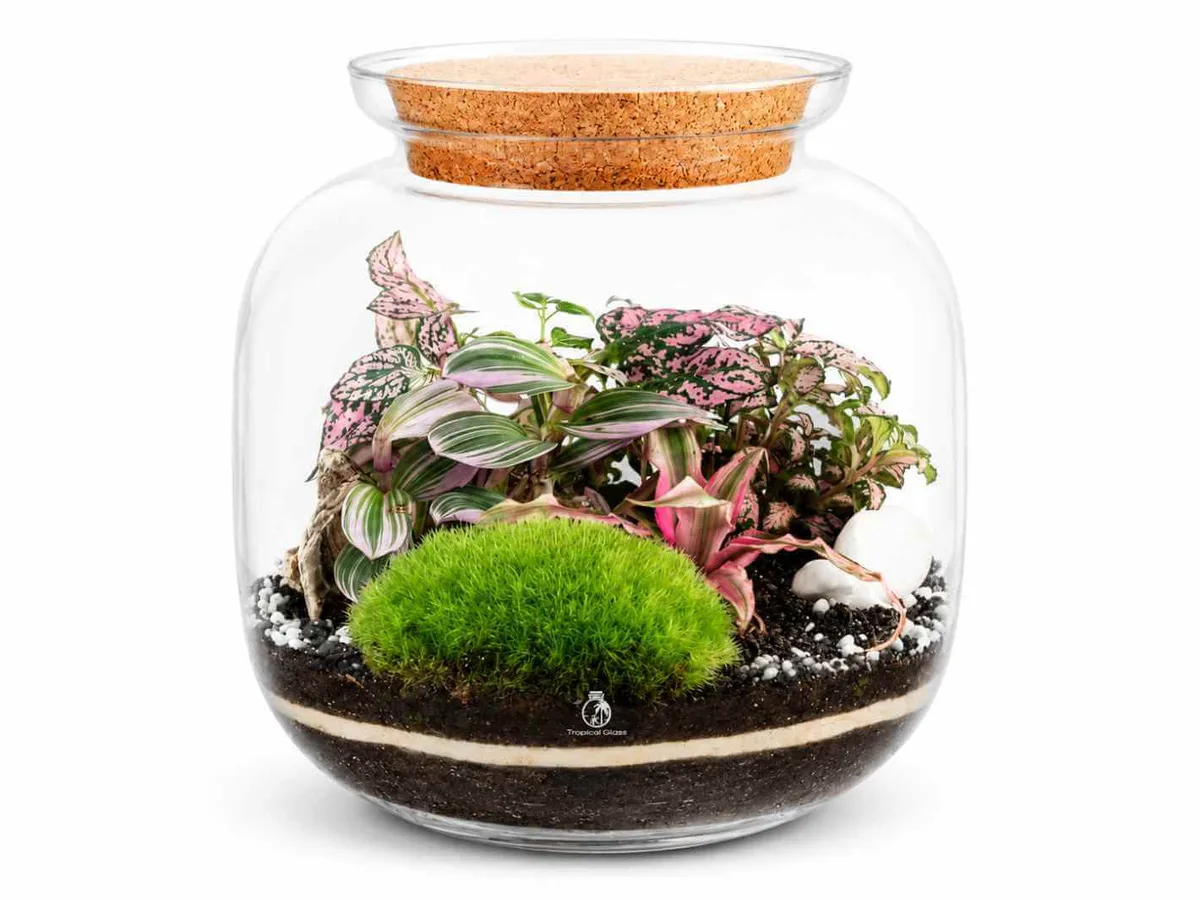
A terrarium isn’t just a pretty decoration, it’s a functional ecosystem that solves common plant-care frustrations. If you’ve ever forgotten to water a fern or watched a succulent shrivel despite your best efforts, a terrarium flips the script. These self-contained environments regulate moisture, light, and even air quality on their own, making them ideal for busy people, frequent travelers, or anyone who wants greenery without the guesswork.
The science behind them is simple: a sealed container traps moisture, which condenses and recycles back into the soil, creating a closed-loop system. Open terrariums, while slightly more hands-on, still require far less maintenance than traditional potted plants. Both types share one advantage, they’re forgiving.
Even if you miss a watering (or three), the ecosystem often self-corrects.
The 7 Hidden Benefits of Building a Terrarium
1. It’s the Easiest Way to Keep Plants Alive (Even If You Kill Everything Else)
If your plant graveyard is growing faster than your green thumb, a terrarium might be your redemption. Closed terrariums are nearly foolproof. Their sealed environment creates a self-watering system, plants release moisture through transpiration, which condenses on the glass and drips back into the soil.
This cycle can sustain a terrarium for months without intervention.
The key to their resilience lies in the plants themselves. Species like fittonia, ferns, and mosses thrive in high-humidity environments. Unlike succulents or cacti, which need precise watering schedules, these plants tolerate fluctuations in moisture and light.
Even if you go on vacation for a few weeks, a closed terrarium will likely look the same when you return.
2. A Mini Ecosystem That Actually Takes Care of Itself
Terrariums are the closest thing to a set-it-and-forget-it garden. Once established, a closed terrarium can maintain its own balance of water, air, and nutrients for years. The process starts with the substrate layers, gravel for drainage, charcoal to prevent odors, and soil to nourish the plants.
When you add moisture, the system kicks into gear: plants absorb water through their roots, release it as vapor through their leaves, and the vapor condenses on the glass, trickling back into the soil.
The beauty of this system is its adaptability. If the terrarium gets too dry, the plants slow their growth to conserve water. If it’s too humid, excess moisture condenses and drains away.
This self-regulation means you can go weeks without touching it. For those who want the benefits of greenery without the upkeep, a terrarium delivers.
3. Instant Air Purifier for Your Desk or Shelf
Houseplants are often touted for their air-purifying abilities, but terrariums take it a step further. Because they’re enclosed, they create a concentrated environment where plants can filter toxins more efficiently. NASA’s Clean Air Study identified several species that remove common indoor pollutants like formaldehyde and benzene, many of which thrive in terrariums, such as spider plants and peace lilies.
The enclosed design also traps dust and allergens, preventing them from circulating in your home. Unlike open-air plants, which release some pollutants back into the environment, terrariums contain them within the glass. This makes them a smart choice for allergy sufferers or anyone sensitive to airborne irritants.
4. Built-In Humidity Booster for Dry Homes
Dry air isn’t just uncomfortable, it can wreak havoc on your skin, sinuses, and even your furniture. Terrariums act as natural humidifiers, releasing moisture into the air through transpiration. Closed terrariums maintain humidity levels between 80% and 90% inside the container.
While that moisture doesn’t escape into the room in large quantities, it can subtly improve air quality in small spaces.
This benefit is especially valuable in winter or in climates with low humidity. Unlike traditional humidifiers, which require refilling and cleaning, terrariums regulate their own moisture levels. They’re also quieter and more aesthetically pleasing than a plastic appliance.
5. A Living Stress Reliever That Fits in Your Palm
There’s something inherently calming about watching a tiny ecosystem thrive. Studies on biophilic design show that even small doses of greenery can reduce stress and improve focus. Terrariums take this a step further by creating a miniature world you can observe and interact with.
The act of building one is meditative, and the result is a living piece of art that evolves over time.
The compact size of terrariums makes them perfect for small spaces, like a desk, nightstand, or kitchen counter. Their enclosed design also means you can enjoy them without worrying about mess or maintenance. For those who work from home or spend long hours indoors, a terrarium offers a quick escape, a moment to pause and appreciate the slow, steady growth of nature.
6. The Ultimate Low-Space Greenery Solution
Terrariums are ideal for urban living. Unlike large houseplants or sprawling gardens, they fit on a desk, shelf, or windowsill, bringing greenery into even the tiniest apartments. They’re also a great way to add life to spaces with limited natural light, as many terrarium-friendly plants thrive in low-light conditions.
For renters, terrariums offer a non-permanent way to personalize a space. They don’t require drilling holes or taking up floor space, making them a renter-friendly decor option. Plus, their compact size means you can have multiple terrariums in different rooms, each with its own unique theme and plant selection.
7. A Customizable Decor Piece That Grows With You
Terrariums are as versatile as they are practical. You can customize them to match any aesthetic, from a minimalist desert landscape to a lush tropical jungle. Add decorative elements like rocks, driftwood, or LED lights to create a unique centerpiece.
The possibilities are endless, whether you want a fairy garden, a mossy forest floor, or a sleek modern design.
Because terrariums evolve over time, they’re never static. Plants grow, shift, and even bloom, giving you a dynamic decor piece that changes with the seasons. This makes them a thoughtful gift for weddings, housewarmings, or birthdays.
Unlike cut flowers, which wilt within days, a terrarium keeps giving for years.
Closed vs. Open Terrariums: Which One Should You Build?
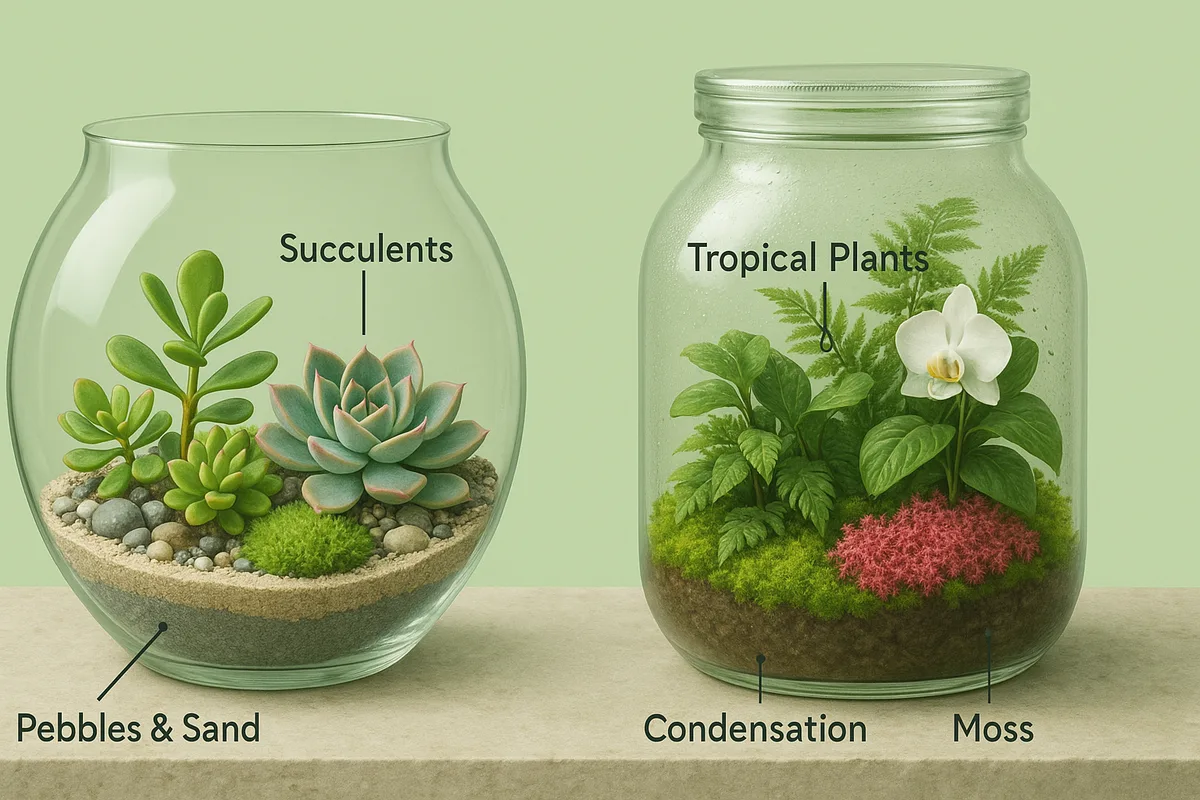
How Closed Terrariums Work (And Why They’re Self-Sustaining)
Closed terrariums are the ultimate low-maintenance option. Their sealed design creates a self-sustaining ecosystem where moisture cycles continuously. When you water the terrarium, the plants absorb the moisture through their roots and release it as vapor through their leaves.
This vapor condenses on the glass and drips back into the soil, creating a closed loop. The only time you’ll need to intervene is if the glass fogs up excessively or if the plants outgrow the container.
The key to their success lies in the plants you choose. Species like fittonia, ferns, and mosses thrive in high-humidity environments. These plants are also slow-growing, which means they won’t outpace the terrarium’s capacity.
If you’re new to terrariums or want a hands-off project, a closed terrarium is the way to go.
When to Choose an Open Terrarium (And What Plants Thrive Best)
Open terrariums are better suited for plants that prefer drier conditions, like succulents, cacti, or air plants. Unlike closed terrariums, they don’t trap moisture, so they require more frequent watering, typically every 1, 2 weeks. The lack of a lid also means they’re more susceptible to dust and pests, so they’ll need occasional cleaning and monitoring.
The best plants for open terrariums are those that tolerate low humidity and bright, indirect light. Succulents like haworthia and echeveria are popular choices, as are air plants (tillandsias), which don’t need soil at all. If you love the idea of a terrarium but prefer a more desert-like aesthetic, an open terrarium is the perfect fit.
The Hybrid Option: Semi-Open Terrariums
If you can’t decide between closed and open, a semi-open terrarium offers a middle ground. These terrariums have a lid or cover that can be adjusted to control humidity. For example, you might leave the lid slightly ajar to allow airflow or remove it entirely during the day.
This flexibility makes them ideal for plants that need moderate humidity, like peperomias or nerve plants.
The downside? They require a bit more attention than closed terrariums. You’ll need to monitor the moisture levels and adjust the lid as needed to prevent mold or dryness.
However, if you’re willing to put in a little extra effort, a semi-open terrarium can give you the best of both worlds.
Who Should (and Shouldn’t) Build a Terrarium
Perfect for Plant Killers, Busy People, and Small-Space Dwellers
If you’ve ever watched a houseplant wither despite your best efforts, a terrarium might be your saving grace. Closed terrariums, in particular, are designed to forgive neglect. Their self-sustaining water cycle means you can go weeks without watering, making them ideal for frequent travelers or anyone with a packed schedule.
Even open terrariums require less maintenance than traditional potted plants, as their enclosed design minimizes evaporation.
Small-space dwellers will also appreciate terrariums’ compact footprint. Unlike large houseplants or sprawling gardens, terrariums fit on a desk, shelf, or windowsill. They’re also a great way to add life to spaces with limited natural light, as many terrarium-friendly plants thrive in low-light conditions.
Not Ideal If You Want a High-Maintenance Hobby
While terrariums are low-maintenance, they’re not no-maintenance. If you enjoy the hands-on process of gardening, pruning, repotting, and experimenting with different soil mixes, a terrarium might feel too passive for your tastes. Closed terrariums, in particular, limit your ability to interact with the plants, as opening the lid too often can disrupt the ecosystem.
Terrariums also aren’t the best choice if you’re looking for rapid growth or dramatic changes. Most terrarium plants grow slowly, and their compact size means they won’t fill out a space the way a large potted plant might. If you prefer fast-growing species or want to see quick results, a traditional garden or houseplant collection might be a better fit.
The Surprising Groups Who Love Terrariums
Terrariums aren’t just for plant enthusiasts, they’ve found fans in unexpected places. Office workers love them for their ability to thrive in low-light environments and their minimal upkeep. A small terrarium on a desk can boost productivity and reduce stress, making it a practical addition to any workspace.
Teachers, too, have embraced terrariums as educational tools, using them to teach students about ecosystems, water cycles, and plant biology.
Gift givers have also caught on to terrariums’ appeal. Unlike cut flowers, which wilt within days, terrariums are a thoughtful, long-lasting present. They’re especially popular for housewarming gifts, weddings, and corporate events, as they can be customized to match any aesthetic.
How Terrariums Compare to Other Indoor Greenery Options
| Option | Maintenance | Space Needed | Cost | Lifespan | Best For |
|---|---|---|---|---|---|
| Terrarium | Low | Tiny | $10–50 | 3–10 yrs | Beginners, decor, stress relief |
| Houseplants | Medium | Small–Large | $5–100 | 1–20 yrs | Variety, air purification |
| Aquarium | High | Medium–Large | $50+ | 5+ yrs | Water lovers, tech enthusiasts |
| Bonsai | Very High | Small | $30+ | Decades | Artistic, patient growers |
| Hydroponics | Medium | Medium | $50+ | 1–5 yrs | Fast growth, edible plants |
Terrariums stand out for their low-maintenance, space-efficient design. Unlike houseplants, which often require specific light conditions and frequent watering, terrariums adapt to their environment with minimal intervention. They’re also far less demanding than aquariums or hydroponic systems, which require equipment and regular maintenance.
That said, terrariums aren’t a one-size-fits-all solution. If you’re looking for variety, houseplants offer a wider range of species and sizes. If you want to grow your own food, hydroponics or a traditional garden might be a better fit.
But if your goal is a low-stress, long-lasting green space that fits anywhere, a terrarium is hard to beat.
The Most Common Terrarium Mistakes (And How to Avoid Them)
Overwatering: The #1 Killer of Closed Terrariums
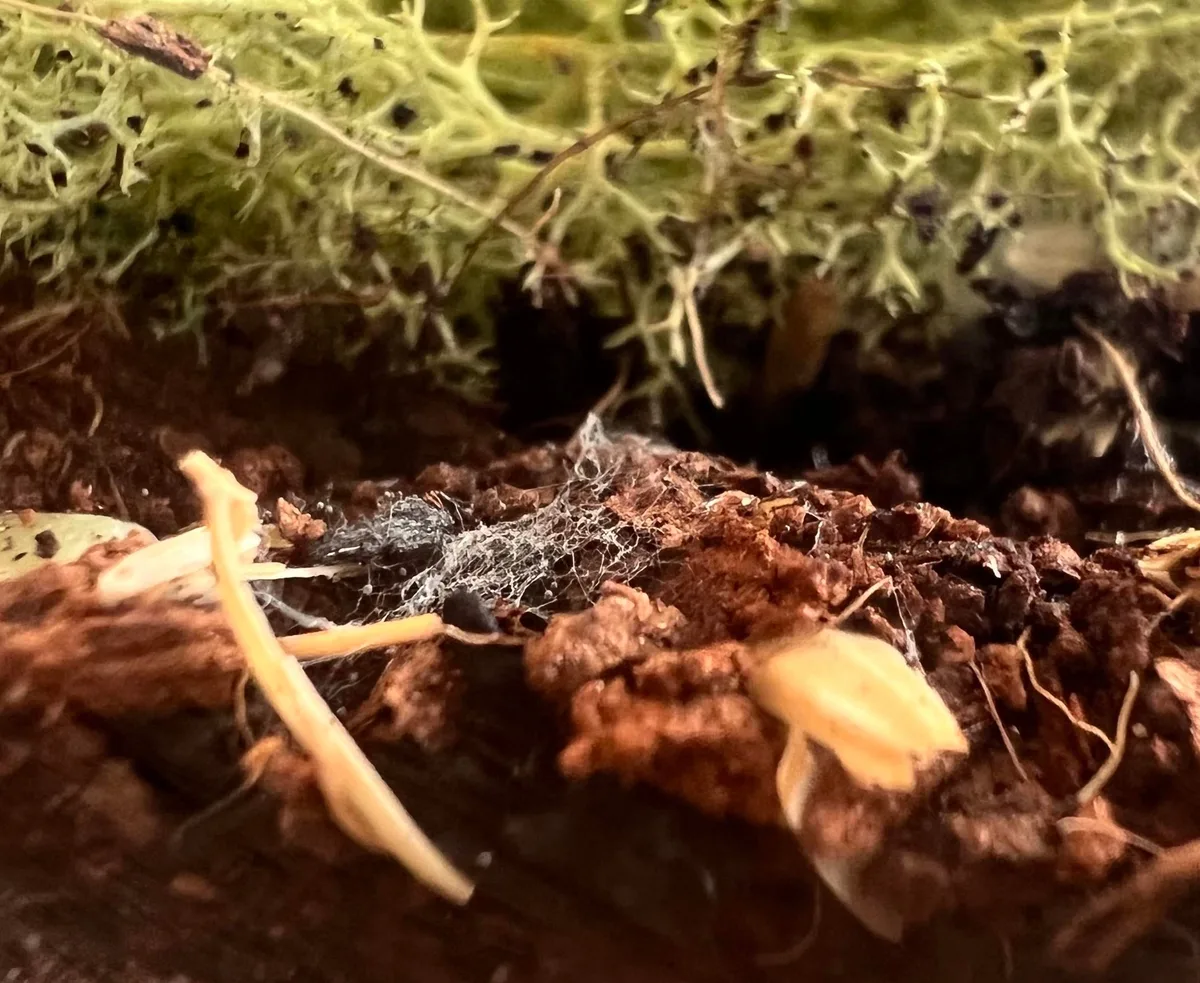
Overwatering is the most common mistake new terrarium owners make. Closed terrariums, in particular, are prone to excess moisture, which can lead to root rot and mold. The issue isn’t just the amount of water you add, it’s the fact that closed terrariums recycle moisture, meaning even a small overpour can create a humid, stagnant environment.
Signs of overwatering include condensation that never clears, yellowing leaves, and a musty smell.
The fix? Start by removing the lid and letting the terrarium air out for a day or two. If the soil is waterlogged, you may need to replace it entirely or add more charcoal to absorb excess moisture.
To prevent overwatering in the future, use a spray bottle instead of pouring water directly into the terrarium. A light misting is all most terrariums need.
Choosing the Wrong Plants (And What to Pick Instead)
Not all plants are suited for terrariums. Succulents, for example, often struggle in closed systems where humidity is too high. Similarly, plants that require bright, direct light won’t thrive in a dimly lit terrarium.
The key is to match your plants to your terrarium’s environment. Closed terrariums do best with moisture-loving species like fittonia, ferns, and mosses, while open terrariums can handle drier plants like haworthia and echeveria.
If you’re unsure which plants to choose, start with a list of terrarium-friendly species. Look for plants that are slow-growing, compact, and tolerant of the humidity levels in your terrarium. Avoid fast-growing species, as they’ll quickly outgrow the container.
Skipping the Drainage Layer (Why Gravel Isn’t Optional)
A drainage layer is essential for any terrarium. Without it, water pools at the bottom of the container, leading to root rot and mold. The drainage layer, typically made of gravel, pebbles, or LECA (lightweight expanded clay aggregate), creates space for excess water to collect, keeping the soil from becoming waterlogged.
It also helps regulate airflow, which is crucial for preventing fungal growth.
To create a proper drainage layer, start with a 1, 2 inch base of gravel or pebbles. Add a thin layer of activated charcoal on top to prevent odors and mold, then cover it with a barrier like sphagnum moss or landscape fabric to keep the soil from sifting down. Finally, add your soil and plants.
Ignoring Light Needs (Why Your Plants Are Turning Brown)
Light is one of the most overlooked factors in terrarium care. While terrariums can thrive in low-light conditions, they still need some light to survive. Plants that don’t get enough light will stretch toward the nearest light source (a condition called etiolation), while those exposed to too much direct sun can scorch.
The key is to find a balance, bright, indirect light is ideal for most terrariums.
Signs of light stress include brown, crispy leaves (too much light) or pale, leggy growth (too little light). If you notice these symptoms, adjust your terrarium’s placement. A north-facing window is often ideal, as it provides consistent, indirect light.
If you’re using a grow light, keep it on for 6, 8 hours a day and position it 6, 12 inches above the terrarium.
Letting Pests Take Over (And How to Stop Them Naturally)
Pests are a common problem in terrariums, especially open ones. Gnats, mites, and aphids can quickly multiply in the humid environment, damaging your plants and spreading to other areas of your home. The best way to prevent pests is to quarantine new plants before adding them to your terrarium.
Check for signs of infestation, like tiny webs or sticky residue, and treat any issues before introducing the plant to your setup.
For minor infestations, a simple solution of water and dish soap can be effective. Mix a few drops of mild soap with water in a spray bottle and mist the affected plants, focusing on the undersides of the leaves where pests often hide. For more stubborn infestations, neem oil is a natural, non-toxic option.
Mix a few drops with water and spray the plants, then wipe them down with a damp cloth.
How Much Does a Terrarium Really Cost?

A basic terrarium costs between $10 and $50 to build yourself. Pre-made versions run $30 to $150, depending on size and complexity. The biggest cost drivers are the container and plants, glass jars are cheaper than geometric terrariums, and common mosses cost less than rare ferns.
Most of the materials, like gravel and charcoal, are one-time purchases that can be reused for future projects.
DIY kits often include everything you need for under $25. These typically come with a small glass container, substrate layers, and a few starter plants. If you already own a jar or vase, you can build a terrarium for as little as $10 by sourcing plants from a local nursery or propagating cuttings from existing houseplants.
Step-by-Step: How to Build a Terrarium in 30 Minutes or Less
What You’ll Need (Container, Plants, Substrate, Tools)
Start with a clean glass or acrylic container, anything from a mason jar to a geometric terrarium works. You’ll also need gravel or pebbles for drainage, activated charcoal to prevent odors, and a well-draining soil mix. For plants, choose small, slow-growing species like fittonia, ferns, or mosses for closed terrariums, or succulents for open ones.
Tools like tweezers, a small spoon, and a spray bottle will help with planting and watering.
If you’re using a closed terrarium, opt for a container with a lid to trap moisture. Open terrariums can use any vessel without a lid, but make sure it’s wide enough to accommodate your plants. For substrate, a mix of potting soil and perlite works well for most terrariums, while cactus soil is better for succulents.
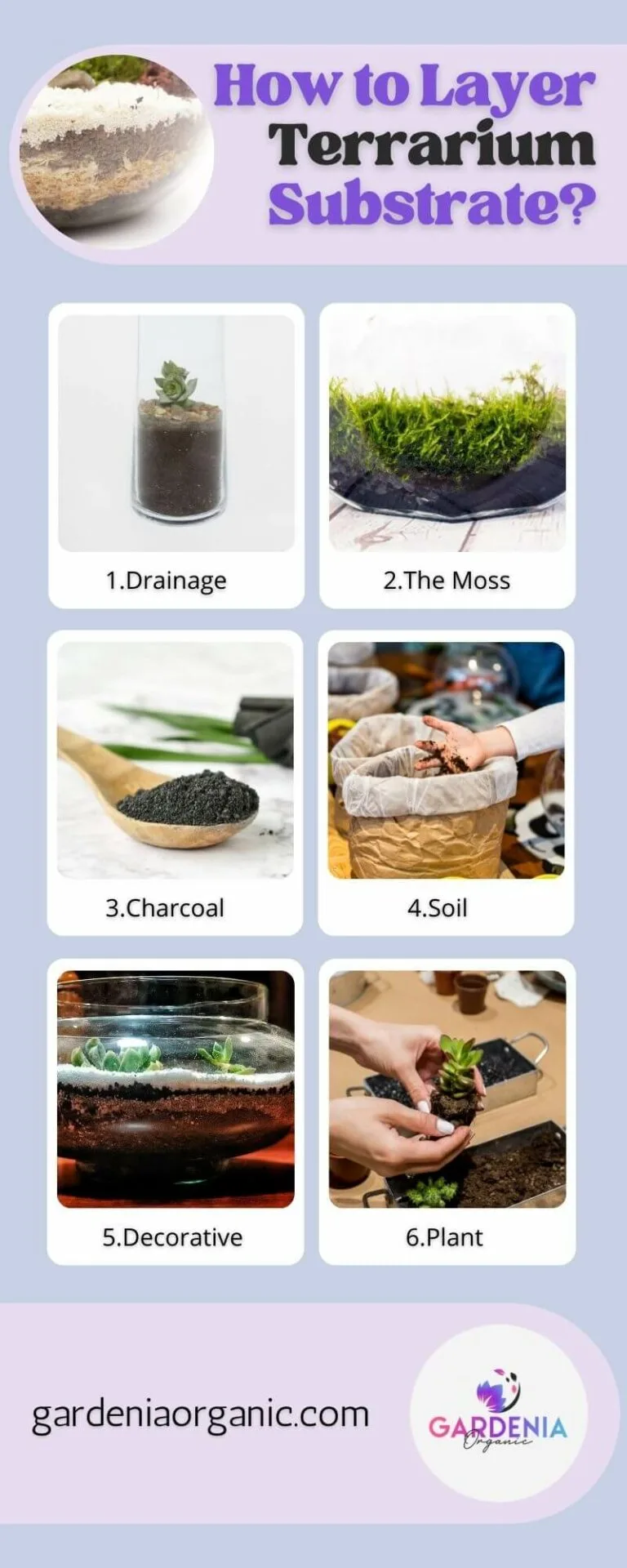
The Layering Trick (Gravel → Charcoal → Soil → Plants)
Begin with a 1, 2 inch layer of gravel or pebbles at the bottom of your container. This creates a drainage layer to prevent water from pooling at the roots. Next, add a thin layer of activated charcoal to absorb odors and prevent mold.
Cover the charcoal with a barrier like sphagnum moss or landscape fabric to keep the soil from sifting down. Finally, add 2, 3 inches of soil, depending on the size of your container and plants.
The soil layer should be deep enough to accommodate the roots of your plants. For closed terrariums, use a moisture-retentive mix, while open terrariums benefit from a well-draining blend. Once the layers are in place, you’re ready to add your plants.
Planting Without Making a Mess (Tweezers, Spoons, and Other Hacks)
Use tweezers or long-handled spoons to place small plants in tight spaces. This keeps your hands clean and prevents soil from spilling over the edges of the container. Start with the largest plants first, placing them toward the back or center of the terrarium.
Smaller plants and mosses can fill in the gaps, creating a lush, layered look.
For closed terrariums, avoid overcrowding, as plants will grow over time. Open terrariums can handle more variety, but make sure each plant has enough space to thrive. Once everything is in place, give the terrarium a light misting with a spray bottle.
The First Watering (How Much Is Too Much?)
Water your terrarium lightly after planting. A spray bottle is the best tool for this, as it allows you to control the amount of moisture. For closed terrariums, a few spritzes are enough, you want the soil to be damp, not soggy.
Open terrariums may need a bit more water, but avoid soaking the soil.
After watering, observe the terrarium for the next few days. If condensation builds up on the glass, leave the lid off for a day or two to allow excess moisture to evaporate. If the soil looks dry, mist it lightly.
Over time, you’ll learn how much water your terrarium needs.
Terrarium Care: What You Actually Need to Do (Spoiler: Not Much)
Closed Terrariums: The “Set It and Forget It” Guide
Closed terrariums require minimal care once established. The self-sustaining water cycle means you rarely need to water them, most can go months without intervention. The only time you’ll need to step in is if condensation builds up excessively or if the plants show signs of stress, like yellowing leaves.
Pruning is the most common maintenance task for closed terrariums. Trim back any overgrown plants to keep the ecosystem balanced. If you notice mold or pests, remove the affected plants and replace the soil if necessary.
Otherwise, closed terrariums thrive on neglect.
Open Terrariums: How Often to Water and Prune
Open terrariums need more frequent watering than closed ones, typically every 1, 2 weeks. The exact frequency depends on the humidity in your home and the plants you’ve chosen. Succulents and cacti prefer drier conditions, while ferns and mosses need more moisture.
Use a spray bottle to mist the soil lightly, avoiding the leaves to prevent rot.
Pruning is also important for open terrariums, especially if you’ve chosen fast-growing plants. Trim back any overgrown foliage to maintain the terrarium’s shape. If you notice pests, treat them immediately with a natural solution like neem oil or soapy water.
When to Worry (Yellow Leaves, Mold, and Other Red Flags)
Yellow leaves are a common sign of overwatering or poor drainage. If you notice them, check the soil moisture and adjust your watering schedule. Mold, on the other hand, indicates excess humidity or poor airflow.
Remove the affected plants and let the terrarium air out. For closed terrariums, leave the lid off for a few days.
Pests like gnats and mites can also be a problem. If you spot them, isolate the terrarium and treat with neem oil. For leggy growth, move it to brighter light.
Most issues are reversible with quick action.
The Rare Cases When You Do Need to Intervene
Most terrariums self-regulate, but there are times when intervention is necessary. If your closed terrarium develops a musty smell, it’s a sign of excess moisture or poor airflow. Remove the lid and let it air out for a few days.
If the soil looks waterlogged, replace it with fresh, dry soil.
If pests or mold become a recurring issue, consider repotting the terrarium with fresh soil and plants. Sometimes, starting over is the best way to ensure a healthy ecosystem.
Beyond the Basics: Creative Terrarium Ideas You Haven’t Tried
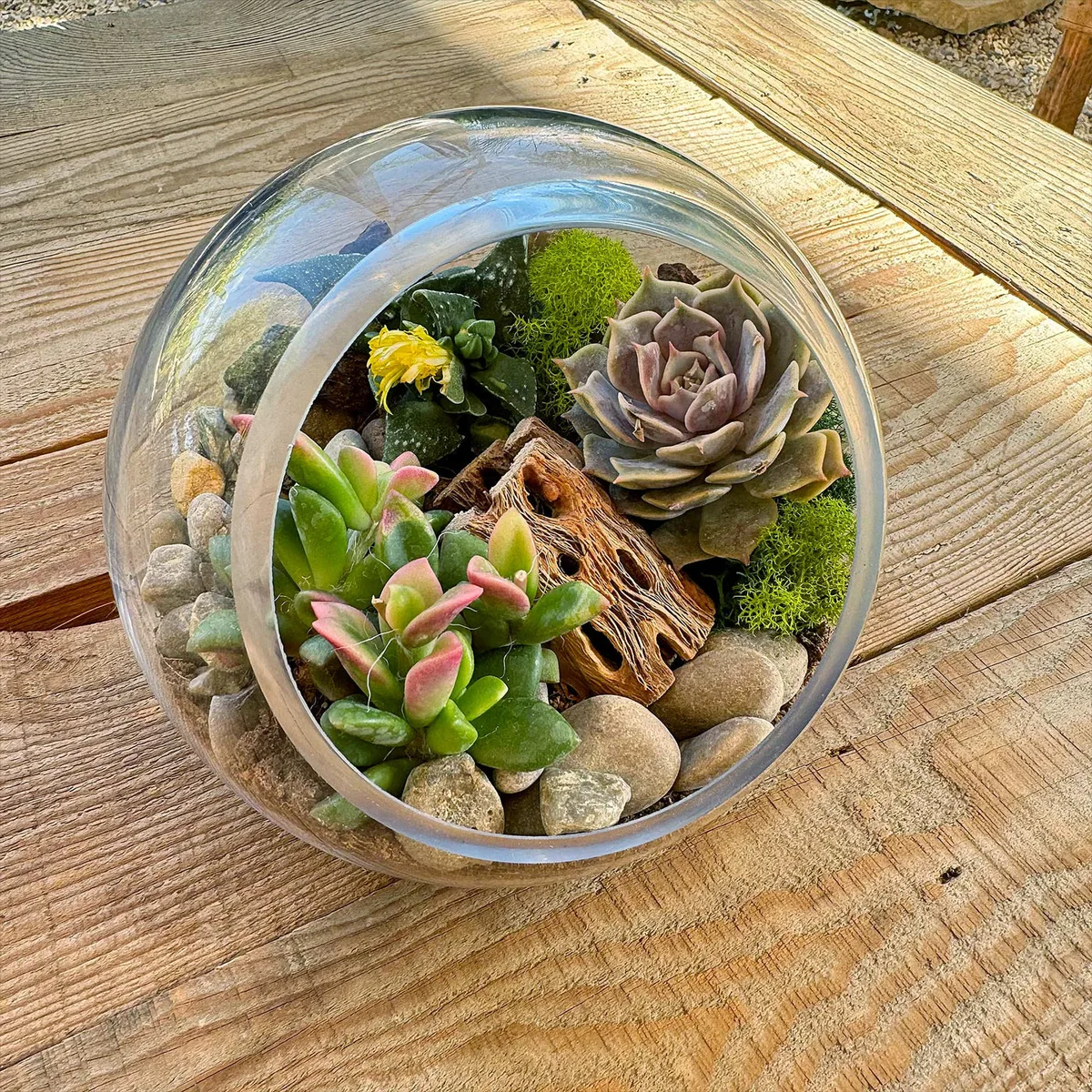
The Fairy Garden Terrarium (Miniature Worlds in a Jar)
Fairy garden terrariums combine greenery with whimsical decor, creating a miniature world in a jar. Start with a wide-mouthed container and add layers of gravel, charcoal, and soil. Choose small plants like mosses or ferns, and arrange them around tiny figurines, fairy houses, or decorative rocks.
The key is to create a scene that feels magical, whether it’s a woodland cottage or a desert oasis.
These terrariums are perfect for kids and adults alike. They encourage creativity and can be customized to match any theme. For a cohesive look, stick to a color palette or style, like a pastel fairy garden or a rustic woodland scene.
The Desert Terrarium (Succulents That Actually Survive)
Desert terrariums mimic the arid environments of succulents and cacti. Use an open container with a well-draining soil mix, like cactus soil or a blend of sand and perlite. Choose small succulents like haworthia or echeveria, and arrange them with decorative rocks or driftwood.
The key to success is minimal watering, succulents prefer dry conditions, so mist them lightly every 2, 3 weeks.
These terrariums are ideal for sunny windowsills or bright, indirect light. They’re also a great way to experiment with different textures and colors, as succulents come in a variety of shapes and hues. For a striking contrast, pair green succulents with white or purple varieties.
The Moss Terrarium (No Plants Needed)
Moss terrariums are the ultimate low-maintenance option. They don’t require soil or drainage layers, just a container, moss, and a bit of moisture. Choose a closed terrarium to trap humidity, or an open one for a drier look.
Mosses like sheet moss or cushion moss work well, and they come in a variety of textures and colors.
These terrariums are perfect for beginners or anyone who wants greenery without the fuss. They don’t need pruning or fertilizing, and they can go months without watering. For a unique touch, add decorative elements like rocks or LED lights.
The Bioactive Terrarium (Adding Tiny Cleanup Crews)
Bioactive terrariums take the self-sustaining concept to the next level by introducing tiny creatures like springtails or isopods. These organisms help break down organic matter, keeping the terrarium clean and balanced. Start with a closed container and add layers of gravel, charcoal, and soil.
Choose plants that thrive in high humidity, like ferns or fittonia, and introduce your cleanup crew once the terrarium is established.
These terrariums are ideal for those who want a truly hands-off ecosystem. The cleanup crew handles waste and decay, reducing the need for pruning or soil replacement. They’re also a great way to teach kids about ecosystems and the role of decomposers in nature.
The LED-Lit Terrarium (Glowing Greenery for Your Desk)
LED-lit terrariums add a modern twist to the traditional setup. Use a container with built-in LED lights or add a small grow light to your existing terrarium. Choose plants that thrive in low-light conditions, like mosses or ferns, and arrange them around the light source.
The result is a glowing green space that doubles as a nightlight or desk lamp.
These terrariums are perfect for offices, bedrooms, or any space that needs a touch of greenery and light. They’re also a great way to experiment with different lighting effects, like color-changing LEDs or warm white bulbs.
FAQs: The Questions Everyone Asks About Terrariums
Can You Put Succulents in a Closed Terrarium?
No, succulents don’t belong in closed terrariums. Their thick leaves store water, making them prone to rot in high-humidity environments. Closed terrariums trap moisture, creating conditions that suffocate succulents within weeks.
For these plants, an open terrarium with excellent drainage and airflow is the only safe option.
If you love succulents, stick to desert-style open containers with cactus soil and minimal watering. Pair them with haworthia or echeveria for a low-maintenance display. For closed systems, choose moisture-loving plants like fittonia or ferns instead.
How Long Do Terrariums Really Last?
Closed terrariums can last 3, 10 years with minimal care. Open terrariums typically last 1, 5 years, depending on plant health and maintenance. The key to longevity is balancing light, moisture, and plant selection.
Overcrowding or poor drainage shortens their lifespan.
Regular pruning and occasional soil refreshes extend their life. If plants outgrow the container, transplant them or start fresh.
Do Terrariums Need Sunlight?
Yes, but indirect light works best. Most terrarium plants thrive in bright, filtered light, like a north-facing windowsill. Direct sun overheats the glass, cooking plants inside.
If natural light is limited, a small LED grow light provides enough spectrum for photosynthesis.
Low-light plants like mosses or ferns tolerate dimmer conditions. Succulents need brighter light to prevent stretching. Rotate your terrarium occasionally to ensure even growth.
What’s the Best Container for a Terrarium?
Glass containers with wide openings work best. They allow easy planting and airflow while showcasing the ecosystem. Mason jars, fishbowls, or geometric terrariums are popular choices.
Avoid narrow-necked bottles, they make planting difficult and restrict airflow.
For closed terrariums, choose containers with tight-fitting lids. Open terrariums can use any vessel without a lid. Acrylic is lighter but scratches easily.
Glass offers better clarity and durability.
Can You Use Tap Water in a Terrarium?
Tap water is fine for most terrariums, but hard water leaves mineral deposits. If your tap water is heavily chlorinated or mineral-rich, use filtered or distilled water instead. Rainwater is ideal for sensitive plants like mosses or ferns.
Avoid overwatering, even with pure water. Excess moisture causes mold and root rot. A spray bottle helps control the amount added.
How Do You Fix a Terrarium That’s Gone Wrong?
First, identify the problem. Yellow leaves signal overwatering. Mold means too much humidity.
Brown tips indicate low humidity or salt buildup. For mold, remove affected plants and let the terrarium air out. For overwatering, replace soggy soil.
If pests appear, isolate the terrarium and treat with neem oil. For leggy growth, move it to brighter light. Most issues are reversible with quick action.
The Final Verdict: Is a Terrarium Worth It for You?
Terrariums are worth it if you want low-maintenance greenery that fits small spaces. They’re ideal for plant killers, busy people, or anyone who loves unique decor. Closed terrariums require almost no upkeep, while open versions need occasional watering.
Both types purify air and boost humidity naturally.
Skip terrariums if you prefer high-maintenance plants or rapid growth. They’re not for those who want instant results or hands-on gardening. For everyone else, they’re a rewarding, long-lasting project.
When to Build One (And When to Skip It)
Build a terrarium if you want a self-sustaining ecosystem that thrives on neglect. They’re perfect for offices, apartments, or gifts. Choose closed terrariums for tropical plants and open ones for succulents.
Skip if you lack patience or prefer fast-growing plants. Terrariums evolve slowly. If you want quick results, traditional houseplants may suit you better.
The Best Terrarium for Your Lifestyle (Quick Decision Guide)
- Closed terrarium: Best for forgetful owners. Uses tropical plants like ferns or mosses.
- Open terrarium: Best for succulent lovers. Needs more watering but less humidity.
- Semi-open terrarium: Best for experimentation. Adjustable lid controls moisture.
Match the type to your schedule and plant preferences. Closed systems need the least attention.
Where to Go From Here (Next Steps, Resources, Communities)
Start with a small DIY kit or gather supplies from a local nursery. Join online communities like terrarium enthusiasts on Reddit for tips. For plant selection, check out guides on choosing the right species.
Experiment with designs and share your progress. Terrariums are a creative, low-risk way to bring nature indoors.








