

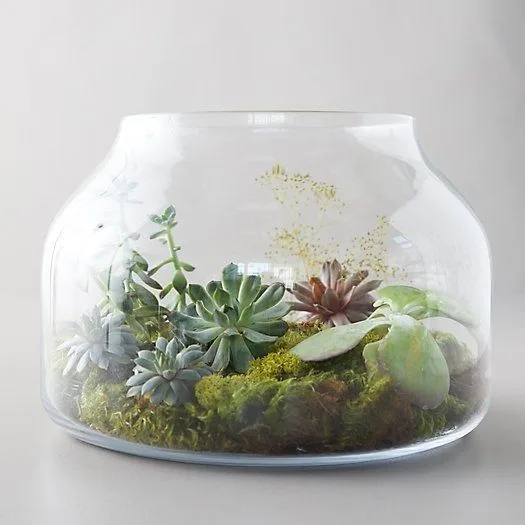
Opening Size & Access: Why It Matters dictates the entire lifecycle of your terrarium. A narrow neck might look artistic, but it turns basic maintenance into a frustrating puzzle. You cannot easily reach the bottom to prune dead leaves or clean foggy glass.
This physical limitation often leads to neglect and ecosystem failure.
Manufacturer specifications indicate that containers under 4 inches in diameter significantly increase the risk of layer compaction and plant damage during setup. The right opening balances visual appeal with the physical ability to reach every corner. Wide-mouth jars offer superior control, while narrow-neck bottles demand specialized tools and patience.
Quick Answer
Opening size determines how easy it is to build and maintain a terrarium. Wide mouths allow hand access for planting and cleaning. Narrow necks require long tools like tweezers and spatulas.
Smaller openings increase the risk of accidental damage during setup. Choose wide-mouth containers for beginners seeking ease of care.
Wide-Mouth vs. Narrow-Neck: Choosing Your Vessel Shape
Choosing between a wide-mouth cylinder and a narrow-neck bottle comes down to one question: how often do you plan to interact with the interior? Wide-mouth vessels, typically defined as jars with openings wider than 4 inches, offer superior control. Narrow-neck options, like apothecary bottles or spheres, prioritize visual intrigue over practical utility.
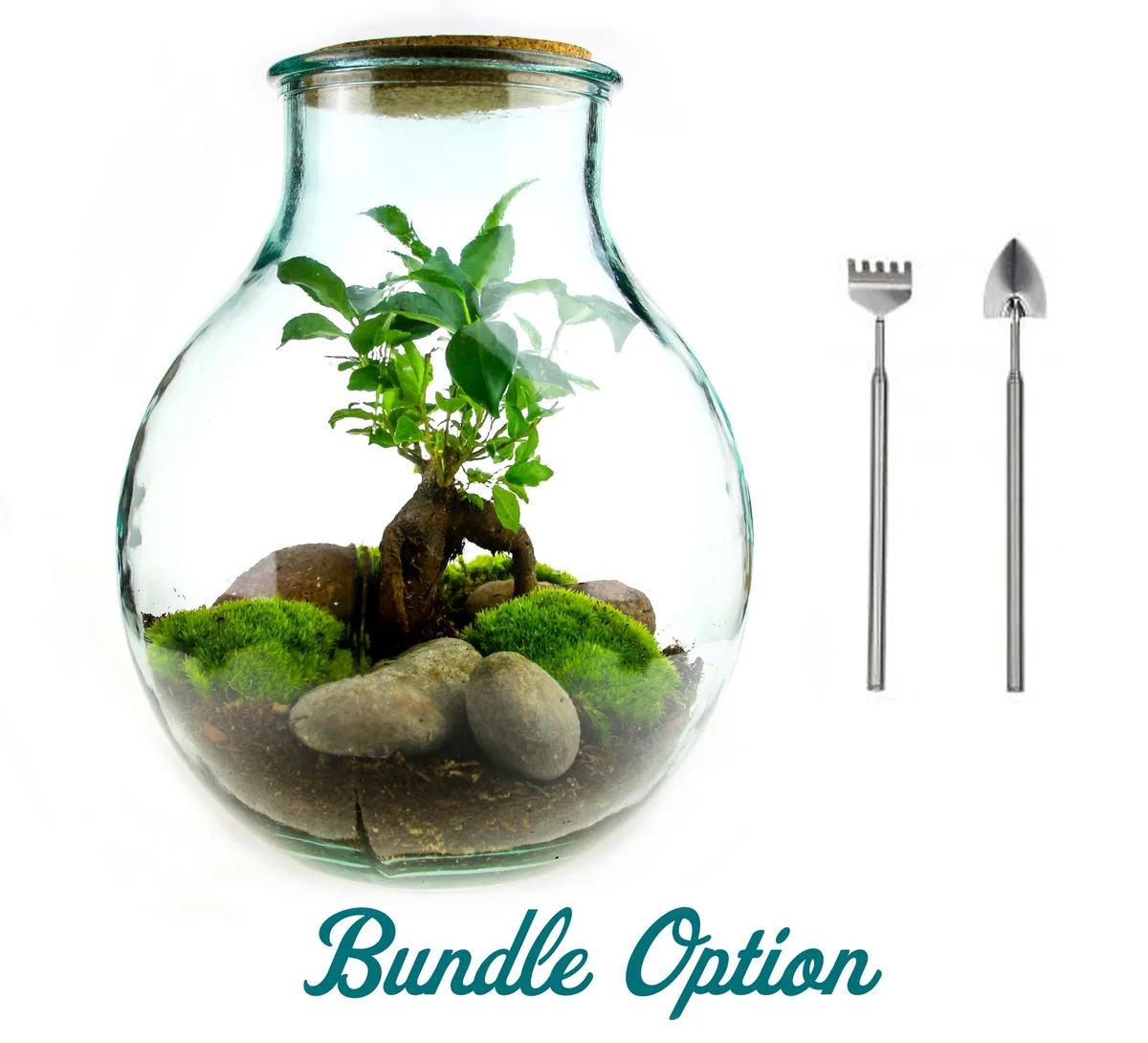
The geometry of the container changes everything. In a wide-mouth jar, you can use your hand to press soil firmly into corners. This ensures proper root contact and prevents air pockets that lead to rot.
In contrast, a narrow neck restricts your view and physical reach. You are essentially building blind.
For beginners, we strongly recommend starting with a cylinder or hexagonal jar. These shapes maximize internal volume while keeping the opening accessible. If you are building terrarium communities online Reddit Facebook Discord style displays, the open top allows for creative layering without specialized tools.
Advanced hobbyists might choose a sphere for its unique light refraction, but they accept the trade-off. You cannot easily see condensation buildup or root health without removing the lid entirely. This makes long-term care more difficult.
Inside the Build: How Opening Size Affects Layering
The setup process is entirely dependent on your vessel’s mouth. A wide opening allows for standard planting techniques similar to a small potted plant. You can place moss, rocks, and soil using your fingers or standard small tools.
A narrow opening requires a completely different workflow. You must build from the bottom up using extended reach tools. Mistakes here are costly because fixing them often means dismantling the entire structure.
Substrate and Drainage: Seeing is Believing
Proper drainage relies on distinct layers of material. In a wide-mouth container, you can pour gravel and activate charcoal directly. This creates a clear visual separation between layers.
You can see exactly where the barrier layer ends and the soil begins.
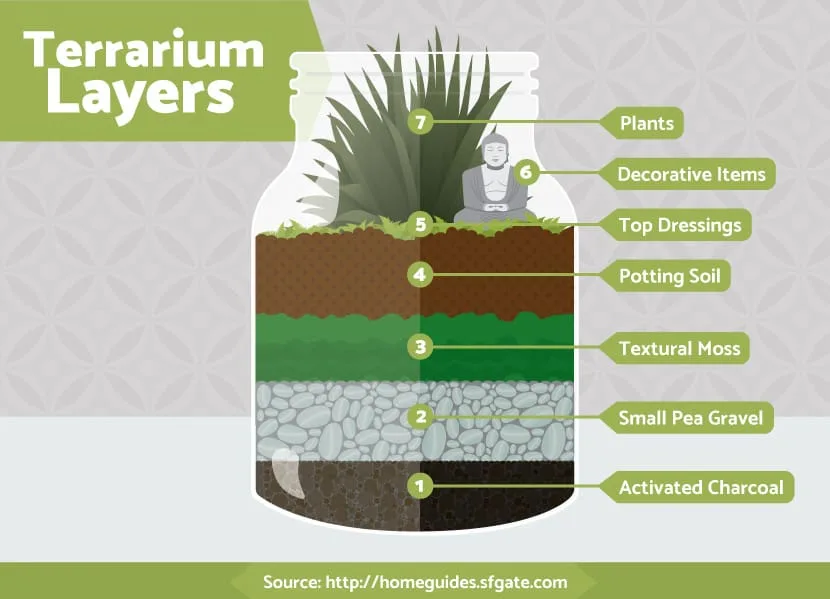
In narrow-neck vessels, layering becomes an art of trust. You pour materials through the neck while feeling for resistance. Without visual confirmation, it is easy to mix your layers.
This contamination reduces filtration efficiency and can lead to odor issues. Always refer to our guide on the barrier layer why you need it best options for specific material ratios.
The best terrarium soil substrate guide for healthy plants emphasizes aeration. Wide mouths allow you to fluff the substrate before planting. Narrow necks compress the soil as it falls, reducing oxygen availability for roots.
Plant Placement: Precision Tools for Tight Spaces
Plant selection must match your access level. Wide-mouth jars support a diverse range of species. You can place trailing plants in the back and upright ferns in the front with ease.
Each plant gets precise positioning.
Narrow necks limit you to hardy, compact species. Trailing plants may never reach the light if planted too deep. Small, rosette-forming plants work best because they fit through the opening intact.
Using how to choose the right plants for a closed terrarium logic helps narrow down suitable candidates.
You cannot amend soil conditions later. Once a plant is in, it stays. This permanence demands careful initial placement.
Maintenance Access: The Hidden Long-Term Cost
Most buyers focus on how a terrarium looks on day one. They rarely consider day 100. Maintenance access is the silent killer of terrarium longevity.
A difficult opening leads to neglect, which leads to ecosystem collapse.
Routine tasks become hurdles when you cannot see or reach. Cleaning glass walls, pruning excess growth, and managing water levels all require direct access.
Cleaning Condensation and Smudged Glass
Condensation is normal in closed systems, but excessive fogging indicates imbalance. In a wide-mouth jar, you can wipe the inner glass with a paper towel or moss sponge through the opening. This simple act restores visibility instantly.
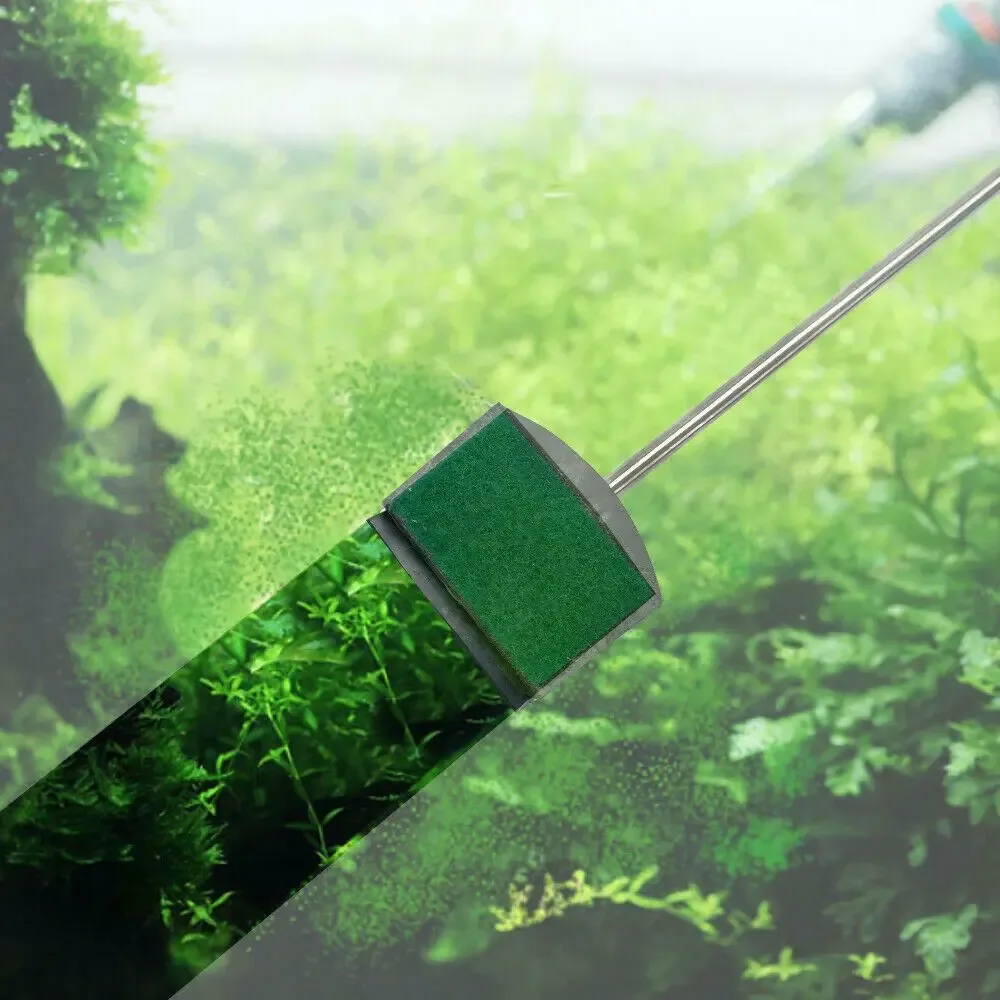
Narrow-neck bottles trap moisture on high walls. You cannot reach these areas with standard cloths. You must rely on time for evaporation to clear them naturally.
If condensation persists, you might need to follow steps for how to fix overwatered terrarium stop too much condensation. However, without the ability to clean manually, the issue often resolves itself slowly or kills sensitive foliage.
Smudges from fingerprints or soil splash also accumulate differently. Wide mouths allow for thorough cleaning. Narrow necks only let you clean the surface near the opening, leaving lower areas obscured.
Pruning and Deadleaf Removal
Plants grow. Leaves die. Debris falls.
In a healthy ecosystem, this debris breaks down and feeds the soil. But sometimes, removal is necessary.
A wide-mouth design lets you pluck dead leaves by hand. This prevents fungal spores from spreading. It keeps the microclimate stable.
If you want to understand the biological impact, reading about leaf litter in terrariums essential benefits explains why some decay is good, but excess is not.
Narrow necks make manual removal impossible. You must use long tweezers. This tool limits your grip and dexterity.
Slow removal means debris stays longer. This can trigger ecosystem collapse the tipping points explained scenarios by altering humidity and nutrient balance.
Mistakes to Avoid When Your Mouth Is Too Small
Building in a confined space amplifies common errors. What is a minor frustration in a wide jar becomes a project-stopper in a bottle. Avoid these pitfalls to save your time and sanity.
The “Blind Planting” Trap
New builders often try to replicate wide-mouth designs in narrow containers. They attempt to create complex scenes by eye. This almost always fails.
The lack of depth perception causes misplacement. Plants end up buried or tilted.
Solution: Sketch your layout before placing anything. Use terrarium terms essential glossary guide to understand spatial planning. Place hardscape first.
Then add plants in stages, checking alignment frequently.
Tool Mishaps and Broken Stems
Using rigid tools in tight spaces is dangerous. Long metal tongs can scratch the glass. They can also crush delicate stems as you maneuver them.
Each mishap damages the plant’s health immediately.
Use flexible tools made of plastic or coated wire. They bend around obstacles. They reduce the force applied to fragile tissues.
Practice with a dummy jar filled with water before using real plants.
Overwatering Because You Can’t See the Soil
It is hard to judge soil moisture in a narrow bottle. You cannot touch the ground. You might assume it is dry when it is wet, leading to overwatering.
Or vice versa, causing drought stress.
Rely on external signs. Watch for new condensation patterns. Check leaf turgoridity (stem rigidity) at the neck level.
Refer to best water for terrariums a simple guide for misting frequency recommendations. When in doubt, under-water. It is easier to add water than to remove it from a trapped environment.
Real Scenarios: Which Container Fits Your Goal?
Matching the container to your skill level and goals prevents future regret. Not every shape serves every purpose. Choose wisely based on your intended use.
For Beginners: Simplicity and Success Rates
Beginners should start with a rectangular or cylindrical glass box with a large door. This format, known as an open terrarium, offers maximum access. You can see everything.
You can reach everything.
This setup is ideal for learning terrarium care guide daily weekly monthly tips. You can monitor self sustaining vs low maintenance key differences without fighting the container. Success rates are highest here because errors are visible and correctable.
For Advanced Hobbyists: Complex Hardscapes and Waterfalls
Experienced builders enjoy the challenge of narrow forms. They use them to create miniature worlds that look larger than they are. Spheres and tall bottles provide dramatic verticality.
These projects require mastering cascade effects how one problem triggers more management. A single misplaced rock can block drainage. A single mold spore can spread unseen.
The reward is a stunning, self-contained piece that acts as a sculpture. Just ensure you have mastered the basics before attempting this complexity.
Expert Tips for Mastering Small Openings
If you are committed to narrow-neck containers, preparation is your best defense. You cannot improvise in tight spaces. Every move must be deliberate.
Essential Tool Kit for Narrow-Neck Containers
You do not need expensive equipment, but you do need the right length. Standard garden tools are too short. You need specialized extensions.
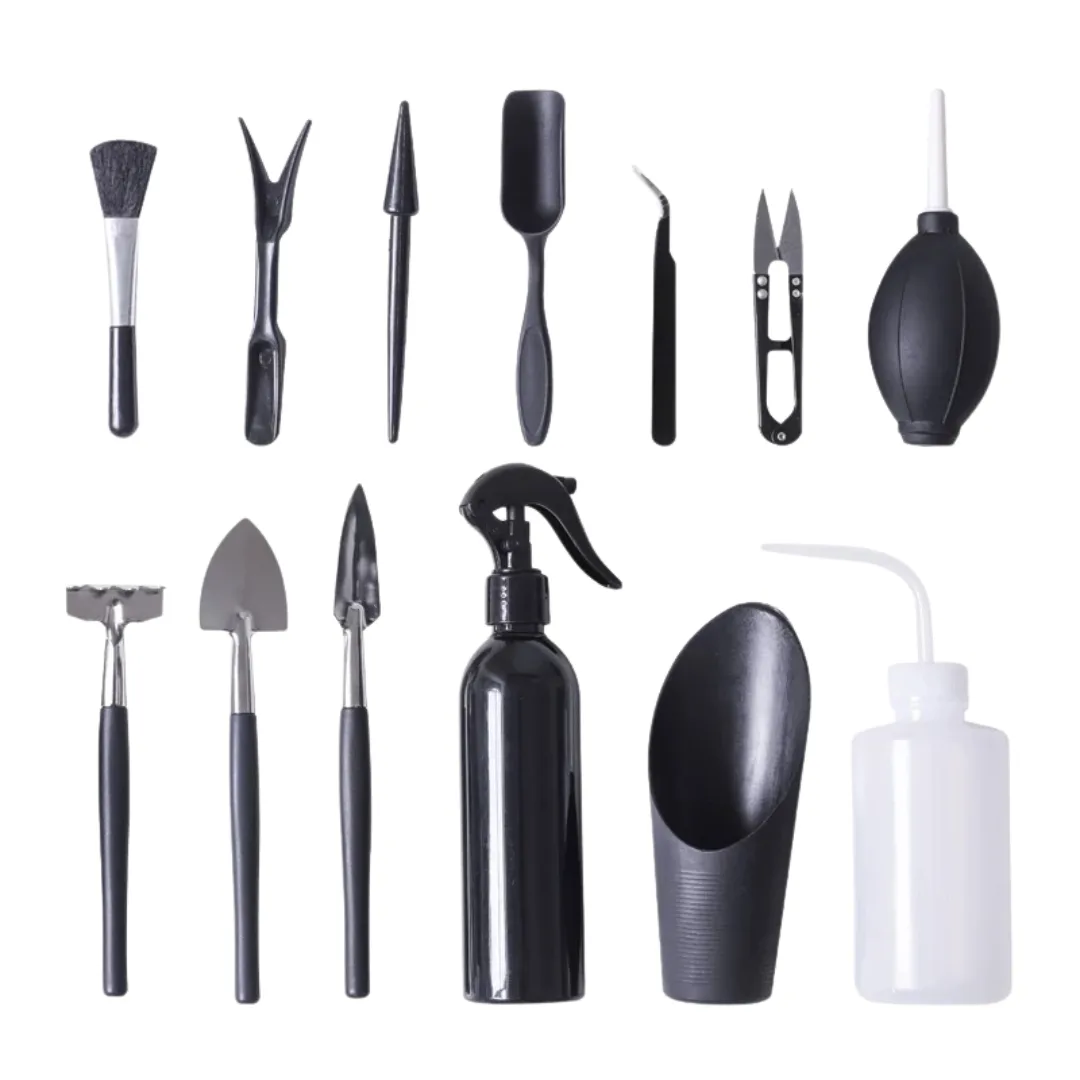
- Long-handled tweezers: Look for bent tips. They allow you to grab objects at angles that straight tweezers miss.
- Extension spatula: A flat tool with a long handle helps spread soil and press down layers without crumbling them.
- Flexible hose spray bottle: This has a long, bendable neck. It lets you mist deep inside the jar without inserting your arm.
- Moss picker: A specialized tool for pulling moss into place. It mimics the finger motion but reaches further.
Having this kit ready before you start saving hours of frustration. Check out our 10 terrarium questions beginners always ask for more gear recommendations.
Alternative Techniques for Difficult Shapes
Sometimes standard tools fail. Try these workarounds for stubborn shapes.
The Gravity Assist: For small stones or charcoal, place them on a piece of paper or foil. Roll the paper through the opening. Shake it gently to drop the items.
Remove the paper slowly.
The Stick Press: Use a thin wooden dowel wrapped in moss or cloth. Push layers down using gravity. This prevents compaction better than metal tools which can crush substrate.
Pre-Assembly: Build small plant clusters outside the jar first. Place them in the container in one smooth motion. This reduces time spent inside the bottleneck.
Maintenance & Long-Term Optimization
Once your terrarium is built, keeping it alive depends on routine care. The opening size determines how easy that care is.
Wide-mouth jars benefit from regular pruning. You can trim overgrowth instantly. This keeps the design clean and healthy.
Narrow-neck jars require patience. Prune sparingly. Let the plants grow naturally if possible.
Too much intervention stresses the system.
Monitor humidity levels daily. In narrow containers, check for fogging every few days. If condensation remains constant, remove the lid for an hour.
This air exchange helps stabilize the environment. Read more about thermal inertia why terrariums stay warm to understand temperature fluctuations.
Avoid placing your terrarium in direct sunlight unless it is designed for it. Glass magnifies heat. A small opening traps that heat.
This can cook plants quickly. Use indirect light whenever possible. See natural vs artificial light for terrariums which is best for setup advice.
Frequently Asked Questions
How do I clean the inside of a narrow terrarium?
Use a flexible hose spray bottle to rinse loose debris. Wipe glass walls with a magnetic cleaner designed for aquariums. These have a sponge head that fits through small openings without scratching the glass.
Can I change plants in a closed terrarium?
Yes, but it is difficult. Remove the lid. Use long tweezers to extract roots carefully.
Replace with similar-sized specimens. Refill any displaced substrate. Seal tightly again.
What is the best opening size for beginners?
Choose a wide-mouth jar with an opening diameter of at least 4 inches. This allows hand access for layering and pruning. It reduces the learning curve significantly.
Do I need a barrier layer in all terrariums?
Yes. A barrier layer, usually activated charcoal or a mesh screen, prevents soil from contaminating the drainage gravel. This stops root rot and odor.
Learn more about what is a terrarium complete beginners guide for full details.
Why does my terrarium have mold but I didn’t overwater it?
Mold often results from poor airflow or introducing contaminated soil. Even with correct watering, organic matter like leaf litter can ferment if trapped in dark corners. Ensure good initial sterilization of materials.
Is it okay to leave the lid off?
It depends on the type. Open terrariums always have lids off. Closed terrariums rely on the lid for humidity.
Leaving a closed terrarium open for too long dries out the ecosystem. If you need access, limit open time to 30 minutes. Then seal it back up.
Final Recommendation / Verdict
Opening Size & Access: Why It Matters boils down to this choice. Do you want a static piece of art or a living ecosystem?
If you choose aesthetics over access, be prepared for difficult maintenance. Narrow-neck vessels are beautiful but demanding. They require patience, specialized tools, and a willingness to work blind.
If you prioritize care and longevity, choose wide-mouth designs. They offer flexibility. You can correct mistakes.
You can see problems early. They support healthier plant growth through easier air exchange and cleaning.
There is no wrong choice, only different commitments. Match your container to your skill level. Start wide if you are new.
Try narrow if you are experienced. Either way, respect the physics of the space.
Build with intention. Plan for the inevitable pruning. Choose glass that lets you see inside.
And remember, the best terrarium is one you can actually take care of. This practical approach ensures your terrarium thrives as a long-term project rather than a short-lived experiment. By prioritizing access during the design phase, you save yourself hours of frustration and heartbreak later.
The visual appeal of a narrow neck is temporary; the daily reality of maintenance is permanent. Choose wisely.








