
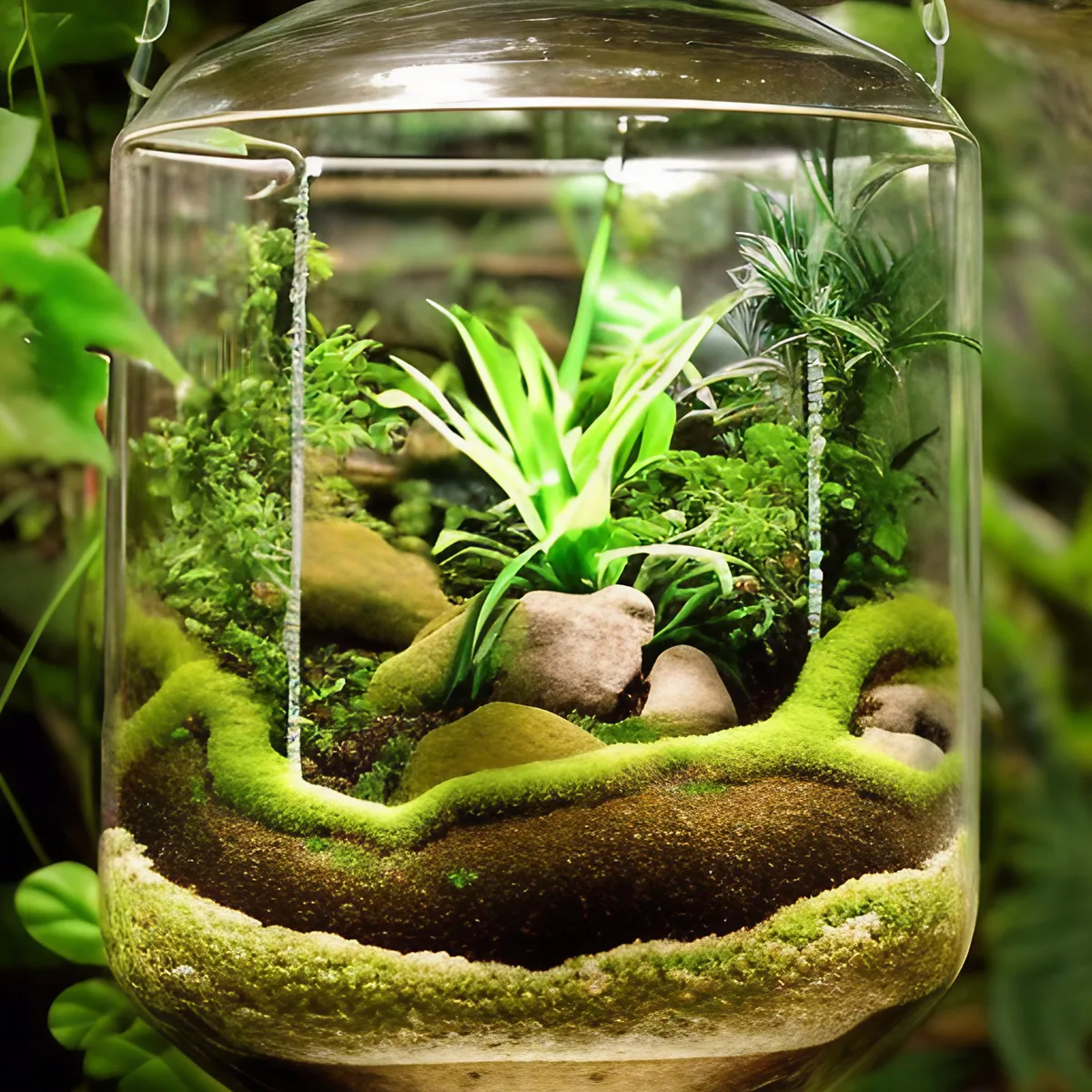

 chlorophyll-and-growth-ms4q9typ.webp” alt=”Photosynthesis in Terrariums: Light, Chlorophyll, and Growth”/>
Photosynthesis in Terrariums: Light, Chlorophyll, and Growth is the engine that keeps your glass garden alive. It turns light into energy, food for plants, and oxygen for your room. Get it wrong, and you get yellow leaves or a muddy mess.
Understanding how chlorophyll captures photons helps you pick the right setup. Manufacturer specs indicate that full-spectrum LEDs (400, 700nm) mimic natural sun best. Let’s look at how to balance these elements for thriving plants.
Quick Answer
Photosynthesis in Terrariums: Light, Chlorophyll, and Growth requires consistent, diffuse illumination. Use full-spectrum LED bulbs set to 5000K to 6500K. Run lights for 10 to 12 hours daily. Keep fixtures 4 to 6 inches above the canopy.
This mimics natural daylight without overheating.
How Light Powers Your Terrarium: The Photosynthesis Connection
Terrariums are mini-worlds. They trap moisture and recycle nutrients. But they also trap heat and limit airflow.
This makes light control critical. Plants inside don’t get the full blast of outdoor sun. They rely on what you provide.
Chlorophyll is the green pigment that drives this process. It absorbs blue and red wavelengths most efficiently. These colors fuel the chemical reactions that create sugar.
Without enough of these specific lights, growth stalls.
Your goal is to match the light intensity to your plant type. Low-light plants need gentle illumination. High-light species demand more power.
Getting this balance right prevents leggy growth and decay.
Natural Light vs. Artificial LED: Which Is Best?
Choosing between sunlight and LEDs often comes down to your home’s layout. South-facing windows offer strong, consistent light. However, they can bake your jars during summer.
Direct sun causes rapid temperature spikes. This boils delicate leaves and cooks roots.
Artificial lights offer precision and control. You decide when the lights turn on. You control the color spectrum too.
Modern LEDs are efficient and cool-running. They don’t add dangerous heat like old incandescent bulbs.
Most hobbyists prefer full-spectrum LEDs today. These bulbs cover both blue and red ranges. Blue light encourages leafy growth.
Red light promotes flowering and fruiting. Together, they support year-round health.

If you live in a north-facing apartment, skip the window idea entirely. Stick to artificial lighting. It removes the guesswork.
See our guide on natural versus artificial light for more details.
Can a South-Facing Window Really Replace a Grow Light?
Many beginners think a windowsill is enough. It works for hardy succulents in open pots. Closed terrariums are different.
The glass acts as a lens. It focuses sunlight into hot spots.
Glass also filters ultraviolet rays. While this protects you from UV damage, it might weaken plant resilience. More importantly, clouds and seasons change the light output.
You lose consistency without a bulb.
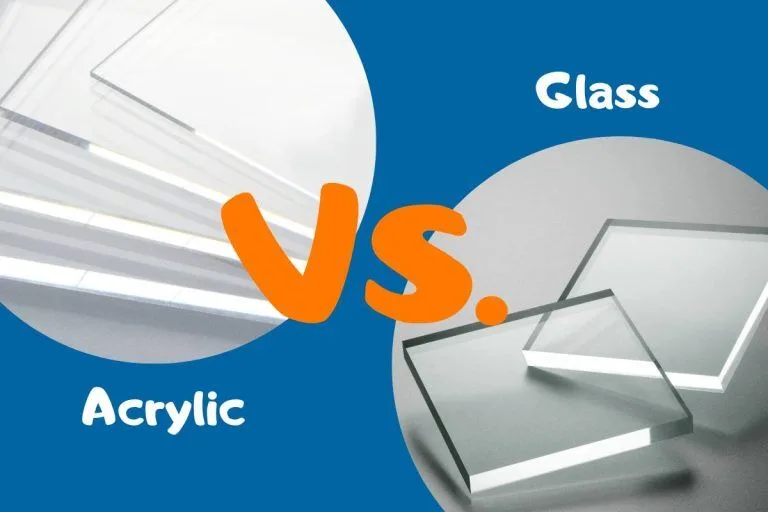
Acrylic containers transmit more light than thick glass. But they still cause refraction issues. If you must use a window, move the jar back.
Keep it behind a sheer curtain. Diffuse the light to avoid burning.
For reliable results, an artificial source is safer. It prevents the shock of sudden weather changes. Plants thrive on routine.
Check our comparison of glass versus acrylic terrariums to understand how your container affects this.
Choosing the Right Light for Your Specific Ecosystem
Not all plants need the same amount of energy. Your choice depends on the species inside. Epiphytes love humidity but hate bright sun.
Ferns and mosses fall into this category. They evolved under forest canopies. They need soft, filtered light.
Terrestrial plants grow closer to the soil. Some ground covers tolerate brighter conditions. Others, like certain mosses, struggle in high light.
You need to group plants by their needs. Don’t mix high-light succulents with low-light ferns. It leads to competition and decline.
Light intensity is measured in PPFD (Photosynthetic Photon Flux Density). This tells you how many usable photons hit the plant. Epiphytic setups usually need 1000 to 2000 PPFD.
Terrestrial gardens might handle up to 5000 PPFD.

Avoid including species that die in humidity. Researching plants to avoid in terrariums first saves you months of failure. Pick the right residents before you even think about bulbs.
Common Lighting Mistakes That Kill Terrarium Growth
Mistakes happen fast in closed systems. One bad lighting choice can collapse the ecosystem. Here are the most common errors we see.
- Too Much Light: Direct sun breaks the glass seal effect. Condensation becomes a storm. Leaves get blistered and brown.
- Too Little Light: Plants stretch toward the source. They become “leggy” and weak. Stems snap easily.
- Wrong Spectrum: Using warm white bulbs only. Plants lack the blue spectrum needed for compact growth. They look spindly.
- Ignoring Photoperiod: Leaving lights on 24/7. Plants need rest. They respire just like animals. No break means exhaustion.
Leggy growth is a sign of light starvation. The plant reaches for energy it can’t find. Correct this by moving the light closer.
Or upgrade to a higher-quality bulb.

Overwatering also interacts with poor lighting. If light is low, plants drink less water. Excess moisture stays in the soil.
This invites mold and rot. Learn how to fix overwatered terrariums if this happens. Small ecosystems are fragile, so monitor changes weekly.
This imbalance affects the entire jar. A single variable shift can trigger a cascade effect of decay. One problem often leads to another if not corrected early.
Step-by-Step: Optimizing Light for Healthy Plant Growth
Getting the light right doesn’t require expensive gear. You just need to follow a few simple steps. Start by picking the right color temperature.
Look for bulbs labeled 5000K or 6500K. These mimic daylight best. Avoid “warm white” (2700K) bulbs for leafy plants.
They encourage stretching, not growth.

Next, set a timer. Plants need a dark period to rest. Aim for 10 to 12 hours of light daily.
Use an inexpensive plug-in timer. Consistency is key. Random lighting confuses plant cycles.
Check your setup after two weeks. Leaves should stay compact and green. If they yellow, increase light slightly.
Place the LED strip just above the canopy. Keep it 4 to 6 inches away. Too close risks heat damage.
Too far reduces intensity. Glass jars block some light. Acrylic lets more through.
Adjust distance based on your container type. See our guide on how glass affects light transmission for technical details.
Also, consider the substrate. Dark soils absorb more heat. Light soils reflect it.
Ensure your soil mix supports root health. Healthy roots drive healthy leaves. A good barrier layer prevents soil from mixing with drainage layers.
This keeps roots airy and light-efficient.
When to Use Specialized Grow Lights Over Ambient Light
Ambient light works for some setups. But it often fails for dense plantings. Thick ferns block light from reaching lower layers.
You need artificial sources to penetrate deep canopies. LEDs offer this reach without adding heat. They target specific wavelengths efficiently.
Use grow lights when natural sources are inconsistent. North-facing windows rarely provide enough intensity. Even south-facing windows fluctuate with seasons.
Artificial light guarantees stability. This stability supports consistent photosynthesis year-round.
Consider your room’s layout carefully. If your space has low ambient lux, LEDs are essential. Most indoor rooms hover around 100 to 300 lux.
Plants need much more for optimal growth. A good LED strip provides thousands of lux at close range. This boosts energy production significantly.
Some users worry about electricity costs. Modern LEDs use minimal power. A small 5-watt bulb runs for hours cheaply.
The benefit outweighs the cost. Healthy plants create cleaner air and better ambiance. See types of terrariums to find your style.
How Lighting Errors Trigger Ecosystem Collapse
Lighting errors rarely happen in isolation. They trigger chain reactions. Poor light slows plant metabolism.
Slower metabolism reduces transpiration. Moisture stays trapped in the soil. This creates a breeding ground for bacteria and mold.
The result is often rapid decay. We call this an ecosystem collapse. One wrong move tips the balance.
Failing to monitor light levels is a primary cause. Don’t assume “more sun” is always better. Direct sun cooks the interior.
It destroys the humidity equilibrium instantly.
Another mistake is ignoring plant health signals. Wilting leaves might mean too much light. Or they might mean root rot from poor drainage.
Distinguishing between the two is key. Check the soil first. If it’s wet and smelly, drain it.
If it’s dry and brittle, check your light distance.
Remember that why small ecosystems are so fragile is due to their closed nature. There is no external buffer. You must manage every variable.
Misjudging light intensity disrupts the entire loop. Regular observation prevents these cascading failures. Learn how one problem triggers another in our guide on cascade effects.
Benefits of Optimized Lighting for Plant Health
Good lighting does more than keep plants alive. It enhances their visual appeal and biological function. Proper spectrum reduces stress hormones in plants.
They grow stronger and more resilient. Leaves become deeper green and thicker. This indicates robust chlorophyll production.
Optimized light also improves structural integrity. Plants stay compact instead of stretching. Stems remain sturdy.
They can support their own weight. This is crucial for taller terrariums. Without support, plants bend and break under the weight of condensation.
Healthy plants also cleanse the air better. They absorb CO2 and release oxygen. This creates a pleasant microclimate.
You notice fresher air near your desk. The aesthetic benefit is immediate. Vibrant greens stand out against dark soil.
It turns a simple jar into a living sculpture.
Proper lighting extends the life of your terrarium. Healthy systems require less intervention. You spend less time fixing issues.
More time enjoying the view. Think of light as fuel. Quality fuel makes the engine run smoother.
Maintenance and Long-Term Optimization Strategies
Maintenance keeps your light setup effective over time. LEDs don’t last forever. Their intensity fades gradually.
This is called lumen depreciation. You won’t notice it day-to-day. But after six months, plants may starve slowly.
Clean your bulbs regularly. Dust blocks light transmission. Wipe LEDs with a dry cloth monthly.
Check wiring connections too. Loose wires cause flickering. Flickering stresses plants.
Consistency is vital for long-term health.
Monitor plant growth trends closely. Take photos weekly. Compare them month-over-month.
This reveals slow changes early. If growth stalls, increase brightness slightly. If algae appears, reduce exposure time.
Small adjustments yield big results.
Review your terrarium care guide for routine checklists. Establish a schedule for cleaning and inspection. Set calendar reminders for bulb replacement.
Planning ahead prevents neglect. Neglect leads to system failure.
Consider upgrading to higher efficiency bulbs every few years. Newer LEDs offer better spectra. They produce less waste heat.
This improves safety and performance. Investing in quality equipment pays off. Your plants will thank you with vigorous growth.
Real Scenarios: Thriving in Low-Light Bedrooms vs. Sun-Drenched Offices
Different rooms pose different challenges. Bedrooms often lack natural light. Windows might be small or blocked by furniture.
Here, specialized lighting is non-negotiable. Choose compact, high-output LEDs. Place them close to the canopy.
This mimics a sunny forest floor.
Offices usually have abundant ambient light. But they also have artificial overhead fluorescents. These often clash with window light.
The mix can cause uneven growth. One side of the jar gets too hot. The other stays cold and dark.
Use blinds to control direct sun. Add a supplemental LED to even things out.
Consider thermal inertia too. Glass jars trap heat. In a warm office, this amplifies light intensity.
Plants cook faster. In a cool bedroom, heat dissipates slower. The jar stays warm longer.
Adjust your timer settings accordingly. Morning light hits harder. Evening light is softer.
Match your bulb output to the room’s temperature.
Check out discussions on thermal inertia to understand heat retention better. Temperature affects how plants process light. Hotter plants transpire faster.
Cooler plants slow down. Your lighting should complement these cycles.
Join online communities like Reddit or Facebook groups. Share your setups. Get feedback on your lighting choices.
Other hobbyists face similar issues. Learning from their experiences saves you trial and error. Community knowledge is a powerful tool.
Visit top terrarium communities online to connect.
Final Recommendation: Finding the Perfect Light Balance
There is no single perfect setting for every terrarium. It depends on your plants, your jar, and your home. Start with a versatile full-spectrum LED.
Aim for 5000K color temperature. Position it 4 to 6 inches above the glass. Run it for 10 to 12 hours daily.
Observe your plants for two weeks. Look for signs of stress. Yellow leaves?
Increase light slightly. Leggy stems? Move the light closer.
Reddish leaves? You might have too much red spectrum. Adjust based on what you see.
This iterative approach works best.
Avoid natural sunlight if you are a beginner. It is unpredictable. Artificial light offers control.
Control leads to success. As of 2026, LED technology has made this easier than ever. Affordable, efficient, and reliable bulbs are available everywhere.
Invest in quality. Cheap bulbs flicker and fade.
Read up on what is a terrarium to solidify your basics. Understanding the core concept helps you troubleshoot. If you make a mistake, fix it quickly.
Check out terrarium myths to avoid common pitfalls.
Ultimately, light is life. It drives every biological process in your jar. Get it right, and you get a self-sustaining paradise.
Get it wrong, and you get a mud pit. Be intentional with your choices. Monitor closely.
Adjust patiently. Your miniature world will flourish under your care.
Frequently Asked Questions
What is the best light bulb for a terrarium?
Use a full-spectrum LED bulb at 5000K to 6500K. These mimic natural daylight. They provide both blue and red wavelengths.
This balance supports photosynthesis without overheating. LEDs are also energy efficient. They run cool compared to incandescent bulbs.
Can I use a windowsill for my terrarium?
Direct sunlight through a window often burns plants. Glass focuses rays into hot spots. Clouds change light intensity unpredictably.
Indirect natural light works only in north-facing rooms. Otherwise, artificial LEDs offer safer, consistent growth. Move jars away from direct beams.
How many hours of light do terrarium plants need?
Most tropical plants need 10 to 12 hours daily. Use a timer for consistency. Too much light causes algae blooms.
Too little causes leggy growth. Plants need darkness for respiration. Mimic natural day and night cycles.
This supports healthy chlorophyll production.
Why are my terrarium plants turning yellow?
Yellow leaves usually signal light starvation or overwatering. Check if the plant gets enough spectrum. Blue light is crucial for green pigments.
Also, ensure soil isn’t soggy. Poor light slows water uptake. Drowning roots looks like light issues.
Adjust lighting first. Then check drainage.
Does glass block UV light needed by plants?
Glass blocks most UV-B and UV-C rays. Some plants need UV for defense compounds. Closed terrariums rarely need extra UV.
Most hobby plants thrive without it. Standard full-spectrum LEDs suffice. Exposing jars to strong sun breaks the ecosystem balance.
Keep light diffuse and steady.








