

A terrarium isn’t just a glass container with plants thrown inside. What a Terrarium Is NOT (And Why It Matters) is understanding that it’s a self-regulating ecosystem, not a decorative afterthought. Get it wrong, and you’ll end up with mold, dead plants, or a stinky mess instead of a thriving miniature world.
Per the Royal Horticultural Society’s guidelines, a proper terrarium requires specific layers and plant pairings to survive long-term. That’s why so many first attempts fail.
Quick Answer
A terrarium is not a random plant arrangement in a jar. It’s not a one-size-fits-all setup. It’s not maintenance-free.
It’s not just for looks. It’s a balanced ecosystem that needs the right structure, plants, and care.
Why This Misunderstanding Kills Terrariums (And How to Fix It)
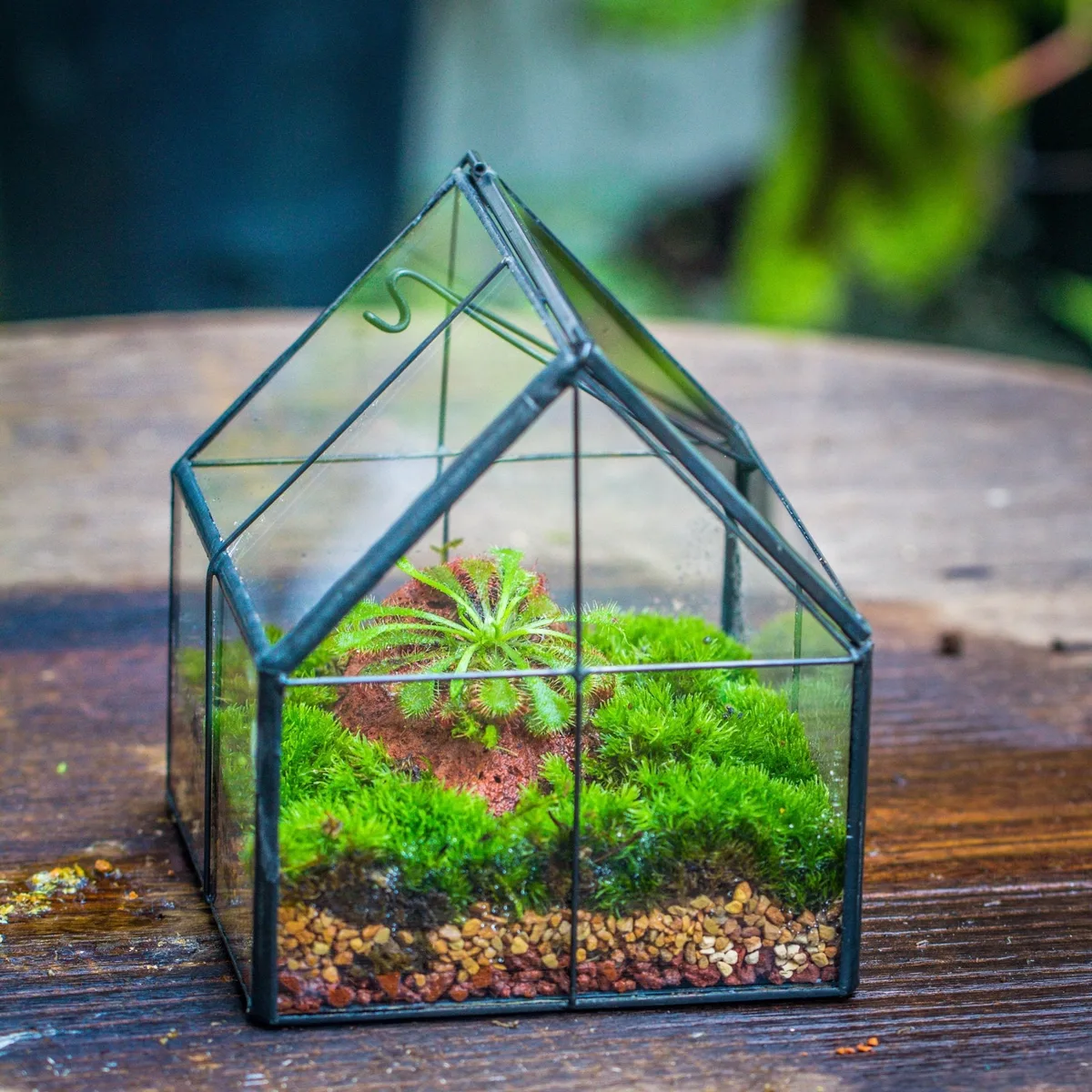
Most people treat terrariums like a low-effort decor piece. They toss in whatever plants look pretty, skip the drainage layer, and seal it shut. The result is a suffocating, moldy disaster within weeks.
The fix starts with recognizing that a terrarium is a controlled environment. Closed systems recirculate moisture, while open ones need occasional watering. Pick the wrong type for your plants, and they’ll die fast.
What a Terrarium Actually Is (The Short Version)
A terrarium is a sealed or open glass container designed to grow plants in a controlled, self-sustaining environment. It mimics natural conditions on a small scale, using layers of soil, drainage, and sometimes charcoal to support plant life.
The key difference between a terrarium and a random plant display is balance. A real terrarium manages humidity, light, and airflow to keep plants alive long-term.
The 7 Things People Mistake for a Terrarium (And Why They Fail)
| Mistake | Why It Fails | The Fix |
|---|---|---|
| A jar with random plants | No drainage, wrong plant pairings | Use compatible plants and proper layers |
| A sealed fishbowl | Traps too much moisture for dry plants | Open it or pick moisture-loving species |
| A vase with cut flowers | Flowers rot, no soil or roots | Use live, potted plants only |
| A glass with no drainage | Water pools, roots rot | Add gravel and charcoal layers |
| A desert plant in a closed jar | Suffocates from humidity | Use open containers for succulents |
| A terrarium in direct sun | Overheats, burns plants | Place in bright, indirect light |
| Skipping the charcoal layer | Mold and odors build up | Always include activated charcoal |
Closed vs. Open: The One Rule That Decides Survival
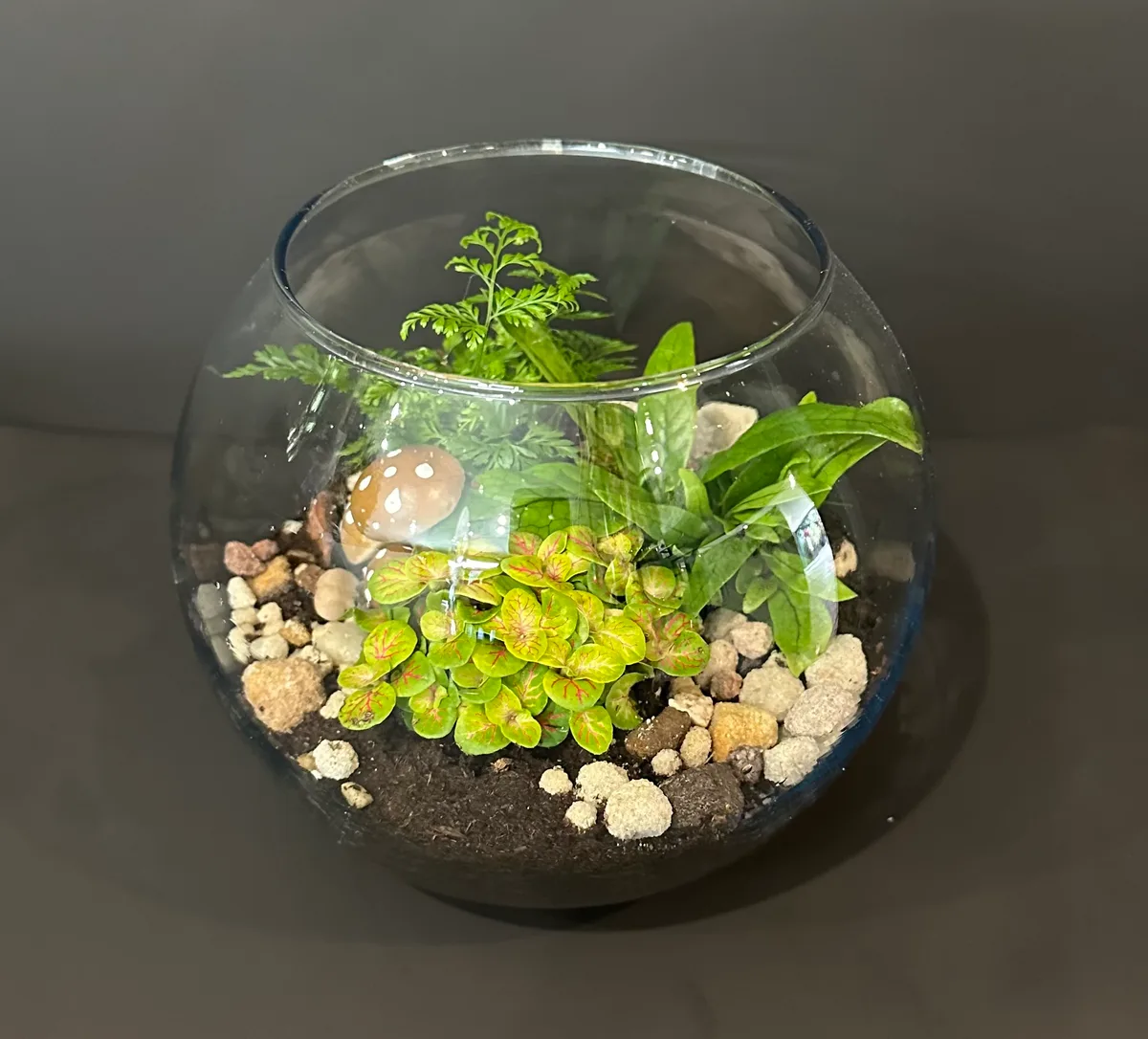
Closed terrariums work like tiny greenhouses. They trap moisture, creating a humid environment perfect for ferns, moss, and tropical plants. Seal a terrarium with cacti or succulents, and they’ll rot.
Open terrariums let air circulate. They’re ideal for drought-tolerant plants that need less humidity. Choose this style for desert species or if you tend to overwater.
The rule is simple: match the container to the plants. Closed for moisture-lovers, open for dry-climate species.
The Hidden Risks of Getting It Wrong
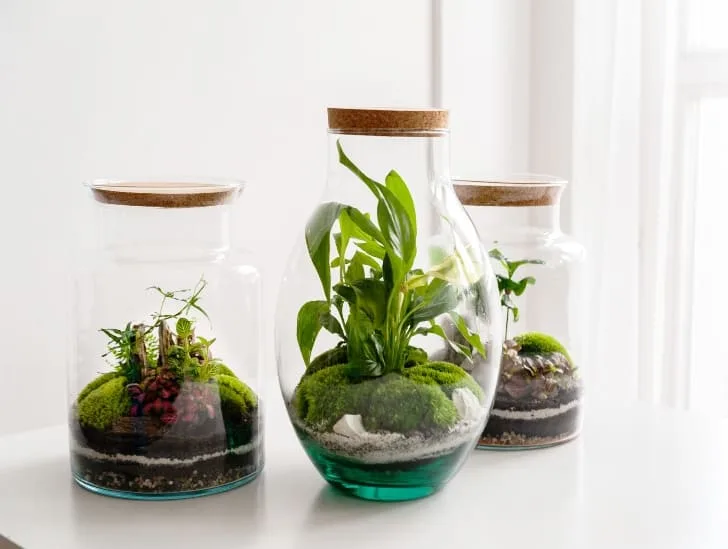
Mold is the most common issue. It thrives in sealed terrariums with poor airflow or too much water. Once it starts, it spreads fast and can kill your plants.
Root rot is another silent killer. It happens when water pools at the bottom with no drainage. Your plants will wilt and turn yellow, often beyond saving.
Toxic plants are a less obvious but serious risk. Some popular terrarium plants, like pothos or philodendron, are poisonous to pets and children. Always check plant safety before adding them to a shared space.
According to the ASPCA’s toxic plant list, even small amounts of certain plants can cause severe reactions.
The 3 Non-Negotiable Layers Every Terrarium Needs
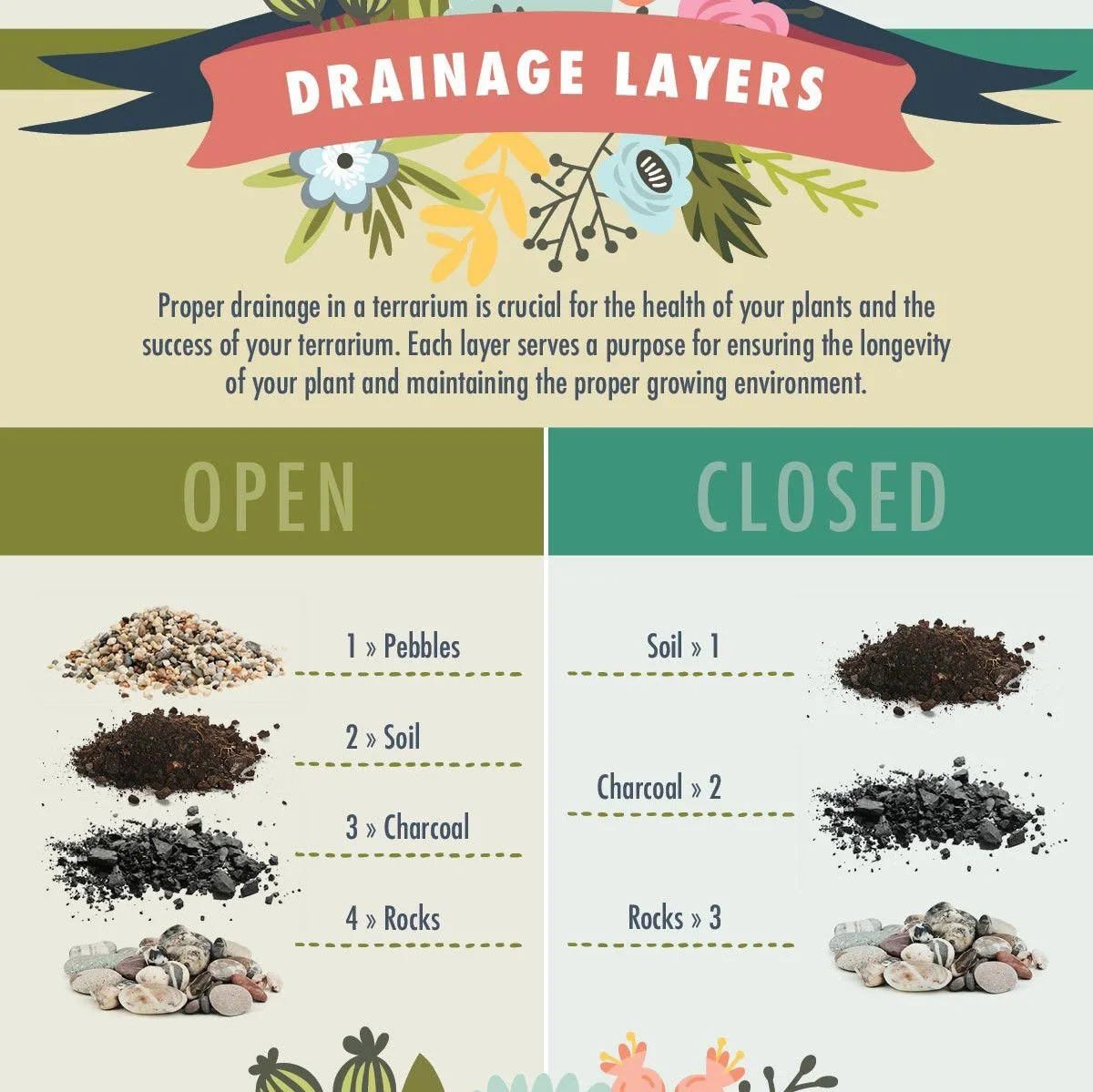
The bottom layer must be drainage. Use 1 to 2 inches of gravel or perlite to prevent waterlogging. Without this, roots sit in water and rot.
The middle layer is activated charcoal. A thin layer, about half an inch, keeps water fresh and stops odors. Skip it, and mold will take over.
The top layer is soil. Pick a well-draining mix for most plants. Cacti need sand-heavy soil, while ferns prefer peat-based blends.
Plant Pairing: Why Your Terrarium Isn’t a Salad Bowl
Mixing desert and tropical plants is a recipe for failure. Succulents need dry soil and open containers. Ferns and moss thrive in humidity and closed setups.
Stick to plants with similar needs. For closed terrariums, try fittonia, peperomia, or baby tears. For open ones, go with haworthia, echeveria, or sedum.
Avoid fast growers. They’ll outcompete slower plants and throw off the balance.
Toxic Terrariums: Plants That Should Never Go Inside
Some popular plants are dangerous. Pothos, philodendron, and dieffenbachia contain toxins harmful to pets and kids. Even small amounts can cause vomiting or skin irritation.
Safe alternatives exist. Spider plants, parlor palms, and peperomias are non-toxic and terrarium-friendly. Always double-check before adding a new species.
The Maintenance Myth (How Often You Really Need to Intervene)
Closed terrariums need almost no water. The sealed environment recycles moisture. Open ones may need a light mist every 2 to 4 weeks.
Prune dead or overgrown leaves. They block light and encourage mold. Use clean scissors to avoid spreading disease.
Clean the glass occasionally. Algae and mineral deposits reduce light penetration. A damp cloth usually does the trick.
When to Walk Away (And When to Salvage It)
If mold covers more than a third of the soil, start over. It’s nearly impossible to fully remove once established.
Yellowing leaves often mean overwatering. Stop watering and move the terrarium to brighter light. If the roots are mushy, it’s too late.
Pests like gnats or mites require immediate action. Remove affected plants and treat the soil with neem oil. Quarantine the terrarium to prevent spreading.
Quick Checklist: Is Your Setup Actually a Terrarium?
A real terrarium has drainage, charcoal, and soil layers. If yours skips any of these, it’s just a plant in a jar.
It also matches the container to the plants. Closed for humidity-lovers, open for dry species. Mismatch these, and it’s not a terrarium.
Finally, it’s self-sustaining. If you’re watering weekly or fighting mold constantly, you’ve built something else.
A real terrarium has drainage, charcoal, and soil layers. If yours skips any of these, it’s just a plant in a jar.
It also matches the container to the plants. Closed for humidity-lovers, open for dry species. Mismatch these, and it’s not a terrarium.
Finally, it’s self-sustaining. If you’re watering weekly or fighting mold constantly, you’ve built something else.
Frequently Asked Questions
Can I use any glass container?
Not all glass works. Thin or cracked containers can break under pressure or temperature changes. Use heat-treated glass for safety.
Why does my terrarium smell bad?
This usually means stagnant water or rotting plants. Add charcoal, improve drainage, or open the container to air it out.
How do I know if my plants are compatible?
Check their light and water needs. If one loves moisture and the other hates it, they won’t thrive together.
Do terrariums need sunlight?
Indirect light is best. Direct sun can overheat a closed terrarium. Most terrarium plants do well in bright, filtered light.
Can I mix succulents and ferns?
No. Succulents need dry soil and open air. Ferns need humidity and moisture.
They’ll kill each other in the same container.








