

Transpiration: How Plants Create Moisture in Terrariums is the invisible engine that keeps closed glass gardens alive. Without it, your sealed ecosystem would dry out or drown within weeks. This natural process turns plant respiration into a self-watering system, but only if the balance is right.
Research shows that a healthy closed terrarium maintains 80% to 95% relative humidity through this cycle. Get it wrong, and you will face mold, root rot, or a dusty wasteland instead of a thriving microclimate.
Quick Answer
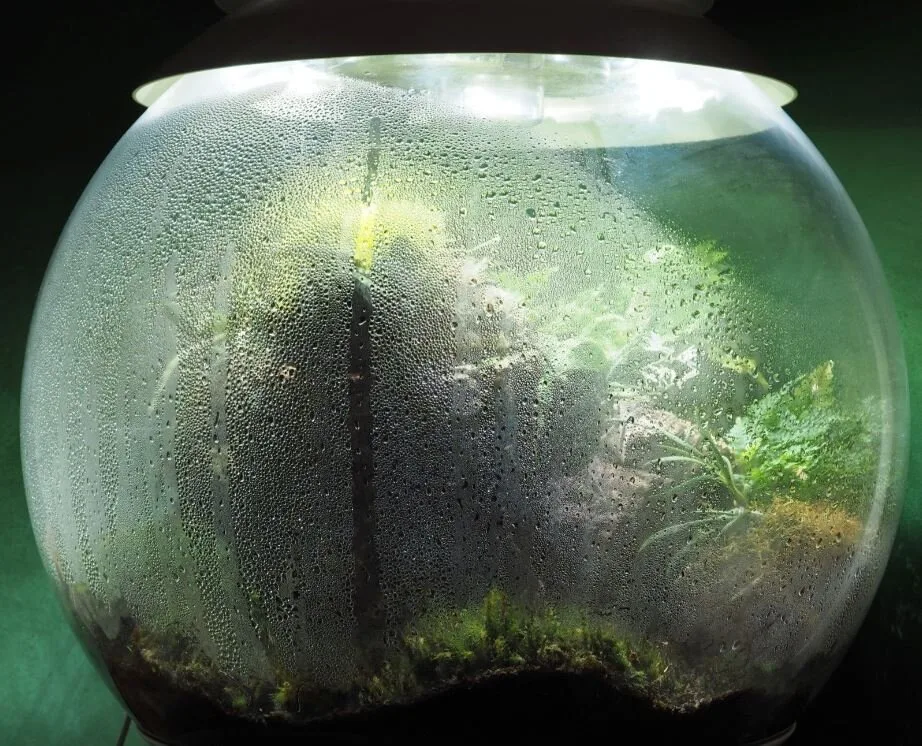
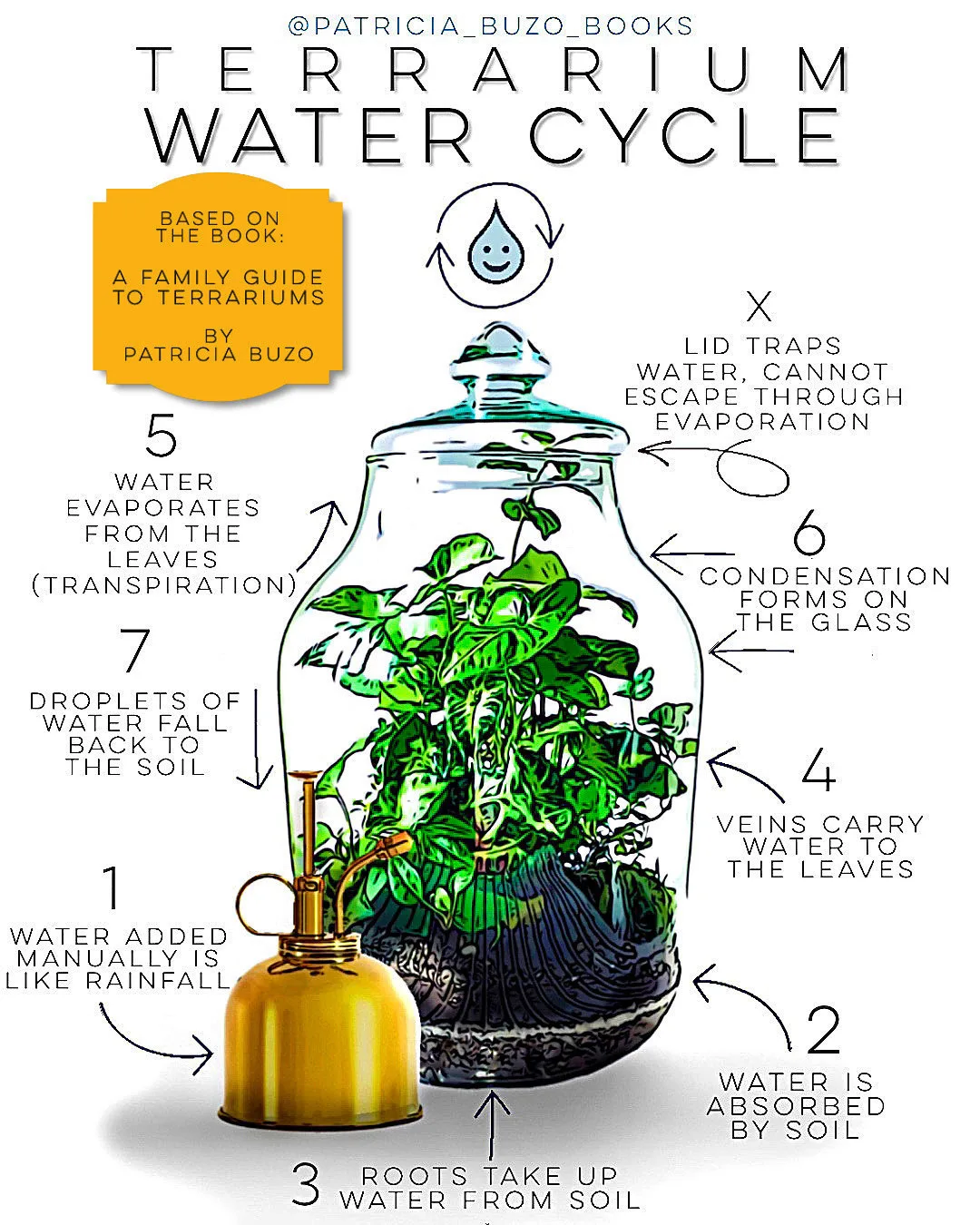
Transpiration is how plants release water vapor through their leaves. This vapor condenses on the terrarium glass. Droplets then drip back into the soil.
The cycle repeats automatically. It is the core mechanism behind self-sustaining terrariums.
Why Transpiration Accuracy Matters for Your Terrarium
A closed terrarium is a delicate living system where every drop of water matters. Transpiration is the process that keeps this system in motion. It is also the first thing to fail if conditions are not right.
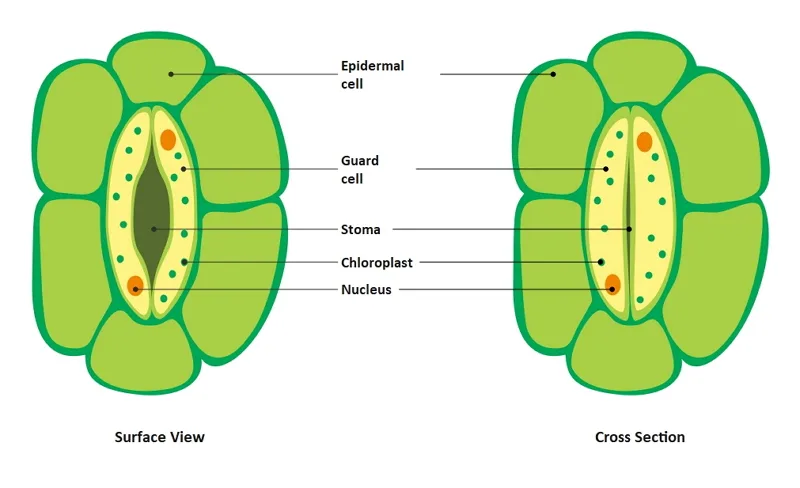
Plants release water vapor through tiny pores called stomata. If these pores clog or the environment is off, the cycle breaks. Too much moisture leads to rot.
Too little, and your plants wither. As of 2026, research from the American Society of Plant Biologists confirms that stomatal function is directly tied to humidity regulation in enclosed environments.
This is not just about keeping plants alive. It is about maintaining a stable microclimate where soil, air, and glass work together. Choosing the right container material is critical for maintaining this balance.
Core Factors That Drive Transpiration Rates
Three main variables control how fast your terrarium water cycle runs. Get these right, and your ecosystem will thrive with minimal intervention.
Light and Heat
More light means faster transpiration. Glass containers trap heat, speeding up the process. Too much direct sunlight can overheat your terrarium, turning it into a greenhouse oven.
The concept of thermal inertia








