

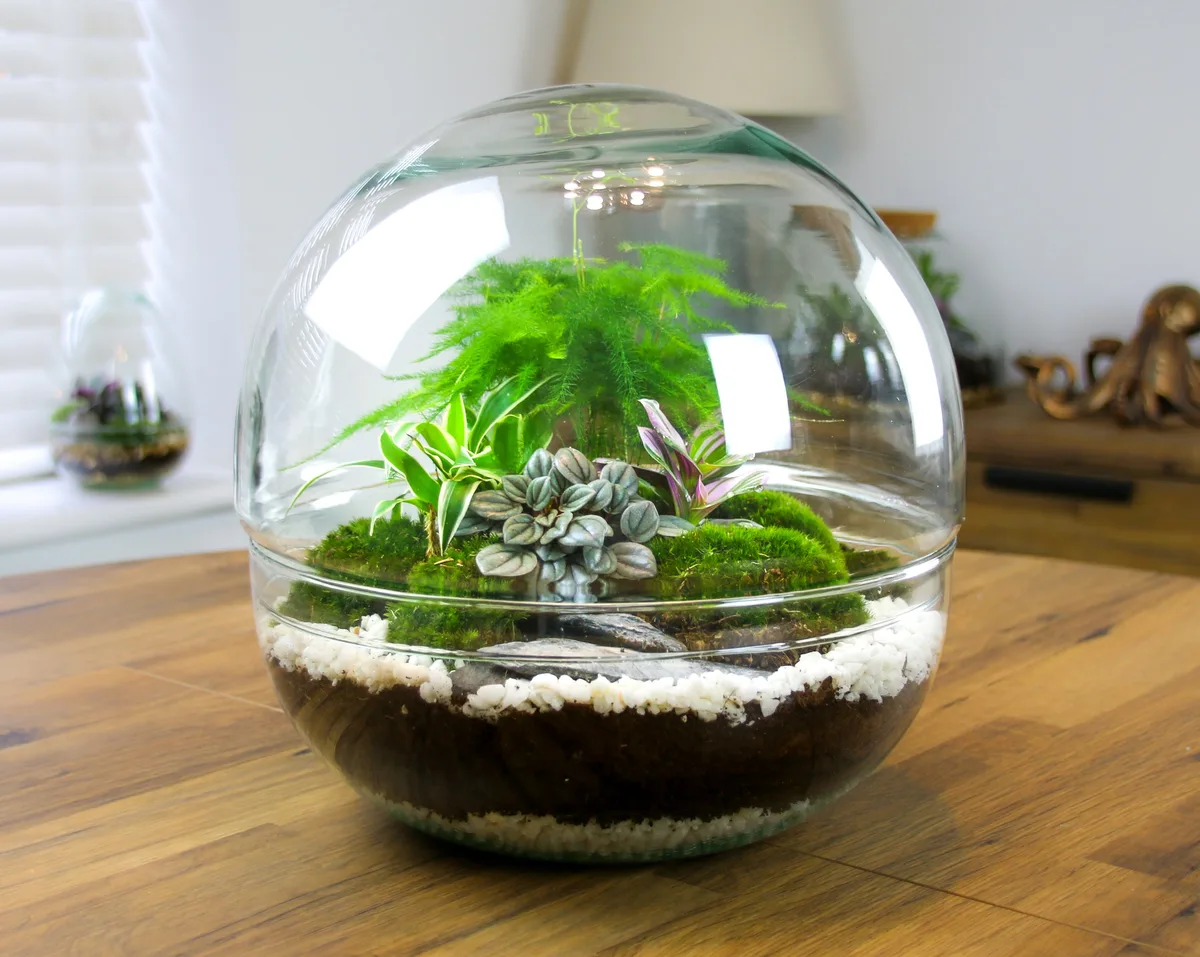
Cellular Respiration: What Plants Do at Night in Terrarium is a biological shift that keeps your closed ecosystem balanced. During daylight, plants produce oxygen through photosynthesis. At night, the process flips entirely.
You might notice heavy condensation or strange smells after the lights go out. This signals active respiration and decomposition. Research shows optimal nighttime humidity sits between 80% and 90% for most tropical species.
Let’s look at how to manage this critical cycle.
Why Your Terrarium Plants “Breathe” at Night
Understanding the basics of plant metabolism is key to keeping your terrarium alive. Most beginners assume plants only eat sunlight. That isn’t true.
Every living plant cell requires energy to function, even when it’s dark.
The Shift from Photosynthesis to Respiration
Photosynthesis stops immediately when light fades. The plant then relies on cellular respiration for energy. This process consumes stored sugars.
It releases carbon dioxide as a byproduct.
This shift happens automatically in nature. Inside a sealed glass jar, gases accumulate quickly. You need to understand the mechanics behind it.
This knowledge helps you prevent common mistakes like suffocating your ferns.
Reading the Glass: What Condensation Tells You About Plant Health
Condensation is more than just moisture. It is a direct indicator of plant activity. When lights turn off, stomata (leaf pores) close.
Transpiration rates drop sharply.
However, roots continue to respire actively. This creates a unique microclimate at night. Excessive fogging often means poor airflow during the day.
Clear glass in the morning usually means healthy balance. Check How to Fix Overwatered Terrarium Stop Too Much Condensation if droplets persist.
The Nighttime Gas Exchange Explained
Gas exchange drives the entire closed-loop system. Plants aren’t just passive decorations here. They are active participants in air quality.
Understanding these chemical shifts prevents toxic buildup.
How Plants Consume Oxygen and Release CO2 After Dark
At night, oxygen levels inside the jar dip slightly. Carbon dioxide levels rise correspondingly. Healthy plants handle this fluctuation easily.
Overcrowded jars, however, can suffer.
Roots also breathe underground. They pull oxygen from air pockets in the soil. If the substrate stays waterlogged, roots suffocate.
This anaerobic condition leads to root rot. See Best Terrarium Soil Substrate Guide For Healthy Plants for proper mix ratios.

The Role of Mycorrhizal Fungi in Root Respiration
Mycorrhizal fungi form partnerships with plant roots. These microscopic networks extend beyond the root zone. They help absorb nutrients more efficiently.
During respiration, fungi consume some released CO2. They return essential minerals back to the plant. This symbiotic relationship boosts overall health.
Without them, nutrient cycling slows down significantly. Learn more about Leaf Litter In Terrariums Essential Benefits to understand organic decay cycles.
Decomposers: The Unsung Heroes of Nightly Cleanup
Springtails and isopods work through the night. They feed on decaying leaves and mold spores. This activity prevents organic matter from piling up.
Their movement aerates the soil surface gently. This improves gas exchange for roots. A balanced cleanup crew is vital for longevity.
Check Why Small Ecosystems Are So Fragile to see how one missing link breaks the chain.

Visual Cues: Monitoring Nighttime Ecosystem Stability
You can diagnose problems before they become fatal. Visual cues inside the glass provide early warnings. Learning to read these signs saves your plants.
Ideal vs. Excessive Condensation Cycles
A healthy terrarium dries out partially each morning. This “rainbow effect” indicates proper evaporation cycles. If the glass stays completely clear all day, airflow is too high.
Conversely, heavy dripping every morning means too much water. This stagnation harms root respiration overnight. Adjust ventilation or watering based on these observations.
Read our guide on Self Sustaining Vs Low Maintenance Key Differences to find your rhythm.
Spotting Algae Blooms Before They Take Over
Green film on the glass usually appears at night. Algae thrives in high humidity and low airflow. While not always deadly, it competes for resources.
Algae blooms signal excessive nitrogen or poor circulation. Scrape the glass regularly to maintain clarity. This simple step improves light penetration during the day.
Discover more about Terrarium Terms Essential Glossary Guide to understand common issues better.

Identifying Early Signs of Anoxic Soil Conditions
Anoxia occurs when soil lacks oxygen. Roots begin to suffocate without gas exchange. Leaves may turn yellow or brown suddenly.
Look for a sour, rotten smell emanating from the jar. This odor comes from anaerobic bacteria breaking down roots. Immediate action is required to save the system.
Fast action prevents Cascade Effects How One Problem Triggers More within your ecosystem.
Keeping Your Nighttime Cycle Balanced
Balance doesn’t happen by accident. It requires intentional setup choices. Selecting the right components reduces nightly stress on plants.
Small adjustments yield big long-term results.
Plant Selection for Low-Night-Oxygen Demand
Some plants consume more oxygen at night than others. Tropical understory plants generally prefer stable conditions. Succulents are poor candidates for closed systems.
They need dry nights to survive.
Choose ferns, mosses, or fittonias instead. These species evolved under dense canopies. They tolerate higher CO2 concentrations well.
Find the right matches in How To Choose The Right Plants For A Closed Terrarium.
Substrate Porosity and Barrier Layer Importance
Your soil mix determines how easily gases move. Chunky bark and perlite create air pockets. These pockets allow oxygen to reach roots overnight.
Dense potting soil blocks this crucial exchange.
A sterile barrier layer prevents soil from clogging drainage. Activated charcoal absorbs toxins and keeps air fresh. This layer is non-negotiable for long-term success.
See Barrier Layer Why You Need It Best Options for detailed instructions.

Light Placement and Thermal Inertia Management
Light influences the temperature drop at night. Direct sun can overheat glass containers during the day. This heat releases into the evening hours slowly.
Proper lighting prevents thermal shock. Use indirect light or controlled LEDs. Consistent temperatures support steady respiratory rates.
Learn why Thermal Inertia Why Terrariums Stay Warm matters for delicate species.
When Things Go Wrong: Troubleshooting Respiratory Stress
Even perfect setups face challenges. Mold, rot, and collapse are common fears. Knowing how to react quickly separates experts from novices.
Mold Spikes: Too Much CO2, Not Enough Airflow
White fuzz on leaf litter is often normal. Black or gray mold spreading on leaves is not. This indicates a CO2 buildup issue.
Open the lid for a few hours to flush stale air. Remove affected leaves carefully. Check your lighting duration; too much light can fuel fungal growth.
Explore What Is A Terrarium Complete Beginners Guide for troubleshooting steps.
Root Rot: When Soil Stagnation Starves the Roots
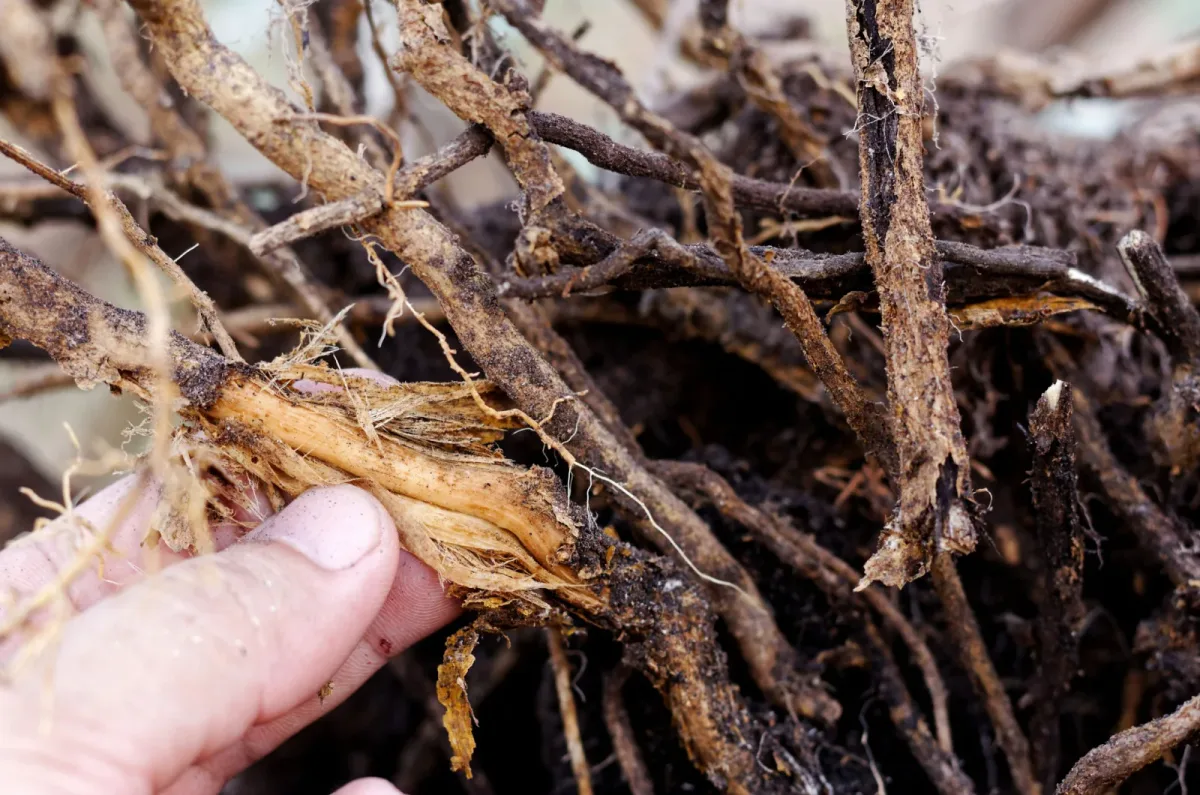
Root rot turns healthy tissue mushy and brown. It happens when water replaces all air pockets. Anaerobic bacteria thrive in these wet conditions.
They produce toxic byproducts that kill roots. Pull the plant out to inspect the roots immediately. Trim any blackened areas and repot in fresh mix.
Avoid Plants To Avoid In Terrariums Before Its Too Late to reduce risk.
Leaf Yellowing vs. Natural Senescence
Not all yellow leaves indicate disease. Older bottom leaves naturally die off. They transfer nutrients to new growth.
True distress looks different. Sudden yellowing across many leaves suggests respiratory failure. Check humidity levels and gas exchange rates.
Review Ecosystem Collapse The Tipping Points Explained to avoid total system failure.
Maintenance Rhythm for a Self-Sustaining System
Consistency is the backbone of a healthy terrarium. You cannot set it and forget it forever. Regular observation prevents small issues from becoming catastrophic failures.
Establishing a simple rhythm keeps the ecosystem in balance.
Daily Checks: The Fog Test
Start your day by looking at the glass. This is your primary diagnostic tool. If the interior is clear, add a teaspoon of water.
If it is fogged up completely, leave it alone.
Wait for condensation to clear before adding more moisture. This cycle mimics natural rainfall patterns. Overwatering is the fastest way to kill a closed system.
Read Types Of Terrariums A Complete Guide to understand how different containers hold moisture differently.
Weekly Adjustments: Pruning and Cleaning
Dead leaves accumulate quickly in warm, humid environments. They decompose into mold and waste products. Remove any brown or yellowing foliage immediately.
Use clean tweezers to avoid introducing bacteria.
Wipe the inside glass if algae grows thick. Thin layers are harmless but reduce light. Thick layers block photosynthesis during the day.
Keep the environment clean to support efficient respiration. Learn about Terrarium Origin And Meaning Explained to appreciate the art of minimal intervention.
Monthly Reviews: Inspecting the Decay Layer
Once a month, look deeper into the setup. Check the barrier layer for clogging. If water sits on top of the charcoal, drainage is blocked.
This creates anoxic conditions rapidly.
Inspect root health if plants look sluggish. Gently lift the substrate to check for rot. Healthy roots are white or tan.
Dark, mushy roots indicate waterlogging. Update your care routine based on these findings. See 10 Terrarium Questions Beginners Always Ask for common monthly tasks.
Seasonal Care and Long-Term Stability
Long-term success requires patience. Your terrarium is a living clock. It runs on light and water cycles.
Trust the process and observe closely.
Adapting to Winter Light Changes
Winter brings shorter days and lower angles. Photosynthesis slows down significantly. Respiration continues but at a reduced rate.
Reduce watering frequency in winter.
Plants enter a resting phase. Condensation may last longer each morning. Don’t open the jar unnecessarily.
Let the ecosystem settle. Read Natural Vs Artificial Light For Terrariums Which Is Best to manage seasonal shifts.
Managing Temperature Fluctuations
Temperature spikes during the day cause stress at night. Glass expands and contracts. This can crack seals or loosen lids.
Keep jars out of direct sun.
Use blinds or sheer curtains to diffuse light. This moderates internal temperatures. Stable temps mean stable respiration.
Avoid placing terrariums near heaters or vents. Learn how How Glass Affects Light Transmission Explained impacts heat buildup.
Preventing Common Beginner Mistakes
Starting is exciting. Many beginners overcomplicate the setup. They add too many plants or too much soil.
This crowds the space and chokes airflow.
Choose fewer plants with similar needs. Use shallow soil layers. This ensures roots get enough oxygen.
Simplicity beats complexity every time. Join Top Terrarium Communities Online Reddit Facebook Discord for peer advice.
Handling Pest Invasions Gracefully
Pests can enter through new plants or soil. Fungus gnats are the most common intruders. They thrive in moist, decaying matter.
Remove them manually if possible.
Yellow sticky traps help monitor populations. Avoid chemical pesticides in closed systems. They trap air and harm beneficial bugs.
Introduce predatory mites if needed. Focus on prevention through cleanliness. See 5 Myths About Self Sustaining Terrariums Debunked to avoid toxic treatments.
Frequently Asked Questions
Do plants only breathe at night?
No, they breathe all the time. Respiration happens day and night. However, photosynthesis masks respiration during daylight hours.
At night, the CO2 release becomes visible and dominant.
Why is my terrarium smelly at night?
A sour smell indicates anaerobic bacteria. This happens when soil stays too wet. Roots suffocate without oxygen exchange.
Improve drainage and reduce watering immediately. Open the lid to air it out.
Can I use a glass vs acrylic tank for respiration?
Both work similarly for gas exchange. Glass blocks more UV light than acrylic. This affects algae growth and plant energy.
Acrylic holds heat better due to thermal inertia. Choose based on your light source and humidity goals.
How often should I clean the glass?
Clean only when algae blocks light. This might happen once a month. Use a soft brush or cloth dipped in warm water.
Avoid soap residues that harm plants. Keep the interior sterile for healthy respiration.








