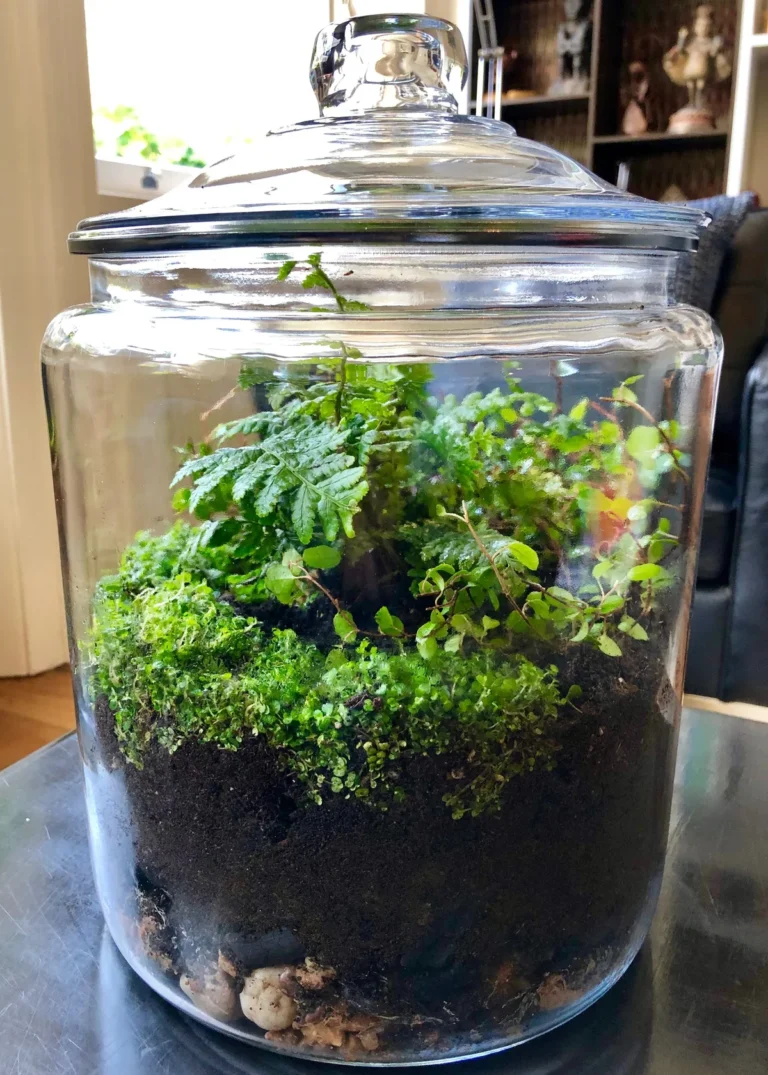
If you’ve ever watched a beautiful terrarium slowly choke on dead leaves and fuzzy mold, you know the frustration. The missing piece is often a cleanup crew. Detritivores in terrarium: The Workers Who Break Down Waste are the tiny organisms that eat decaying matter and keep the glass clean.
Springtails and isopods are the most common choices. According to the University of Florida IFAS Extension, these arthropods consume dead plant material and fungi. They recycle nutrients back into the soil.
Quick Answer
Detritivores are tiny cleanup crew insects. They eat dead leaves, rotting wood, and mold. Springtails handle microscopic waste and fungal outbreaks.
Isopods chew through larger plant debris. Together they recycle nutrients back into the soil.
Why Your Terrarium Needs a Clean-Up Crew
A closed terrarium is a tiny, trapped ecosystem. When leaves die, they fall to the soil. In nature, wind, rain, and insects scatter and break down this debris.
Inside glass, that waste just sits there.
Without a cleanup crew, dead plant matter rots. Fungus moves in fast. You get slime mold, white fuzz, and a sour smell.
The USDA Natural Resources Conservation Service notes that soil organisms are the primary drivers of nutrient cycling. Without them, the system stalls.
Detritivores solve this. They are the waste management team. They chew dead roots and fallen leaves.
They eat the mold that grows on damp wood. Their waste feeds the living plants.
If you want a low-maintenance setup, you need these workers. They stop the cascade effects where one piece of rot triggers a total system crash. They keep the barrier layer from clogging with organic sludge.

How Detritivores Break Down Waste and Stabilize the Ecosystem
Detritivores are not just scavengers. They are decomposers. They physically shred dead tissue.
This exposes more surface area to bacteria and fungi, which finish the breakdown process.
Think of them as the first step in a biological recycling plant. A dead leaf is tough. It takes a long time to break down on its own.
An isopod chews it into tiny fragments. Springtails then feed on the fungi growing on those fragments.
Their digestive systems process the carbon and nitrogen. They excrete waste that plants can immediately use as fertilizer. This is how a terrarium becomes self-sustaining.
The waste of one organism becomes the food of another.

This process stabilizes the microclimate. By removing rotting gunk, detritivores prevent localized ammonia spikes. They keep the substrate aerated.
Their burrowing creates tiny tunnels that let oxygen reach plant roots.
If you have leaf litter in your tank, these workers will process it. They turn a potential mold hazard into a slow-release fertilizer. This keeps the small ecosystem balanced and resilient.
The Main Detritivore Options for Terrariums
You have three main options for a terrarium cleanup crew. Each one targets a different type of waste. The best choice depends on your tank size, humidity, and plant types.
Springtails
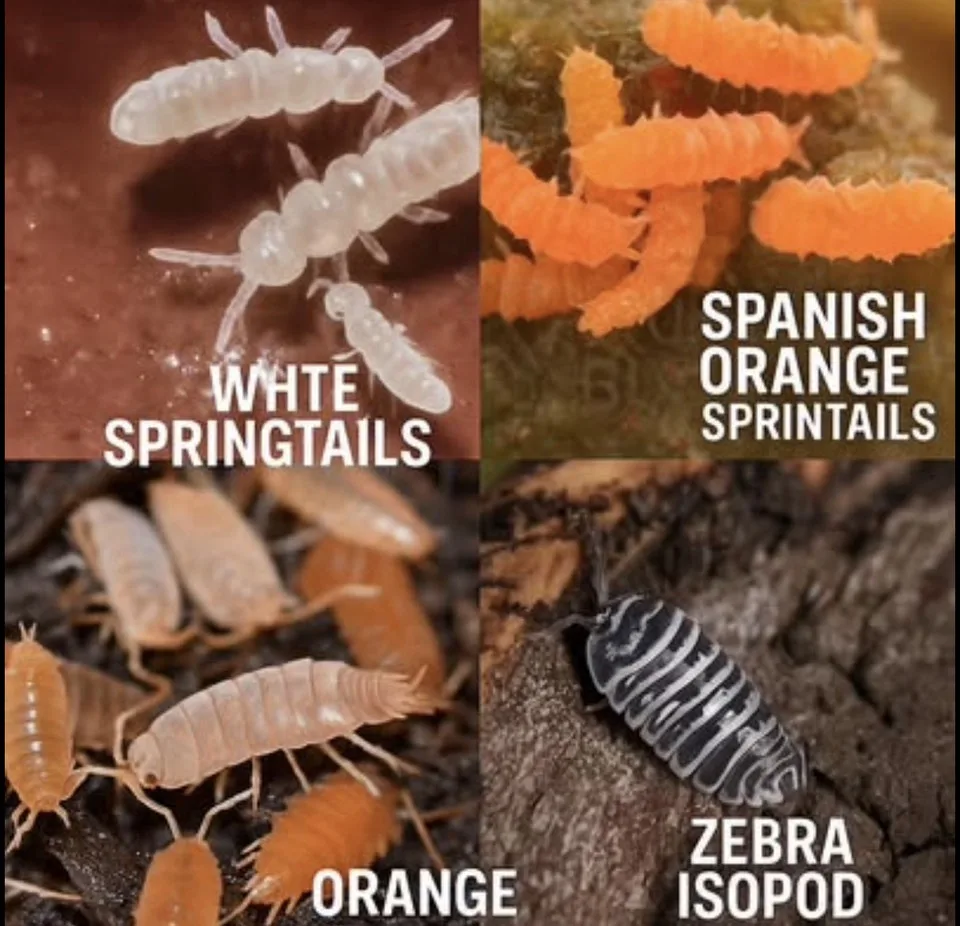
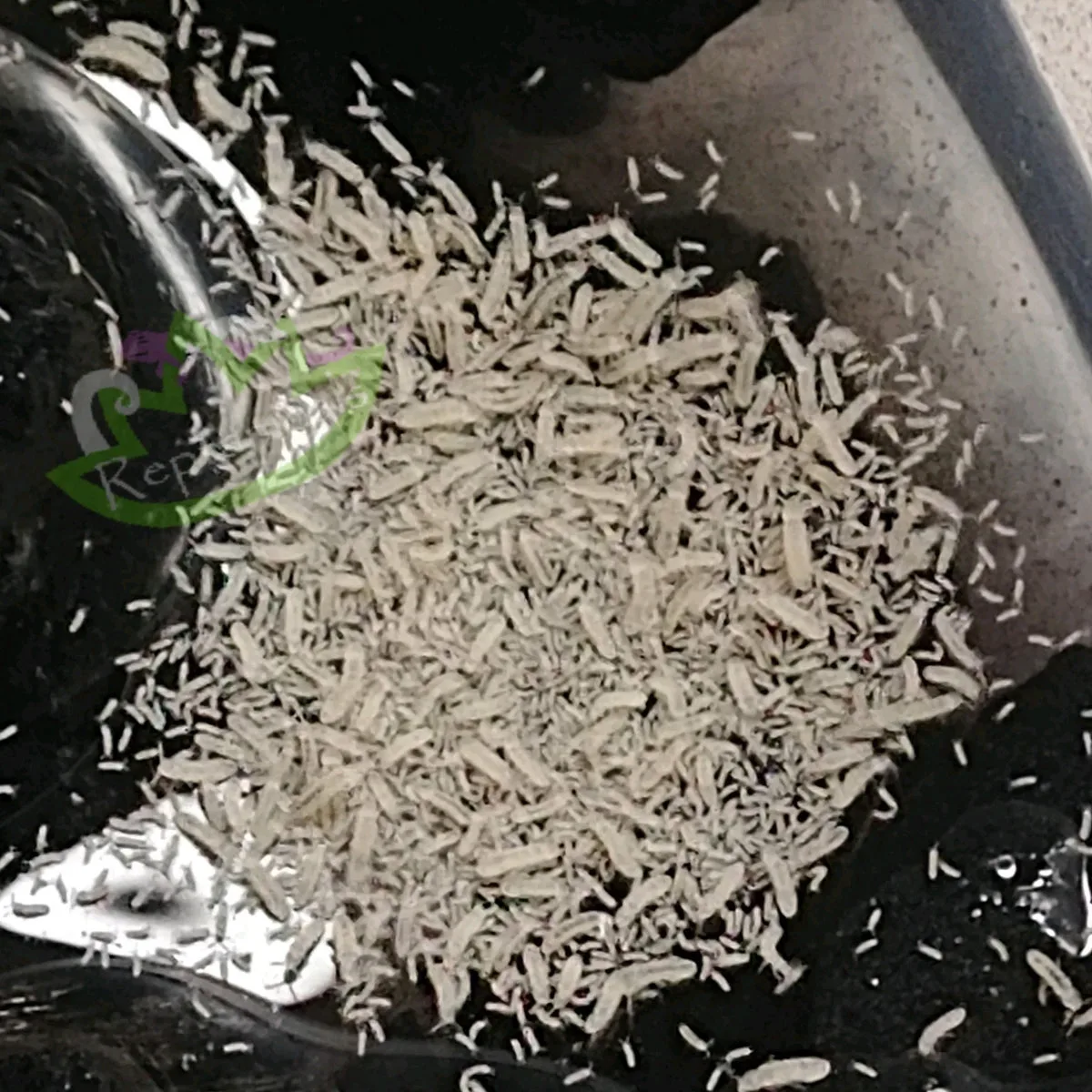
Springtails are tiny, white, soil-dwelling arthropods. They are the ultimate mold eaters. If you see white fuzz on your wood, springtails will devour it.
They thrive in high humidity and reproduce quickly. They are perfect for closed, tropical setups.
Isopods
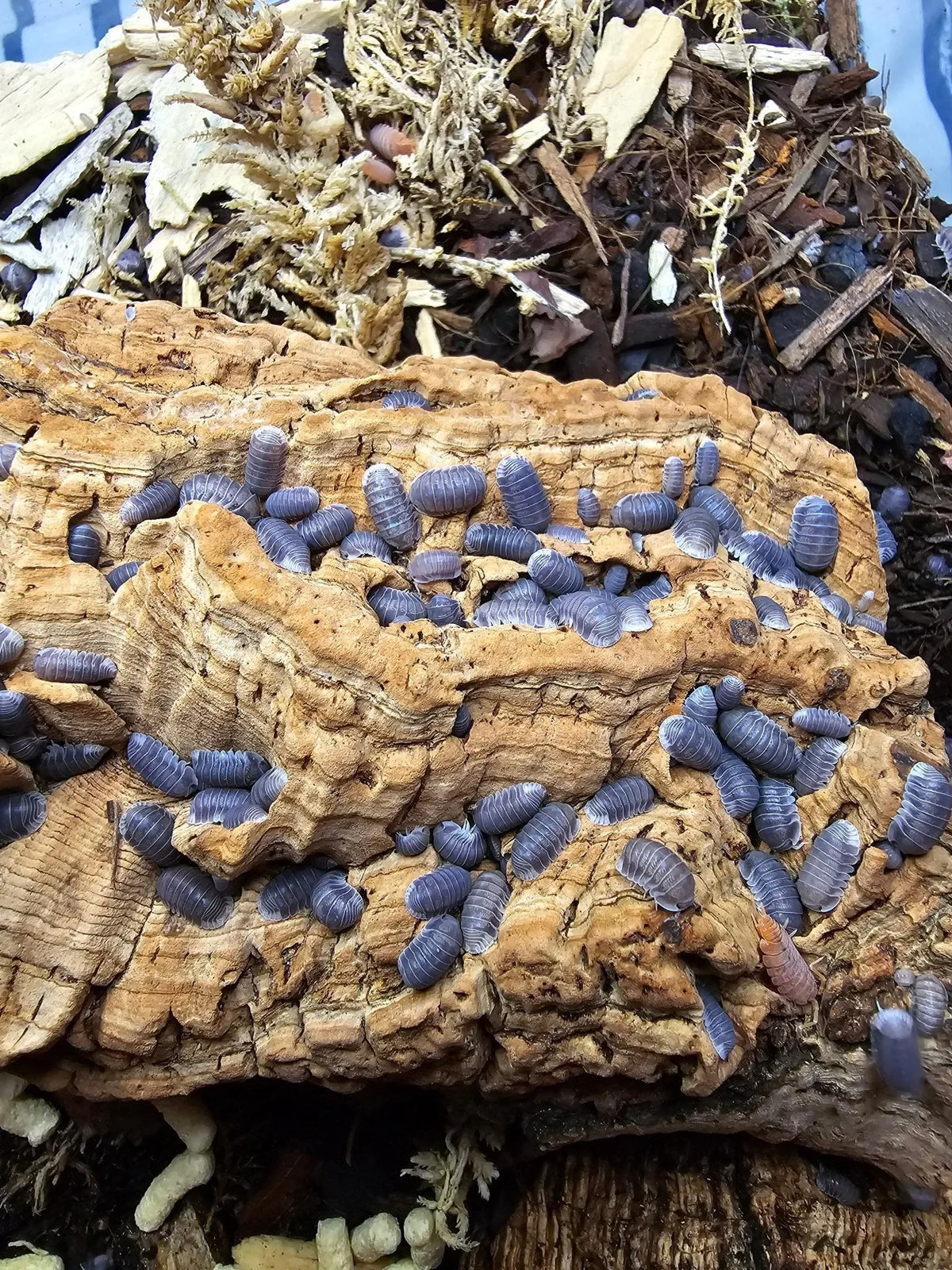
Isopods are larger crustaceans. They look like tiny gray or purple pillbugs. They chew through tough leaves, rotting wood, and dead roots.
They need slightly drier conditions than springtails, but many tropical species do well in sealed tanks. They are best for larger enclosures.

Earthworms
Earthworms are less common in small jars. They burrow deep and eat heavy organic matter. They are great for large, deep-substrate paludariums.
In a small jar, they often starve or drown. They are not recommended for standard closed terrariums.
Side-by-Side Comparison: Springtails vs. Isopods vs. Earthworms
Choosing the right detritivore is a judgment call. You have to match the organism to the environment. Here is a quick comparison to help you decide.
| Detritivore | Best For | Primary Diet | Humidity Needs |
|---|---|---|---|
| Springtails | Small jars, mold control | Fungi, micro-waste, pollen | High |
| Isopods | Large tanks, leaf litter | Dead leaves, rotting wood | Medium to High |
| Earthworms | Deep substrate paludariums | Heavy soil organics, compost | Medium |
Who Should Choose Springtails?
If you have a sealed jar, choose springtails. They handle the condensation and overwatered terrarium conditions that cause mold. They stay small and rarely become a nuisance.
Who Should Choose Isopods?
If you have a large tank with lots of leaf litter, choose isopods. They process bulky waste that springtails cannot handle. Just watch their population, as they can overpopulate in a closed system.
Who Should Avoid Earthworms?
Avoid earthworms in small glass containers. They need deep soil to burrow. In a shallow jar, they will die and cause a massive ammonia spike.
This can trigger ecosystem collapse.
Best Detritivores for Specific Terrarium Types
Not all detritivores work in every setup. Match the species to your tank’s conditions.
Closed Tropical Terrariums
Springtails are the best choice here. They thrive in high humidity and constant moisture. They prevent mold on glass and soil.
Add a small culture of 50 to 100 to start.
Open Desert Terrariums
Dry-loving isopods work best. Species like Porcellio laevis handle low humidity. They still need some moisture in the substrate.
Avoid springtails, as they will dry out and die.
Large Paludariums
For deep substrate with water features, use earthworms. They burrow deep and process heavy organic matter. Combine them with isopods for surface waste.
This creates a full cleanup system.
Miniature Jars
In tiny containers, stick to springtails. They are small and reproduce quickly. Isopods may outgrow the space.
Earthworms are too large for these setups.
Animal Enclosures
For reptile or amphibian tanks, use a mix of isopods and springtails. They clean up uneaten food and waste. Choose species that won’t bother the animals.
Avoid large isopods that might climb on pets.
How to Introduce Detritivores to a New Setup
Timing and method matter when adding your cleanup crew. Follow these steps for the best results.
Acclimate the Culture
Let the detritivores adjust to room temperature first. If they arrive cold, warm the container slowly. Sudden temperature changes can kill them.
Add Them at the Right Time
Introduce detritivores after planting but before sealing. This gives them time to spread out. They will start working immediately on any dead plant matter.
Use the Right Amount
For a standard 5-gallon terrarium, 50 springtails or 10 isopods is enough. Larger tanks can handle more. Start small and let the population grow naturally.
Provide Hiding Spots
Add pieces of bark or cork. These give detritivores places to hide from light. They also create microhabitats with different humidity levels.
Common Mistakes When Adding a Clean-Up Crew
Even experienced keepers make these errors. Avoid them to keep your terrarium healthy.
Adding Too Many at Once
A large initial population can overwhelm the ecosystem. They will consume all available waste quickly. Then they will starve and die off.
Start small and let them multiply.
Using Wild-Caught Specimens
Wild detritivores may carry pests or diseases. They might not be suited to terrarium conditions. Always use captive-bred cultures from reputable suppliers.
Ignoring Temperature Needs
Tropical species need warmth. If your home is cold, choose temperate species. A heating mat can help maintain the right temperature.
Forgetting to Monitor
Check your terrarium regularly. Look for signs of overpopulation or die-off. Adjust food and moisture levels as needed.
Keeping the Crew Alive: Feeding and Population Control
A balanced terrarium needs minimal intervention. But you still need to watch your cleanup crew.
Natural Food Sources
In a planted terrarium, detritivores find plenty to eat. Dead leaves, rotting wood, and fungi keep them fed. They also eat algae and biofilm on the glass.
Supplemental Feeding
If your tank is new, add extra food. A small piece of mushroom or fish flake works. Remove uneaten food after 48 hours to prevent mold.
Population Management
Springtails self-regulate based on food availability. Isopods may need manual control. If they overpopulate, remove some by hand.
Reduce the amount of leaf litter you add.
Maintaining Conditions
Keep humidity stable. Mist the tank if it dries out. Avoid standing water, as it can drown detritivores.
Proper ventilation prevents toxic gas buildup.
Signs Your Detritivore Population Is Out of Balance
A healthy cleanup crew is active but not overwhelming. Watch for these warning signs.
Overpopulation
If you see detritivores crawling on the glass, the population is too high. This usually means excess waste in the tank. Remove some leaf litter to reduce their food source.
Die-Off
If detritivores disappear suddenly, check conditions. Low humidity, high heat, or pesticides can kill them. Test the substrate for moisture and toxicity.
Mold Persistence
If mold keeps returning, the crew is overwhelmed. Add more detritivores or reduce organic waste. Ensure good airflow to prevent fungal growth.
Plant Damage
Detritivores should not eat healthy plants. If you see chewed leaves, they are starving. Add more leaf litter or other food sources.
This keeps them from turning to live plants.
Final Recommendation: Choosing the Right Workers for Your Tank
Match the detritivore to your specific setup. Small, closed jars need springtails. Larger tanks with deep soil need isopods.
Avoid earthworms in standard terrariums unless you have a massive enclosure. The right choice keeps your system balanced and clean.
Frequently Asked Questions
What types of detritivores are safe for plants?
Springtails and certain isopods are safe for live plants. They only consume dead matter and fungi. Watch for species that might nibble on roots if food is scarce.
Provide enough leaf litter to keep them satisfied.
Do I need multiple types of detritivores?
Using both springtails and isopods works well. Springtails handle mold and micro-waste. Isopods tackle larger leaves and wood.
This combination creates a more robust cleanup crew than one type alone.
How long does it take for detritivores to work?
They start working immediately upon introduction. Visible results like mold reduction appear within days. Full ecosystem balance takes a few weeks as populations stabilize and spread through the substrate.
Can I add more detritivores later?
Yes, you can always add more to a growing tank. If you notice increased waste or mold, introduce additional springtails or isopods. Make sure their needs match the existing environment before adding them.
Are detritivores invasive species concern?
Most captive-bred species pose no risk when contained in a terrarium. Never release them into the local wild. Some countries have strict rules about shipping certain crustaceans.
Check local regulations before purchasing.