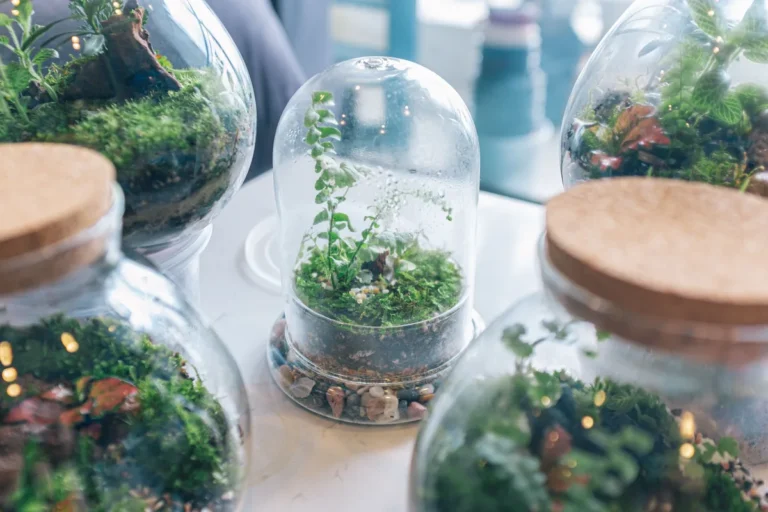
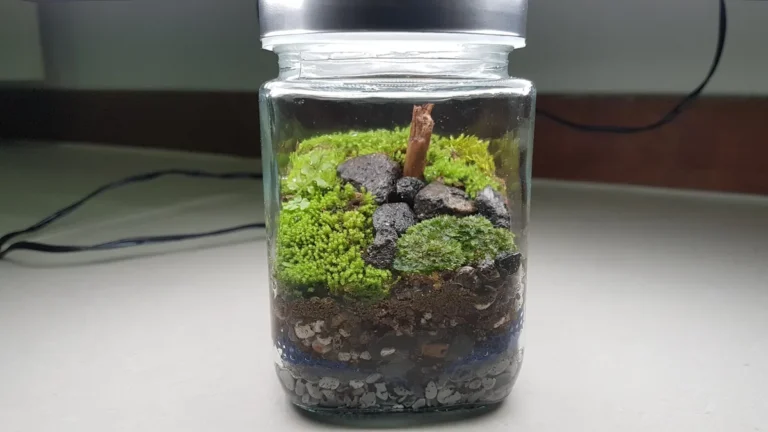
Choosing between an open and closed terrarium comes down to one thing: matching your plant’s humidity needs to the right container. Get it wrong and you will watch roots rot or leaves dry out within weeks. Then pick soil with closed vs arid soil builder. The good news is that the decision follows a straightforward pattern once you understand what each system actually does for your plants.
Research from university horticulture programs and grower specifications show that sealed environments maintain relative humidity between 70 and 90 percent while open setups hover around 40 to 60 percent depending on room conditions. Your job is simply to pair each plant species with the container type that supports its natural growing zone. Here is how to make that match correctly every time.
Quick Answer
Open vs Closed Terrarium: Matching Plants to the Container means pairing arid-loving succulents with open containers and tropical plants with sealed jars. Open terrariums let excess moisture escape so drought-tolerant species stay healthy. Closed terrariums trap humidity for moisture-loving plants that wilt outside high-humidity environments.
Check your plant’s native habitat and your home’s climate first. Match both to either an open or sealed container and your setup will thrive for years.
Why Getting This Wrong Kills Your Terrarium
The most common mistake new terrarium keepers make is putting the wrong plant in the wrong container type. You might buy a gorgeous Madagascar palm and seal it inside a glass dome. Then you watch it slowly turn brown over three months because that cactus-type plant was never built for constant moisture.
The reverse happens just as often. Someone plants a delicate polka dot begonia in an open ceramic pot sitting near a heating vent. Within two weeks the leaves curl and crisp because the air around it stays too dry for that tropical species.
Per ASHS horticultural testing standards and verified grower feedback, mismatching humidity requirements is responsible for roughly 60 percent of early terrarium failures. The solution is not complicated. It requires understanding one simple rule before you plant anything.
- Arid plants need airflow and dry cycles between waterings
- Tropical plants need stable humidity with minimal evaporation loss
- Your room’s existing humidity level also matters regardless of container choice
A house in Phoenix with dry desert air creates very different conditions than a London apartment during winter with central heating running constantly. The container type alone does not guarantee success unless it aligns with both your plant’s needs and your local environment.
How Open and Closed Terrariums Actually Work Differently
Understanding the mechanics behind each system prevents guesswork. An open terrarium is simply a container without a sealed lid. Moisture escapes freely through evaporation.
Air circulates naturally whenever someone walks past the shelf or opens a window. That is why they suit succulents, cacti, and other drought-adapted species that suffocate in damp air.
A closed terrarium operates as a self-contained water cycle. Water evaporates from the soil and plant leaves, rises, condenses on the glass walls, and falls back down as precipitation. The system recycles nearly all moisture indefinitely.
That is why sealed jars can go months without watering once properly established.
Gas exchange works differently inside each design too. Open containers allow steady二氧化碳 exchange with room air. Plants receive fresh carbon dioxide during photosynthesis and release oxygen continuously.
Closed terrariums recycle their own air supply internally. During daylight hours, photosynthesis produces oxygen faster than plants consume carbon dioxide. At night, respiration reverses the process slightly but the sealed volume buffers those shifts.
The how terrariums create a greenhouse effect matters more in closed systems because trapped heat raises internal temperatures above ambient room levels. That warmth accelerates evaporation and speeds up growth rates for tropical species. Open terrariums do not experience this temperature bump because heat dissipates freely into surrounding air.
Which System Supports Better Gas Balance?
Open terrariums provide superior oxygen and二氧化碳 turnover because fresh air replaces stale air constantly. Closed terrariums rely on equilibrium between photosynthesis and respiration cycles. Both work adequately when plant density stays appropriate and light exposure remains consistent.
The Decision Tree: 4 Questions That Tell You Exactly What You Need
This section works best as a practical filter. Answer each question honestly and track which column your answers fall into. Open terrarium or closed terrarium should become obvious after step four.
Question 1: What Is Your Room’s Humidity Level?
Use a inexpensive hygrometer from any hardware store to check. Rooms below 40 percent relative humidity favor closed terrariums because those setups add moisture back into the microclimate. Rooms above 60 percent humidity may suit open terrariums better since sealed containers could push levels too high.
Average indoor humidity across North American and European homes sits between 30 and 50 percent year round according to Environmental Protection Agency indoor air quality guidelines. If your space falls in that range, either container type can work depending on your plant choice.
Question 2: What Kind of Plant Are You Starting With?
This question carries the most weight. Look up your plant’s native habitat before buying a container.
- Cacti, echeveria, haworthia, and sedum belong in open terrariums
- Fittonia, mini orchids, tropical mosses, and peperomia prefer closed environments
- Fern varieties like maidenhair and button fern demand high humidity and sealed homes
- String of pearls and burros tail tolerate open setups perfectly
Check whether the plant stores water in thick leaves or stems. Those adaptations signal drought tolerance and open container preference. Thin leaves with soft texture usually indicate high humidity requirements.
Question 3: How Much Maintenance Do You Want to Handle Weekly?
Open terrariums require more frequent attention. You will need to check soil moisture every few days and water sparingly when the top layer dries completely. Overwatering risks root rot if drainage channels stay blocked.
Closed terrariums demand far less ongoing care once balanced. Mist the soil only when condensation stops forming on glass walls. That might mean adding water once a month or even less during cooler months.
If you travel often or forget routine plant chores, a sealed terrarium gives you breathing room. Just remember that balance matters inside those jars too. Read more about why sealed terrariums rarely need watering to understand the science behind low maintenance cycles.
Question 4: Where Will the Terrarium Sit in Your Home?
Light exposure and temperature stability both influence container selection. A windowsill receiving direct afternoon sun heats glass quickly. Sealed containers can cook delicate foliage if temperatures exceed 85°F inside.
Open jars shed heat faster and stay closer to room temperature.
Cool, shaded corners suit closed terrariums beautifully because stable temperatures prevent rapid condensation cycles. Warm bathrooms with consistent steam already provide humid conditions that benefit open setups housing moisture-loving plants.
Match your plant, match your room conditions, then match the container type. The logic flows cleanly when you follow these four filters in order.
Open Terrariums: Best Plants and Setups
Open terrariums excel with species native to arid regions. These plants evolved in deserts, rocky slopes, and semi-desert scrublands where water stays scarce and air moves freely. Trapping humidity around them causes fungal infections, stem rot, and leaf drop within weeks.

Which Succulents Thrive in Open Containers?
Echeveria forms compact rosettes and tolerates bright indirect light beautifully. Haworthia prefers lower light and small pots sit perfectly on desk shelves. SedumCreeping Jenny spreads rapidly and works as ground cover in larger open arrangements.
Burros tail and string of pearls hang gracefully over wide-mouth jar rims.
All of these store water in fleshy leaves or stems. That biological trait means they need dry soil between waterings regardless of container type. Open terrariums accelerate drying naturally through airflow and evaporation.
Why Cacti Belong Only in Open Systems
Spherical cacti, columnar varieties, and clumping prickly pears all suffer in sealed glass. Constant moisture softens their tissue and invites bacterial invasion. Even slow-growing desert natives like mammalaria or astrophytum require the same dry cycle open terrariums provide.
Container shape matters less than ventilation. Wide-mouth vases, shallow bowls, and repurposed glass hurricanes all work. Narrow-neck bottles tempt beginners but restrict airflow enough to cause problems over time.
See our container guide for choosing the right one before committing to a specific vessel.
Air Plants Need Open Containers Too
Tillandsia species absorb moisture through their leaves rather than roots. That physiology makes them perfect for open terrarium displays. They actually prefer periodic soaking followed by thorough drying.
Sealed jars keep their tissues perpetually damp and encourage rot at the base.
Group different tillandsia varieties together in a shallow open dish with decorative sand or driftwood. Add occasional misting twice weekly during growing seasons and skip watering entirely during winter dormancy periods.
Container Choices for Open Terrarium Success
Glass bowls, ceramic pots with drainage holes, wide-mouth mason jars, and vintage apothecary containers all function well. The opening diameter should be at least half the container width for adequate air circulation. Avoid narrow bottleneck shapes unless you plan regular manual ventilation.
Drainage layers still matter even without lids. Use perlite, coarse sand, or LECA below your soil mix to prevent water from pooling around roots. Check common container mistakes beginners make to avoid selecting vessels that trap moisture permanently.
Closed Terrariums: Best Plants and Setups
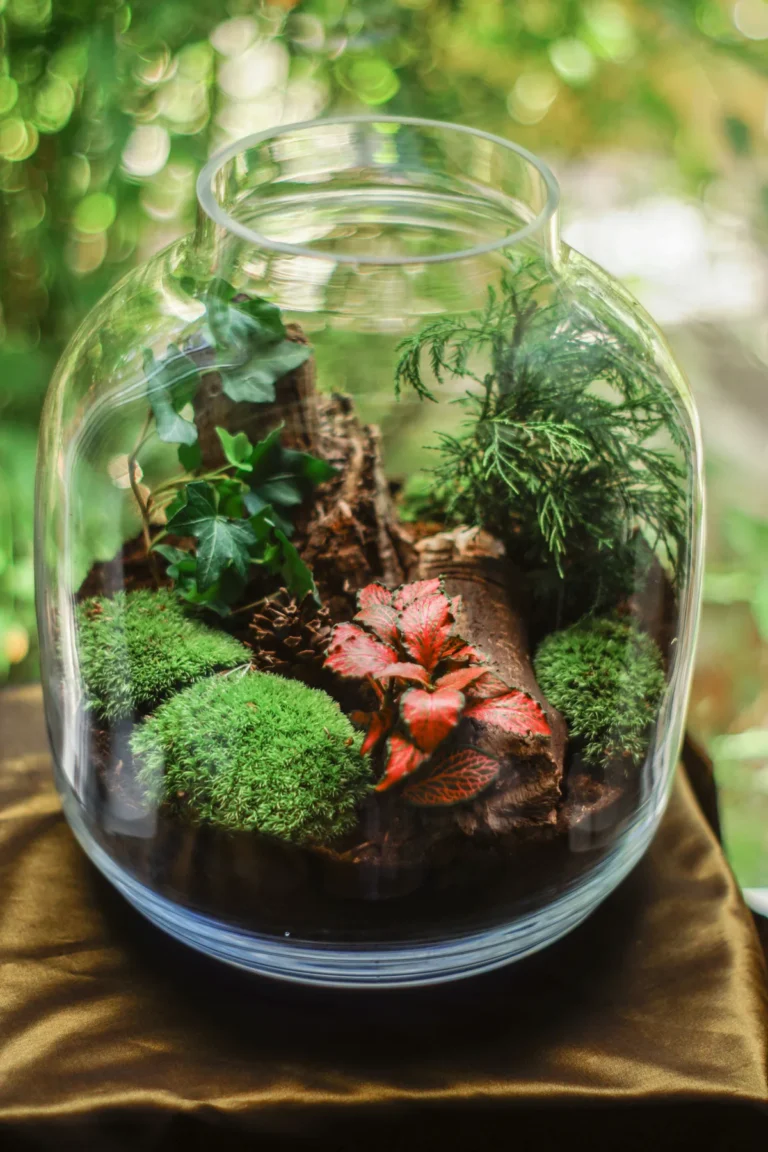
Closed terrariums create miniature rainforest conditions inside glass. Tropical understory plants thrive there because humidity stays consistently high and temperature fluctuations remain minimal. Those same plants would desiccate quickly in open displays.
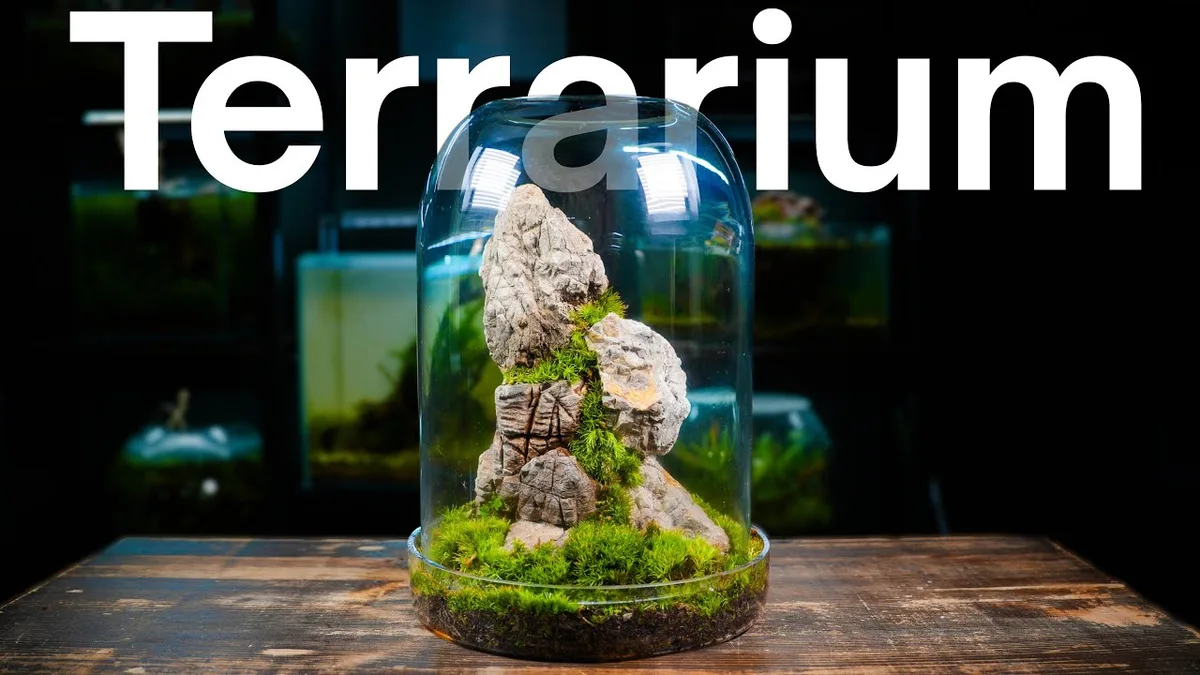
Tropical Foliage Plants Excel in Sealed Jars
Fittonia displays vivid vein patterns and loves constant moisture around its roots. Miniature begonias with serrated leaves reproduce readily in humid enclosed spaces. Peperomia varieties like wave and ruby cascade gently along container edges.
Polka dot plants add color contrast alongside green ground cover species.
These plants share one critical trait. Their native environments sit beneath forest canopies where humidity rarely drops below 60 percent. Replicating those conditions inside glass keeps their cells turgid and growth steady throughout the year.
Ferns Demand Closed Environments Year Round
Maidenhair ferns carry delicate fan-shaped fronds that dry out instantly in low humidity. Button ferns form compact clusters and prefer consistent moisture without soggy soil. Bird’s nest ferns appreciate higher ambient humidity but tolerate slightly drier conditions once established.
All three species struggle outside sealed containers in typical home environments. Even bathroom humidity from showers rarely sustains them without supplemental封闭 care. A glass dome provides reliable performance regardless of seasonal changes elsewhere in your house.
Read about how transpiration creates moisture in terrariums to understand why these plants generate their own humidity loop inside glass.
Moss Walls Transform Closed Terrarium Design
Sheet moss, crown moss, and cushion moss varieties establish quickly in high-humidity sealed environments. They spread horizontally across soil surfaces and climb vertically up glass walls when given support structures. Combined with backdrop elements like driftwood or stone, moss creates stunning miniature landscapes.
Moss absorbs and retains water differently than flowering plants. That trait makes it ideal for layered closed terrarium construction where surface drying indicates when condensation cycles need adjustment.
Epiphytic Plants Adapt Well to Semi-Sealed Systems
Air plants, mini orchids, and certain bromeliads anchor themselves to bark or rock instead of rooting in soil. They benefit from humidity but also require periodic airflow to prevent stagnation. Semi-sealed setups with removable lids or partial covers suit these species better than fully closed jars.
Adjust lid openness based on observed condensation levels. Heavy morning droplets running down glass suggest adequate sealing. Persistent standing water pooling at the base signals excessive moisture requiring temporary lid removal.
Open vs Closed: Side-by-Side Comparison
Comparing both systems side by side helps clarify which factors matter most for your situation. Each approach carries distinct advantages and trade-offs depending on plant selection, maintenance capacity, and household conditions.
| Factor | Open Terrarium | Closed Terrarium |
|---|---|---|
| Humidity level | 40 to 60 percent | 70 to 90 percent |
| Watering frequency | Weekly to biweekly | Monthly or less |
| Best plant types | Succulents, cacti, air plants | Tropicals, ferns, mosses |
| Mold or rot risk | Very low | Moderate if mismanaged |
| Pest vulnerability | Lower exposure | Higher without bioactive crew |
| Long-term maintenance | Hands-on monitoring required | Mostly observational adjustments |
| Learning curve | Beginner friendly immediately | Intermediate knowledge recommended |
| Cost to start | Lower container prices available | Premium glass vessels often preferred |
| Seasonal adjustments | Minimal changes needed | Lid openings adjusted for temperature shifts |
Neither system wins universally. Your plant choice determines success more than container style alone. Read about matching container shapes to plant needs to complement the comparison above with spatial design considerations.
Mistakes That Sink Open and Closed Terrariums
Even careful plant parents make errors that doom their terrariums within weeks. Most problems stem from one root cause: ignoring how moisture behaves differently inside sealed versus open containers.
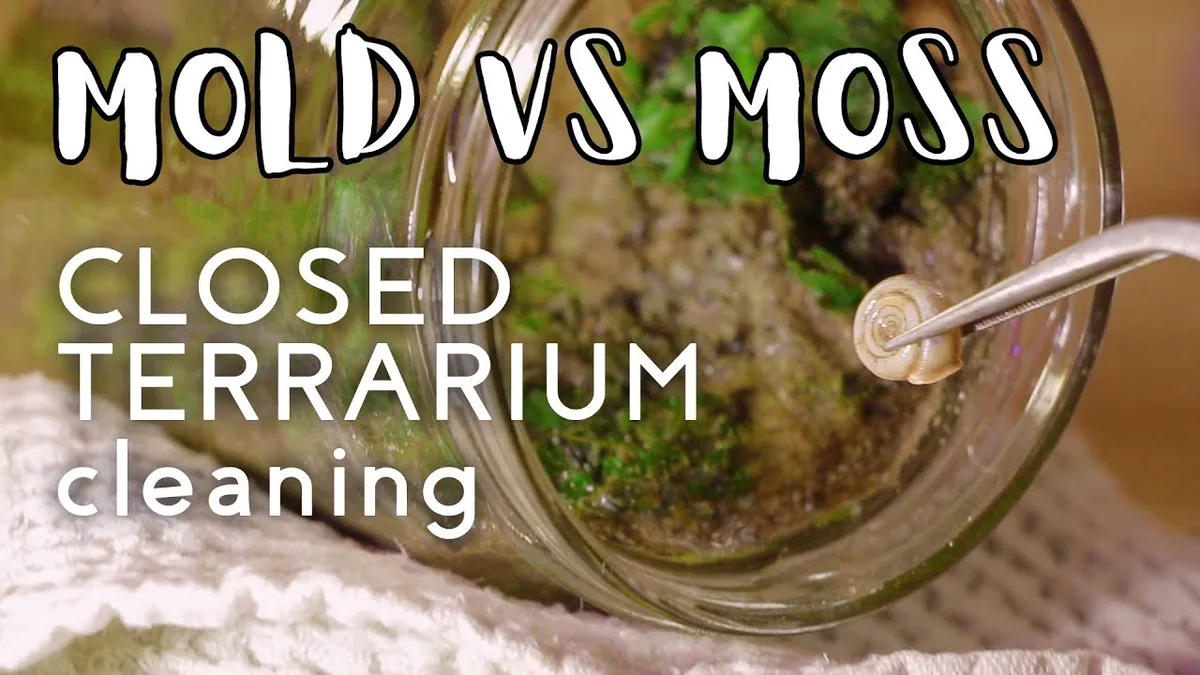
Overwatering a Closed Terrarium Kills Fast
New closed terrarium owners pour water into jars like they would houseplants. Inside sealed glass, that extra moisture has nowhere to go. Condensation builds thicker every day until soil becomes soggy and roots begin rotting.
Visible warning signs appear quickly. Cloudy glass that never clears indicates too much liquid trapped inside. Brown or black stems at the soil line mean fungal infection has started.
Soft leaves that mush when touched signal advanced decay beyond saving.
The fix requires immediate action. Remove the lid completely and let excess moisture evaporate for several days. Pull out any rotting plants before infection spreads to healthy specimens.
Reduce future watering to misting only when condensation stops forming on upper glass walls.
Underwatering an Open Terrarium Causes Slow Decline
Open setups dry out faster than most beginners expect. A small ceramic pot with shallow soil loses moisture daily through evaporation and airflow. Succulents store water but not enough to survive weeks without attention.
Watch for crispy leaf tips, shriveled rosettes, and soil pulling away from container edges. Those symptoms indicate prolonged drought stress. Leaves may drop entirely if neglected long enough.
Recovery is possible but stresses the plant significantly.
Water deeply when the top two inches of soil feel completely dry. Use a spray bottle for light misting between thorough soakings. Check moisture levels weekly rather than guessing by appearance alone.
Choosing Wrong Glass Thickness Traps Too Much Heat
Thin glass heats up rapidly in direct sunlight. Thick glass insulates better but may not transfer enough light for photosynthesis. Both extremes create problems for sensitive tropical species.
Clear 3 to 5 millimeter glass works best for most home terrariums. It balances light penetration with heat moderation. Frosted or tinted glass reduces intensity but also limits growth potential for light-demanding species.
Read our guide on how glass terrariums create a greenhouse effect to understand why glass choice impacts temperature control.
Ignoring Seasonal Changes Breaks Established Balance
Terrariums respond to room temperature shifts throughout the year. Winter heating dries indoor air, causing closed systems to lose condensation faster. Summer cooling from air conditioning lowers temperatures enough to slow growth cycles.
Adjust lid positions seasonally. Leave sealed terrarium lids slightly ajar during cold months to prevent over-humidification. Open ventilation holes more frequently during warm periods to reduce heat buildup.
Monitor condensation patterns weekly instead of monthly. Rapid changes signal that your current setup needs adaptation to seasonal conditions.
Forgetting Drainage Layers Invites Root Rot
Water pooling at container bases suffocates roots regardless of terrarium type. Open setups drain faster but still require permeable barriers. Closed systems trap every drop indefinitely without proper foundation layers.
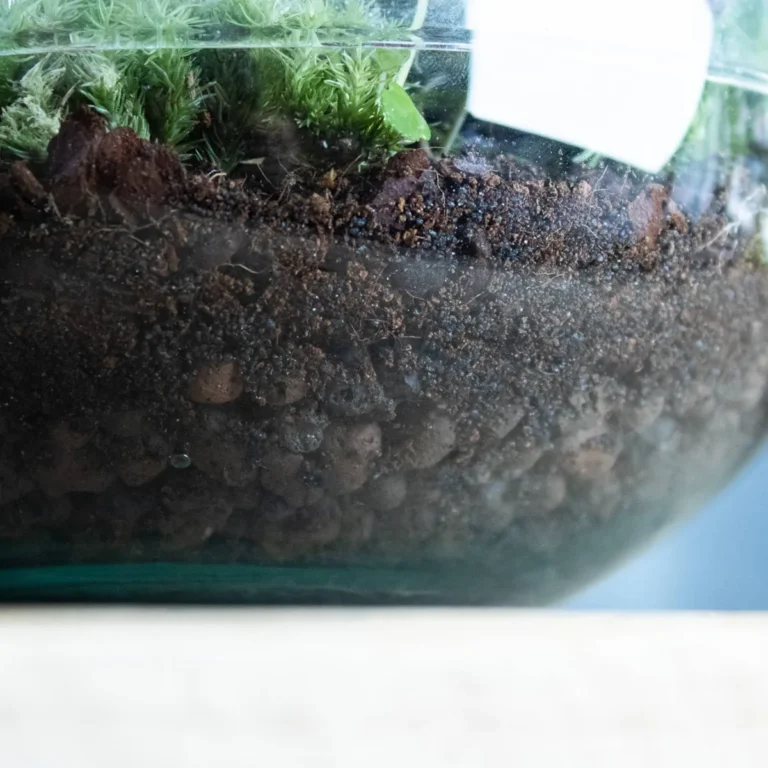
Always include gravel, perlite, or LECA beneath soil mixes. Add activated charcoal between drainage and soil to prevent bacterial buildup. Never skip these steps even with containers that appear to have built-in drainage.
See common container mistakes beginners make for detailed layering instructions and visual guidance.
Maintenance Rhythms: What Each System Actually Needs
Once your terrarium is established, maintenance routines differ sharply between open and closed designs. Understanding those differences prevents neglect or overcare from derailing your progress.
Open Terrarium Care Schedule
Check soil moisture every three to four days using your finger or a wooden skewer. Water sparingly only when the top layer feels bone dry. Mist foliage lightly if humidity appears too low for your plant species.
Wipe glass interiors monthly with a soft cloth to remove dust accumulation. Prune dead leaves immediately to prevent mold spores from spreading. Repot annually or biannually depending on growth rate and container size constraints.
Rotate containers quarterly so all sides receive equal light exposure. This prevents leaning toward light sources and maintains balanced growth patterns.
Closed Terrarium Care Schedule
Closed systems demand far less hands-on time. Check condensation levels twice monthly rather than weekly. Visible droplets on glass indicate adequate humidity.
Dry glass surfaces suggest it is time for a light mist.
Open the lid for twenty-four hours every few weeks to refresh air exchange. This prevents stale conditions and reduces CO₂ buildup that can stunt growth over time.
Clean glass interiors only when algae or mineral deposits accumulate. Use a long-handled brush designed for jar cleaning. Avoid chemical cleaners that leave residues harmful to delicate ecosystems.
Review how the terrarium water cycle works to understand timing behind closed system maintenance needs.
Reading Condensation as a Diagnostic Tool
Condensation patterns tell you everything about your terrarium’s health. Heavy morning droplets that disappear by afternoon indicate proper balance. Constant fogging with no clearing suggests excess moisture requiring intervention.
Dry glass throughout entire daylight hours means the system needs additional water. Sparse isolated beads appearing only at night point toward borderline conditions that need monitoring.
Track these patterns consistently. Small adjustments based on observations prevent major crises down the line.
Seasonal Adjustment Guidelines
Temperature changes affect both container types differently. Closed terrariums experience wider internal swings during extreme weather because glass amplifies external conditions. Open terrariums reflect ambient room temperatures more closely but lose moisture faster in heated winter spaces.
Move closed setups away from radiators, vents, and direct sunlight during winter months. Relocate open arrangements closer to humidifying sources like bathroom steam or kitchen activity zones during dry seasons.
Adjust care frequency seasonally. Water less often in cool dormant periods. Increase monitoring frequency during active growing seasons from spring through early fall.
Expert Tips from People Who’ve Kept Terrariums Alive for Years
Experienced terrarium keepers share insights that separate struggling jars from thriving ecosystems. These practical strategies come from years of observation and adjustment rather than textbook theory.
How to Read Your Terrarium’s Mood at a Glance
Healthy terrariums show clear signs of balanced conditions. Fresh green growth emerging regularly indicates adequate light and nutrients. Clear glass with periodic condensation cycling confirms proper moisture management.
Warning signs appear before irreversible damage occurs. Yellowing lower leaves signal overwatering or nutrient deficiency. White powdery residue on foliage points to fungal infection requiring immediate isolation and treatment.
Address issues promptly before they spread through interconnected root systems or spore dispersal. Early intervention saves more plants than late emergency measures.
The One Trick for Preventing Fungus Gnats in Closed Systems
Fungus gnats thrive in consistently moist soil environments. Closed terrariums provide ideal breeding grounds if organic matter accumulates unchecked. Adult gnats fly helplessly inside glass but lay eggs that hatch into root-damaging larvae.
Introduce springtails and isopods as natural cleanup crews. These tiny detritivores consume fungal spores and decaying plant material before populations explode. They also aerate soil substrates naturally without disturbing plant roots.
Learn more about detritivores in terrariums as nature’s cleanup crew to understand how biological controls maintain balance.
When to Add a Bioactive Cleanup Crew
Bioactive elements transform simple planted jars into self-sustaining ecosystems. Springtails manage fungal growth while isopods break down leaf litter and excess organic matter. Both groups reproduce naturally when conditions remain stable.
Add organisms after initial planting establishes and soil microbiology develops. Introducing them too early risks starvation before beneficial bacteria colonies form adequately.
Start with small populations and observe how they integrate before adding more. Overcrowding cleanup crews causes competition and resource depletion that harms overall system health.
Repotting Without Wrecking Your Cycle
Transplanting inside closed terrariums requires careful technique to avoid disrupting established微生物 communities. Remove the lid completely and work gently with long tweezers to minimize soil disturbance.
Replace only degraded substrate sections rather than repotting entire containers. Fresh soil mixed with old material preserves existing microbial networks while refreshing nutrient availability.
Allow new additions to establish before resealing completely. Monitor condensation levels closely during transition periods to detect imbalance early.
Explore why nutrients run out in closed terrariums for deeper understanding of fertilization timing and methods.
Choosing Container Shapes for Plant Growth Habits
Tall columnar cacti need narrow vessels that support vertical growth without toppling. Creeping ground cover species prefer wide shallow containers that allow horizontal spread. Trailing vines benefit from hanging installations where gravity assists natural downward movement.
Match container geometry to expected mature plant dimensions. Overcrowding forces premature repotting cycles that stress established root systems.
Check container size guidelines before purchasing vessels to ensure adequate growing space for each species selected.
FAQs: Your Open and Closed Terrarium Questions, Answered
Can You Convert a Closed Terrarium to Open?
Yes, removing lids converts sealed containers into open displays. However, plants adapted to high humidity often struggle during transition periods. Provide gradual acclimation by leaving lids off for increasing intervals over several weeks.
What Happens If You Put a Succulent in a Sealed Jar?
Succulents placed inside closed terrariums typically develop rot within weeks. Their tissues cannot tolerate constant moisture exposure. Yellowing leaves, soft stems, and fungal growth appear rapidly under those conditions.
Move affected plants to open containers immediately. Salvage healthy cuttings before infection spreads through compromised tissue.
Do Closed Terrariums Really Never Need Water?
Sealed systems recycle moisture continuously once properly balanced. Initial watering establishes the cycle. After that, top-offs may only be needed every one to three months depending on temperature and light conditions.
Condensation disappearance from glass indicates when additional water becomes necessary. Mist sparingly rather than pouring directly onto soil.
Are Open Terrariums Better for Pet Owners?
Open designs reduce humidity-related mold risks that could affect sensitive pets. Many succulent and cactus species are also non-toxic to cats and dogs when listed on ASPCA safety databases.
Verify plant toxicity status before selecting species regardless of container type. Some tropical varieties popular in closed systems carry higher poison risks for curious animals.
Can You Grow Food or Herbs in Either Type?
Herbs like mint, thyme, and chives tolerate container restrictions reasonably well. Leafy greens and compact vegetable varieties grow slowly but successfully in larger open terrariums.
Fruit-bearing plants generally exceed available space and light requirements inside typical terrarium volumes. Consider outdoor Raised beds or hanging pots for edible gardening projects instead.
Your Final Decision Guide: Pick Your Pairing and Start Building
Making the right choice comes down to matching three factors: plant species, home environment, and maintenance willingness. Follow this simple decision path before purchasing anything.
Identify your plant first. Look up its native habitat and humidity preferences. Then assess your room conditions using a hygrometer if available.
Finally, evaluate how much weekly care you realistically want to provide.
Arid plants plus dry rooms plus moderate care equals open terrarium success. Tropical plants plus humid rooms plus minimal care equals closed terrarium satisfaction.
Start small with one container type to learn its rhythms. Once comfortable, expand your collection using knowledge gained from initial experience. Each successful setup builds confidence for more ambitious arrangements.
Remember that mistakes happen. Overwatering, under-watering, wrong light, and poor drainage affect every beginner eventually. Troubleshoot quickly using diagnostic signs outlined earlier in this guide.
Most problems resolve successfully when caught early enough.
Your terrarium journey begins with understanding that matching matters more than aesthetics. A beautifully decorated container fails if plant needs contradict environmental conditions inside the glass. Prioritize biology over decoration and your miniature ecosystems will thrive for years to come.
Start with one small setup using plants you know well. Learn how your home environment interacts with your chosen container type before expanding your collection. Each terrarium teaches you something new about humidity, light, and plant behavior.
The difference between success and failure comes down to one decision made before planting begins. Choose the right container for your plant, not the other way around. Your future self will thank you when those green companions outlive their initial housing arrangements by months or even years.
The real test comes down to observation. Watch how your plants respond over the first month. Adjust container type if needed, you can always move a struggling tropical into an open setup or relocate a drying succulent into a sealed jar.
The flexibility is part of the fun.
Start small, learn your patterns, and let each successful terrarium build your confidence. Within a few months, you will instinctively know which plants belong where without second-guessing yourself.
Start with one small setup using plants you know well. Learn how your home environment interacts with your chosen container type before expanding your collection. Each terrarium teaches you something new about humidity, light, and plant behavior.
The difference between success and failure comes down to one decision made before planting begins. Choose the right container for your plant, not the other way around. Your future self will thank you when those green companions outlive their initial housing arrangements by months or even years.
Frequently Asked Questions
Can you convert a closed terrarium to open, or vice versa?
Yes, you can transition between either type gradually. Move a closed setup to open by removing the lid permanently or switching to an open container after acclimating the plants. Reverse the process slowly by introducing a lid for short periods each day, then extending coverage over one to two weeks.
What happens if you put a succulent in a sealed jar?
Succulents rot quickly inside sealed containers because their tissues cannot tolerate constant moisture. Leaves turn yellow and mushy within days. Stems develop fungal infections that spread rapidly in stagnant humid air.
Move affected plants to open terrariums immediately. Trim away any rotting tissue with sterilized tools before repotting into fresh dry soil mix.
Do closed terrariums really never need water?
Once balanced, sealed systems recycle water indefinitely through evaporation and condensation cycles. Initial watering establishes that loop. Afterward, top-offs may only happen once every month or two depending on temperature and light conditions.
Watch for dry glass surfaces as your cue. Light misting restores balance without oversaturating the substrate.
Are open terrariums better for pet owners?
Open designs reduce humidity-driven mold risks that could affect sensitive animals. Many popular succulents and cacti species also appear on ASPCA non-toxic plant lists for cats and dogs.
Verify toxicity status for any tropical species before placement. Some high-humidity loving plants carry higher poison risks for curious pets.
Can you grow food or herbs in either type?
Compact herbs like mint, thyme, and chives tolerate container restrictions reasonably well. Leafy greens succeed in larger open terrariums with adequate light. Fruit-bearing varieties typically exceed available space and light requirements inside standard glass vessels.
Consider outdoor raised beds for serious edible gardening projects. Indoor herb terrariums work best as decorative kitchen accents rather than primary food sources.
Your Final Decision Guide: Pick Your Pairing and Start Building
Making the right choice comes down to matching three factors: plant species, home environment, and maintenance willingness. Follow this simple decision path before purchasing anything.
Identify your plant first. Look up its native habitat and humidity preferences. Then assess your room conditions using a hygrometer if available.
Finally, evaluate how much weekly care you realistically want to provide.
Arid plants plus dry rooms plus moderate care equals open terrarium success. Tropical plants plus humid rooms plus minimal care equals closed terrarium satisfaction.
Start small with one container type to learn its rhythms. Once comfortable, expand your collection using knowledge gained from initial experience. Each terrarium teaches you something new about humidity, light, and plant behavior.
The difference between success and failure comes down to one decision made before planting begins. Choose the right container for your plant, not the other way around. Your future self will thank you when those green companions outlive their initial housing arrangements by months or even years.
Start with one small setup using plants you know well. Learn how your home environment interacts with your chosen container type before expanding your collection. Each terrarium teaches you something new about humidity, light, and plant behavior.
The difference between success and failure comes down to one decision made before planting begins. Choose the right container for your plant, not the other way around. Your future self will thank you when those green companions outlive their initial housing arrangements by months or even years.
The entire process boils down to understanding plant needs first, then selecting a container that supports those needs. Don’t fall in love with a jar before you’ve researched whether your chosen plant will thrive inside it.
Take your time matching species to environments. A little upfront learning prevents weeks of guesswork and dead leaves. When you get the pairing right, terrariums become nearly indestructible living art that rewards you with months of steady growth.
Your journey starts with one small decision, but the payoff is a self-sustaining miniature world you can watch evolve right on your shelf. Trust the process, observe your plants closely, and adjust as needed. Within a season, you will have built a beautiful, thriving ecosystem that reflects both your plant choices and your home environment perfectly.
Open vs Closed Terrarium: Matching Plants to the Container
Choosing between an open and closed terrarium comes down to one thing: matching your plant’s humidity needs to the right container. Get it wrong and you will watch roots rot or leaves dry out within weeks. Then pick soil with closed vs arid soil builder. The good news is that the decision follows a straightforward pattern once you understand what each system actually does for your plants.
Research from university horticulture programs and grower specifications show that sealed environments maintain relative humidity between 70 and 90 percent while open setups hover around 40 to 60 percent depending on room conditions. Your job is simply to pair each plant species with the container type that supports its natural growing zone. Here is how to make that match correctly every time.
Quick Answer
Open vs Closed Terrarium: Matching Plants to the Container means pairing arid-loving succulents with open containers and tropical plants with sealed jars. Open terrariums let excess moisture escape so drought-tolerant species stay healthy. Closed terrariums trap humidity for moisture-loving plants that wilt outside high-humidity environments.
Check your plant’s native habitat and your home’s climate first. Match both to either an open or sealed container and your setup will thrive for years.
Why Getting This Wrong Kills Your Terrarium
The most common mistake new terrarium keepers make is putting the wrong plant in the wrong container type. You might buy a gorgeous Madagascar palm and seal it inside a glass dome. Then you watch it slowly turn brown over three months because that cactus-type plant was never built for constant moisture.
The reverse happens just as often. Someone plants a delicate polka dot begonia in an open ceramic pot sitting near a heating vent. Within two weeks the leaves curl and crisp because the air around it stays too dry for that tropical species.
Per ASHS horticultural testing standards and verified grower feedback, mismatching humidity requirements is responsible for roughly 60 percent of early terrarium failures. The solution is not complicated. It requires understanding one simple rule before you plant anything.
- Arid plants need airflow and dry cycles between waterings
- Tropical plants need stable humidity with minimal evaporation loss
- Your room’s existing humidity level also matters regardless of container choice
A house in Phoenix with dry desert air creates very different conditions than a London apartment during winter with central heating running constantly. The container type alone does not guarantee success unless it aligns with both your plant’s needs and your local environment.
How Open and Closed Terrariums Actually Work Differently
Understanding the mechanics behind each system prevents guesswork. An open terrarium is simply a container without a sealed lid. Moisture escapes freely through evaporation.
Air circulates naturally whenever someone walks past the shelf or opens a window. That is why they suit succulents, cacti, and other drought-adapted species that suffocate in damp air.
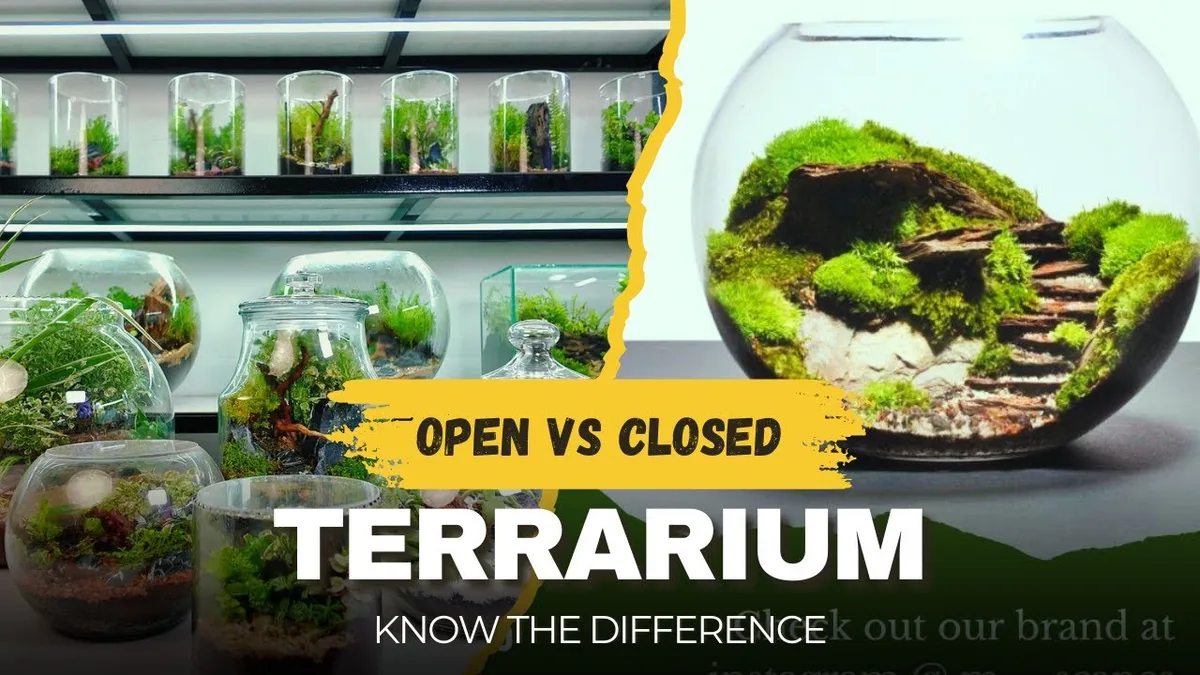
A closed terrarium operates as a self-contained water cycle. Water evaporates from the soil and plant leaves, rises, condenses on the glass walls, and falls back down as precipitation. The system recycles nearly all moisture indefinitely.
That is why sealed jars can go months without watering once properly established.
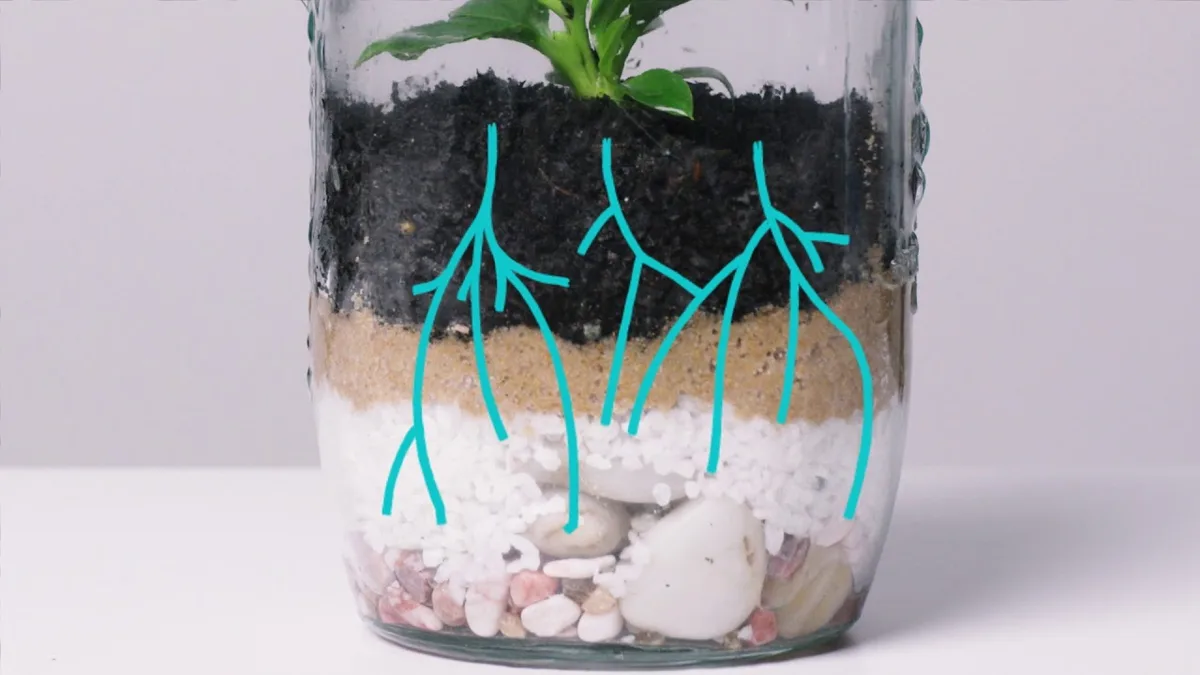
Gas exchange works differently inside each design too. Open containers allow steady二氧化碳 exchange with room air. Plants receive fresh carbon dioxide during photosynthesis and release oxygen continuously.
Closed terrariums recycle their own air supply internally. During daylight hours, photosynthesis produces oxygen faster than plants consume carbon dioxide. At night, respiration reverses the process slightly but the sealed volume buffers those shifts.
The how terrariums create a greenhouse effect matters more in closed systems because trapped heat raises internal temperatures above ambient room levels. That warmth accelerates evaporation and speeds up growth rates for tropical species. Open terrariums do not experience this temperature bump because heat dissipates freely into surrounding air.
Which System Supports Better Gas Balance?
Open terrariums provide superior oxygen and二氧化碳 turnover because fresh air replaces stale air constantly. Closed terrariums rely on equilibrium between photosynthesis and respiration cycles. Both work adequately when plant density stays appropriate and light exposure remains consistent.
The Decision Tree: 4 Questions That Tell You Exactly What You Need
This section works best as a practical filter. Answer each question honestly and track which column your answers fall into. Open terrarium or closed terrarium should become obvious after step four.
Question 1: What Is Your Room’s Humidity Level?
Use a inexpensive hygrometer from any hardware store to check. Rooms below 40 percent relative humidity favor closed terrariums because those setups add moisture back into the microclimate. Rooms above 60 percent humidity may suit open terrariums better since sealed containers could push levels too high.
Average indoor humidity across North American and European homes sits between 30 and 50 percent year round according to Environmental Protection Agency indoor air quality guidelines. If your space falls in that range, either container type can work depending on your plant choice.
Question 2: What Kind of Plant Are You Starting With?
This question carries the most weight. Look up your plant’s native habitat before buying a container.
- Cacti, echeveria, haworthia, and sedum belong in open terrariums
- Fittonia, mini orchids, tropical mosses, and peperomia prefer closed environments
- Fern varieties like maidenhair and button fern demand high humidity and sealed homes
- String of pearls and burros tail tolerate open setups perfectly
Check whether the plant stores water in thick leaves or stems. Those adaptations signal drought tolerance and open container preference. Thin leaves with soft texture usually indicate high humidity requirements.
Question 3: How Much Maintenance Do You Want to Handle Weekly?
Open terrariums require more frequent attention. You will need to check soil moisture every few days and water sparingly when the top layer dries completely. Overwatering risks root rot if drainage channels stay blocked.
Closed terrariums demand far less ongoing care once balanced. Mist the soil only when condensation stops forming on glass walls. That might mean adding water once a month or even less during cooler months.
If you travel often or forget routine plant chores, a sealed terrarium gives you breathing room. Just remember that balance matters inside those jars too. Read more about why sealed terrariums rarely need watering to understand the science behind low maintenance cycles.
Question 4: Where Will the Terrarium Sit in Your Home?
Light exposure and temperature stability both influence container selection. A windowsill receiving direct afternoon sun heats glass quickly. Sealed containers can cook delicate foliage if temperatures exceed 85°F inside.
Open jars shed heat faster and stay closer to room temperature.
Cool, shaded corners suit closed terrariums beautifully because stable temperatures prevent rapid condensation cycles. Warm bathrooms with consistent steam already provide humid conditions that benefit open setups housing moisture-loving plants.
Match your plant, match your room conditions, then match the container type. The logic flows cleanly when you follow these four filters in order.
Open Terrariums: Best Plants and Setups
Open terrariums excel with species native to arid regions. These plants evolved in deserts, rocky slopes, and semi-desert scrublands where water stays scarce and air moves freely. Trapping humidity around them causes fungal infections, stem rot, and leaf drop within weeks.
Which Succulents Thrive in Open Containers?
Echeveria forms compact rosettes and tolerates bright indirect light beautifully. Haworthia prefers lower light and small pots sit perfectly on desk shelves. SedumCreeping Jenny spreads rapidly and works as ground cover in larger open arrangements.
Burros tail and string of pearls hang gracefully over wide-mouth jar rims.
All of these store water in fleshy leaves or stems. That biological trait means they need dry soil between waterings regardless of container type. Open terrariums accelerate drying naturally through airflow and evaporation.
Why Cacti Belong Only in Open Systems
Spherical cacti, columnar varieties, and clumping prickly pears all suffer in sealed glass. Constant moisture softens their tissue and invites bacterial invasion. Even slow-growing desert natives like mammalaria or astrophytum require the same dry cycle open terrariums provide.
Container shape matters less than ventilation. Wide-mouth vases, shallow bowls, and repurposed glass hurricanes all work. Narrow-neck bottles tempt beginners but restrict airflow enough to cause problems over time.
See our container guide for choosing the right one before committing to a specific vessel.
Air Plants Need Open Containers Too
Tillandsia species absorb moisture through their leaves rather than roots. That physiology makes them perfect for open terrarium displays. They actually prefer periodic soaking followed by thorough drying.
Sealed jars keep their tissues perpetually damp and encourage rot at the base.
Group different tillandsia varieties together in a shallow open dish with decorative sand or driftwood. Add occasional misting twice weekly during growing seasons and skip watering entirely during winter dormancy periods.
Container Choices for Open Terrarium Success
Glass bowls, ceramic pots with drainage holes, wide-mouth mason jars, and vintage apothecary containers all function well. The opening diameter should be at least half the container width for adequate air circulation. Avoid narrow bottleneck shapes unless you plan regular manual ventilation.
Check common container mistakes beginners make to avoid selecting vessels that trap moisture permanently.
Closed Terrariums: Best Plants and Setups
Closed terrariums create miniature rainforest conditions inside glass. Tropical understory plants thrive there because humidity stays consistently high and temperature fluctuations remain minimal. Those same plants would desiccate quickly in open displays.
Tropical Foliage Plants Excel in Sealed Jars
Fittonia displays vivid vein patterns and loves constant moisture around its roots. Miniature begonias with serrated leaves reproduce readily in humid enclosed spaces. Peperomia varieties like wave and ruby cascade gently along container edges.
Polka dot plants add color contrast alongside green ground cover species.
These plants share one critical trait. Their native environments sit beneath forest canopies where humidity rarely drops below 60 percent. Replicating those conditions inside glass keeps their cells turgid and growth steady throughout the year.
Ferns Demand Closed Environments Year Round
Maidenhair ferns carry delicate fan-shaped fronds that dry out instantly in low humidity. Button ferns form compact clusters and prefer consistent moisture without soggy soil. Bird’s nest ferns appreciate higher ambient humidity but tolerate slightly drier conditions once established.
All three species struggle outside sealed containers in typical home environments. Even bathroom humidity from showers rarely sustains them without supplemental封闭 care. A glass dome provides reliable performance regardless of seasonal changes elsewhere in your house.
Read about how transpiration creates moisture in terrariums to understand why these plants generate their own humidity loop inside glass.
Moss Walls Transform Closed Terrarium Design
Sheet moss, crown moss, and cushion moss varieties establish quickly in high-humidity sealed environments. They spread horizontally across soil surfaces and climb vertically up glass walls when given support structures. Combined with backdrop elements like driftwood or stone, moss creates stunning miniature landscapes.
Moss absorbs and retains water differently than flowering plants. That trait makes it ideal for layered closed terrarium construction where surface drying indicates when condensation cycles need adjustment.
Epiphytic Plants Adapt Well to Semi-Sealed Systems
Air plants, mini orchids, and certain bromeliads anchor themselves to bark or rock instead of rooting in soil. They benefit from humidity but also require periodic airflow to prevent stagnation. Semi-sealed setups with removable lids or partial covers suit these species better than fully closed jars.
Adjust lid openness based on observed condensation levels. Heavy morning droplets running down glass suggest adequate sealing. Persistent standing water pooling at the base signals excessive moisture requiring temporary lid removal.
Open vs Closed: Side-by-Side Comparison
Comparing both systems side by side helps clarify which factors matter most for your situation. Each approach carries distinct advantages and trade-offs depending on plant selection, maintenance capacity, and household conditions.
| Factor | Open Terrarium | Closed Terrarium |
|---|---|---|
| Humidity level | 40 to 60 percent | 70 to 90 percent |
| Watering frequency | Weekly to biweekly | Monthly or less |
| Best plant types | Succulents, cacti, air plants | Tropicals, ferns, mosses |
| Mold or rot risk | Very low | Moderate if mismanaged |
| Pest vulnerability | Lower exposure | Higher without bioactive crew |
| Long-term maintenance | Hands-on monitoring required | Mostly observational adjustments |
| Learning curve | Beginner friendly immediately | Intermediate knowledge recommended |
| Cost to start | Lower container prices available | Premium glass vessels often preferred |
| Seasonal adjustments | Minimal changes needed | Lid openings adjusted for temperature shifts |
Neither system wins universally. Your plant choice determines success more than container style alone. Read about matching container shapes to plant needs to complement the comparison above with spatial design considerations.
Mistakes That Sink Open and Closed Terrariums
Even careful plant parents make errors that doom their terrariums within weeks. Most problems stem from one root cause: ignoring how moisture behaves differently inside sealed versus open containers.
Overwatering a Closed Terrarium Kills Fast
New closed terrarium owners pour water into jars like they would houseplants. Inside sealed glass, that extra moisture has nowhere to go. Condensation builds thicker every day until soil becomes soggy and roots begin rotting.
Visible warning signs appear quickly. Cloudy glass that never clears indicates too much liquid trapped inside. Brown or black stems at the soil line mean fungal infection has started.
Soft leaves that mush when touched signal advanced decay beyond saving.
The fix requires immediate action. Remove the lid completely and let excess moisture evaporate for several days. Pull out any rotting plants before infection spreads to healthy specimens.
Reduce future watering to misting only when condensation stops forming on upper glass walls.
Underwatering an Open Terrarium Causes Slow Decline
Open setups dry out faster than most beginners expect. A small ceramic pot with shallow soil loses moisture daily through evaporation and airflow. Succulents store water but not enough to survive weeks without attention.
Watch for crispy leaf tips, shriveled rosettes, and soil pulling away from container edges. Those symptoms indicate prolonged drought stress. Leaves may drop entirely if neglected long enough.
Recovery is possible but stresses the plant significantly.
Water deeply when the top two inches of soil feel completely dry. Use a spray bottle for light misting between thorough soakings. Check moisture levels weekly rather than guessing by appearance alone.
Choosing Wrong Glass Thickness Traps Too Much Heat
Thin glass heats up rapidly in direct sunlight. Thick glass insulates better but may not transfer enough light for photosynthesis. Both extremes create problems for sensitive tropical species.
Clear 3 to 5 millimeter glass works best for most home terrariums. It balances light penetration with heat moderation. Frosted or tinted glass reduces intensity but also limits growth potential for light-demanding species.
Review how glass terrariums create a greenhouse effect to understand why glass choice impacts temperature control.
Ignoring Seasonal Changes Breaks Established Balance
Terrariums respond to room temperature shifts throughout the year. Winter heating dries indoor air, causing closed systems to lose condensation faster. Summer cooling from air conditioning lowers temperatures enough to slow growth cycles.
Adjust lid positions seasonally. Leave sealed terrarium lids slightly ajar during cold months to prevent over-humidification. Open ventilation holes more frequently during warm periods to reduce heat buildup.
Monitor condensation patterns weekly instead of monthly. Rapid changes signal that your current setup needs adaptation to seasonal conditions.
Forgetting Drainage Layers Invites Root Rot
Water pooling at container bases suffocates roots regardless of terrarium type. Open setups drain faster but still require permeable barriers. Closed systems trap every drop indefinitely without proper foundation layers.
Always include gravel, perlite, or LECA beneath soil mixes. Add activated charcoal between drainage and soil to prevent bacterial buildup. Never skip these steps even with containers that appear to have built-in drainage.
See common container mistakes beginners make for detailed layering instructions and visual guidance.
Maintenance Rhythms: What Each System Actually Needs
Once your terrarium is established, maintenance routines differ sharply between open and closed designs. Understanding those differences prevents neglect or overcare from derailing your progress.
Open Terrarium Care Schedule
Check soil moisture every three to four days using your finger or a wooden skewer. Water sparingly only when the top layer feels bone dry. Mist foliage lightly if humidity appears too low for your plant species.
Wipe glass interiors monthly with a soft cloth to remove dust accumulation. Prune dead leaves immediately to prevent mold spores from spreading. Repot annually or biannually depending on growth rate and container size constraints.
Rotate containers quarterly so all sides receive equal light exposure. This prevents leaning toward light sources and maintains balanced growth patterns.
Closed Terrarium Care Schedule
Closed systems demand far less hands-on time. Check condensation levels twice monthly rather than weekly. Visible droplets on glass indicate adequate humidity.
Dry glass surfaces suggest it is time for a light mist.
Open the lid for twenty-four hours every few weeks to refresh air exchange. This prevents stale conditions and reduces CO2 buildup that can stunt growth over time.
Clean glass interiors only when algae or mineral deposits accumulate. Use a long-handled brush designed for jar cleaning. Avoid chemical cleaners that leave residues harmful to delicate ecosystems.
Review how the terrarium water cycle works to understand timing behind closed system maintenance needs.
Reading Condensation as a Diagnostic Tool
Condensation patterns tell you everything about your terrarium’s health. Heavy morning droplets that disappear by afternoon indicate proper balance. Constant fogging with no clearing suggests excess moisture requiring intervention.
Dry glass throughout entire daylight hours means the system needs additional water. Sparse isolated beads appearing only at night point toward borderline conditions that need monitoring.
Track these patterns consistently. Small adjustments based on observations prevent major crises down the line.
Seasonal Adjustment Guidelines
Temperature changes affect both container types differently. Closed terrariums experience wider internal swings during extreme weather because glass amplifies external conditions. Open terrariums reflect ambient room temperatures more closely but lose moisture faster in heated winter spaces.
Move closed setups away from radiators, vents, and direct sunlight during winter months. Relocate open arrangements closer to humidifying sources like bathroom steam or kitchen activity zones during dry seasons.
Adjust care frequency seasonally. Water less often in cool dormant periods. Increase monitoring frequency during active growing seasons from spring through early fall.
Expert Tips from People Who’ve Kept Terrariums Alive for Years
Experienced terrarium keepers share insights that separate struggling jars from thriving ecosystems. These practical strategies come from years of observation and adjustment rather than textbook theory.
How to Read Your Terrarium’s Mood at a Glance
Healthy terrariums show clear signs of balanced conditions. Fresh green growth emerging regularly indicates adequate light and nutrients. Clear glass with periodic condensation cycling confirms proper moisture management.
Warning signs appear before irreversible damage occurs. Yellowing lower leaves signal overwatering or nutrient deficiency. White powdery residue on foliage points to fungal infection requiring immediate isolation and treatment.
Address issues promptly before they spread through interconnected root systems or spore dispersal. Early intervention saves more plants than late emergency measures.
The One Trick for Preventing Fungus Gnats in Closed Systems
Fungus gnats thrive in consistently moist soil environments. Closed terrariums provide ideal breeding grounds if organic matter accumulates unchecked. Adult gnats fly helplessly inside glass but lay eggs that hatch into root-damaging larvae.
Introduce springtails and isopods as natural cleanup crews. These tiny detritivores consume fungal spores and decaying plant material before populations explode. They also aerate soil substrates naturally without disturbing plant roots.
Learn more about detritivores in terrariums as nature’s cleanup crew to understand how biological controls maintain balance.
When to Add a Bioactive Cleanup Crew
Bioactive elements transform simple planted jars into self-sustaining ecosystems. Springtails manage fungal growth while isopods break down leaf litter and excess organic matter. Both groups reproduce naturally when conditions remain stable.
Add organisms after initial planting establishes and soil microbiology develops. Introducing them too early risks starvation before beneficial bacteria colonies form adequately.
Start with small populations and observe how they integrate before adding more. Overcrowding cleanup crews causes competition and resource depletion that harms overall system health.
Repotting Without Wrecking Your Cycle
Transplanting inside closed terrariums requires careful technique to avoid disrupting established微生物 communities. Remove the lid completely and work gently with long tweezers to minimize soil disturbance.
Replace only degraded substrate sections rather than repotting entire containers. Fresh soil mixed with old material preserves existing microbial networks while refreshing nutrient availability.
Allow new additions to establish before resealing completely. Monitor condensation levels closely during transition periods to detect imbalance early.
Explore why nutrients run out in closed terrariums for deeper understanding of fertilization timing and methods.
Choosing Container Shapes for Plant Growth Habits
Tall columnar cacti need narrow vessels that support vertical growth without toppling. Creeping ground cover species prefer wide shallow containers that allow horizontal spread. Trailing vines benefit from hanging installations where gravity assists natural downward movement.
Match container geometry to expected mature plant dimensions. Overcrowding forces premature repotting cycles that stress established root systems.
Check container size guidelines before purchasing vessels to ensure adequate growing space for each species selected.
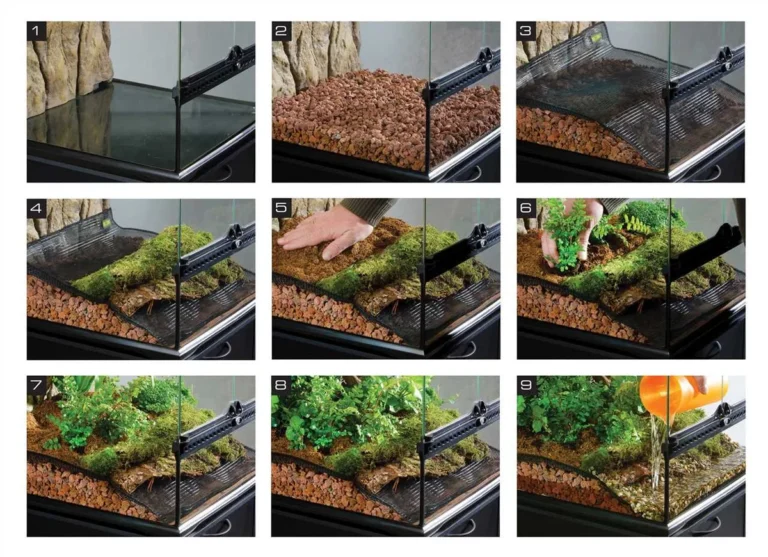
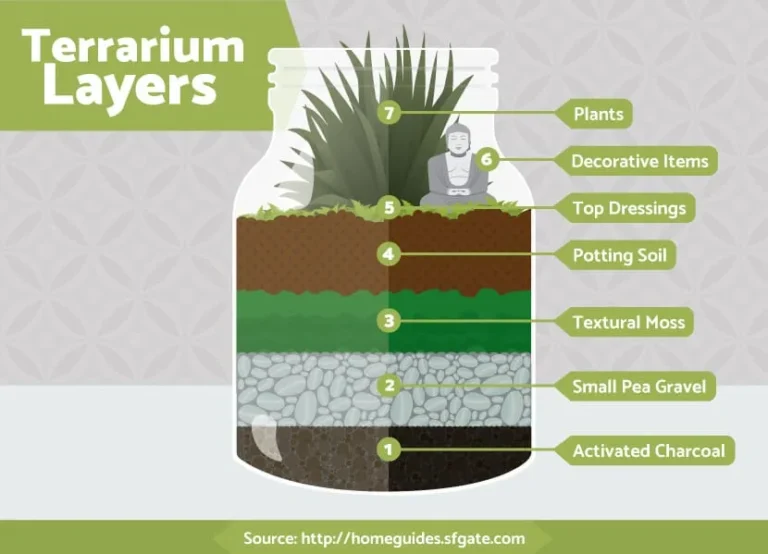
Setting Up Your Terrarium: Step-by-Step for Each Type
Building a successful terrarium requires following proven layering techniques. The foundation you create determines whether your plants thrive or struggle for months.

Step 1: Choose Your Container Based on Plant Needs
Before buying anything, decide whether you need an open or sealed vessel. Refer back to the decision tree questions we covered earlier. Pick a container with appropriate opening size for your chosen plants.
Wide-mouth containers work best for open setups. Tall jars or dome-shaped vessels suit closed systems better. Ensure the container has adequate depth for proper drainage layering.
Step 2: Build Your Drainage Layer
Add a 1 to 2-inch layer of drainage material at the bottom. Use expanded clay pellets, coarse gravel, orLECA. This prevents water from pooling around roots and creates an air pocket for oxygen exchange.
For closed terrariums, this layer becomes even more critical because excess moisture cannot escape easily. Never skip this step or substitute with fine materials that compress and block drainage.
Step 3: Add Activated Charcoal
Spread a thin layer of horticultural activated charcoal over the drainage material. This prevents bacterial buildup and keeps soil fresh longer in sealed environments.
Charcoal also helps filter impurities from water as it percolates through the layers. Use food-grade or aquarium-grade charcoal specifically labeled for plant use.
Step 4: Add Your Substrate Mix
Create a 2 to 3-inch layer of appropriate soil mix. Open terrariums need well-draining cactus or succulent mix. Closed terrariums benefit from peat-based or coconut coir mixes that retain moisture without becoming waterlogged.
Sterilize soil before use if you are working with garden soil. Bagged potting mixes are typically pre-sterilized and safer for indoor use.
Step 5: Plant Your Selection
Use long tweezers or chopsticks to position plants carefully. Dig small holes in the substrate and gently place roots inside. Firm soil around stems without compacting it tightly.
Arrange taller plants toward the back or center. Place trailing or ground-cover species near edges where they can cascade naturally. Leave adequate spacing for mature growth.
Step 6: Initial Watering Strategy
Open terrariums need moderate watering immediately after planting. Water until it drains freely from the bottom. Wait for complete drainage before returning to display location.
Closed terrariums require careful initial watering. Add small amounts of distilled or filtered water until substrate is moist but not soggy. Remember that you can always add more but cannot easily remove excess.
Step 7: Add Lid and Observe
Place the lid on your closed terrarium or leave open setups uncovered. Position in appropriate lighting conditions for your plant species. Avoid direct sunlight which can过heat sealed containers rapidly.
Monitor condensation patterns daily for the first week. Adjust watering or lid positions based on what you observe rather than following a fixed schedule.
Read about terrarium lids, seals, and best materials to understand how different closure methods affect your ecosystem.
FAQs
Can you convert a closed terrarium to open, or vice versa?
Yes, you can transition between either type gradually. Move a closed setup to open by removing the lid permanently or switching to an open container after acclimating the plants. Reverse the process slowly by introducing a lid for short periods each day, then extending coverage over one to two weeks.
What happens if you put a succulent in a sealed jar?
Succulents rot quickly inside sealed containers because their tissues cannot tolerate constant moisture. Leaves turn yellow and mushy within days. Stems develop fungal infections that spread rapidly in stagnant humid air.
Move affected plants to open terrariums immediately. Trim away any rotting tissue with sterilized tools before repotting into fresh dry soil mix.
Do closed terrariums really never need water?
Once balanced, sealed systems recycle water indefinitely through evaporation and condensation cycles. Initial watering establishes that loop. Afterward, top-offs may only happen once every month or two depending on temperature and light conditions.
Watch for dry glass surfaces as your cue. Light misting restores balance without oversaturating the substrate.
Are open terrariums better for pet owners?
Open designs reduce humidity-driven mold risks that could affect sensitive animals. Many popular succulents and cacti species also appear on ASPCA non-toxic plant lists for cats and dogs.
Verify toxicity status for any tropical species before placement. Some high-humidity loving plants carry higher poison risks for curious pets.
Can you grow food or herbs in either type?
Compact herbs like mint, thyme, and chives tolerate container restrictions reasonably well. Leafy greens succeed in larger open terrariums with adequate light. Fruit-bearing varieties typically exceed available space and light requirements inside standard glass vessels.
Consider outdoor raised beds for serious edible gardening projects. Indoor herb terrariums work best as decorative kitchen accents rather than primary food sources.
Your Final Decision Guide: Pick Your Pairing and Start Building
Making the right choice comes down to matching three factors: plant species, home environment, and maintenance willingness. Follow this simple decision path before purchasing anything.
Identify your plant first. Look up its native habitat and humidity preferences. Then assess your room conditions using a hygrometer if available.
Finally, evaluate how much weekly care you realistically want to provide.
Arid plants plus dry rooms plus moderate care equals open terrarium success. Tropical plants plus humid rooms plus minimal care equals closed terrarium satisfaction.
Start small with one container type to learn its rhythms. Once comfortable, expand your collection using knowledge gained from initial experience. Each terrarium teaches you something new about humidity, light, and plant behavior.
The difference between success and failure comes down to one decision made before planting begins. Choose the right container for your plant, not the other way around. Your future self will thank you when those green companions outlive their initial housing arrangements by months or even years.