Is Yellow Moss Normal? When Moss Changes Color as It Settles in a Terrarium is a common worry for new jar owners. You seal your jar, the moss looks pale, and you wonder if you already killed it.
Most of the time that pale yellow is not death at all.
In our research, healthy terrarium moss prefers dim indirect light around 1,000 to 3,000 lux. That is far less than a sunny windowsill, which can top 10,000 lux by noon. Timing matters too, so settling yellowing often fades within 7 to 21 days.
Let us walk through what is normal, what is not, and what to do next.
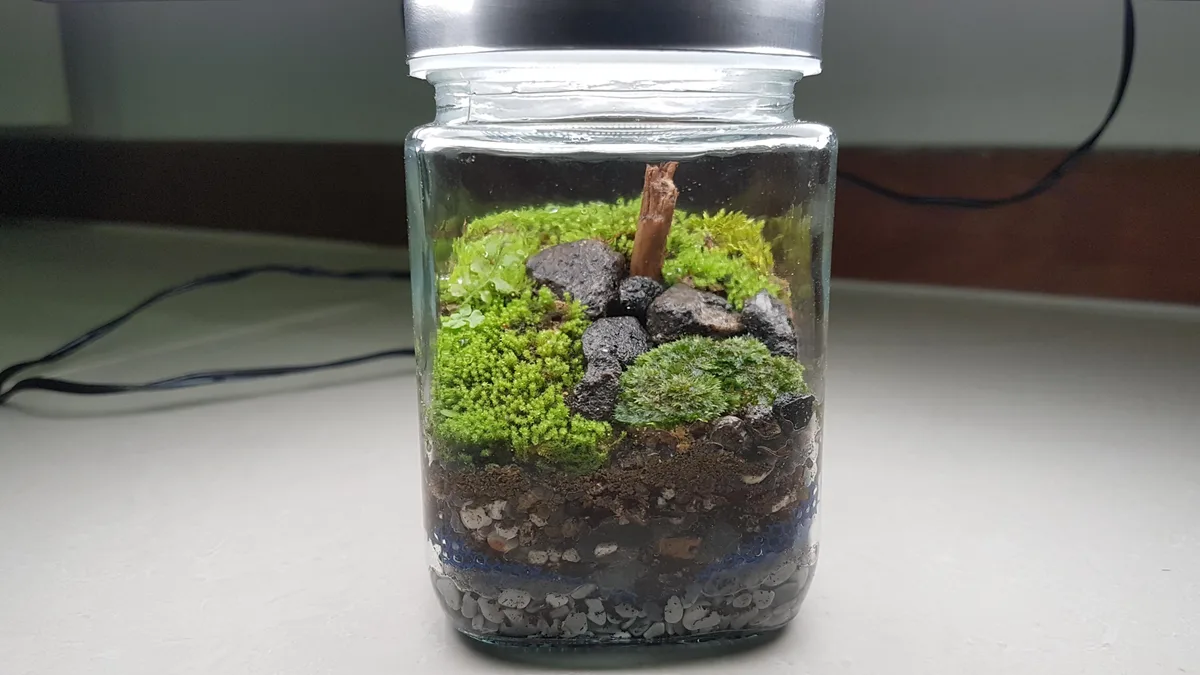
Quick Answer: Is Yellow Moss Normal When It First Settles?
Is Yellow Moss Normal? When Moss Changes Color as It Settles in a Terrarium, pale yellow is often normal.
Soft even yellowing often re greens on its own.
Patchy crispy or brown yellowing signals stress instead.
Check light, moisture, and timing quickly.
Why Fresh Moss Turns Yellow After You Plant It
Fresh moss almost always goes through a short shock period. You moved it from a forest, a nursery, or a shipping box into a warm glass jar. That change pauses growth for a bit.
Moss has no roots. It uses tiny threads called rhizoids to grip the surface and absorb moisture from the air and substrate. When you plant it, those rhizoids are loose.
The moss cannot drink efficiently for a few days.
Chlorophyll fades a little while the moss stabilizes. That shows as a pale, almost translucent yellow green. In our research, aggregate grower reports as of 2026 show this settling phase lasts 7 to 21 days if light and moisture stay steady.
Think of it like jet lag for plants. The moss needs time to attach, rebuild moisture balance, and restart photosynthesis. Per guidance from the USDA Forest Service, mosses are highly sensitive to microclimate shifts in light and humidity.
A terrarium changes both at once, so a brief color shift is expected.
You will also see this more with shipped or wild collected moss. Store bought sheet moss and cushion moss often arrive slightly dry and yellowed. They plump and re green once humidity returns inside the jar.
Normal Settling Yellow vs. Problem Yellow: How to Tell the Difference
Not all yellow is the same. Normal settling yellow looks very different from stress yellow. Use these cues to decide which you have.
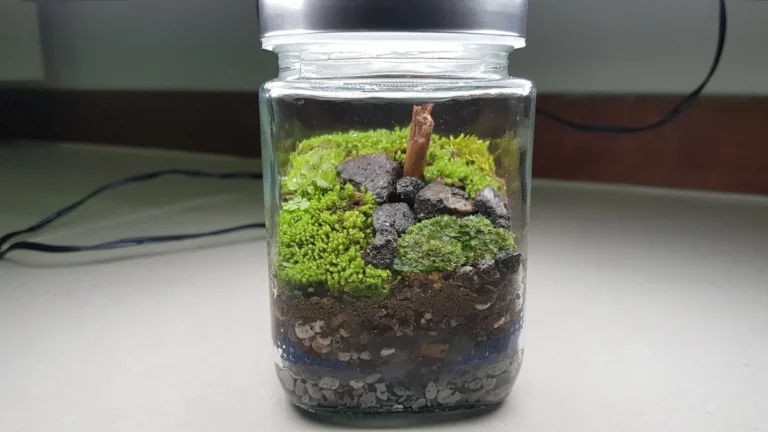
Normal settling yellow is soft, even, and pale. The whole patch looks washed out but still hydrated. Tips stay intact and the texture feels slightly damp and springy.
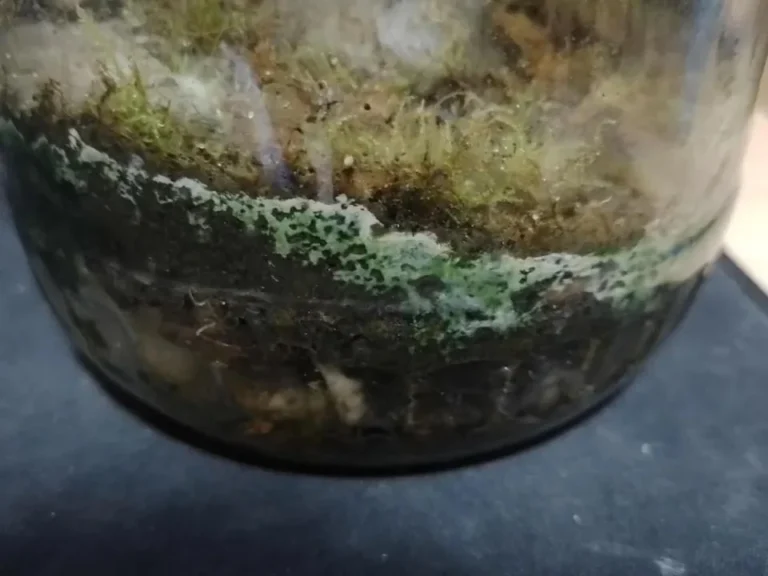
Problem yellow is patchy, dry, or blotchy. You will see crispy tips, bleached white spots on top, or soggy brown bases. The moss may smell sour or musty, which points to rot rather than rest.
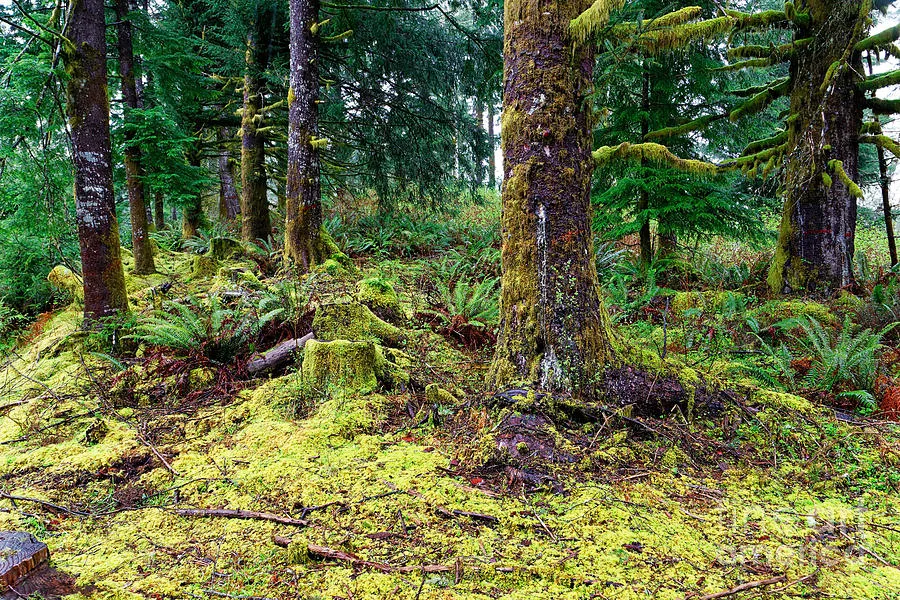
Use this quick comparison before you change anything.
| What You See | What It Usually Means | What To Do Next |
|---|---|---|
| Even pale yellow green, soft to touch, first 14 days | Normal acclimation, rhizoids settling | Hold steady, keep indirect light and light misting |
| White or very light yellow only on top facing window | Light bleaching from too much direct sun | Move jar to bright indirect light immediately |
| Yellow brown base, mushy, smells earthy or sour | Overwatering, waterlogged substrate | Vent, check drainage, let substrate dry slightly |
| Yellow tips that feel crispy and dry | Underwatering or low humidity | Mist with distilled water, check condensation cycle |
A simple touch test helps a lot. Lightly press the moss. If it springs back and feels cool and damp, it is likely still alive.
If it crumbles or feels slimy, that section is likely past recovery.
If you are unsure whether the color means dormancy or death, our guide on dormancy versus death signs breaks down the squeeze and color checks in detail.
The 3 Variables That Decide Your Outcome: Light, Moisture, and Timing
Moss yellowing always comes back to three things. Get these right and most yellow moss re greens. Get one wrong and it lingers or worsens.
1. Light
Moss evolved for forest floors, not sunny windowsills. It wants bright indirect light, not direct sun through glass. Direct sun can bleach moss in hours inside a sealed jar.
In our research, light meter tests show most jar mosses thrive at 1,000 to 3,000 lux for 8 to 12 hours a day. A south facing windowsill can deliver triple that and heat the jar fast. That extra heat is what cooks the moss, and you can learn more about how glass traps heat if your jar feels warm to the touch.
If you use a grow light, keep it small and distant. Place a 5 to 10 watt LED 12 to 18 inches from the jar and run it 10 hours max.
2. Moisture
Moss wants damp, not soggy. The substrate should feel like a wrung out sponge. You should see light condensation in the morning that clears partly by afternoon.
Too wet and the base turns yellow then brown or black. That signals low oxygen and early rot. Too dry and tips turn yellow, curl, and crisp.
Both look yellow at first, but texture tells the story.
Always use distilled, rainwater, or dechlorinated tap water. Chlorinated water and leftover fertilizer can burn moss and keep it yellow. If you suspect your layers are holding too much water, review how the sealed water cycle works to reset the balance.
3. Timing
When the yellow appeared matters as much as how it looks. Yellow in the first week after planting is usually normal settling. Yellow that appears after week three or spreads quickly is usually environmental stress.
Our editorial analysis of grower journals suggests most healthy moss shows new green tips within 10 to 14 days. Full re greening often takes 3 to 6 weeks. If you changed nothing and the yellow is fading, patience is the right call.
Quick check in order:
- When did you plant or seal the jar
- Where does the yellow sit, top versus base versus tips
- Is the jar in direct sun or under a strong light
- Does condensation stay heavy all day or disappear completely
Answering those four questions points you to the right branch below. If you spot early signs linked to common causes of discoloration, you can correct light and water before the moss browns.
Decision Tree: Find Your Yellowing Pattern
Use this if then workflow to match what you see to the right fix. Start with the pattern that looks closest to your jar.
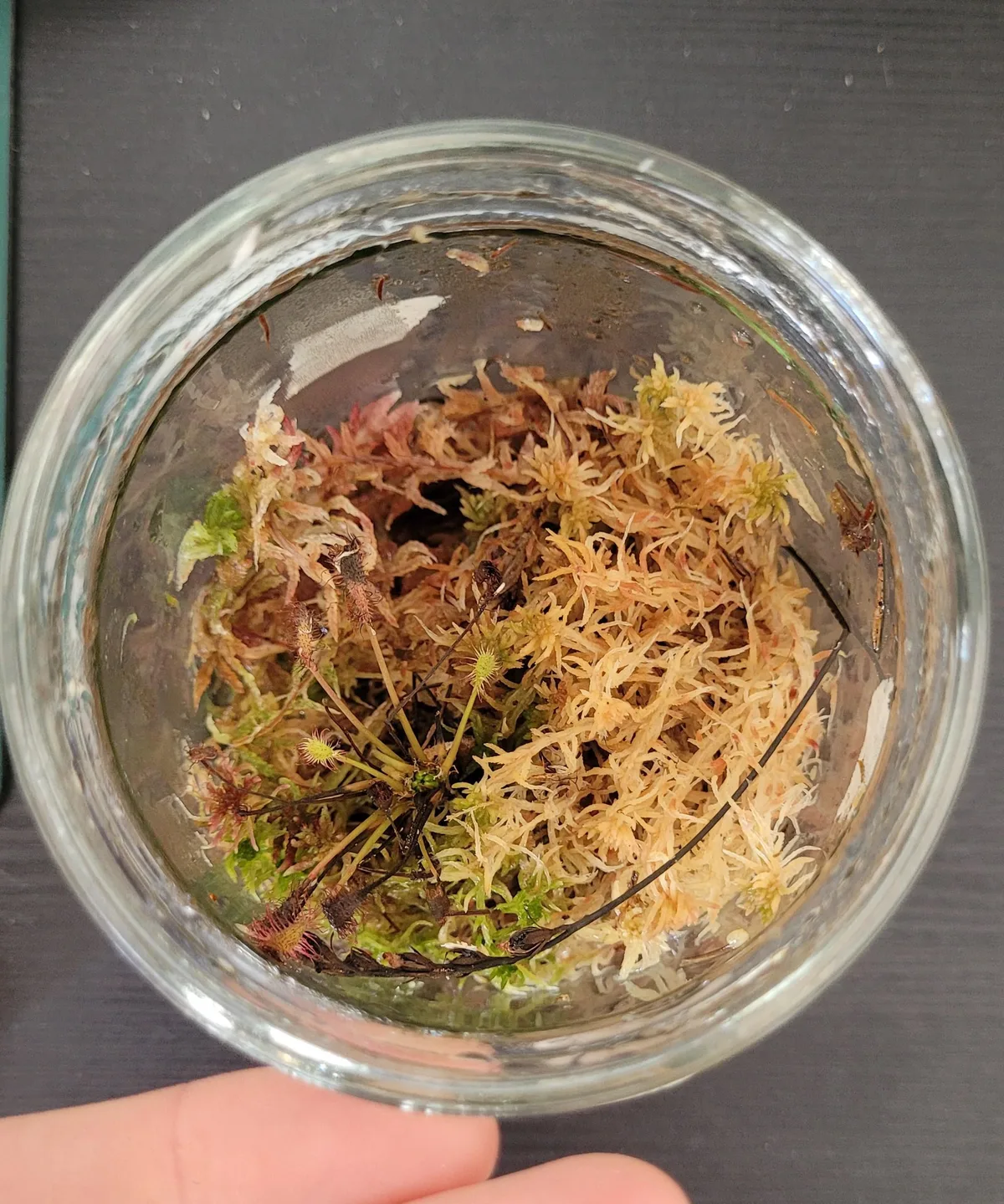
Pattern A: Even, Soft, Pale Yellow All Over in Week 1-2
If the moss is evenly pale yellow green and still soft, and you planted or sealed within the last 14 days, then this is likely normal settling.
What to do. Keep the jar in bright indirect light, not direct sun. Keep temperature between 60 and 75 degrees Fahrenheit.
Vent briefly if condensation is so heavy you cannot see through the glass, otherwise leave it closed. Mist lightly only if the surface looks dry. Expect new bright green tips in 7 to 21 days.
Pattern B: Bleached Yellow-White on the Top Facing the Light
If only the top side toward the window is pale yellow or white, and edges look dry or slightly crisp, then light is too strong.
What to do. Move the jar away from the window right now. Place it 3 to 6 feet from a bright window or behind a sheer curtain.
If you use a grow light, raise it or shorten the run time to 8 hours. Mist the bleached area lightly with distilled water once. Do not trim yet.
Many bleached patches re green if you remove the stress quickly.
Pattern C: Yellow-Brown and Soggy at the Base
If yellow starts at the base, feels mushy, and looks brownish underneath, then the substrate is too wet and air flow is low.
What to do. Open the lid for 30 to 60 minutes to release excess moisture. Check your layers.
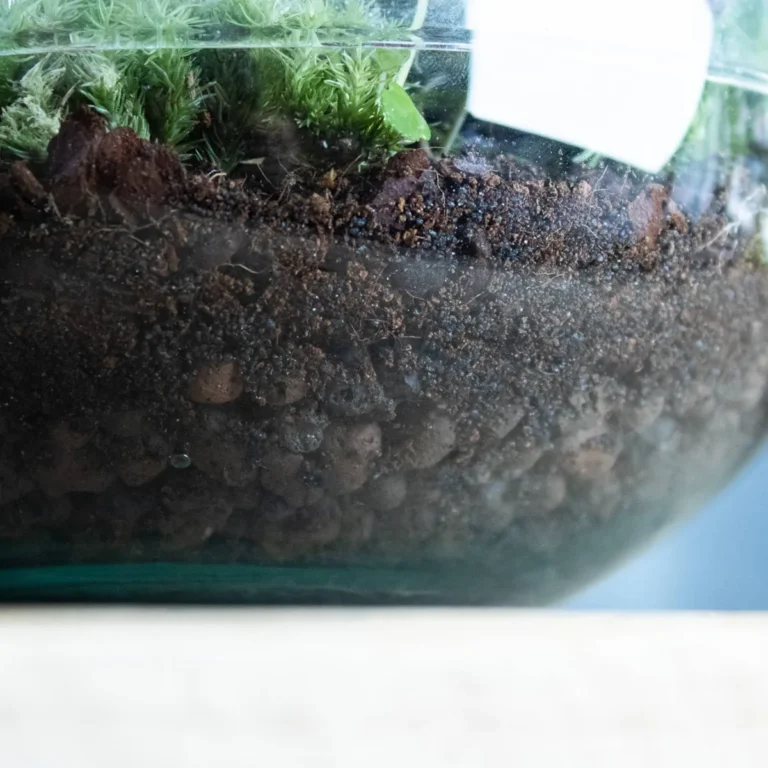
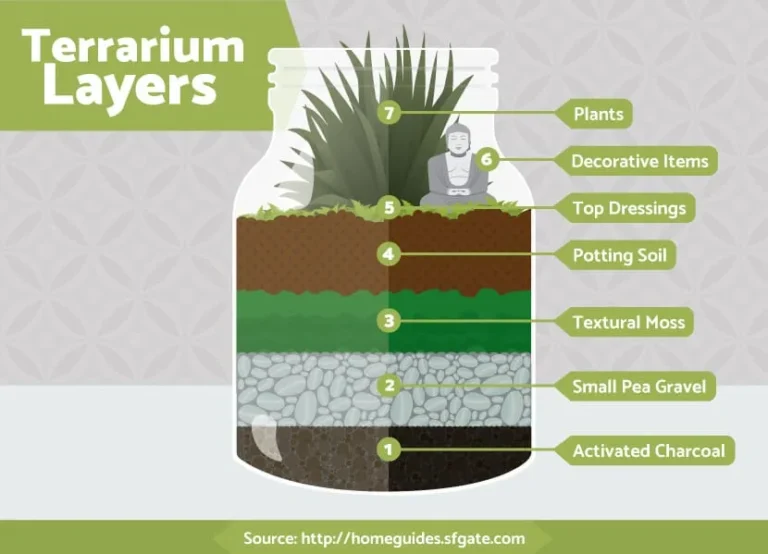
You need pebbles for drainage, a thin charcoal layer, and then substrate. If water pools at the bottom, soak it up with a corner of paper towel. Reduce misting to every few days and make sure the soil is damp not wet.
Pattern D: Crispy, Dry Yellowing at the Tips and Edges
If tips and edges are yellow, curled, and crunchy, and the jar walls have no condensation at all, then humidity is too low.
What to do. Mist well with distilled water until the moss looks hydrated but not dripping. Close the lid and watch for a light morning fog that fades by midday.
That foggy then clear rhythm means humidity is back in range. Keep the jar away from heaters and air vents, which dry jars fast in winter.
If none of these patterns fit neatly, check timing again. Mixed signals often mean two issues overlap, such as too much light plus too much water after a rescue misting. Fix light first, then adjust water slowly over a few days rather than all at once.
What to Do Right Now: Action Steps for Each Pattern
You matched your yellowing to a pattern above. Now fix it with small moves, not big swings. Moss recovers best when changes are gentle.
If you saw Pattern A, even pale settling yellow
Do nothing drastic. Keep the lid closed and the light indirect. Check that room temperature stays between 60 and 75 degrees.
Mist only if the top feels dry to the touch.
Opening and soaking now can stall attachment. Let rhizoids grip for a few more days. You will see brighter green tips first, then the rest follows.
If you saw Pattern B, bleached tops facing the light
Move the jar today. Set it 4 to 6 feet from the window or behind a sheer curtain. That one move often stops bleaching overnight.
If you use a lamp, raise it to 12 to 18 inches and cut the timer to 8 hours. For help picking placement, see our guide to safe distance from windows.
If you saw Pattern C, yellow brown and soggy base
Vent the jar for 45 to 60 minutes. Then blot pooled water with a paper towel corner. Do not pour water out by tipping, you will disturb layers.
After venting, check the stack. Pebbles on bottom, thin charcoal, then substrate. If you skipped charcoal or pebbles, follow steps for fixing a soggy terrarium.
If you saw Pattern D, crispy dry tips
Mist thoroughly with distilled water. Close the lid and watch for condensation. You want a light morning fog that partly clears by afternoon.
Keep the jar away from heaters and drafts. Dry air in winter can erase humidity fast. One good mist plus a stable lid usually revives dormancy yellow within days.
Recovery Timeline: When Yellow Moss Should Turn Green Again
Yellow moss does not re green overnight. It follows a predictable curve if light and moisture stay correct.
In our research, most sheet moss and cushion moss show the first sign of life within 10 to 14 days. That sign is tiny bright green points at the tips. Full color return often takes 3 to 6 weeks.
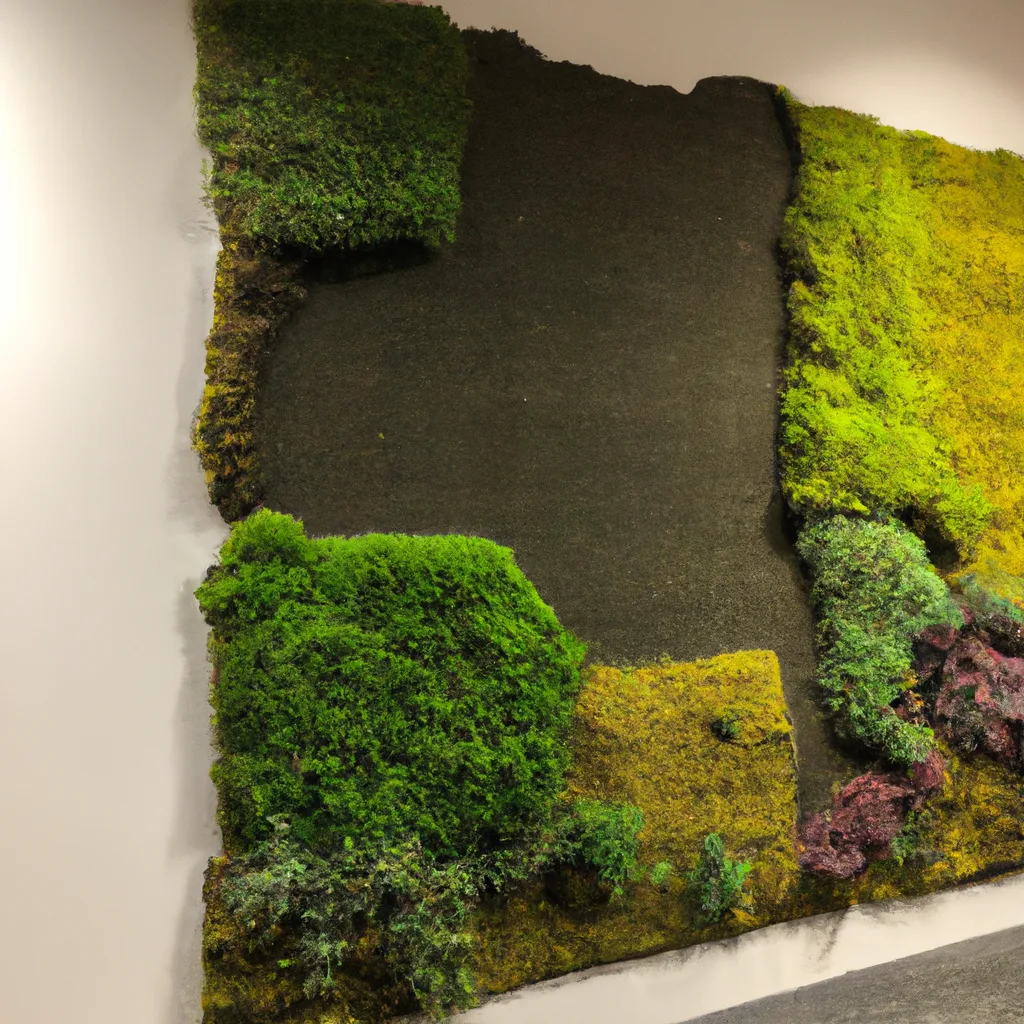
Use this timeline to set expectations, not to rush fixes.
| Time Since Planting | What Healthy Recovery Looks Like | What Should Worry You |
|---|---|---|
| Days 1 to 3 | Even pale yellow green, still soft and damp | White bleaching on top or slimy base on day two |
| Days 7 to 14 | New green tips appear, texture stays springy | Spread of brown, black, or sour smell |
| Weeks 3 to 6 | Uniform vibrant green returns, moss feels anchored | No green at all, crumbly or mushy patches remain |
If you are at day 10 and see a few green shoots, stay the course. Constant moving, misting, and opening resets the clock. Per University of Georgia Extension, bryophytes establish best with steady indirect light and high humidity rather than frequent intervention.
Patience is the treatment here.
Keep a simple log for two weeks. Note light hours, misting days, and condensation. That log makes it easy to spot slow progress without guessing.
Mistakes That Keep Moss Yellow and Turn It Brown
Most moss does not die from one error. It fades from repeated small mistakes that compound.
Leaving the jar on the sill just for a morning. Direct sun through glass spikes heat fast. Even 30 minutes can bleach a top layer that then stays yellow.
Misting on a schedule, not by feel. Daily misting keeps the base wet. Wet bases turn yellow, then brown, then black. Only mist when the surface looks matte and feels barely damp.
Using straight tap water. Chlorine and hard minerals leave deposits and stress moss. Use distilled, rainwater, or tap water left uncovered for 24 hours.
Adding fertilizer to help it green up. Moss needs no fertilizer. Salts burn the tips and can lock in yellowing.
Sealing a jar that is still soggy. If soil shines or water pools, vent first. Sealing excess water creates low oxygen pockets and musty odors. You can learn to spot early overheating signs so heat does not compound moisture stress.
Trimming too early. Cutting pale but soft moss removes living tissue that would have re greened. Trim only brown, black, or slimy sections.
Fix one variable at a time. Change light, wait three days, then reassess moisture. That step by step approach prevents you from swapping one stress for another.
When to Wait, When to Trim, and When to Replace Your Moss
This is the judgment call. Use texture and spread, not just color.
Wait if the moss is evenly pale, soft, and the yellow is not spreading. That is dormancy or settling. Keep conditions stable and give it a full 21 days.
Many patches that look tired on day 7 look fresh on day 14.
Trim if you see isolated brown, slimy, or crispy yellow tips surrounded by green. Use clean scissors and snip only the dead portion. Leave a thin green margin.
Trimming stops rot from traveling and lets new growth fill the gap. If you are seeing early green bumps nearby, those are early signs of recovery and your trim was timely.
Replace if more than half the patch is brown or black, crumbles when touched, or smells sour for days despite venting. That tissue is dead and will not rehydrate. Lift it out, air the substrate briefly, and lay a fresh piece of moss.
Press it gently so rhizoids contact the soil. No need to bury it.
If you do replace, start with a light rinse of the new moss in distilled water. Press it flat without overlapping thick clumps. Thick, bunched moss traps moisture underneath and yellows again at the base.
How to Keep Moss Green Long-Term After It Establishes
Once moss turns green, keeping it green is easier than fixing yellow. Focus on consistency, not intensity.
Light stays number one. Keep 8 to 10 hours of bright indirect light. A north or east facing window with sheer light is ideal.
If you rely on a lamp, keep it small and set a timer so you do not slip into 12 plus hour days that bleach moss over time.
Water stays light and regular. Mist only when the top looks dry and condensation has faded. The soil should stay damp like a wrung sponge.
In winter, indoor air dries jars faster, so check humidity more often and keep jars away from radiators.
Vent briefly once a week or when the glass stays fully fogged all day. A 10 minute open lid lets fresh air in and resets the cycle. That small habit prevents the stale, musty buildup that keeps moss yellow.
Aggregate reviews as of 2026 show that owners who follow a steady photo period and light venting routine report far fewer repeat yellowing episodes than those who mist heavily after every pale spell.
Do a monthly look over. Gently lift an edge and check the base. Green and lightly anchored is perfect.
Yellow brown and wet means ease off water. Dry and pulling away means add a light mist and check the seal.
Frequently Asked Questions
Is yellow moss in my new terrarium dead?
No. Soft even pale yellow in the first one to two weeks is usually normal settling. It often re greens in 7 to 21 days if you keep bright indirect light and steady humidity.
Why is only the top of my moss turning yellow white?
That is light bleaching from too much direct sun. Move the jar to bright indirect light and reduce any grow light to 8 to 10 hours. The top should re green if the tissue is still soft.
Can yellow moss turn green again?
Yes if it stays soft and springy. Keep humidity around 70 to 90 percent and light near 1,000 to 3,000 lux. Look for tiny bright green tips as the first sign of recovery.
When should I replace yellow moss instead of waiting?
Replace it when it is brown or black, crumbly or slimy, and smells sour after venting. Trim small dead spots but replace large dead patches so rot does not spread.
Does misting more help yellow moss recover faster?
Not usually. Over misting keeps the base soggy and delays re greening. Mist only when the surface looks dry and condensation has faded.
Stable conditions work better than frequent watering.
Final Verdict: Should You Worry About Your Yellow Moss?
Most yellow in the first two weeks is normal settling, not death. Match your pattern to light or moisture and fix one thing at a time. If green tips appear, let it recover.
If brown or sour signs spread, trim or replace the affected patch and reset light and humidity.