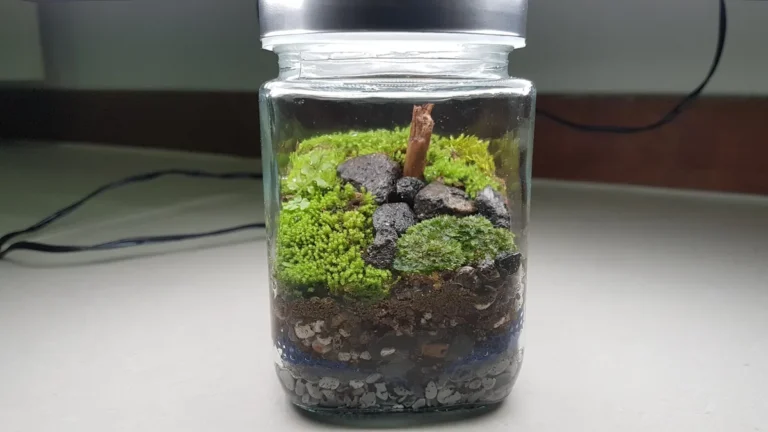
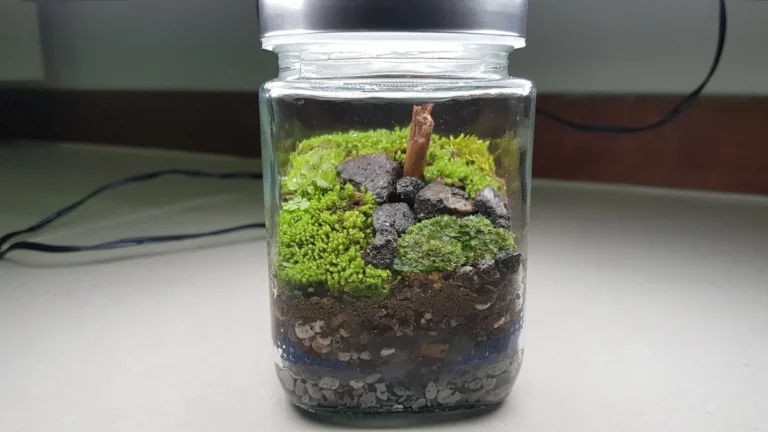
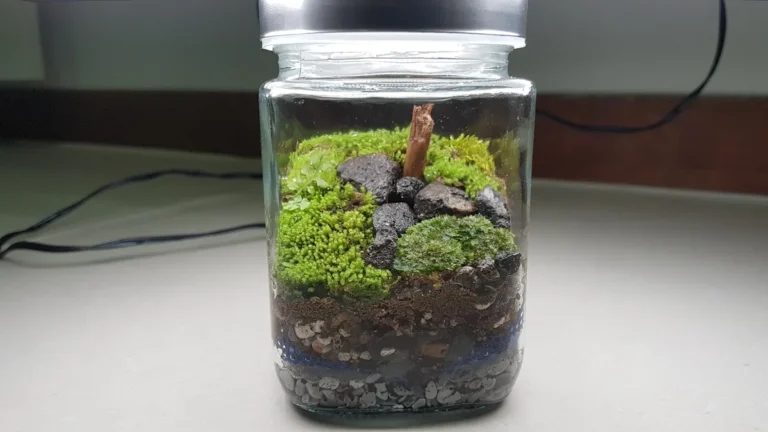
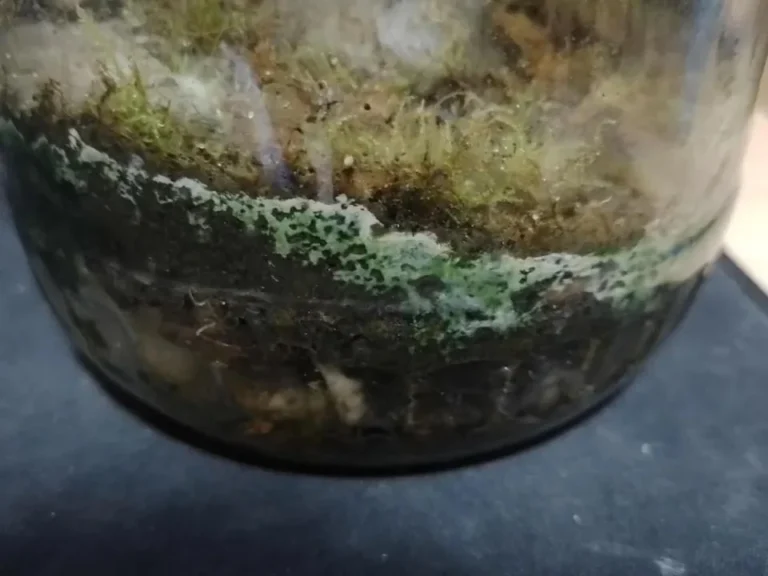
The ‘Any Soil Works’ Lie: What the Internet Gets Wrong of a Terrarium is costing beginners their builds. You scoop garden soil or leftover potting mix into a jar, plant some ferns and moss, seal the lid, and it looks perfect for a week. Then the glass fogs constantly, the soil turns black and sour, and your plants rot from the roots up.
In our research that failure pattern shows up again and again. A true terrarium substrate needs to stay light and airy for 12 to 24 months inside glass, yet dense garden soil can compact and go anaerobic in just 2 to 4 weeks. As of 2026 the Atlanta Botanical Garden standard known as ABG mix is still the benchmark for getting that structure right.
Let’s unpack why that standard matters and what most online advice misses.
The “Any Soil Works” Lie: Why This Advice Keeps Killing Terrariums
That line spreads because it sounds practical and thrifty. Someone on a forum says they used backyard dirt and it worked, so you assume any bagged mix will work too. Houseplants are forgiving in pots with drainage holes, so the leap feels logical.
A terrarium is not a pot. It is a sealed or semi sealed glass ecosystem with no drain. Water cannot escape, air moves very differently, and microbes break down organic matter in a tight loop.
In our research aggregate reviews report the same outcome, plants yellow, mold blooms, and what causes that rotten egg odor appears within weeks when dense soil is used.
You will see three common versions of the myth online:
- “Use any potting soil you have at home”
- “Garden soil is more natural so it must be better”
- “Soil is just to hold the plant up”
All three ignore how glass changes water and air. Soil is not just an anchor, it is your drainage system, your air supply to roots, and your biological filter. Get it wrong and the whole tiny ecosystems stay balanced concept collapses.
Quick Answer
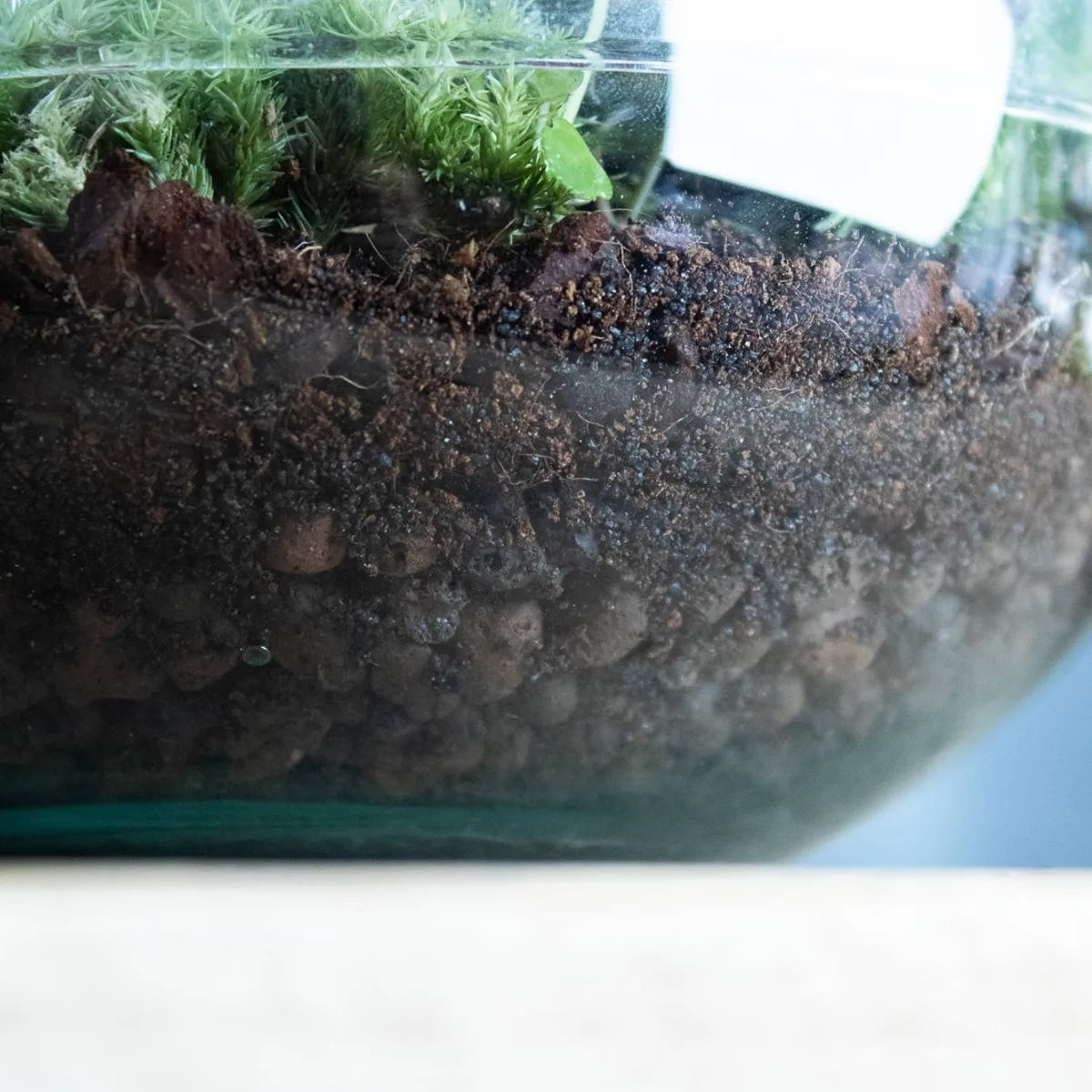
No, any soil does not work in a terrarium jar. Closed terrariums need a light, airy mix. Garden soil compacts quickly and traps water.
Standard potting soil stays too wet and rots. ABG mix prevents waterlogging and keeps roots healthy.
Why a Terrarium Isn’t a Houseplant Pot: The Perched Water Table Problem
Why does soil that works on a windowsill fail in a jar? The first sentence answer is simple. In a pot water drains out, in glass it has nowhere to go and forms a soggy layer at the bottom.
That soggy layer is called a perched water table. Even in a well mixed soil a saturated zone sits at the bottom of any container without a drainage hole. In a houseplant pot that zone is small and dries quickly.
In a terrarium it stays wet for days, and roots sitting in it run out of oxygen.
Per the U.S. Department of Agriculture guidance on container soils, structure and pore space matter more than fertility for root health. In glass that is critical, because you cannot flush excess water or tip the jar to drain it.
A soil that feels fluffy in the bag can still perch too much water once it is enclosed and constantly humid.
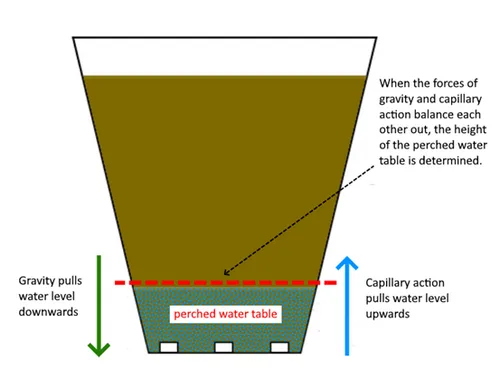
Here is how the two containers differ:
| Feature | Houseplant Pot with Drainage | Sealed Terrarium Jar |
|---|---|---|
| Where water goes | Drains out the bottom hole | Stays inside and cycles |
| Air at roots | Replenished as water drains | Limited, depends on substrate pores |
| Soil drying | Dries between waterings | Stays damp for weeks |
| Consequence of dense soil | Slower growth, but survives | Anaerobic rot and sour smell |
That is why terrariums need a false bottom or drainage layer of LECA or gravel, plus a substrate that holds moisture without staying soggy. You can learn how water cycles in a sealed jar to see why even a little overwatering lasts so long. And why glass traps heat so fast explains why wet, warm soil goes anaerobic even faster near a window.
Bottom line, you are not potting a plant. You are building a miniature forest floor in glass. Dense soil suffocates it.
What Makes a Terrarium Substrate Work: Aeration, Drainage, and Structure That Lasts
A good terrarium substrate does three jobs at once. It holds enough water for mosses and ferns, it lets air reach roots, and it keeps its structure instead of collapsing into mud.
Think of it as a sponge with the right size holes. Too few holes and water fills every gap. Too many large holes and it dries instantly.
You want a mix of fine particles that hold moisture and chunky particles that create air pockets.
In our research manufacturer specifications indicate the best blends share these traits:
- High air pore space that stays open after watering
- Fast drainage but steady moisture retention
- Low nutrient load to avoid fertilizer burn and algae
- Resistance to compaction for 12 months or more
- pH around 5.5 to 6.5 for tropical foliage
- No slow release fertilizer prills or moisture control gels
| Substrate Property | What to Look For | Why It Matters in Glass |
|---|---|---|
| Particle mix | Blend of fine and coarse, 1/8 to 1/4 inch chunks | Prevents compaction and holds air |
| Water behavior | Damp when squeezed, no drip | Mirrors forest floor moisture, not swamp |
| Nutrients | Lean, no added fertilizer | Prevents salt burn and bacterial blooms |
| Breakdown rate | Slow to decompose bark and charcoal | Keeps structure stable for months |
The classic example is ABG mix. The Royal Horticultural Society recommends similar soilless, bark based mixes for humidity loving plants because they balance moisture and aeration. That same logic is what keeps a closed jar fresh instead of musty, which is also how you can tell if the scent is still healthy.
If you remember one test it is this, healthy terrarium soil should feel like a wrung out sponge, not wet mud and not dry dust.
Option 1: Garden Soil and Topsoil: Why Backyard Soil Turns Anaerobic in Glass
Garden soil seems like the obvious free option. It grows big plants outdoors, so why not in a jar?
Outdoors that same soil has worms, wind, sun, and deep drainage to keep it breathing. In glass none of those exist. Garden soil is dense, finely textured, and packed with clay and microbes.
Per aggregate reviews it compacts within weeks, squeezes out air, and holds water like a brick.
Once air is gone, anaerobic bacteria take over. They break down organic matter without oxygen and produce hydrogen sulfide. That is the swampy, rotten egg smell that tells you roots are sitting in an oxygen free zone.
Plants show it as yellowing, black stems, and mushy roots.
Other risks with backyard soil include:
- Pest eggs, fungus gnat larvae, and nematodes that hatch in humidity
- Weed seeds that sprout and crowd the scape
- Manure or compost that spikes ammonia and foul odors
- Clay that seals into an almost waterproof layer
- Unknown pH and salt levels
You can sterilize it in an oven at 180 to 200 degrees Fahrenheit for 30 minutes to kill pests and seeds. Sterilizing helps with hitchhikers. It does not fix texture.
It is still dense and waterlogged in glass, and it will still compact. If you want to forage, use local leaf litter sparingly on top, not as the main substrate.
Option 2: Standard Potting Soil: Why It Compacts, Holds Too Much Water, and Burns Roots
Standard potting soil feels like the safe upgrade. It is fluffy in the bag and labeled for indoor plants, so a lot of videos pour it straight into terrariums.
The issue is what that bag contains. Most mixes are peat or coco coir plus fine bark, perlite, and slow release fertilizer. In a pot with drainage that is fine.
In a sealed jar it behaves differently.
Peat heavy mixes hold 3 to 4 times more water than a terrarium needs. They compress as they stay damp, lose air pockets, and become a saturated mat. Fertilizer prills then keep releasing salts in a closed loop with nowhere to flush.
Roots get chemically burned while sitting wet, a fast path to rot. Many mixes also contain wetting agents that keep them perpetually moist, which is the opposite of what you want when you are trying to avoid common watering slip ups.
You will notice the early warning signs quickly:
- Soil shrinks away from the glass when it finally dries, then repels water
- White fuzzy mold spreads for weeks, not just a few days
- Fungus gnats appear and stick to the glass
- Condensation never clears and the glass stays fogged
Soilless mixes for aroids or cactus lovers are closer, but they still need adjustment. If this is all you have, cut it 50 percent with extra perlite or pumice and orchid bark, and pick a bag without added fertilizer. Even then it is a compromise and will likely need refreshing within 6 to 9 months.
Option 3: ABG Mix and Proper Terrarium Blends: What the Atlanta Botanical Garden Standard Gets Right
ABG mix is the benchmark that fixes everything garden soil and potting soil get wrong. It is a soilless, chunky blend created for the Atlanta Botanical Garden to grow tropical plants in high humidity glass. In our research it is the most consistently recommended substrate for closed terrariums as of 2026 because it stays airy where dense soils collapse.
The mix is not soil at all. It is a blend of long lasting organic and mineral parts that hold moisture on their surfaces while leaving air gaps between them. That structure is why roots stay oxygenated and microbes can cycle nutrients slowly instead of rotting.
You get damp, not soggy, and fresh instead of sour.
What’s Inside ABG Mix: Sphagnum, Orchid Bark, Tree Fern Fiber, Charcoal, and Perlite
The classic ratio is simple. It is 2 parts sphagnum moss to 2 parts tree fern fiber or coco coir to 1 part orchid bark to 1 part horticultural charcoal to 1 part perlite or pumice. Each piece has a job.
- Sphagnum moss holds steady moisture and resists rapid decay
- Tree fern fiber or coco coir adds fluffy structure and gentle retention
- Orchid bark creates large air pockets and slow breakdown
- Horticultural charcoal filters toxins and keeps the mix sweet
- Perlite or pumice adds permanent drainage and prevents compaction
You can buy it premade or mix it yourself. Aim for 2 to 4 inches of this blend above your drainage layer. It should feel springy when pressed and bounce back, not clump like mud.
Head-to-Head Comparison: Garden Soil vs Potting Soil vs ABG Mix
Which option is actually best for glass? ABG mix wins for closed terrariums, potting soil is a risky compromise, and garden soil fails fastest.
Use this quick comparison before you plant, not after you see mold.
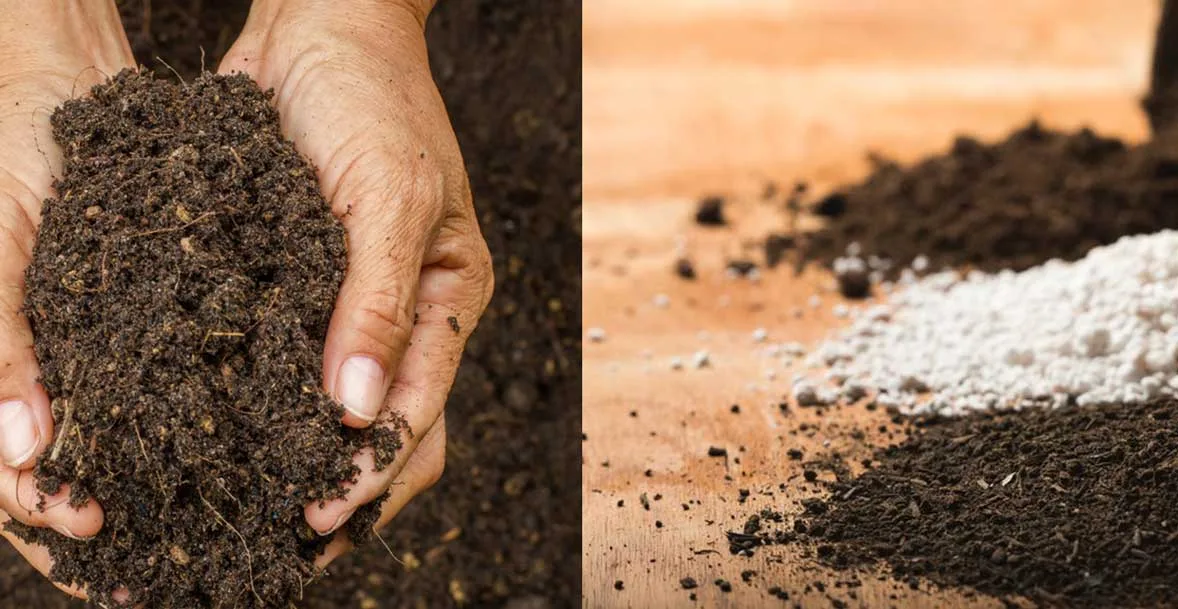
| Feature | Garden Soil / Topsoil | Standard Potting Soil | ABG Mix / Terrarium Blend |
|---|---|---|---|
| Drainage and air | Poor, compacts in 2 to 4 weeks | Moderate, then compacts | High, stays airy 12 plus months |
| Water behavior | Waterlogs, forms perched zone | Holds 3 to 4x too much water | Damp but drains, no soggy layer |
| Nutrients | Unpredictable, often too rich | Added fertilizer burns in jar | Lean and stable, slow cycling |
| Odor and rot risk | High, anaerobic and musty smell that lingers | Medium, mold and gnats common | Low, charcoal buffers pH and toxins |
| Pest and seed risk | High, gnats, worms, weed seeds | Medium, fungus gnats | Low, clean and mostly sterile |
| Best for | Never in sealed glass | Short term or cut 50 percent | Closed tropical jars and mossariums |
In our research aggregate reviews report ABG style blends show far fewer cases of root rot and persistent mold compared with dense soils. If you are choosing between similar bags, pick the lightest, chunkiest one without fertilizer, or just get a true terrarium mix.
Best Substrate for Your Setup: Closed Tropical Jar vs Mossarium vs Open Arid Terrarium
The right substrate changes with your container and plants. There is no single bag that fits every build, which is why the any soil advice is so misleading.
- Closed tropical jar with ferns, fittonia, peperomia. Use full ABG mix 2 to 4 inches deep over LECA and charcoal. This keeps humidity high without waterlogging and supports keeping moss green for months.
- Mossarium or bryophyte focus. Use ABG mix as base plus a thin top dressing of long fiber sphagnum. Moss wants constant damp contact, not deep soil, so keep the base lean and airy.
- Open arid bowl for succulents or cacti. Skip ABG. Use a gritty mix of 50 percent pumice or perlite to 25 percent coarse sand to 25 percent small bark or coco chips. It must dry quickly, and open glass still needs excellent drainage.
If you run a bioactive jar with springtails and isopods, ABG mix is ideal. The bark and charcoal give microfauna shelter and grazing surfaces while leaf litter on top feeds the cycle. Dense soil crushes those pores and the cleanup crew cannot thrive.
Mistakes That Still Cause Rot, Mold, and That Swamp Smell: Even With Good Soil
Good soil does not save a bad build. Even ABG mix will sour if you make these errors.
- Skipping the drainage layer. Without 1 to 2 inches of LECA or gravel water sits directly under the substrate and recreates the perched water table.
- Overwatering at setup. The substrate should be damp like a wrung out sponge, not dripping. If you can squeeze water out, it is too wet and you will spend weeks trying to rescue an overwatered jar.
- No charcoal. Charcoal adsorbs tannins and buffers waste. Without it tannins build up and odors linger.
- Sealing a soaking wet jar in warm light. Heat plus water pushes bacteria to multiply fast. Move it away from direct sun and vent briefly if glass stays fully fogged all day.
- Burying moss too deep. Moss has no roots. It needs to sit on top of damp substrate, not under it, or it will yellow.
If you see white fuzz in the first week, that is often saprophytic fungi eating fresh organics. It usually fades as the miniature water cycle settles. If the fuzz is thick and smells sour, the soil is staying too wet and needs air and less water.
How Much Should Terrarium Soil Cost and How Long Should It Last?
Terrarium soil is a small upfront cost that saves a full rebuild. As of 2026 pricing has stayed stable across US and UK sellers.
| Substrate Type | Typical Cost | Lifespan in Closed Glass | Refresh Needs |
|---|---|---|---|
| Garden soil | 0 dollars, from yard | 2 to 4 weeks before compaction | Replace entirely |
| Standard potting soil | 5 to 10 dollars per quart | 6 to 9 months, then slumps | Top up and fluff |
| ABG mix premade | 12 to 28 dollars per quart | 12 to 24 months | Replace top inch yearly |
| DIY ABG from bulk | 20 to 40 dollars for larger batch | 12 to 24 months | Mix once, builds several jars |
Think of lifespan, not bag price. A cheap bag that compacts in a month costs more when you have to restart and replace plants. A single quart of ABG mix builds one medium jar and often a small second one, and it stays functional for a year or more with just leaf litter and light pruning.
Pro Checks Before You Plant: The Squeeze Test, Sterilization, and Layering System
Do a quick check before you plant. First run the squeeze test. Moisten your mix, squeeze a handful, it should clump then crumble when poked.
If water drips out, it is too wet.
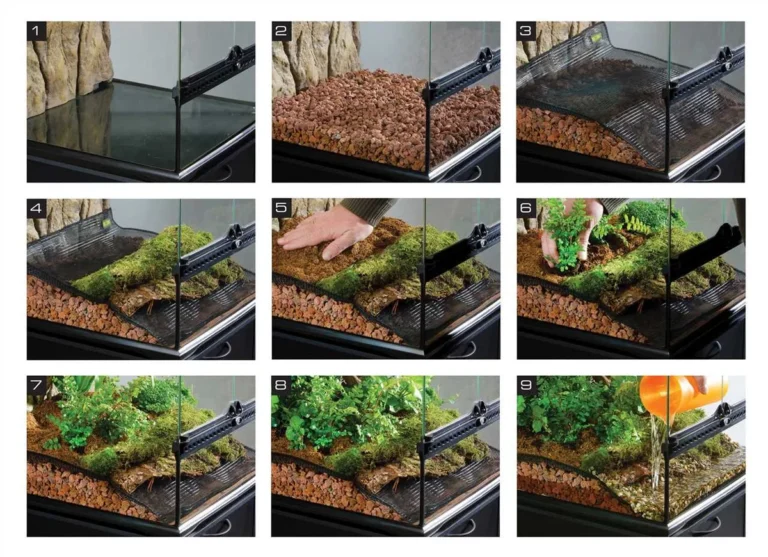
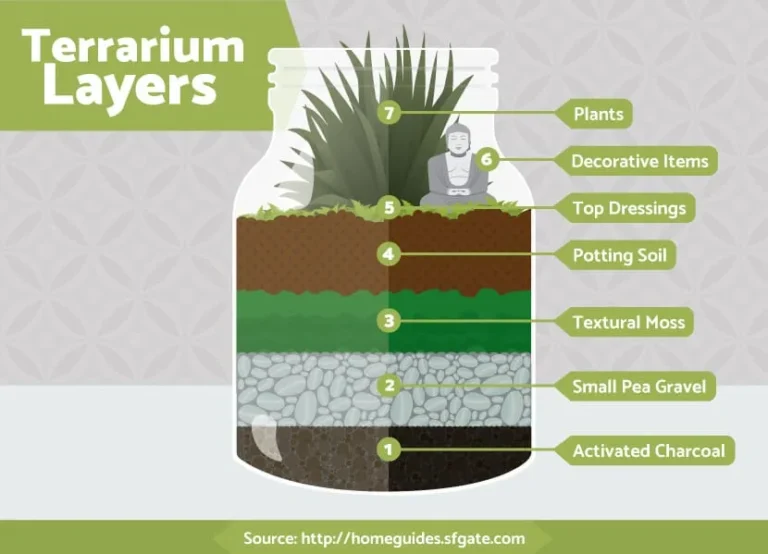
Then build the layers correctly. You need 1 to 2 inches of LECA or gravel, a mesh barrier, a thin charcoal layer, then 2 to 4 inches of ABG mix. This creates drainage below and air above.
Bake any foraged soil or leaf litter at 180 to 200 degrees Fahrenheit for 30 minutes to sterilize.
Frequently Asked Questions
Do you need charcoal in a terrarium?
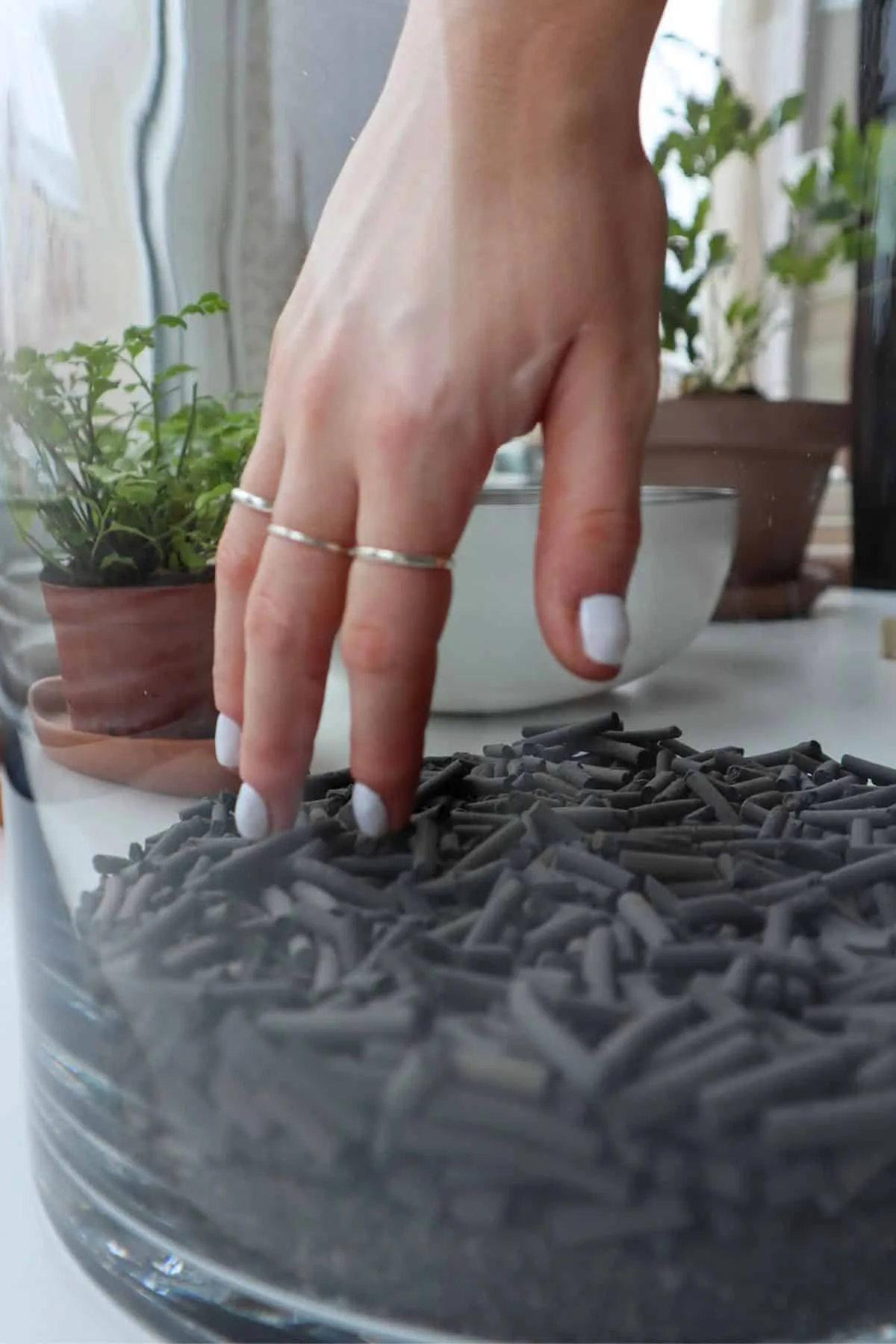
Yes for closed jars. Charcoal filters tannins and buffers waste between water cycles. You can skip it only if you use a lean ABG mix and water very lightly, but odor risk rises without it.
Can you sterilize garden soil and use it in a terrarium?
Sterilizing kills pests and seeds but does not fix texture. Garden soil stays dense and holds too much water in glass. It will still compact and turn anaerobic within weeks even after baking.
Can you fix bad soil without restarting the terrarium?
You can sometimes rescue it early if it still smells fresh. Vent for a day, remove soggy top soil, add perlite and bark to fluff it, and reduce water. If it smells sour or sulfurous, do a full restart.
How deep should terrarium soil be?
Aim for 2 to 4 inches of ABG mix above the drainage layer. That depth gives roots room and keeps the perched water table below the root zone. Shallow jars need less, large jars need more.
Final Verdict: Which Terrarium Soil Should You Actually Buy?
Buy ABG mix or a similar chunky terrarium blend for any closed tropical jar. It is the only option that stays airy, drains well, and supports stable cycling for 12 to 24 months. For open succulent bowls use a gritty pumice blend instead.
Skip garden soil entirely and only use standard potting soil if you cut it heavily with bark and perlite and choose a bag with no added fertilizer.