If you’ve ever opened a sealed container and been hit with that unmistakable sulfurous whiff, you’re dealing with an oxygen deficit in your substrate. That rotten egg smell comes from hydrogen sulfide gas, released when bacteria break down organic matter in an environment starved of air. It’s your terrarium‘s way of telling you the chemistry below the surface has gone wrong.
Fixing it means understanding exactly where and why those anaerobic pockets formed. Use airy soil recipe that prevents anaerobic zones.
A healthy terrarium smells like damp earth, the clean, forest-floor scent of aerobic decomposition. Anaerobic decomposition is different, and it only happens when water fills the air spaces between soil particles faster than they can drain or evaporate. Once oxygen drops below roughly 2, 3 percent, aerobic microbes slow down or die off, and sulfate-reducing bacteria take over.
Those organisms release hydrogen sulfide as a waste product. Humans can detect it at concentrations as low as 0.5 parts per billion, so even a small anaerobic zone can produce a strong odor quickly.
Quick Answer
Terrarium Smells Like Rotten Eggs: Anaerobic Zones Explained centers on a lack of oxygen in your substrate. Waterlogged soil, compacted layers, or poor drainage create pockets where aerobic microbes can’t survive. Sulfate-reducing bacteria fill that gap and release hydrogen sulfide gas, the rotten egg smell.
To fix it, ventilate the container, remove or replace the affected soil, and rebuild with a proper drainage layer and airy mix to restore airflow.
Why Your Terrarium Smells Like Rotten Eggs (And What It Means)
That rotten egg odor is a warning sign, not just a nuisance. It means the microbial community in your substrate has shifted from aerobic to anaerobic. Aerobic microbes use oxygen to break down organic matter, producing carbon dioxide, water, and harmless byproducts.
Anaerobic microbes skip oxygen and use other compounds like sulfate instead. Their waste includes hydrogen sulfide, methane, and various organic acids.
Hydrogen sulfide isn’t dangerous at the trace levels produced in a typical terrarium, but it does signal an environment that will harm plant roots and encourage mold growth. Left unchecked, the anaerobic zone expands upward, and the whole ecosystem can collapse.
Fixing the smell is straightforward once you identify which factor created the oxygen deficit in the first place. Different causes require different repairs, so a quick diagnostic walk-through will save you time and effort.
The Science Behind the Stink: How Anaerobic Zones Form
Soil isn’t solid. It’s a network of tiny pores that hold both water and air. Plant roots and aerobic microbes breathe through those air spaces.
When water enters faster than it leaves, it displaces the oxygen. The substrate moves from aerated to saturated to anaerobic.
Once oxygen falls below 2, 3 percent of the soil atmosphere, aerobic bacteria lose their competitive edge. Sulfate-reducing bacteria such as Desulfovibrio species begin dominating. They metabolize organic material using sulfate as an electron acceptor instead of oxygen.
The main byproduct is hydrogen sulfide gas.
In an open garden bed, that gas simply dissipates into the atmosphere. Inside a sealed or semi-sealed terrarium, it accumulates. The tighter the container and the smaller the ventilation, the faster odor builds to noticeable levels.
Warm temperatures speed up bacterial metabolism, so anaerobic conditions often establish faster in terrariums placed on warm shelves or near heat sources.
Overwatering is the most common trigger, but compaction and inadequate drainage are close behind. All three reduce pore space and trap moisture against the bottom of the container. Understanding which one applies to your setup determines the right repair path.
Your Diagnosis: A Decision Tree for Smelly Terrariums
Start by checking when the odor first appeared.
- Within weeks of building: The issue likely lies in your substrate choice or layering method.
- Months or years later: Something changed, probably overwatering, a dead plant, or a clogged drainage layer.
Next, open the lid and assess moisture.
- Pooling water or glistening wet soil? You have waterlogging. Pause watering and ventilate immediately.
- Dry surface but foul smell underneath? Compaction or a failed drainage layer is trapping moisture below.
- Normal condensation patterns yet still smelly? You may be missing activated charcoal or a functional detritivore population.
If you built the terrarium yourself, verify these four elements:
- At least one inch of drainage material (gravel, LECA, or perlite)
- A thin layer of horticultural-grade activated charcoal between drainage and soil
- Substrate depth no greater than three to four inches for a closed container
- A well-draining terrarium mix, not standard potting soil
Miss one or more, and that’s your likely culprit. Each scenario below walks through the targeted fix.
For context on common setup errors that lead to this kind of problem, see our guide on 5 terrarium mistakes beginners make and how to fix them.
If You Suspect Overwatering or Waterlogged Substrate
Overwatering is the most frequent cause of anaerobic conditions. Adding more water than the substrate can drain or evaporate creates a saturated environment where roots and beneficial microbes can’t breathe.
Right now, take these steps:
- Remove the lid and let the terrarium air out for 24, 48 hours in a well-ventilated spot with indirect light. Avoid direct sunlight while open, as glass can concentrate heat and damage plants.
- Check the condensation cycle. Light morning mist that clears by afternoon indicates balance. Heavy droplets that persist all day mean excess moisture.
- If the soil surface feels soggy, gently lift away the top half-inch to an inch of substrate. This layer is usually the most saturated. Set it aside and let the underlying soil dry before replacing it with a lighter, fluffier mix.
Prevent recurrence by adjusting your watering habits:
- Water sparingly. Use a spray bottle or a slow pour from a squeeze bottle rather than pouring directly from a cup.
- Let the condensation cycle guide you. As of 2026, experienced keepers treat visible condensation as the primary watering cue, not a fixed schedule.
- Remember that a properly balanced closed terrarium rarely needs additional water once established.
Our guide on 3 watering mistakes that kill terrariums and how to fix them covers common watering errors and how to establish a reliable moisture rhythm.
If You Suspect Compacted or Too-Deep Soil Layers
Compaction reduces the air spaces between soil particles, limiting oxygen flow to roots and aerobic microbes. Over time, repeated watering causes fine particles to settle into a dense mass that holds water tightly and resists drainage.
Excessive substrate depth creates a similar problem. In a closed terrarium, soil deeper than four inches forms a bottom zone far from any air exchange. Even with careful watering, that lower section can become oxygen-deprived simply because distance limits diffusion.
Watch for these signs:
- Water pools on the surface for hours after watering instead of soaking in within minutes.
- The soil crusts or cracks as it dries, forming a hard seal.
- New roots struggle to penetrate the upper layer.
- Odor intensifies when you probe a few inches below the surface.
To correct compaction or depth issues:
- Gently loosen the top two to three inches of soil using a small fork or chopstick. Create channels for air without disturbing existing root systems aggressively.
- If the layer is too deep, remove the bottom third and replace it with a lighter blend of sphagnum moss, coarse sand, and perlite to improve structure and porosity.
- Keep substrate depth to a maximum of three to four inches in sealed containers. Larger open terrariums can accommodate deeper soil because ambient airflow reaches further.
Understanding how container size influences appropriate soil depth can prevent this issue from returning. Our article on container size, how big should your terrarium be explains how volume, shape, and seal type affect substrate requirements.
If You Suspect Poor Drainage or a Missing Barrier
The drainage layer collects excess water and keeps it away from the root zone. Without an adequate layer, water pools against the soil base and wicks upward, maintaining saturation throughout the substrate.
A proper drainage layer is at least one inch thick and made of coarse, non-porous material such as gravel, LECA, or crushed lava rock. Particle size matters, pieces must be large enough to maintain open spaces for water flow. Fine sand or small pebbles clog quickly and provide minimal drainage benefit.
Inspect your drainage layer for these problems:
- Visible standing water at the bottom when you tilt the container.
- Soil washing downward and clogging the gaps between stones, turning the layer into muddy sludge.
- Absence of a physical barrier (mesh, fabric, or coarse sand) between drainage and soil, allowing leaching.
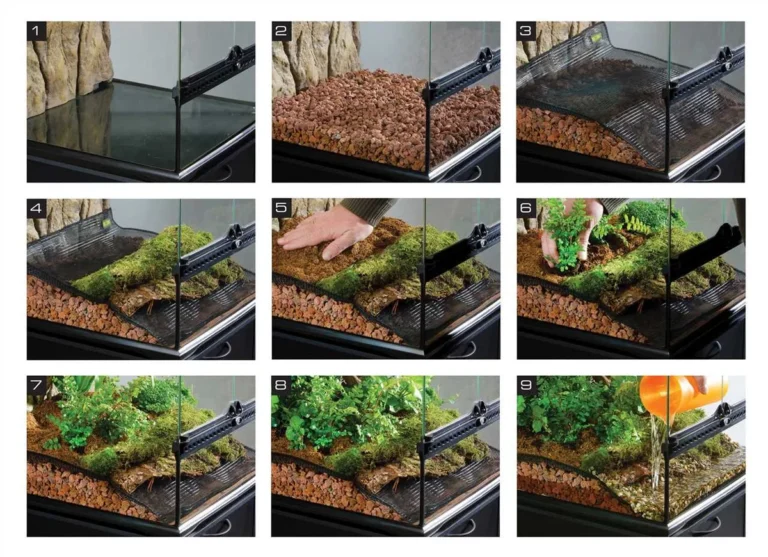
To repair a compromised drainage layer:
- Partially or fully empty the terrarium, depending on how severe the clogging is.
- Remove old drainage material and rinse thoroughly. LECA can be soaked and brushed; gravel should be rinsed until runoff runs clear.
- Replace with a fresh one-inch layer of clean, appropriately sized drainage medium. Add a barrier layer if one was missing originally.
Choosing the right container from the start also influences drainage effectiveness and long-term stability. Review our guide on terrarium container mistakes beginners make to avoid setup errors that compromise moisture management.

If You Suspect Missing Activated Charcoal or Detritivores
Activated charcoal and detritivores act as your terrarium’s biological and chemical filtration system. When either is absent or depleted, organic waste accumulates and breaks down anaerobically, releasing sulfur compounds and odors.
Activated charcoal is a thin layer of processed carbon placed between the drainage layer and the soil. Its highly porous surface adsorbs dissolved organic compounds, toxins, and microbial byproducts, preventing them from reaching harmful concentrations. It doesn’t block water flow; it buffers chemical buildup.
Detritivores, springtails, isopods, and other small organisms, physically break down dead leaves, root debris, and other organic matter. In a bioactive terrarium, they keep waste processing aerobic and efficient. Without them, decay slows and shifts toward anaerobic pathways.
Signs your filtration is insufficient:
- No visible springtails or isopods after several weeks of operation.
- Dead leaf litter and debris accumulating on the soil surface.
- Terrarium built without an activated charcoal layer.
- Odor returns quickly after cleaning, indicating weak biological buffering.
How to strengthen your filtration:
- Add a quarter- to half-inch layer of horticultural-grade activated charcoal between drainage and soil. Never use BBQ charcoal, which contains additives and accelerants toxic to plants and beneficial organisms.
- Introduce a appropriate colony of springtails and isopods for your terrarium’s size. Springtails consume mold and fine particulate; isopods break down larger debris. A balanced population maintains aerobic decomposition and reduces anaerobic hot spots.
Our guide on detritivores in terrariums, nature’s cleanup crew covers species selection, population ratios, and establishing a thriving cleanup community.
Step-by-Step: How to Fix Anaerobic Zones Without Rebuilding Everything
You don’t always need to tear everything apart. Depending on how far the anaerobic condition has spread, a targeted intervention can restore airflow and stop the odor.
Gather these supplies: small trowel or spoon, clean tweezers, horticultural charcoal (if missing), well-draining terrarium soil mix, spray bottle with room-temperature water, and a flashlight for inspecting under layers.
Follow these steps:
- Remove the lid and let the container ventilate for 24, 48 hours in indirect light. This begins dissipating trapped gases and lowering humidity.
- Gently lift out surface debris, dead leaves, and any visibly dark or slimy soil. Place it aside for disposal.
- If the smell persists after surface cleaning, carefully remove the top two to three inches of substrate. Inspect what’s underneath. If the next layer is also dark, compacted, or foul-smelling, continue removing until you reach clean, aerated soil.
- If you find your terrarium lacks an activated charcoal layer, add one now. Spread a quarter-inch layer of horticultural charcoal over the drainage material before replacing soil.
- Refill with a fresh, airy substrate mix. Press lightly to eliminate large air pockets, but do not compact.
- Return any healthy plants, trimming away rotted roots or damaged foliage. Replant at the same depth they were previously growing.
- Mist the new soil lightly until damp but not wet. Replace the lid and monitor condensation daily.
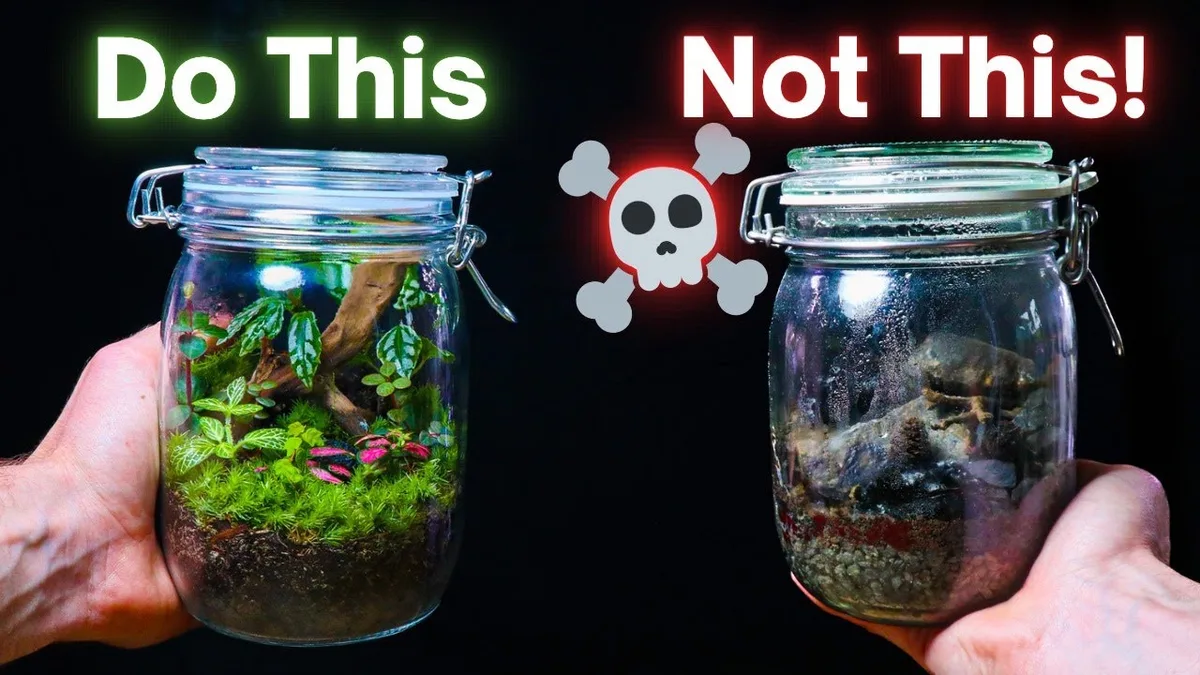
Most terrariums show improvement within 3, 7 days after these steps. Condensation patterns should normalize, and the sulfur odor should fade as aerobic microbes reestablish themselves in the refreshed substrate.
Long-Term Prevention: Keeping Your Terrarium Fresh Without Constant Interventions
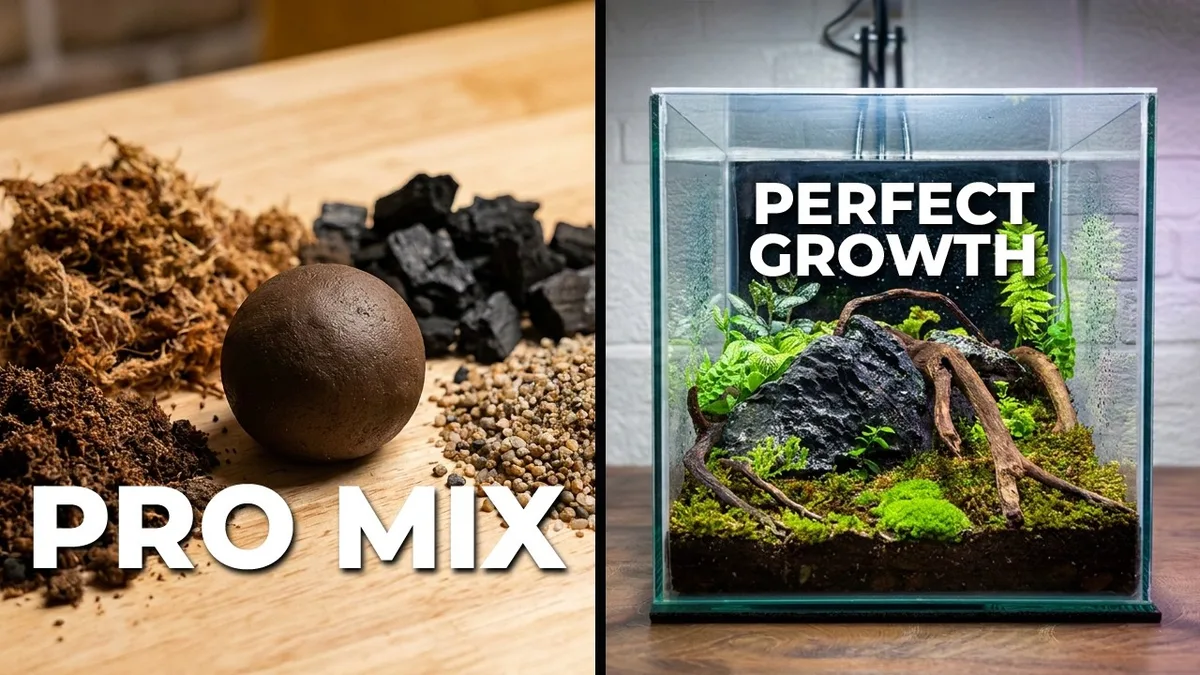
Preventing anaerobic zones comes down to designing a substrate that drains well, breathes easily, and supports a balanced microbial community from day one.
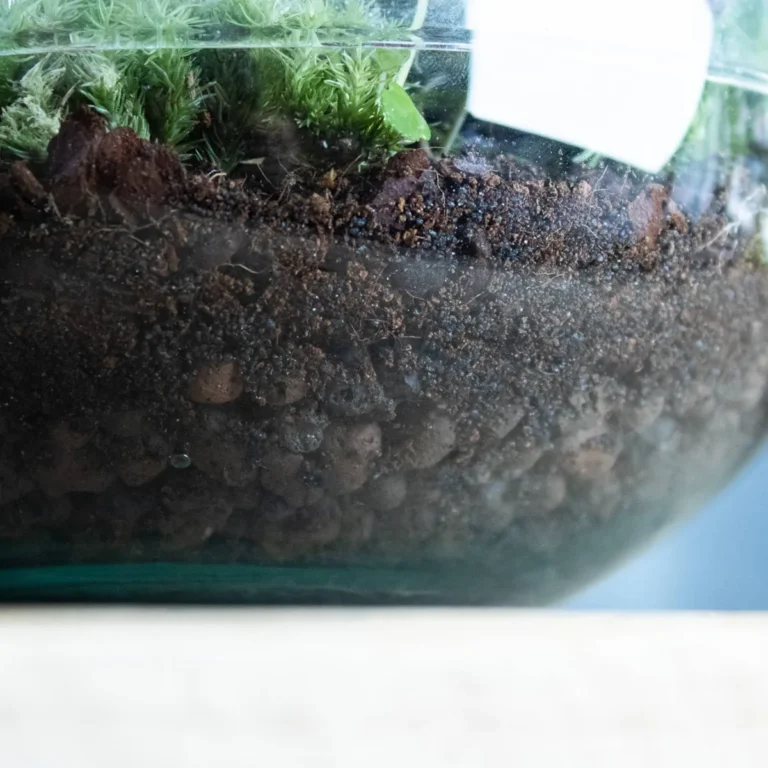
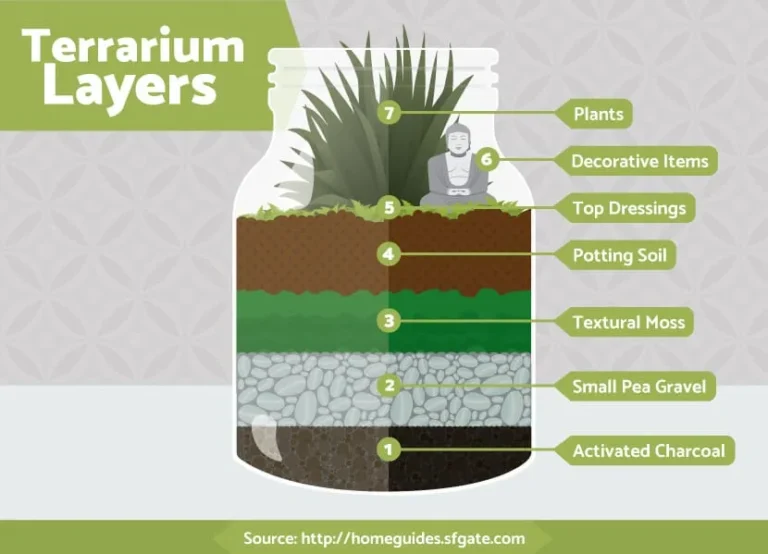
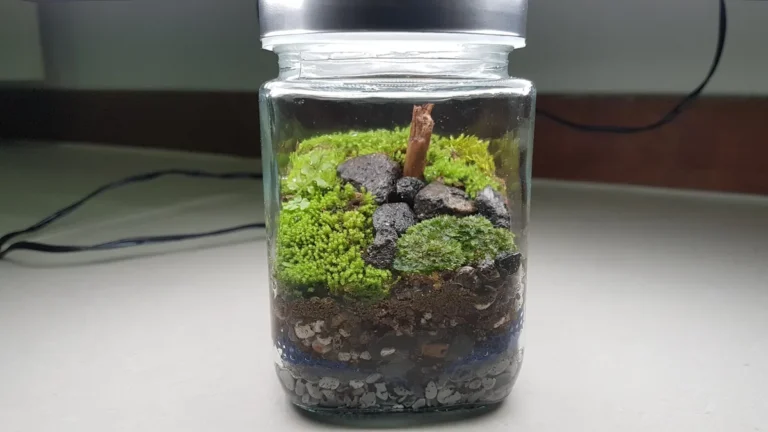
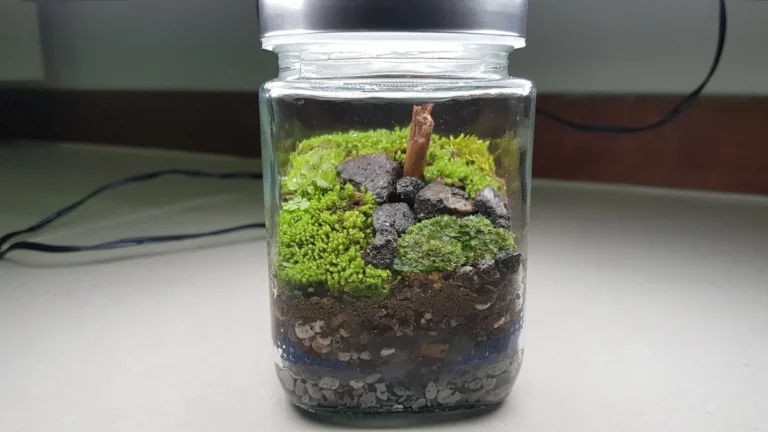
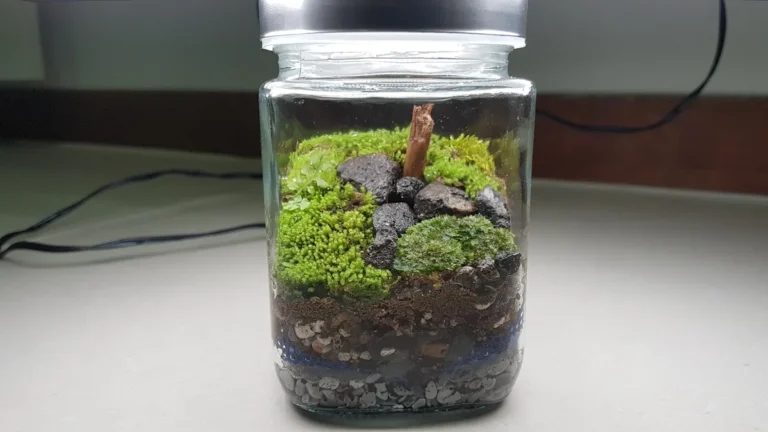
Build a healthy layered stack:
- Drainage layer: One to two inches of coarse gravel, LECA, or lava rock.
- Barrier layer: Optional mesh or landscape fabric to prevent soil migration.
- Charcoal layer: Quarter- to half-inch of horticultural-grade activated charcoal.
- Substrate layer: Two to three inches of well-draining terrarium mix, kept within the recommended depth for your container type.
- Surface: Leave room for leaf litter and detritivore habitat.
Maintain steady gas exchange. Even sealed terrariums need periodic air swaps. Open the lid for 10, 15 minutes every few days during the first month, then adjust based on condensation levels. Proper gas exchange dynamics keep oxygen available and prevent CO2 buildup.
Watch your watering routine. Allow the substrate to dry slightly between waterings. Use a spray bottle for precise, shallow applications. Avoid pouring water directly onto the soil surface.
Support biological filtration. Introduce springtails and isopods early, and provide a thin layer of leaf litter or coconut husk for them to colonize. Their activity keeps organic matter breaking down aerobically, reducing the chance of anaerobic pockets forming.
Monitor condensation daily. Healthy terrariums show light mist in the morning that clears partially by afternoon. Persistent heavy condensation means excess moisture that can lead to stagnation. Adjust ventilation or reduce watering accordingly.
For more on how your terrarium functions as a self-regulating miniature ecosystem, read how terrariums work as a tiny ecosystem. Understanding these cycles makes prevention second nature.
Frequently Asked Questions
Can a terrarium smell bad and still be safe for plants?
Yes, but only temporarily. Rotten egg odor means anaerobic bacteria are active, which indicates oxygen starvation in the substrate. Plants may survive in the short term, but prolonged anaerobic conditions stunt root growth, invite mold, and eventually kill sensitive species.
Address the smell promptly to prevent long-term damage.
How long does it take for a smelly terrarium to recover after fixing the substrate?
Most terrariums improve within 3 to 7 days after removing anaerobic soil, adding fresh substrate, and improving ventilation. Hydrogen sulfide gas dissipates quickly once exposed to air. A healthy aerobic microbial community reestablishes itself within that timeframe, restoring the earthy smell associated with a balanced ecosystem.
Is activated charcoal necessary in every terrarium?
It’s highly recommended for closed and semi-closed terrariums. Charcoal adsorbs organic acids, toxins, and microbial byproducts that otherwise accumulate in stagnant substrate. Open terrariums with frequent watering and airflow may tolerate skipping it, but sealed systems benefit significantly from this chemical buffer layer.
Can I reuse old terrarium soil after it starts smelling?
Not safely. Once soil becomes anaerobic, it’s colonized by sulfate-reducing bacteria and may harbor pathogens harmful to plant roots. Discard the affected substrate, clean the container, and start with fresh, well-draining mix.
Salvaging old soil risks reintroducing the same conditions that caused the odor.
Do detritivores like springtails actually prevent rotten egg smells?
Yes, when populations are balanced. Springtails and isopods consume decaying organic matter before it can break down anaerobically. Their activity keeps decomposition aerobic and reduces the buildup of sulfide-producing waste.
However, they work best alongside proper drainage, adequate charcoal, and sensible watering practices.